
Vetting a diesel generator manufacturer China importers can trust means reading export licences, test records and payment terms before any deposit. Tesla Power engineers run that check on every first order, and this guide explains what to verify, in what order, and which documents decide whether a 500kVA export genset clears customs without a delay.
- Check the export licence and the registered business scope before you discuss price.
- Ask for the type-test report and the routine-test record for the exact set you buy.
- Confirm the engine and alternator brands in writing, not from a photograph.
- Fix payment, inspection and spare-parts terms in the contract, not in a chat message.
Diesel generator manufacturer China: what does an audit cover?
A factory audit for a Chinese genset builder covers four things: the export licence, the assembly line, the test bench and the document pack. Ask for the licence first, because a trading company without an export licence will route your order through a third party. Walk the line next. Look for the alternator coupling station, the fuel-tank welding jig and the load bank, and note whether the same people build the same frame every week.
The document pack matters as much as the hardware. A serious factory keeps a type-test report, a routine-test record, a wiring diagram and a parts list for each build. Ask to see a completed pack from an earlier export order, not a blank template. If the pack is thin, the set may still run, but your customs broker and your insurer will ask for the missing pages later.
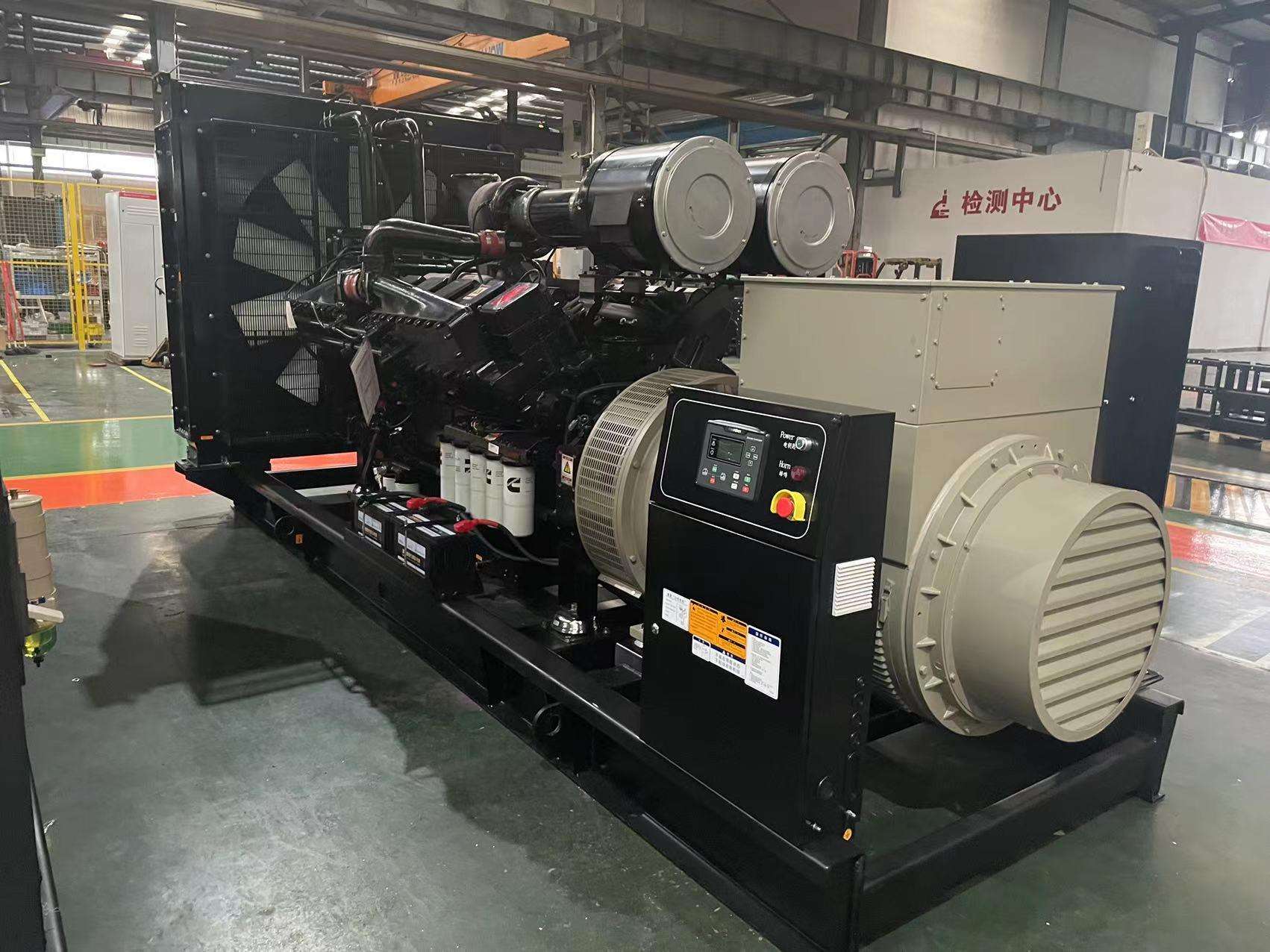
Chinese factories differ far more in paperwork than in hardware. Tesla Power has audited suppliers in Jiangsu, Zhejiang and Shandong, and the pattern holds: the builders that keep clean records also answer emails after the warranty ends. Pre-shipment inspection is where those records get tested against the actual set, one crate at a time.
Which export licences does a Chinese genset factory need?
Three documents travel with every legitimate export: the business licence with an export scope, the customs registration, and the certificate of origin for the destination market. The licence alone proves nothing, because a trading company can hold one and still subcontract the build. Ask which factory name appears on the certificate of origin, then check that the same name is on the test record.
The origin document decides duty, so it is worth reading before the price. Form E covers ASEAN trade and Form R covers a different set of agreements, and the wrong form turns a zero-duty shipment into a bill. Ask the factory to name the form it will use and the issuing authority. Then compare that answer with the customs tariff for your country, because the duty is charged on the set, not on the paperwork.
| Document | Who issues it | What it decides |
|---|---|---|
| Business licence | Local market regulator | Whether the seller may export at all |
| Certificate of origin | Trade promotion council or customs | The duty rate at destination |
| Type-test report | Accredited test house | Whether the model was tested as a type |
| Routine-test record | The factory test bench | Whether your set passed before shipping |
How do you verify certification documents from a China factory?
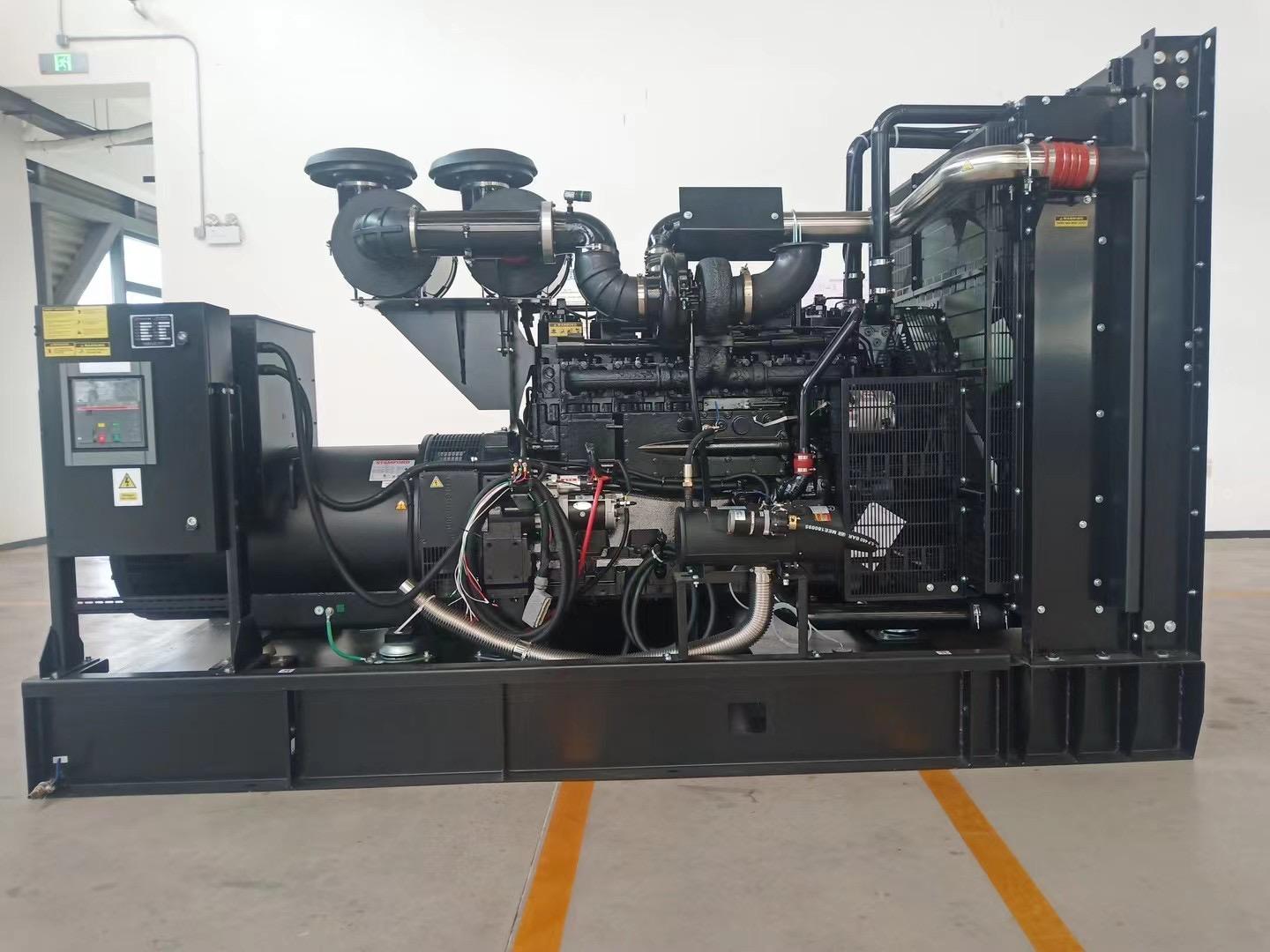
Certification is a claim about a model, not about a shipment. Ask for the type-test report that names the engine model and the alternator model, then check the report number against the test house register. A scanned cover page proves nothing on its own. The ISO 8528-1 rating table sets the ratings the report should quote, and a report that omits the rating class is incomplete for any serious tender.
The other trap is scope. A certificate for a 100kVA set says nothing about the 500kVA unit you ordered, even when both come from the same frame family. Match the model code, the rating class and the serial number on the report to the plate on your set. If any of the three differs, ask the factory to re-test the machine rather than re-issue the same paper with a new date.
Documentation travels with the set, so it has to match the destination market. Regulation (EU) 2016/1628 sets the emission stage for non-road engines sold in Europe, and the engine data sheet has to name that stage. Tesla Power Equipment builds the file around the destination rule, not around a generic template, and we keep the conformity assessment for the EU market in the same folder.
What belongs on a factory audit checklist before a deposit?
Take a checklist, not an impression. The licence, the export registration, the type-test report and the test-bench calibration certificate are the four items that decide whether the order is safe. Photograph each one during the visit and compare the dates. A calibration certificate older than twelve months means the routine test results are worth less than the paper they sit on.
Then walk the line and time the build. Ask how long a frame sits between the welding jig and the paint booth, because a short queue usually means a steady order book and a long queue can mean the opposite. Check whether the alternator and the engine arrive as matched pairs or as loose stock. A factory that mixes stock across orders will struggle to trace a fault two years later, when your set is the only one still under warranty.
An audit is a snapshot, so put a date on it. Repeat the visit before the second order, and again when the factory changes its engine supplier. Our engineers score each visit on the same four items, which makes two audits comparable a year apart. Read how our factory visits work before you book one, because a scored visit is worth more than a tour.
How do payment terms protect an importer from a China supplier?
Payment is the part of the order a buyer controls least, so it needs the most structure. A 30% deposit against a signed contract and a 70% balance against a copy of the bill of lading is the common export pattern. Do not release the balance against a photograph of the set on a loading dock. A letter of credit costs more and moves the risk to the banks, which suits a first order with a new supplier.
Yangzhou Tesla Power quotes the deposit against a drawing, not against a delivery date. That matters, because a drawing can be checked and a date cannot. Wire the deposit only when the drawing is signed and the engine model is written on the contract, then keep the bank receipt with the other export papers. If the seller asks for the deposit before the drawing, walk away.
Which Incoterms and shipping documents matter for a genset order?
FOB, CIF and DAP cover most genset shipments, and the difference is who pays the freight and who carries the risk in transit. FOB ends at the port of loading, so the buyer owns the sea leg. CIF moves the freight cost to the seller while the risk passes at loading. DAP puts the set at your gate and keeps the transit risk with the seller.
Documents decide whether the container leaves on time. The commercial invoice, the packing list, the bill of lading and the certificate of origin must agree on the weight, the crate count and the set serial number. One mismatch holds the container at the port. A diesel generator for export markets travels with a document pack that a domestic unit does not, and a 100kVA export set carries the same pack as a larger machine.
What spare-parts and after-sales terms should the contract fix?
Spare parts are the part of the offer buyers read last and regret first. Fix the list in the contract: filters, belts, a water pump, a voltage regulator and one injector set cover most first-year faults. Name the part numbers, not just the descriptions, so a local dealer can cross-reference them. Add the response time for a technician and the cost of a site visit.
Tesla Power ships a spares kit with every export set and lists the part numbers on the same drawing as the machine. That single drawing saves a week when a belt fails in a country where the local dealer stocks another brand. Ask for the drawing before you pay, and check that the part numbers match the ones on the engine plate. A diesel generator for remote sites needs that drawing more than a city unit does, and our engineering help notes list the parts that fail first.
How does an export quotation price a China-built genset?
A worked example makes the pricing structure visible. Take a 500kVA set at 0.8 power factor: usable real power = 500kVA × 0.8 = 400kW. If the site load is 320kW, the load factor = 320kW ÷ 400kW = 0.80, so the set runs at 80% of its rating. Add the canopy, the automatic transfer switch and the freight, and the quotation stops looking like one number.
Freight and duty usually move the total more than the hardware does. A 40-foot high-cube container holds a 500kVA set in a canopy, but an open-frame unit of the same rating may fit a 20-foot box with room for spares. Ask for the packing dimensions in writing and price the freight on the volume, not on the weight alone. A diesel generator in China is built to a national standard as well as a contract, and the packing list follows that standard.
Two more lines decide the final figure. The emission stage of the engine sets the cost of the after-treatment, and the rating class sets how much copper sits in the alternator. Ask the seller to quote both lines separately, so you can see which one moved when a revised offer comes back higher than the first.
What does the factory test record prove for an overseas buyer?
A routine test record proves that the set you bought ran at load before it was packed. It should show the voltage, the frequency, the load steps and the duration. A record with a single no-load reading is a shipping note, not a test. Ask for the load bank figures at 25%, 50%, 75% and 100% of rating.
Read the record against the type-test report. The type test proves the model family; the routine test proves your unit. When the two disagree on the rating class, the set is not the model you ordered. Most diesel generator manufacturers in China publish that report only on request, so ask early. The NFPA 110 start-time rule sets the pickup time for life-safety sets, and a test record that omits the start time leaves that claim open.
Tesla Power Equipment sends the routine-test record and the type-test report with the shipping documents, and our engineers answer questions about both. Send us the load list and the site conditions and we will quote the set against the documents you need.
Frequently asked questions about China diesel generator sourcing
Sometimes, but the risk moves. A trading company with a good record will name the factory on the contract and let you audit it. One that refuses to name the line is reselling whatever is in stock. Ask for the factory name, the test record and the export licence, and treat a refusal as a price signal rather than a shortcut.
Thirty percent is the common figure for a standard set, rising to fifty percent for a custom canopy or a non-standard voltage. Tie the deposit to a document, not a promise: a signed contract, a confirmed drawing and a production slot date. Anything above fifty percent deserves a bank guarantee or an escrow arrangement.
Yes, and it is cheap next to the freight. A pre-shipment inspection costs a fraction of the set and catches the faults that are expensive to fix at site. Book it after the routine test and before packing, so the inspector sees the load bank figures and the finished wiring. Photographs from the factory are not a substitute.
Match the local grid, not the catalogue default. Most of Africa, Europe and much of Asia run 50Hz, while North America and parts of Latin America run 60Hz. Tesla Power asks for the site voltage before it quotes, because the transformer decides the winding. A set built for the wrong frequency cannot be corrected at site.
Filters, belts, a water pump, a fuel solenoid and one set of injectors cover the first two years on most sites. Add a voltage regulator and a control module if the site is remote. Ask for the part numbers on the same drawing as the set, so a local dealer can cross-reference them later.
Twelve months from commissioning or eighteen months from shipment is the usual split, whichever comes first. Longer terms exist and usually price the risk into the set. Read what the warranty excludes, because consumables, freight and site labour are common exclusions, and those three lines are where the real cost sits.
Ask for the export licence, the customs registration and a completed document pack from an earlier order. Then visit, or pay an inspector to visit, and score the four audit stops in writing. Tesla Power scores every new supplier this way before a first order.