
A diesel generator acoustic louvre has to pass cooling air and stop noise at once, and the two duties fight each other. Compare the free area, the blade pitch and the splitter against the fan before you accept an offer. Tesla Power sizes the louvre on the fan curve; send it to the technical desk and we confirm the area.
- Ask for the free area with the splitter fitted, not the bare louvre figure.
- Check the pressure drop against the fan curve rather than against a rule of thumb.
- Look at the blade pitch, because a tight pitch is quiet and restrictive.
- Ask how the louvre is cleaned, since a blocked one derates the set.
What does a diesel generator acoustic louvre do?
It lets cooling air into the canopy and it stops the fan noise leaving through the same opening. A plain louvre does the first job and a lined louvre with a splitter does both. The noise that escapes through an untreated louvre is often the loudest path on the whole canopy, because the opening is large and the fan is right behind it.
The louvre is also the place where a canopy gets its cooling air, so the two duties are set by one opening. A louvre sized for noise alone starves the radiator and a louvre sized for air alone passes the noise. Tesla Power sizes both from the fan curve and the noise target on one sheet, so the conflict is decided before the steel is cut.
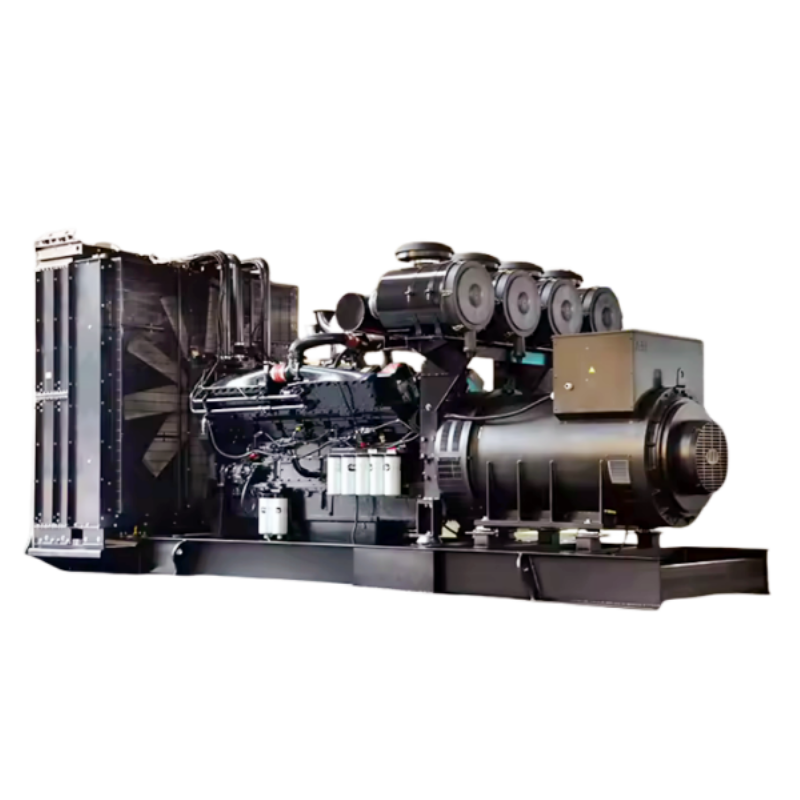
How much free area does the set need?
The fan needs a free area it can pull through, and that figure comes from the fan curve rather than from the canopy size. A louvre at 50% free area passes half the face area as air, and a louvre with a splitter passes less. Ask for the free area after the splitter is fitted, because that is the figure the fan sees, and the difference is often a third of the face.
A louvre that is too small shows up as a hot canopy rather than as a noisy one, and the set derates before the temperature alarm trips. A louvre that is too large is a noise leak with a price. Ask for the design flow in cubic metres per second and the face velocity at about 30 Pa of drop, then check the pair against the fan curve on the offer. A face velocity above 4 m/s is where the louvre starts to generate its own noise.
| Item | Typical figure | Note |
|---|---|---|
| Free area | 50% of the face | Measured with the splitter fitted |
| Blade pitch | 100 mm | Tighter pitch, more loss |
| Insertion loss | 8 dB(A) in the mid band | Less at low frequency |
| Pressure drop | 30 Pa at design flow | Read it off the fan curve |
Which louvre blade shape is quietest?
A blade with a 100 mm pitch and a hollow section absorbs more than a thin blade at the same free area, and it also costs more. A tight pitch raises the insertion loss and raises the pressure drop, so the fan has to work harder. The blade shape is a compromise between the two, not a free gain, and the fan curve is where the cost shows.
A blade that is set at 45 degrees turns the air and blocks the line of sight, which is what gives the insertion loss. A blade at a shallower angle passes more air and more noise. Ask for the blade angle and the pitch on the drawing. A louvre quoted with a free area but no blade angle cannot be compared with another offer. Yangzhou Tesla Power states both on the louvre drawing.
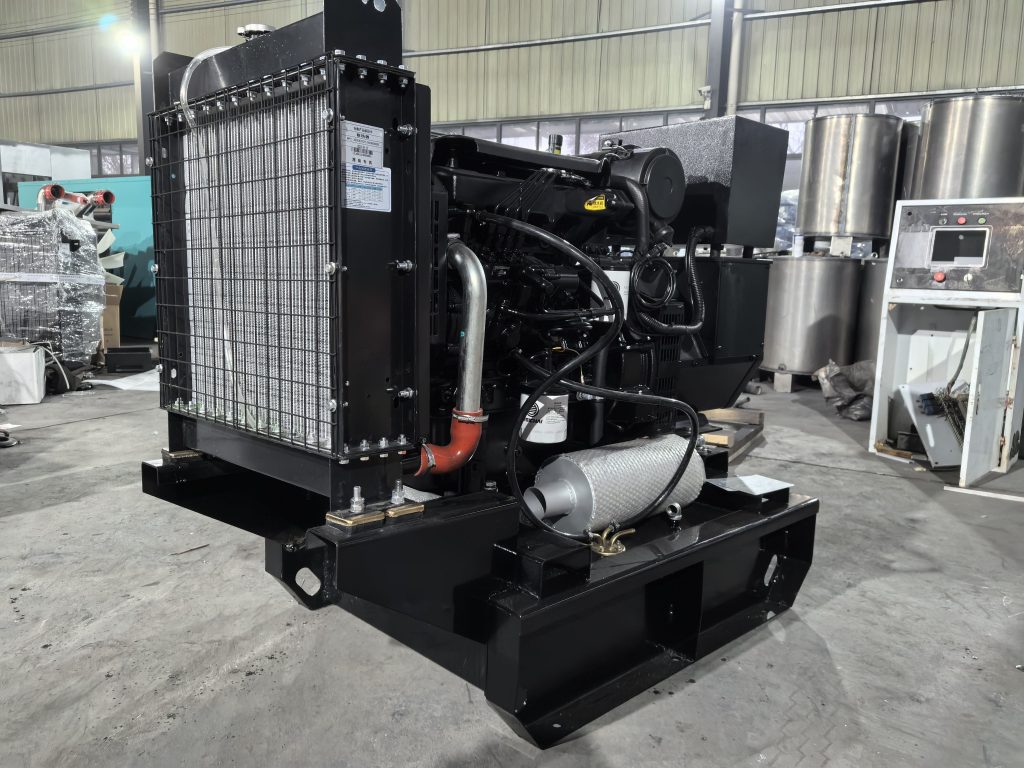
How is the louvre split for airflow?
A canopy with one louvre at the radiator end and one at the alternator end cools two different parts of the set, and the two are not sized the same. The radiator louvre carries the fan flow and the alternator louvre carries the leakage. Sizing both from the fan figure leaves the alternator end short of air, and the alternator is the part that derates first on a hot day.
A louvre that serves both duties on a small set is a louvre that recirculates hot air back into the canopy, because the outlet and the inlet are close. A splitter plate between them is the cheap answer and a separate outlet above the radiator is the better one. Ask for the inlet and the outlet on one drawing. Tesla Power Equipment separates them by at least 2 m on a canopy in a tight yard.
What does the louvre add to the noise figure?
A lined louvre with a splitter adds about 8 dB(A) of insertion loss in the mid band and less at low frequency, and that is why a canopy still needs a lined panel behind it. A louvre quoted as a single figure without a frequency band is a figure that hides the low end. Ask for the loss by octave band, because a single figure is usually taken at the band that looks best.
The louvre also radiates noise from its own blades when the face velocity is high, and that self noise rises with the flow. A louvre pushed to a small face area is a louvre that becomes a noise source. On a 50 Hz set the fan is the dominant tone, so keep the face velocity low and the free area at about 80% of the design figure: on a 2 m2 face that is 1.6 m2, since 2 m2 x 80% = 1.6 m2. Tesla Power sizes the face on that figure rather than on the bare louvre.
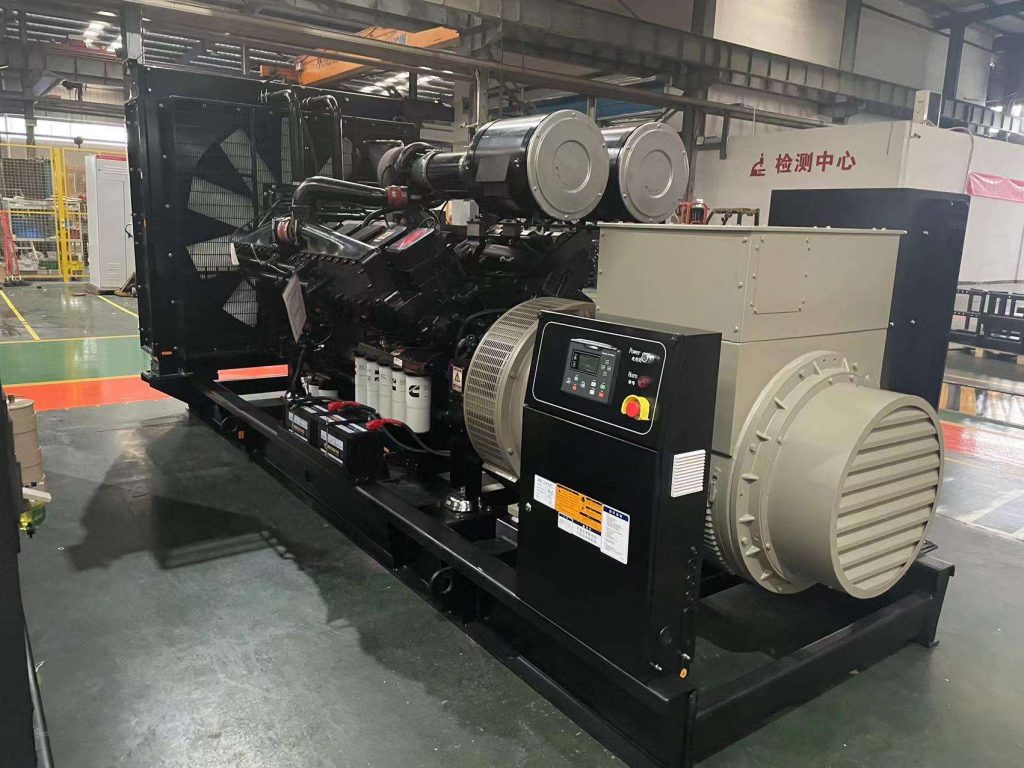
How is the louvre cleaned?
A louvre with a splitter collects dust on the splitter faces and the dust closes the free area over a year. A louvre that cannot be reached with a brush is a louvre that stays blocked. Ask for the splitter to be removable, or for an access panel on the canopy beside it, because a splitter that has to be cut out is a splitter that stays dirty.
The cleaning interval depends on the site rather than on the louvre, and a site near a cement plant cleans monthly. A blocked louvre shows as a higher canopy temperature at the same load, and the first sign is often a coolant alarm. Add the louvre to the service sheet with the air filters. Tesla Power puts the louvre check on the same line as the filter change.
What does the offer need to state?
The offer should give the face area, the free area with the splitter, the blade pitch and angle, the insertion loss by band and the pressure drop. Five items on one line let a buyer check the louvre against the fan curve without opening a drawing. Ask for the pressure drop at the design flow rather than at a nominal figure.
The wording on the offer matters too. Chinese diesel generator acoustic suppliers often quote a louvre by face size with no free area, and a diesel generator acoustic louvre manufacturers page can show a splitter the factory does not fit. Ask for diesel generator acoustic louvre for a plant room, diesel generator acoustic for the radiator end and diesel generator in a quiet zone as three separate cases. Tesla Power prints the five items on the louvre drawing.
What does the handover file record?
The file carries the free area, the blade pitch, the insertion loss by band, the pressure drop and the cleaning interval. One page covers the louvre when those five items sit under the canopy serial number. Add the conformity assessment for the louvre when the canopy is part of a permit package and the noise limit is written into the consent.
Hand the page to the technician who will clean the louvre rather than to the buyer who placed the order. the Yangzhou factory describes the press that forms the blade, the commissioning notes lists the canopies with a removable splitter, the build range explains how the free area is measured, the 500kVA silent set with ATS changeover shows the export build for this rating, the ISO 8528-1 duty definitions sets the noise basis the insertion loss comes from, and the NFPA 110 maintenance routine covers the enclosure standard behind the test, and the cleaning interval is written on the same page as the noise figure.
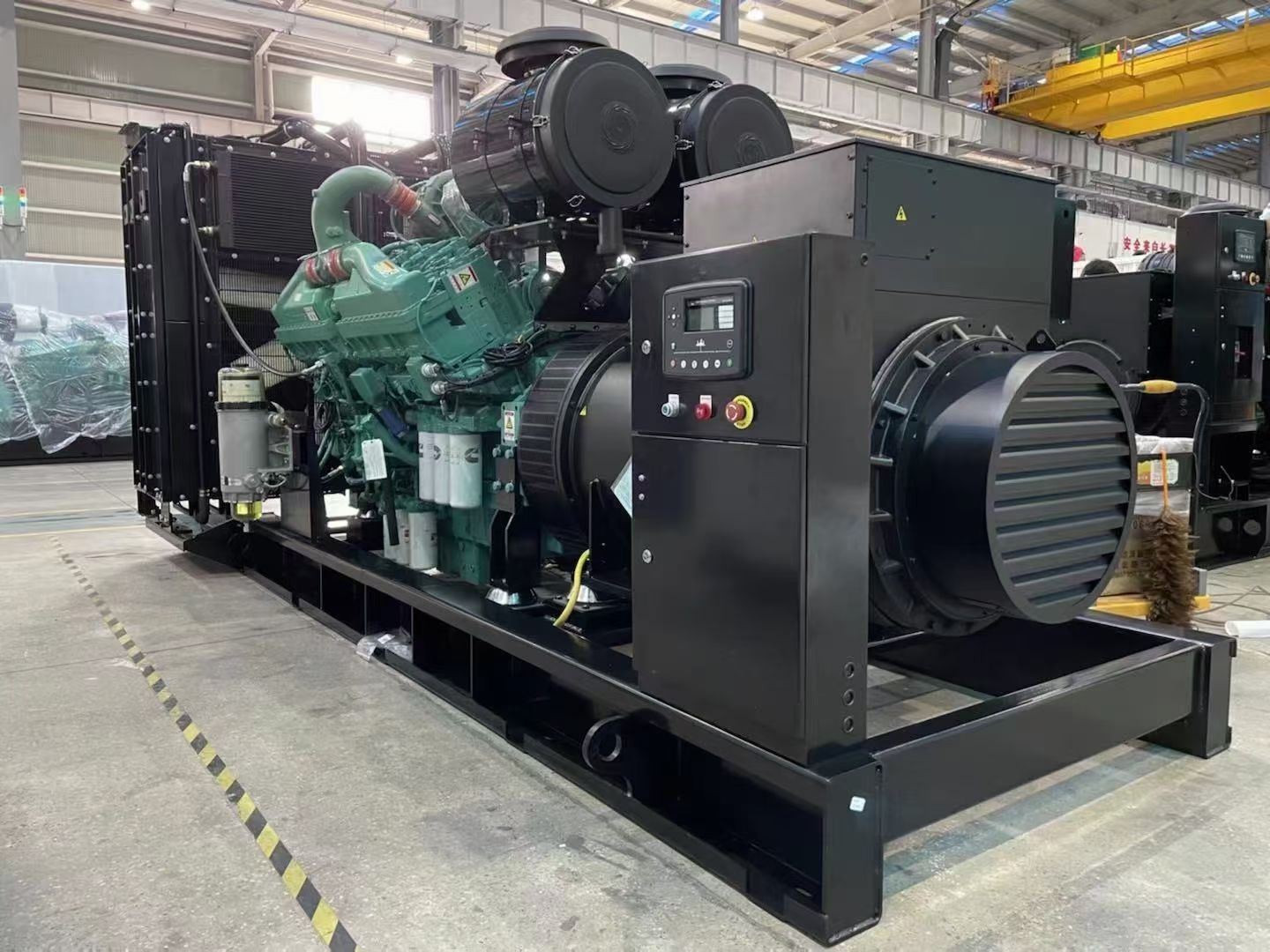
Frequently asked questions about diesel generator acoustic louvers
It can if the frame has room for a splitter and the free area can take the loss, which most plain louvres cannot. A converted louvre often ends up too small for the fan. Measure the free area before and after the splitter before promising the noise figure.
It does on a site with nesting birds, and a screen costs free area and adds a cleaning point. A screen that is fitted without deducting its area starves the fan. Ask for the free area with the screen in place.
The louvre is undersized or the outlet recirculates into the inlet, and the second is more common on a tight site. Check the separation between inlet and outlet before adding louvre area. A recirculating canopy gets hotter as the louvre gets bigger.
An untreated louvre is often the loudest path on a canopy, and a lined one with a splitter drops by around 8 dB(A) in the mid band. The low band moves much less. Ask for the figure by band rather than as one number.
It should be coated to the same system as the panel, because the inside of a louvre sees the same weather as the outside. A louvre painted on one face only rusts from the inside out. Ask for the coat schedule on both faces.
Monthly on a dusty site and twice a year on a clean one, with the splitter faces wiped each time. A blocked louvre shows as a temperature rise rather than a noise change. Tesla Power adds the louvre to the service sheet so the check is not forgotten.