
Diesel generator air cleaner choice sets how much dust the engine can swallow before the element loads and the restriction alarm trips. Check the specification against the site conditions and compare supplier offers before you order. Tesla Power matches the element to the dust load; send the site report to the technical desk and we confirm it.
- Match the element to the dust load on site rather than to the engine rating alone.
- Read the restriction indicator at full load, because the figure falls at idle.
- Keep a spare element on the shelf so a loaded one is changed the same day.
- Do not wash a paper element, and record the restriction figure after each change.
What does a diesel generator air cleaner remove?
The element stops the dust that would otherwise reach the piston rings and the turbo. An engine that breathes 12 m3/min at full load passes a large volume of air in a shift, and even a light dust load builds a film on the pleats. That film raises the restriction until the engine cannot fill the cylinder, and the exhaust then runs hot.
The element is also the cheapest protection on the machine, which is why the service plan matters more than the part number. A loaded element costs fuel and power long before it trips an alarm. Tesla Power sets the change interval from the dust load the buyer reports, and the figure is written on the build sheet rather than left to the operator. The pleat count is what sets the dust capacity, and a taller element in the same housing holds more of it.
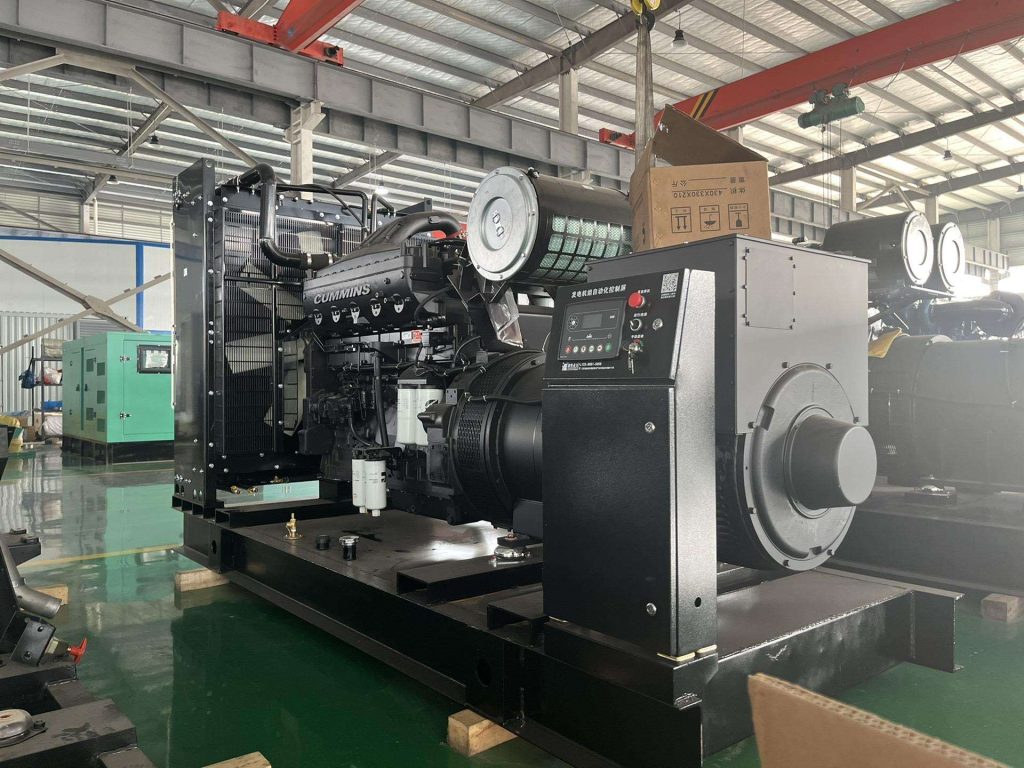
Which element suits a dusty site?
Three options reach an export order: a paper element in a steel housing, a two stage housing with a pre cleaner, and a heavy duty housing with a safety element inside the main one. A quarry or a cement yard needs the two stage version, because the pre cleaner throws the coarse dust out before it reaches the pleats. A clean plant room can use the single stage.
The safety element is worth the cost on any site where a torn main element would go unnoticed. It sits inside the main element and catches what passes, so the engine survives until the next service. Tesla Power fits the safety element as standard on the dust builds and lists both part numbers on the plate. the 500kVA silent set with ATS changeover shows the two stage housing on a frame of this size. The interval is a starting figure, and a site that logs the restriction can extend or shorten it with evidence.
| Site condition | Housing | Service interval |
|---|---|---|
| Clean plant room | Single stage paper | 500 h |
| Light dust, indoor | Single stage with safety element | 400 h |
| Quarry or cement yard | Two stage with pre cleaner | 250 h |
| Coastal salt air | Two stage, stainless housing | 300 h |
How is the restriction read on site?
The indicator sits on the housing outlet and shows a red band when the restriction passes the limit, usually about 6 kPa on a turbo engine. Read it with the engine at full load, because the figure falls to almost nothing at idle. A indicator that has been red for weeks means the engine has been running rich and hot.
Reset the indicator after a change and write the reading on the service sheet. A new element should read well below the limit, and a reading close to it points to a leak downstream or a housing that is too small. Check the hose clamps at the same time, because a loose clamp lets dust past the element entirely. A gauge that sits on the dash is read more often than one hidden inside the canopy door.
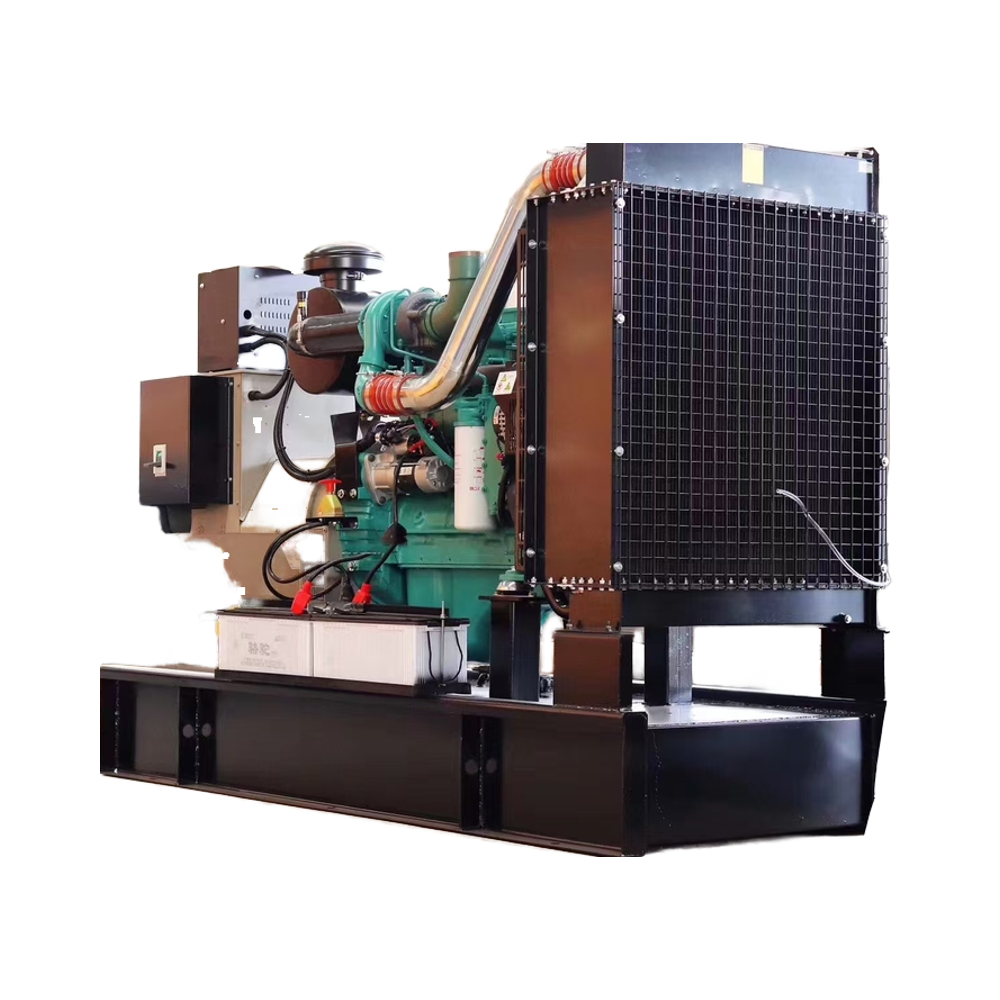
Why does a paper element fail early?
The usual cause is washing. A paper element that is washed and refitted loses its pleat structure and passes dust at the fold, which is worse than a loaded element. The second cause is a missing inner seal, because the element then sits off its seat and dust bypasses the pleats. The third is a cracked housing weld on a set that vibrates.
A site that cannot buy elements often washes them to keep running, and the engine then wears out years early. Tesla Power Equipment ships one spare element with every dust build so the operator has a replacement before the first service. The spare is listed on the packing list, and the plate names the part number so a local order matches. A spare on the shelf is cheaper than a stopped set, and it is the part most often missing from a stores list.
How is the housing checked for leaks?
Run the engine at full load, then dust a small amount of talcum powder around the housing joints and watch for it to be drawn in. A joint that pulls powder is passing unfiltered air, and the clamp or the seal is the cause. Repeat the test at the hose connection to the turbo inlet, which is the second common leak point.
A leak test takes ten minutes and it finds the fault that a restriction gauge cannot see. A leaking housing reads a normal restriction while the engine wears, because the gauge sits downstream of the leak. the build range sets out the same test for a set that is already in service, and the powder method needs no instruments. The powder test is worth running at every element change, because a joint that has been opened twice is the one that leaks.
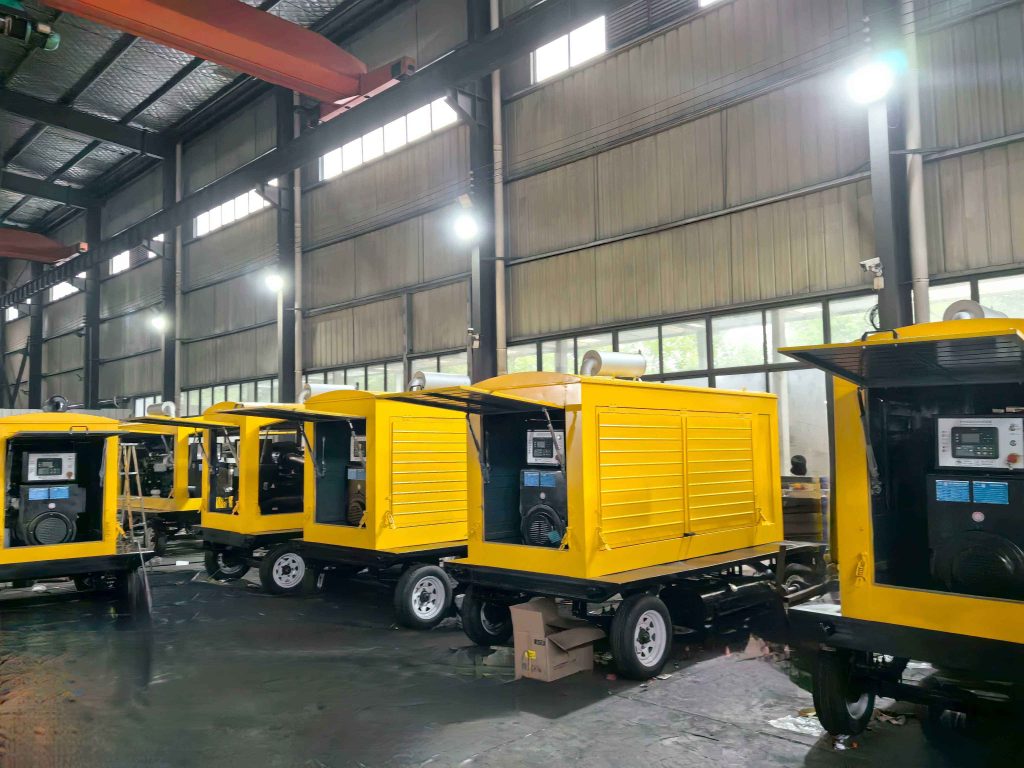
Which records prove the air cleaner was serviced?
Keep the restriction reading, the element part number, the date and the hour meter on one line. A 400kVA set at 0.8 pf carries 320kW and breathes about 12 m3/min, so a 500 h interval passes 360000 m3 of air: 500 h x 60 min x 12 m3/min = 360000 m3. That volume is what loads the pleats, not the calendar.
The record also shows whether the element was changed or washed, because a washed element usually reappears with a higher restriction within a month. Tesla Power asks for the action beside the reading so the pattern is visible. A site that logs the figure spots a failing housing before the engine shows it in the oil analysis. A reading taken after a change is the baseline for the next interval, so the figure matters as much as the date.
How should a buyer compare two air cleaner builds?
Compare the housing type, the safety element and the indicator, then compare the price. A single stage housing on a dusty site saves money once and costs an engine later, because the pleats load in weeks and the operator runs it red. Ask for the housing type and the spare part numbers on the offer.
The wording on the offer matters too. Diesel generator manufacturers in China often quote the housing without the safety element, and Chinese diesel generator suppliers sometimes leave the indicator off a standard build. Ask for diesel generator air cleaner for a quarry, diesel generator air cleaner for cement dust and diesel generator in a coastal yard as three separate cases, because each one changes the housing. Add the diesel generator CE marking requirements and the diesel generator documentation for export to the enquiry, and the 1000kW container build shows the heavy duty housing. A housing that is one size up costs little on the order and covers a site that turns out dustier than the report suggested.
What does the handover pack carry?
The pack carries the housing type, both element part numbers, the restriction limit and the spare element location. It also carries the leak test method in one paragraph, because a technician who has not seen the powder test will not run it. One page covers the system when those four items sit together under the engine serial number.
Give the page to the operator who runs the weekly check rather than to the buyer who placed the order. Yangzhou Tesla Power adds the air page to the service folder with the fuel and coolant pages, and the Yangzhou factory describes the test bay where the restriction is read under load. the commissioning notes lists the frames that ship with the two stage housing, and the ISO 8528-1 duty definitions sets the rating basis the airflow figure was taken from, and the NFPA 110 maintenance routine covers the transient behaviour the set was accepted on. A file that names both part numbers lets a local order match the build rather than a catalogue guess.
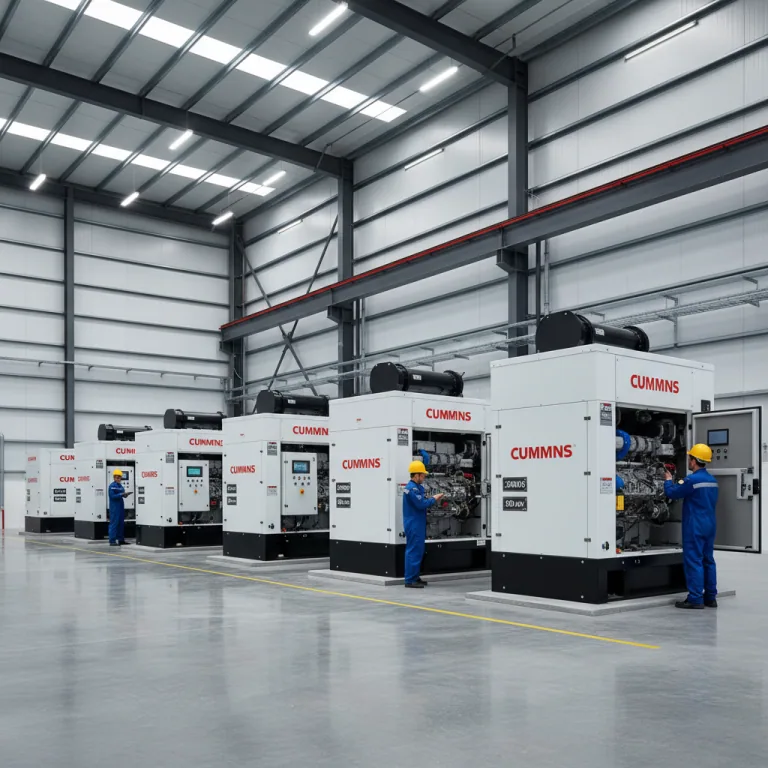
Frequently asked questions about diesel generator air cleaner
Only from the inside out at low pressure, and only once, because the jet opens the pleats and lets dust through afterwards. Washing is worse than cleaning, since water collapses the paper structure. Tesla Power ships a spare element with every dust build so the operator replaces rather than cleans.
At every weekly check and at every service, with the engine at full load. A reading taken at idle tells you nothing, because the airflow is low and the restriction falls with it. Write the figure on the sheet so a trend is visible across the year.
A loaded element raises the restriction and the engine works harder to fill the cylinder, so fuel use climbs before the power falls. The effect is small at first and grows quickly once the indicator turns red. Change the element at the limit rather than at the next service.
It sits inside the main element and catches anything that passes a torn or badly seated main element. On a dusty site it is the difference between a service and an engine rebuild. Check it at every main element change, because it loads slowly and is easy to forget.
A whistle usually means a leaking joint downstream of the element, not a blocked one, because air is being drawn through a narrow gap. Run the powder test around the joints and the hose clamps. A whistle that stops when the engine idles is usually a clamp issue.
Yes, and a remote housing is common on a container build where the engine bay is tight. Keep the duct run short and smooth, because every bend adds restriction before the element sees any dust. Size the duct from the airflow figure rather than from the housing inlet alone. Tesla Power draws the duct route on the general arrangement.