
Diesel generator ambient derating is the capacity a set gives up when the air reaching the engine and the radiator is hotter than the reference condition, and the rules below show how to work that loss out. Tesla Power Equipment measures the figure at the intake, then prints the correction beside the rating so a supplier quotation matches the room.
- Measure at the engine intake, not at the door, because a room 7 ℃ above the yard is normal and the difference costs capacity.
- Apply the correction to the plate rating before comparing frames, since two offers quoted on different bases are not the same offer.
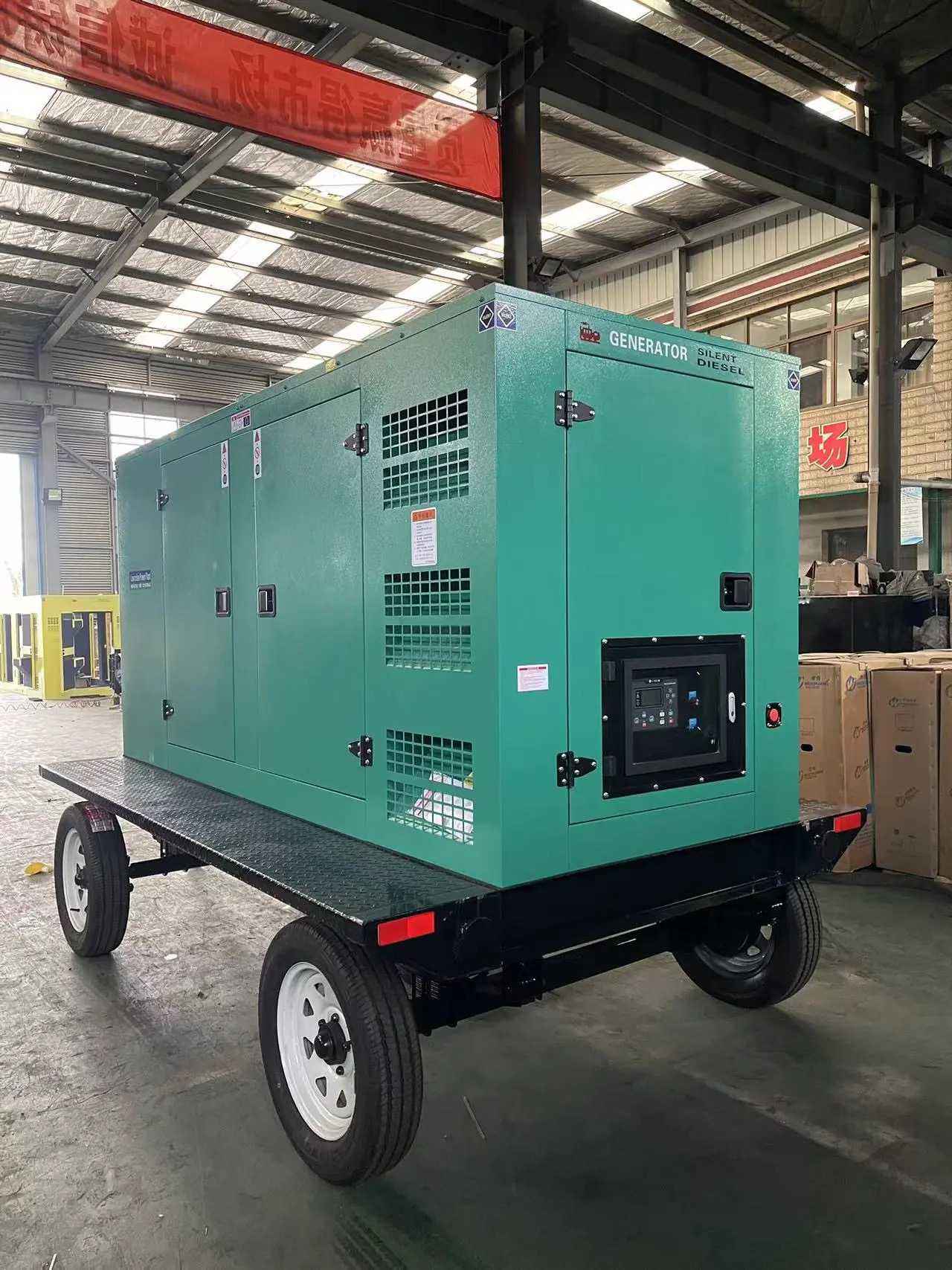
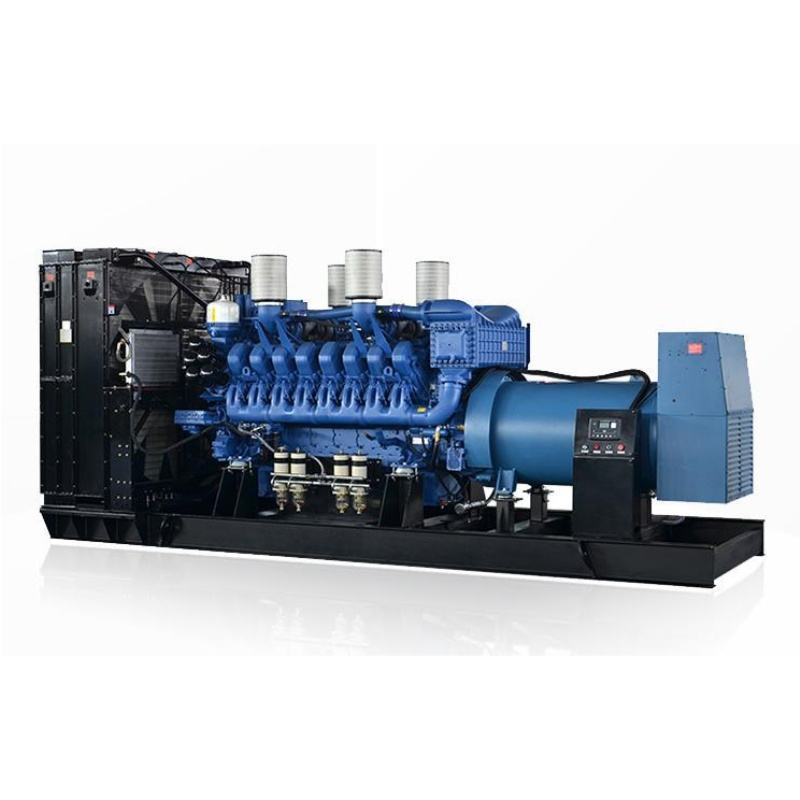
- Read the chart on the 400kW frame on the Weichai WP13 platform, where the ambient and the altitude sit beside the rating.
- Correct the radiator as well as the engine, because a hot room reduces the heat rejection the core can reach at the same fan speed.
What does diesel generator ambient derating change in a quotation?
It changes the capacity behind the frame number, and it changes it before a single load is connected. A set rated at 40 ℃ loses about 3% of its output for every 10 ℃ above that point, so a 330kVA frame at 45 ℃ carries about 320 of its 330kVA and at 50 ℃ about 300. The plate still reads 330kVA, and the site plans against the corrected figure rather than the plate. Tesla Power reads that figure on the site sheet before the plate is printed.
The correction is applied to the engine first, because the engine runs out of air before the alternator runs out of copper. Most diesel generator manufacturers publish a chart at 40 ℃ and leave the room figure to the buyer, so the two figures rarely meet. A turbocharged engine holds its figure a little better than a naturally aspirated one, since the compressor recovers part of the density loss, and that difference is one reason two frames of the same rating behave differently in a hot room.
How is the derating calculated from the intake temperature?
Start with the reference condition printed on the data sheet, which is usually 40 ℃ air, 1000m altitude and a stated relative humidity. Measure the air at the engine intake with the doors closed and the set at its working load, because that is the condition the machine meets in service. Then apply the maker's chart, or the 3% per 10 ℃ rule where no chart is supplied. Tesla Power reads that figure on the site sheet before the plate is printed.
Work it on a 330kVA frame at 50 ℃: 330kVA × 0.91 = 300kVA, and 300kVA at 0.8 power factor delivers 240kW. A site that reports 40 ℃ at the door and 48 ℃ at the intake is not unusual, and that gap carries most of the correction. It is why we ask for the intake reading rather than the weather record, and why the reading belongs 300mm from the air filter.
| Intake temperature | Loss on a 330kVA frame | Frame it matches at 40 ℃ | What it means on site |
|---|---|---|---|
| 40 ℃ | None | 330kVA | The reference condition |
| 45 ℃ | About 3% | Same 330kVA, margin spent | The spare capacity is gone |
| 48 ℃ | About 6% | Between 300kVA and 330kVA | No margin left on the largest load |
| 50 ℃ | About 9% | 300kVA | The next frame size is needed |
Why is the room temperature higher than the yard?
It is higher because the set heats the air it passes through the radiator, and because the room has a finite air change rate. A set rejecting 30% of its fuel energy to the coolant warms a large volume of air, and a room with 20 air changes an hour cannot carry that heat away as fast as an open yard. The rise is typically 5 ℃ to 10 ℃ above ambient, and it climbs with load.
Three details decide where in that range a room falls. The free area of the inlet and outlet louvres, which is often half the gross opening once the blades and the bird mesh are counted. The path between the radiator and the outlet, since a duct that turns twice adds back pressure the fan was not sized for. The position of the recirculation zone, because air leaving the outlet can return to the inlet on a still day and lift the intake by another 4 ℃. Tesla Power reads that figure on the site sheet before the plate is printed.
Which measurement point gives the figure that matters?
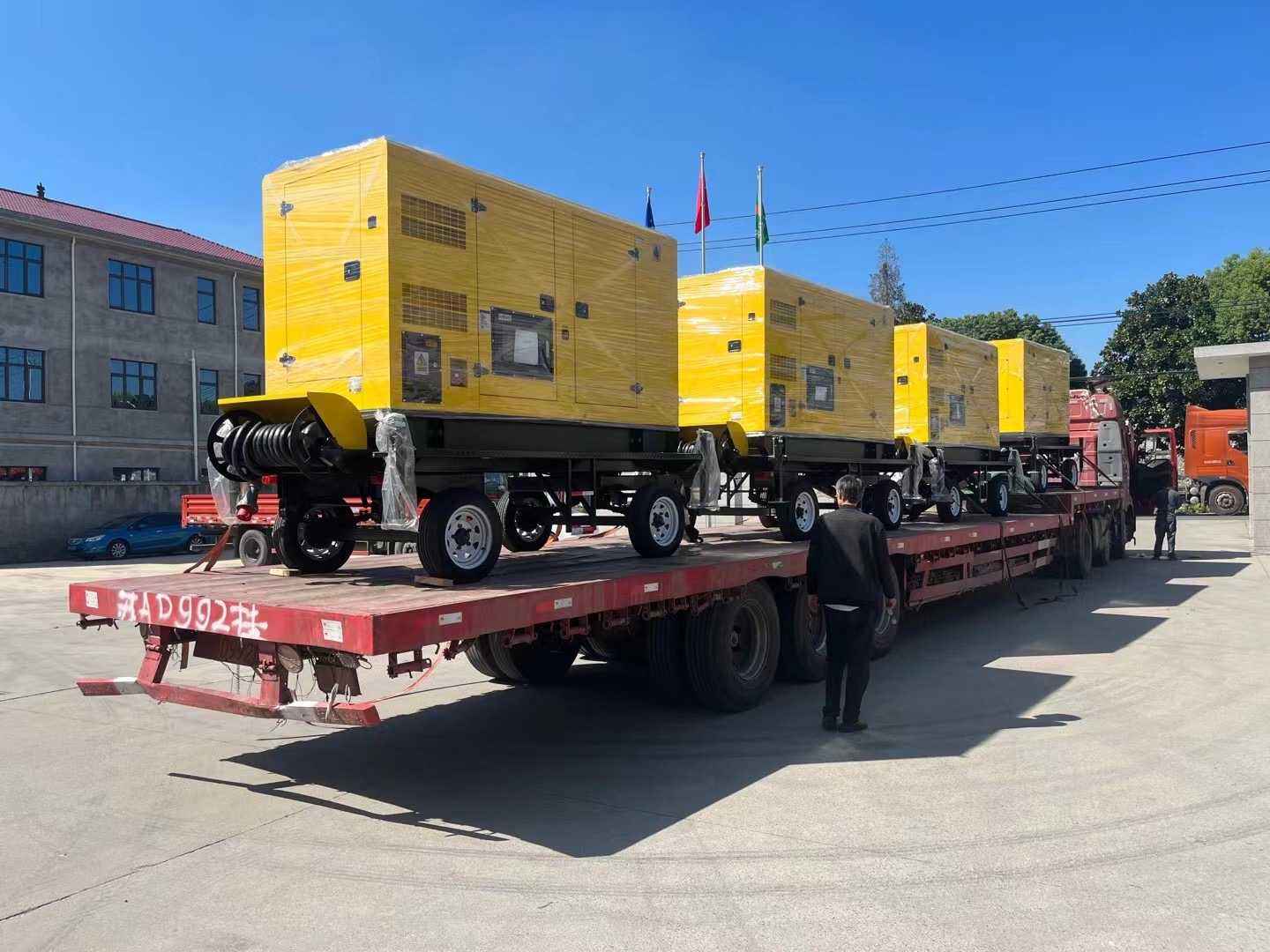
The engine intake, taken 300mm in front of the air filter housing, with the set at 70% load or more. A reading at the room door shows the air arriving, not the air the turbocharger receives, and the two differ by the heat the alternator and the exhaust add inside the canopy. Where the set is containerised, the reading belongs inside the box with the doors shut.
Take the reading on the hottest afternoon of the year if the site can arrange it, and note the load at the time. A room measured at 30% load looks comfortable and gives a figure the site will exceed in August. We have seen a container order where the bay reading was 47 ℃ at full load and the site survey said 38 ℃ at half load, and the design went out on the second figure. Tesla Power Equipment now asks for the load at the moment of the reading, because a figure without it can be halved by a careful surveyor.
Does the alternator derate on the same curve as the engine?
No, and the difference decides which of the two limits the set. Diesel generator ambient derating for a hot room is corrected on the engine first, and the alternator correction applies only where the winding is the tighter of the two. An alternator built to a class F insulation with a class B temperature rise holds its kVA further into the hot range than the engine holds its kW, because the winding is designed with a margin the engine does not have. On a set corrected to 45 ℃, the engine usually runs out first, and the alternator correction is a smaller figure applied at a higher temperature.
The order matters when the two are multiplied rather than added. A correction of 6% on the engine and 3% on the alternator gives a set capacity of 0.94 × 0.97 = 0.91 of the plate, not 0.91 by subtraction. The difference is small on one frame and material on a tender where four bidders each apply their own method.
How does the radiator behave in the same hot room?
The radiator loses effectiveness as the air it receives warms, because the temperature difference between the coolant and the air sets the heat it can reject. A core sized for a 40 ℃ inlet with a 15 ℃ approach has no approach left at 55 ℃, and the set then derates on coolant temperature rather than on air density. That is the second correction, and it is often the one that limits a container build.
A larger core helps and costs depth in the canopy. Diesel generator ambient derating for a container build meets the same problem in a smaller volume, where the outlet louvre is the whole of the free area. A remote radiator helps more and costs pipework and a second pump. The cheapest fix is usually airflow: a bigger outlet louvre, a straighter duct and a sealed recirculation path, which together can recover most of a 7 ℃ rise for the price of sheet metal.
What does humidity add to the correction?
Humidity adds a smaller correction than temperature and it acts on a different part of the machine. Moist air is less dense than dry air at the same temperature, so the engine loses a little output, and the effect is roughly 1% between 20% and 80% relative humidity at 40 ℃. The larger effect is on the alternator, where a humid room condenses on a cold winding after a shutdown and drops the insulation resistance.
A coastal site therefore carries two corrections: a density loss of about 1% and an anti-condensation heater on the winding. Chinese diesel generator suppliers rarely put either line on the offer unless the enquiry names the room, and the omission is invisible in a price comparison. The second is not a derating at all, and a supplier who offers space heaters as a derating remedy has answered a different question.
Where does the correction belong on the offer?
On the same line as the rating, stated as a corrected figure with the two basis values beside it. An offer that reads 330kVA at 40 ℃ is a different offer from one that reads 300kVA at 47 ℃ intake, and a buyer comparing the two headline numbers compares nothing. The line should also name the altitude, even at sea level, because a correction applied in sequence gives a different answer from one applied on top.
Ask for the intake temperature the supplier used and the chart that produced the figure. Diesel generator ambient derating for the plant room at 1500m carries a second correction, and the two figures apply in sequence rather than being added. Diesel generator ambient derating in a coastal room also carries the humidity line beside the temperature line. A supplier who answers with a number has a chart; one who answers with a paragraph has an opinion. The engineering notes on site planning cover the room data a buyer should collect, and the ISO 8528-1 rating definitions fix the reference condition both offers should quote, and the NFPA 110 emergency power rules set the room temperature a hospital set is tested at.
What do buyers get wrong about ambient derating?
The first error is using the local weather record as the room figure. A site in a 38 ℃ climate can hold 48 ℃ at the intake, and the ten degree gap is worth 3% of the frame. The second is applying the correction to the load rather than to the set, which inflates the required frame twice. The third is choosing a frame on the corrected figure and then fitting a canopy that adds another 5 ℃.
Chinese genset suppliers quote against the reference condition unless the enquiry says otherwise, and the practice is not dishonest so much as silent. A buyer who states the intake temperature, the altitude and the load receives an offer that can be built; one who states a load alone receives a plate figure that may not be reachable in the room.
- Measure the intake at working load, with the doors shut, on a hot day.
- State the altitude even at sea level, so the sequence of corrections is clear.
- Correct the engine first, then the alternator, then check the radiator against the corrected heat load.
Which records prove the correction was applied?
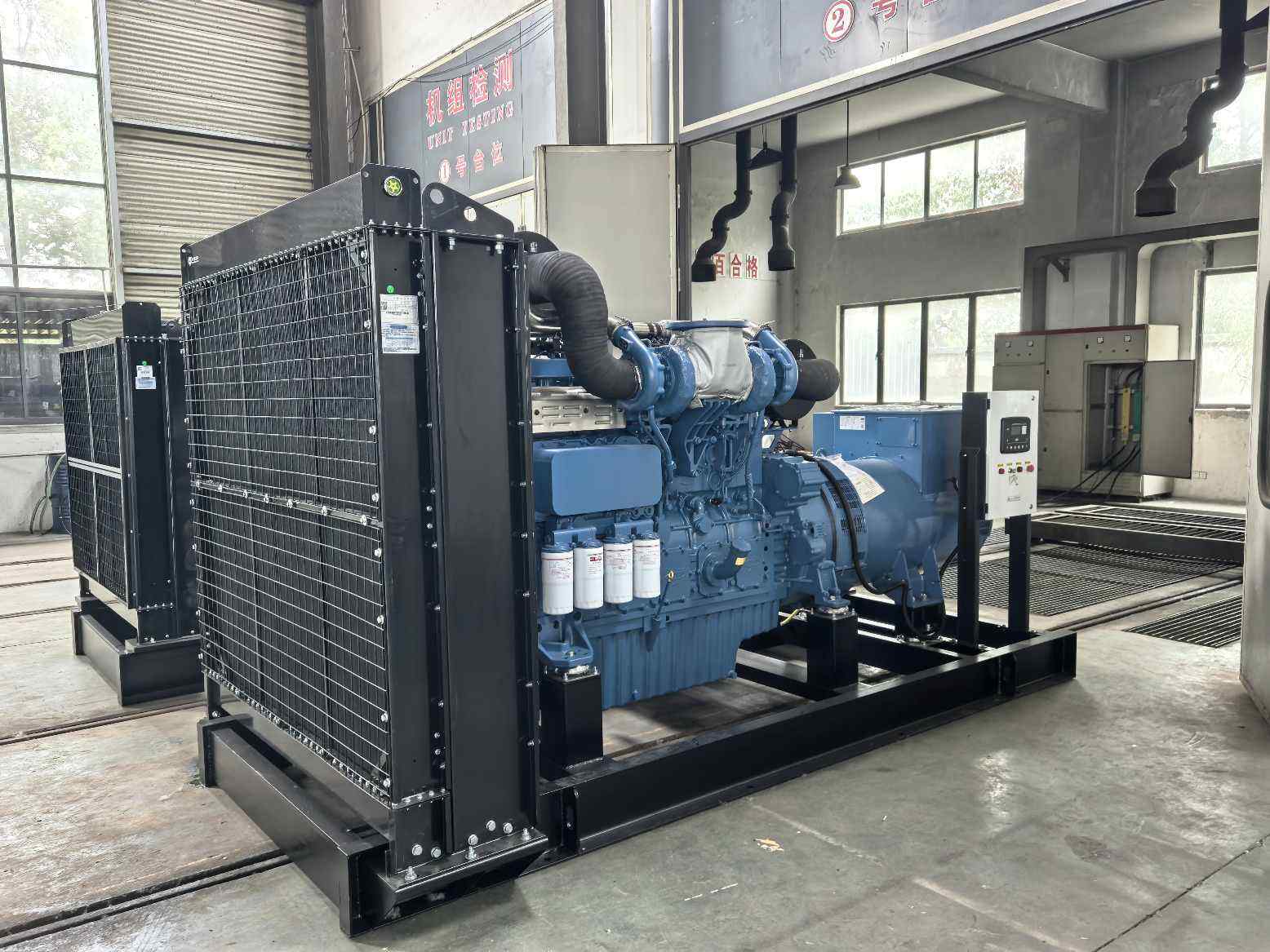
Three do. The offer carries the corrected figure with the intake and altitude beside it. The test sheet carries the ambient at the factory run, which is usually cooler than the site. The commissioning record carries the intake reading on the day, and the comparison shows whether the room performs as the survey predicted. The same frame appears in the 500kVA silent set with the ATS option, where the plate states the same basis.
Keep the three in the order file, because a warranty question about a hot shutdown is read against them. Yangzhou Tesla Power measures the intake with the doors closed on every order and records it beside the load bank figure, and the factory and the test bay keeps that record with the plate file. the 120kW set on the WP6 platform is corrected on the same sheet.
Conformity assessment for the assembly reads the corrected rating against the plate, and a mismatch is a file problem rather than a site problem. A genset for a hot climate therefore arrives with a chart rather than a promise. Send the room data to our export desk and the reply names the corrected frame.
Frequently asked questions about diesel generator ambient derating
About 0.3% per degree, which is the same as 3% per 10 ℃. A 330kVA frame loses roughly 9% of its figure at 50 ℃, and that figure is what the site plans against rather than the plate.
Most export sets are rated at 40 ℃, and some tropical specifications ask for 50 ℃. The plate should name the figure, and an offer that omits it is quoted at whichever point suits the seller. Tesla Power reads that figure on the site sheet before the plate is printed.
It adds to the intake temperature rather than to the chart. A canopy that lifts the intake by 5 ℃ costs about 1.5% of the rating, and a badly ducted one can cost twice that.
It usually can, because the winding is built with a temperature margin the engine does not have. The set then derates on the engine, and the alternator correction is a smaller figure applied at a higher temperature.
About 1% between 20% and 80% relative humidity at 40 ℃, which is small against the temperature effect. The bigger issue in a humid climate is condensation on a stopped winding, which space heaters handle.
It does, and the two multiply rather than add. A site at 47 ℃ and 1500m loses about 6% for temperature and 4% for altitude on a naturally aspirated engine, giving 0.90 of the plate.
It recovers the coolant side and leaves the air density loss in place. A remote radiator with a bigger core solves a 55 ℃ room, and the engine still derates on the thin air it breathes.
The reference rating, with the class and the power factor. The correction belongs on the offer and the test sheet, and the two are read together at handover. Tesla Power prints both for that reason.