
A diesel generator capacity margin is the spare capacity a set carries above the measured site peak. Tesla Power sizes it from the load record, applies it before the ambient correction rather than after, and the steps below show what to put on the enquiry before you request a quotation.
- Measure the peak first, because a margin applied to a nameplate total multiplies an error rather than covering it.
- Add the margin, then divide by the correction, since the two moves are not interchangeable and the order changes the frame.
- Check the largest motor start on its own, because one step can decide the frame when the steady block does not.
- Write both figures on the enquiry, so a supplier quoting against the range of frames the factory builds answers the same question.
What does a diesel generator capacity margin cover?
A capacity margin covers three things at once: the load a site adds after handover, the step a motor takes at start, and the gap between the ambient on the test bed and the ambient in the plant room. None of the three appears on a nameplate, and none can be read from a connected load total.
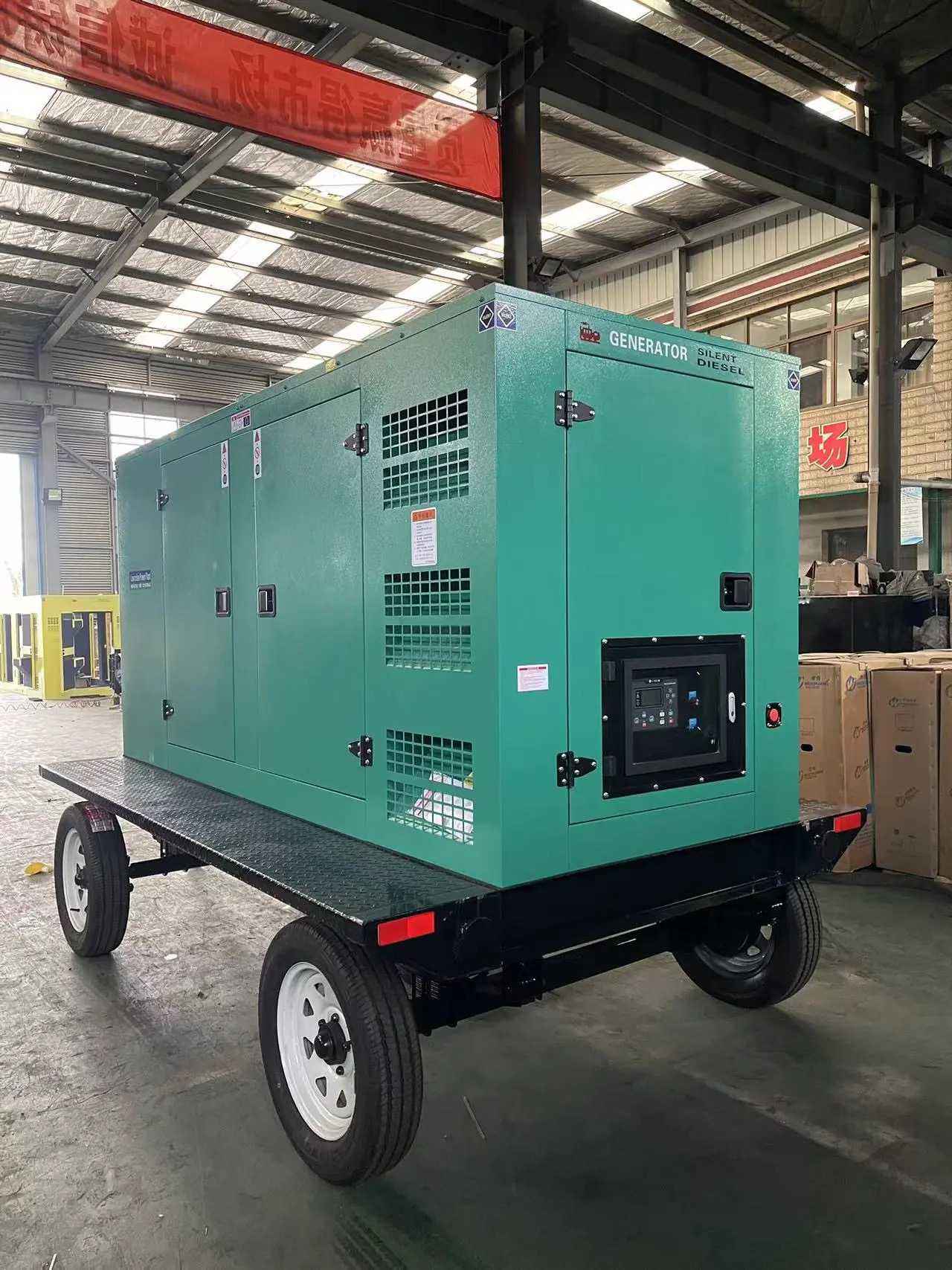
What the margin does not cover is a genuine overload. A set held at 95% of its plate figure for a shift is not carrying margin, whatever the offer says, and the exhaust temperature shows it before the hour meter does. Diesel generator manufacturers quote the plate figure rather than the duty the site will ask of it, and Chinese diesel generator suppliers quote the same figure against a different ambient basis.
The margin is a decision rather than a rule, and the site record decides it. A plant that adds a chiller two years after handover needs a wider margin than a plant with a fixed process, and a site that starts one large pump needs a wider margin again. Tesla Power asks for the expansion plan before quoting, because the answer moves the frame by one step in most cases.
How is the margin applied after the ambient correction?
Apply the margin to the measured peak, then divide by the correction factor. Doing it the other way round gives a smaller answer, and the gap widens as the ambient rises. A site at 45 ℃ with a 6% correction sees about 6% between the two orders, which is one frame step on a mid-size set.
Worked as one line, a site peaking at 200kW with a 20% margin needs 200kW × 1.2 = 240kW before correction, and 240kW ÷ 0.8 = 300kVA on the alternator at that power factor. A 320kW frame carries the corrected figure, and the difference between the two frames is what the ambient took from the margin.
| Step | Figure at each stage | What it decides |
|---|---|---|
| Measured peak | 200kW for the steady block | The starting point, taken from a recording |
| Margin added | 240kW at 20% | The load the site may add later |
| Apparent power | 300kVA at 0.8 power factor | The alternator frame |
| Correction applied | One step to 320kW | The engine frame on the offer |
Which loads need more margin than a steady block?
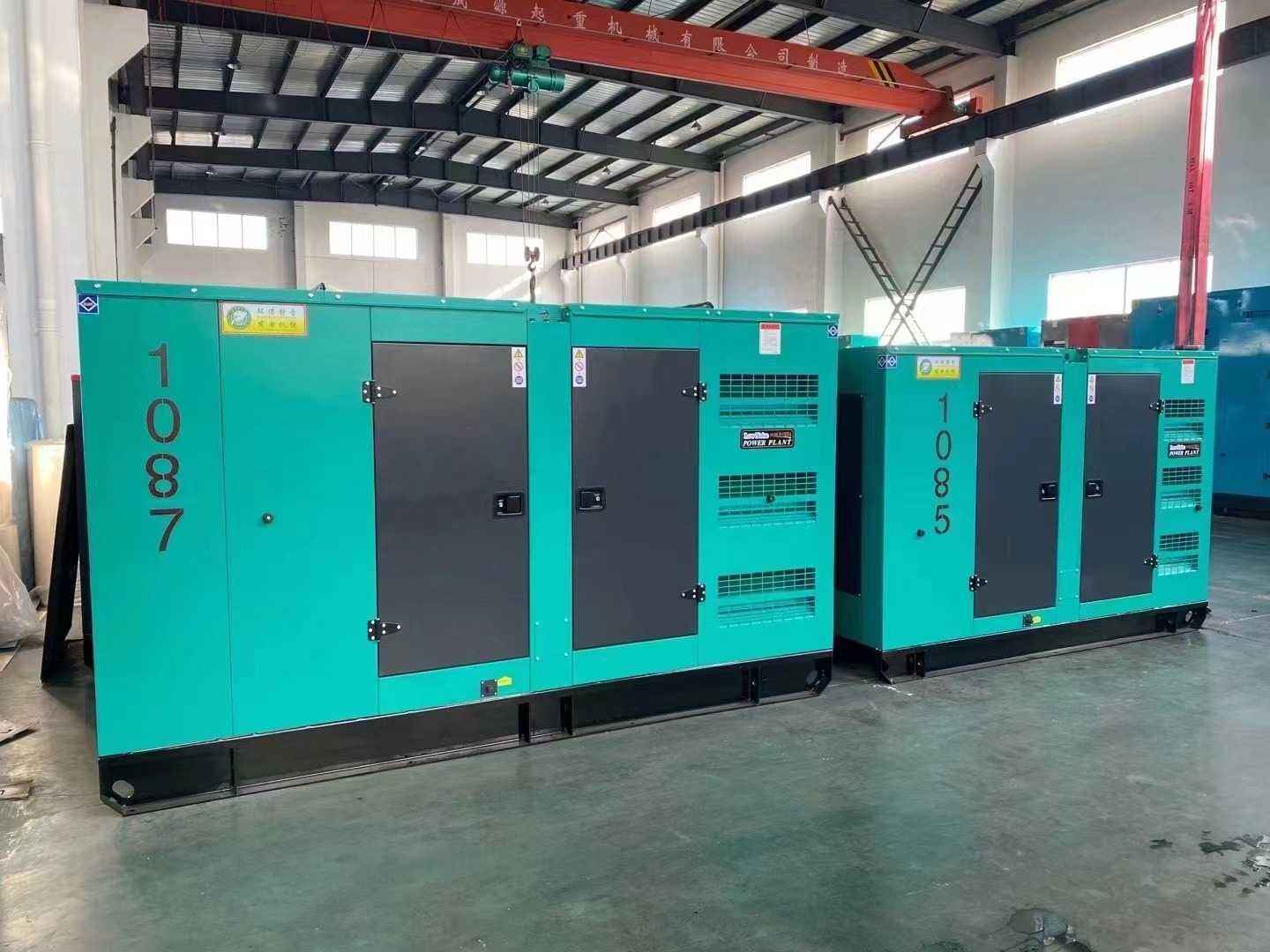
Three kinds of load need more. A motor started direct on line draws about six times its running current for two to four seconds, so the frame sees a step far above the steady figure. A group of loads that a control system restarts together behaves as one step, and the total arrives at once. A transformer or a large drive with a charging cycle pulls current long enough to drop the voltage.
A resistive block behaves differently. Heating and lighting arrive in steps the set absorbs without a dip, so 15% covers a site that is mostly resistive. The same 15% on a site with two 80kW pumps started direct on line leaves the frame short at transfer, and the dip shows on the controller history rather than on the invoice.
Tesla Power asks for the starting method of the largest motor on every enquiry, because a soft starter at three times running current and a direct on line start at six times describe two different frames. A diesel generator for standby duty carries that step differently again, since the transfer is the only time the full block arrives at once.
Where does a margin hide a real overload?
It hides behind a nameplate total. A site with 400kW of connected load may draw 190kW on a normal shift, and a buyer who applies 20% to the connected total asks for one frame step the site will not use. The frame is then oversized, runs at light load, and loads the exhaust with unburned fuel.
It also hides behind a duty class. A standby class allows a limited number of hours a year and no continuous overload, while a prime class allows a 10% overload for one hour in twelve. A site that buys a standby frame and runs it as a prime set has spent the margin on a rating that does not apply to its duty, and the warranty reads the hour meter rather than the intention.
What margin suits standby duty rather than prime duty?
Standby duty needs a narrower margin, because the set runs for hours rather than months. A hospital set that carries the site for two hours at a time can sit near 85% of its plate figure with a 15% margin, and the annual test proves it. A prime set on a mine site runs at that figure for weeks, so the margin has to cover wear as well as load.
The hours figure decides more than the margin does. A site expecting 40 hours a year reaches the calendar limit of a warranty schedule long before the hour cap, and a site expecting 2000 hours closes the cap inside a season. Tesla Power writes the expected hours beside the class on the offer, so the two lines are read together rather than as a rating and a footnote.
How do you check a motor start against the frame?
Check the step rather than the average, and take the inrush figure from the drive data sheet rather than from the rated current. The two differ by a factor that decides the frame, and the sheet carries both. A soft starter holds the step near three times running current and removes the second step a star delta start adds.
That change often removes the need for a larger frame, and it costs less than the frame does. Our commissioning sheets record the dip at transfer for that reason, because a site that tolerates 12% recovers without a setting change and a site that tolerates 5% does not. We started recording it after a quarry where the second pump tripped the set on every transfer, and a soft starter fixed what a larger engine would only have hidden.
Which documents show the margin on an export order?
Three documents carry it. The offer sheet shows the corrected figure and the margin as a line rather than a paragraph. The data sheet shows the ambient and the altitude basis the correction was taken from. The nameplate shows the class, the frequency and the power factor, and each field is checked at the port against the file.
A margin written into a covering letter does not survive a change of salesperson, and it does not survive a change of site engineer either. A line on the offer does, and it is the line a warranty question is read against two years later. Diesel generator documentation for ISO 8528 is the package that keeps the three together.
The the ISO 8528-1 rating framework sets out the duty classes both offers have to name, and the NFPA 110 emergency power rules add the monthly test a hospital site follows. Tesla Power Equipment prints both bases on the offer for the same reason.
How does a container build change the figure?
A container build carries the same load and a different correction. The intake sits lower, the air inside the box is warmer than the yard, and the louvre free area sets the volume that reaches the radiator. A site at 40 ℃ outside may see 47 ℃ at the intake, and the margin has to be taken against the higher figure.
That difference costs about 2% of the rating per degree at that point, so a seven degree gap removes close to 14% of the plate figure before any load arrives. The 500kVA silent set with the ATS option carries its derating chart beside the plate for that reason, and the chart is what a tender should be read against.
What should a buyer send with the enquiry?
Send four items and the reply becomes a schedule rather than a price. The measured peak with the recording period named, the ambient at the set, the altitude, and the largest motor with its starting method. Those four let a supplier apply the margin and the correction in the right order without asking a second question.
Add the expansion plan if there is one, and the expected hours a year. Both change the class rather than the frame in most cases, and both are cheap to state at enquiry stage. Conformity assessment for the assembly reads the same four items against the file at the port, which is why an incomplete enquiry returns as a question rather than a quotation. Tesla Power sends a one page site sheet for the four items, and a completed sheet shortens the reply to a single round.
A diesel generator for a plant room with limited louvre area needs the room figure rather than the yard figure, and a diesel generator in parallel operation with a second set needs the step shared between the frames rather than the full step on one. Our test bay measures the intake figure with the doors closed, which is the condition the set meets in service. We record it with the load bank at 80% of the rating and the ambient noted beside it, and the record travels with the set.
Which figure should be checked at handover?
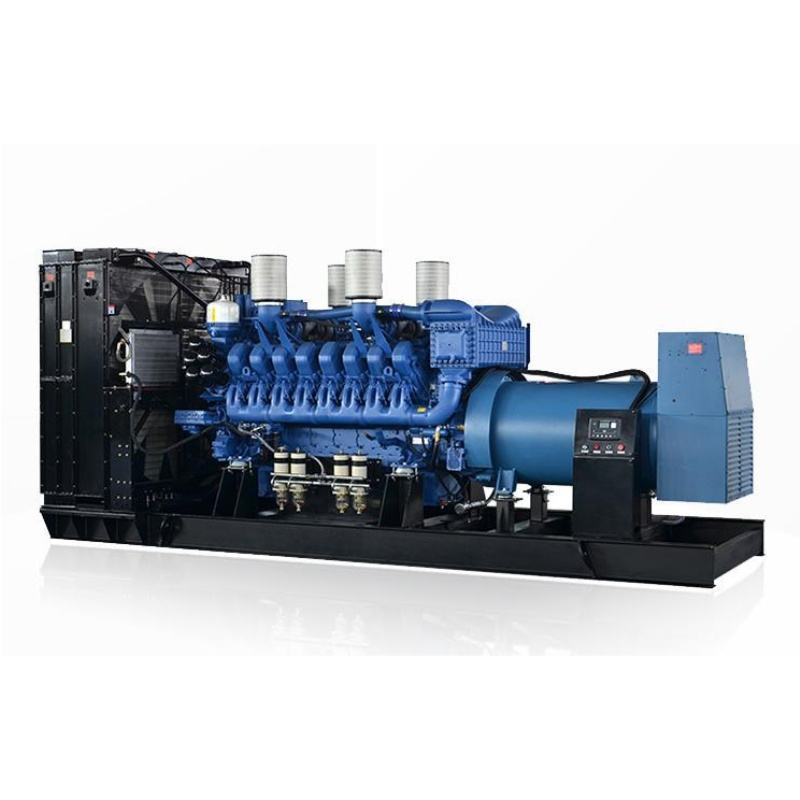
Check the current recorded at the rating point during the commissioning run, with the ambient noted beside it. A figure without the ambient cannot be compared with the factory test, and a figure taken on a cool morning flatters the set. The engineering notes on site planning set out the record sheet we issue with each order.
A second check runs a year later. A site that adds load over five years reaches the frame limit quietly, and the first sign is a trip on the largest motor rather than a rising bill. A load test at 80% of the rating for two hours each year catches the drift while the answer is still a setting, and the factory and the test bay issue the schedule that tells a site crew what to record.
Frequently asked questions about diesel generator capacity margin
It covers a steady site with small steps and no expansion plan. A site with one large motor started direct on line needs 30%, and a site that expects to add a chiller needs 35%. Take the figure from the load pattern rather than from habit, because the pattern is what the frame sees. Tesla Power writes the pattern beside the figure for that reason.
Add it before, then divide by the correction factor. The two orders differ by about the size of the correction, and the gap widens as the ambient rises. A site at 45 ℃ sees roughly 6% between the two answers, which is one frame step on a mid-size set.
It usually costs less to install, because one set needs one breaker, one base and one exhaust run. Two smaller sets give redundancy that a single frame cannot, and the switchgear for load sharing is the price of that. The maintenance work also doubles with two engines.
It can, and the cost appears in the exhaust rather than in the invoice. A frame held below 30% of its rating for long periods runs cool, and unburned fuel deposits on the injector tips. A site that over-buys capacity by two steps meets that failure mode inside a year.
It removes capacity before the load arrives, at about 4% per 1000m for a naturally aspirated engine and less for a turbocharged one. A site at 1500m therefore needs the margin and the altitude correction applied in the same sequence as the ambient.
The rating at the stated class, with the frequency and the power factor beside it. The nameplate does not carry the site correction, and a plate that omits the class leaves the rating open. That gap is the one a customs inspection finds first.
The buyer states the site figures and the supplier states the basis it used. A tender that names the peak, the ambient, the altitude and the expected hours gives every bidder the same starting point, and four offers built on that can be compared line by line.
The margin is the smallest part of the enquiry and the one that decides the frame. Yangzhou Tesla Power asks for the four site figures first, applies the margin, then checks the correction, and our export desk answers in that order.