
Diesel generator coolant type sets the inhibitor package, the freeze point and the service interval, so read the specification before you compare supplier offers. Tesla Power keeps the coolant record with the test file; send the site climate to the technical desk and we confirm the mix before the set ships.
- Read the engine maker sheet and the fill volume before you approve a substitute product.
- Check the freeze point against the coldest night on site, not against the average winter.
- Do not top up an organic acid system with an inorganic product, even in an emergency.
- Keep the coolant batch number with the test record so a warranty claim can be traced.
What does diesel generator coolant type decide on site?
Coolant choice fixes three figures on the engine sheet: the freeze point, the boiling margin and the inhibitor life. A 50 % glycol mix protects to about -37 C and lifts the boiling point near 108 C inside a pressurised system, which is the figure that decides whether a hot plant room boils the jacket. The wrong mix moves all three at once.
Read the engine maker sheet before you accept a substitute. Most industrial engines ship with an organic acid specification, and pouring an inorganic product into that system drops silicate out of suspension. The deposit then coats the liner and the pump seal, and the first symptom is a slow leak at the seal rather than a temperature alarm. Tesla Power records the approved fluid on the engine plate file, and the 500kVA silent set with ATS changeover states the fill volume for a frame of this size.
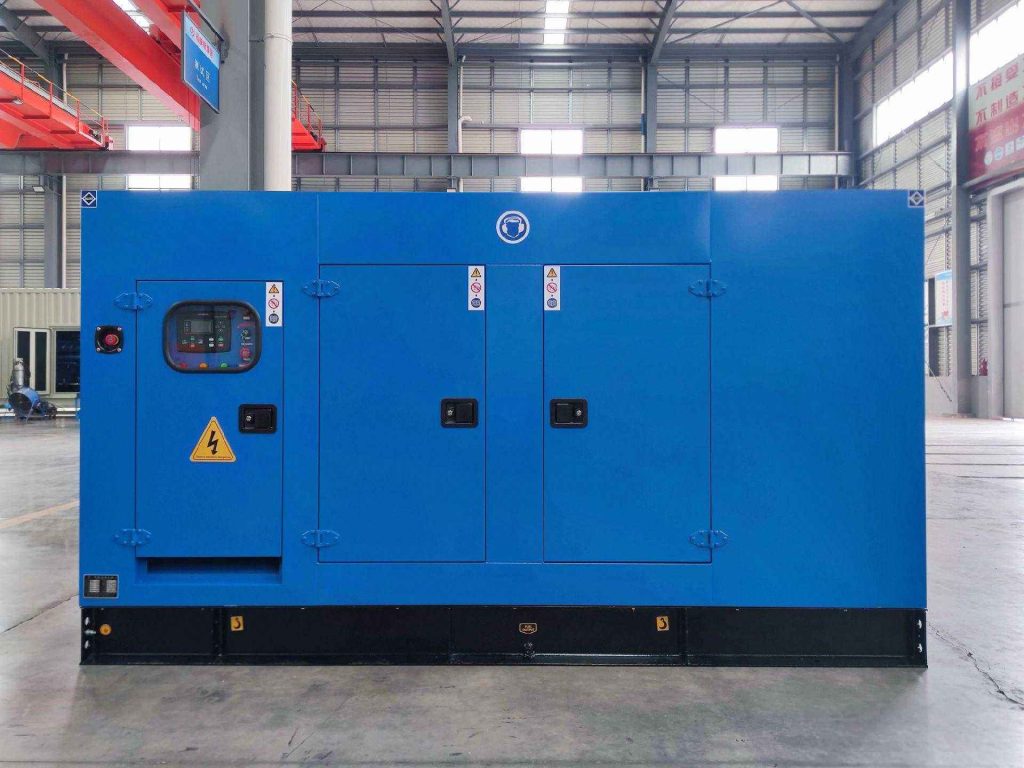
Which coolant chemistry suits an export engine?
Three families reach an export order: inorganic acid technology, organic acid technology and a hybrid of the two. Inorganic products protect bare iron quickly and need a supplementary additive at mid life. Organic products hold their inhibitor longer and suit engines with aluminium heads and brazed coolers. A hybrid covers a mixed metals circuit where the buyer cannot confirm every material. Ethylene glycol carries heat better than propylene glycol, and the propylene version is chosen only where a spill could reach a water course.
Ask the engine maker which family the build was filled with at the factory, because the two families cannot be swapped without a full flush. A drum that names no family is not a specification, and a colour match proves nothing. Tesla Power lists the approved family on the engine plate file, and the table below shows what each one means for a buyer comparing two offers on the same rating.
| Coolant family | Service life on standby | Where it fits |
|---|---|---|
| Inorganic acid | 2 years, with a mid life additive | Older iron engines with a copper radiator |
| Organic acid | 5 years or 4000 h | Aluminium heads and brazed plate coolers |
| Hybrid organic | 3 years or 3000 h | Mixed metal circuits with an unknown history |
| Waterless | Life of the engine, if kept undiluted | Sites that cannot risk a wet top up |
How is the freeze point checked against the site climate?
Take the coldest recorded night for the site, subtract a margin of about 10 C, and read the concentration that protects to that figure. A coastal yard that stays above freezing all year still needs corrosion protection, so the concentration stays near 40 % for the inhibitor rather than the freeze point alone. Diluting for cost is the most common mistake on a warm site.
The check is a refractometer reading on a sample drawn from the radiator top tank, taken cold. A reading in percent glycol converts to a freeze point on the chart the supplier prints on the drum, and the two figures should agree. Where they disagree the sample is contaminated with the wrong product, which is why Tesla Power asks for the reading rather than the drum label, and the framework in the ISO 8528-1 duty definitions sets the rating basis the engine was tested against.
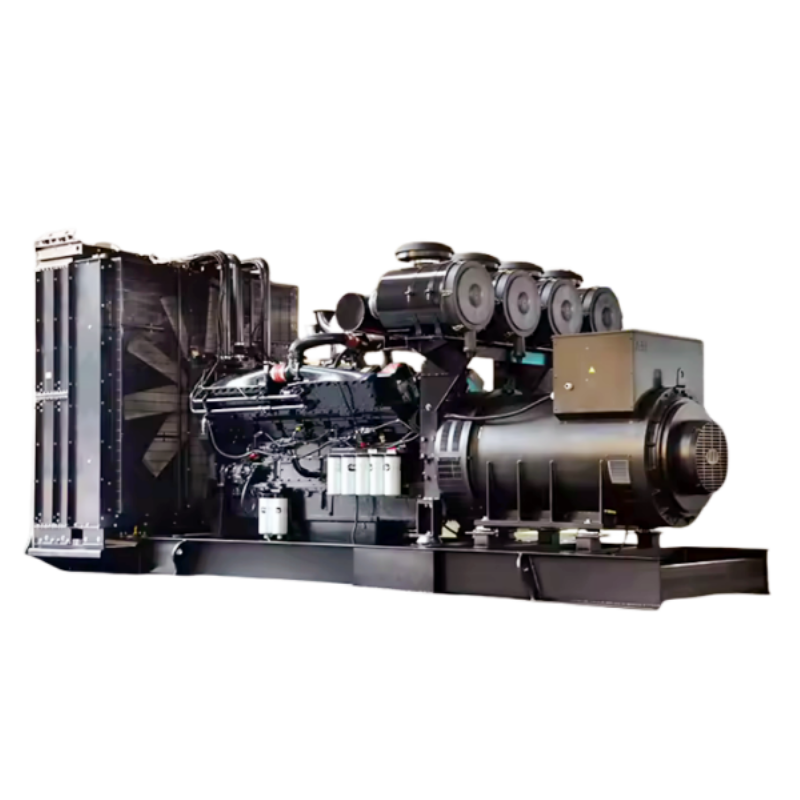
What happens when two coolant types are mixed?
Mixing an inorganic product into an organic system turns the inhibitor into a gel. The gel blocks the radiator core tubes first, then the oil cooler, and the engine overheats at a load it handled before. Silicate gel is the usual culprit, and it does not dissolve once it forms. A full flush with a neutral cleaner is the only repair, and the core may still need a rod out.
The flush itself takes time on site, so the cheaper answer is a labelled fill point and one approved product per site. Keep a spare drum of the approved fluid in the store and write the specification on the store board. Buyers who run several sites often standardise on one family across the fleet, and the the commissioning notes lists the frames that ship with the same fill point.
How is the concentration verified in service?
A refractometer or a test strip read at every service interval catches a slow dilution before it becomes a leak. Dilution comes from a head gasket weep, a top up with water, or a leaking cooler core, and all three show as a falling concentration with no visible loss on the floor. Record the reading beside the hour meter figure so the trend is visible.
The service sheet should carry the reading, the product name and the batch number, because a warranty claim is settled on that record rather than on the invoice. Tesla Power Equipment issues the same sheet with every export set and asks the operator to keep it with the log book, and the build range explains how the interval is set from the annual hours rather than from the calendar.
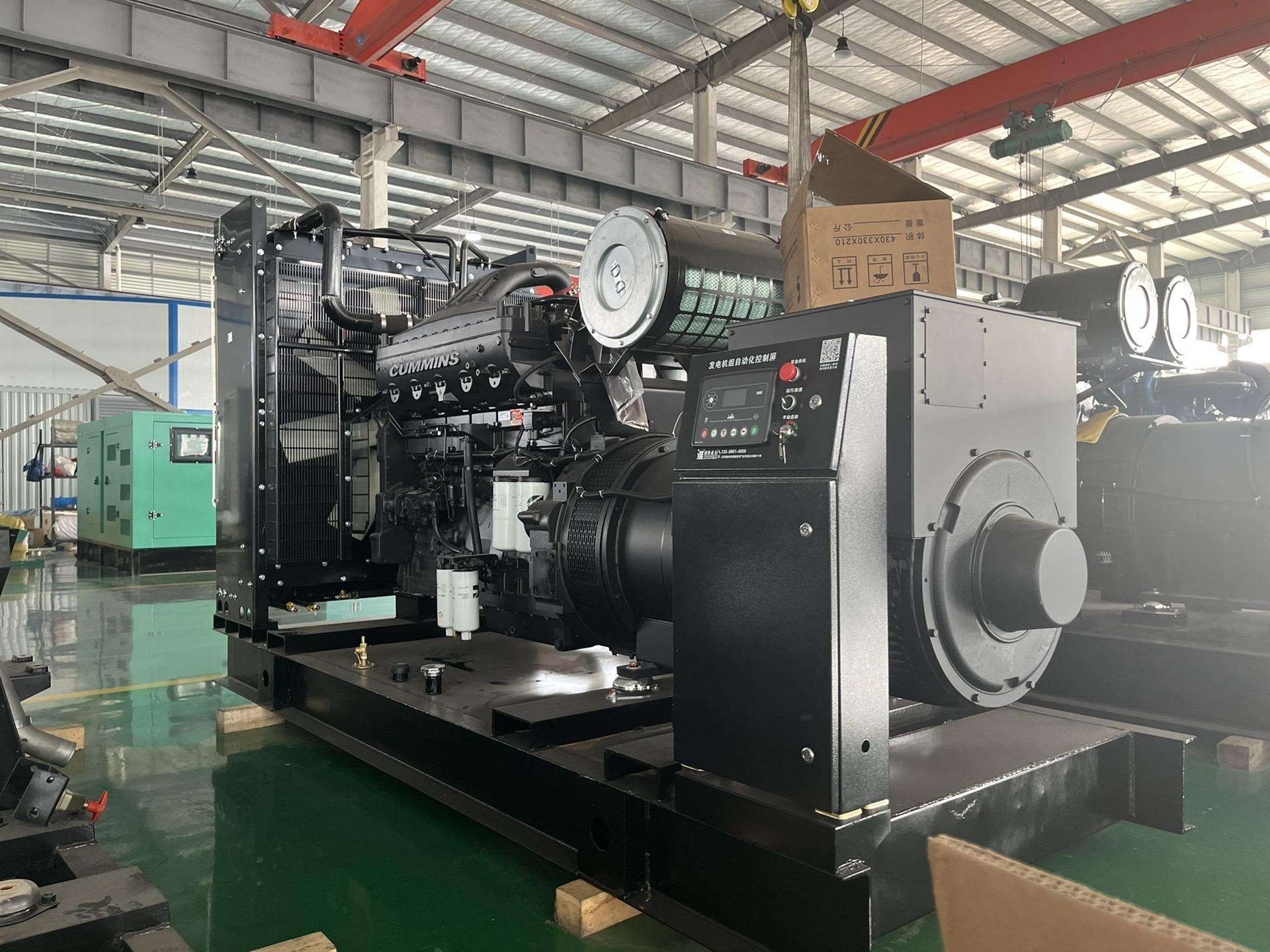
Which records prove the coolant choice was correct?
The file needs four items: the engine maker specification, the fill volume, the batch number and the service reading. A 500kVA set on standby duty runs about 20 h a year at an average of 60 % load, so the jacket sees 12 h of full heat a year: 20 h x 0.6 = 12 h. That low figure is why the inhibitor life, not the freeze point, sets the change interval on a standby site.
Store the four items with the serial number so the next technician reads the same story. A buyer who cannot produce the batch number cannot prove the fill was correct, and the claim then turns on opinion rather than on paper. Ask the supplier to print the batch on the handover sheet at the same time as the load test record.
How should a buyer compare two coolant offers?
Compare the specification first, the fill volume second and the price last, because a cheap drum that fails the engine maker sheet costs a flush and a pump seal. Ask each supplier to state the family, the freeze point and the inhibitor life in writing on the offer, then check all three against the engine plate. Tesla Power reads the same three fields before any set is released, and offers that omit the family are not comparable.
The vocabulary matters as much as the figure. Diesel generator manufacturers in China usually quote the family and the freeze point together, and Chinese diesel generator suppliers often add the batch record on request. Ask for diesel generator coolant for cold stores, diesel generator coolant for a desert site and diesel generator coolant in a coastal plant as three separate cases, because each one changes the concentration. Add the diesel generator CE marking requirements and the diesel generator documentation for export to the enquiry.
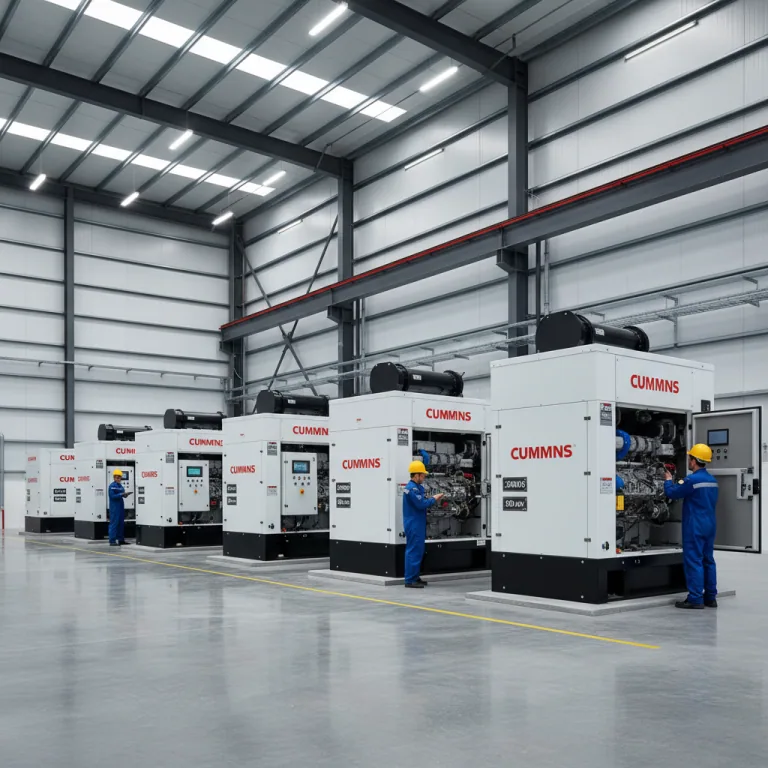
What does the site crew need at handover?
The crew needs the fill point location, the approved product name and the concentration to hold. Write all three on a label beside the filler neck, because a technician on a night shift will not read a manual. State the flush procedure in one page and name the cleaner, since a wrong cleaner leaves its own residue in the core.
Handover should also cover the disposal route, because drained glycol is a controlled waste in most markets. Yangzhou Tesla Power puts the label, the flush page and the disposal note in the same folder as the wiring diagram, and the Yangzhou factory describes the test bay where the fill is recorded before the set is packed. the NFPA 110 maintenance routine sets the framework the engine was rated against, which is the reference the coolant specification is written to.
Frequently asked questions about diesel generator coolant type
Yes, because the maker states one approved family and treats any other fill as an unapproved modification. A claim is settled on the batch record and the service reading, so keep both with the log book. The handover sheet names the approved family in writing so the operator can prove the fill was correct at the first service.
Only as a roadside measure, and not with the engine at load, because water boils near 100 C and carries no inhibitor. Drain and refill with the approved mix as soon as the leak is closed. Running water for a week usually costs a water pump seal and a liner pitting repair.
No, because protection peaks near 60 % and falls again above 70 %, while heat transfer drops across the whole range. A 50 % mix is the usual export fill for a temperate site. Very cold sites need the chart reading rather than a guess, so ask the supplier for the curve on the drum.
At every service interval and after any top up, which on a standby site means once a year. A prime power site tests every 500 h because the engine works harder and the dilution risk rises. Write the reading beside the hour meter so a trend is visible.
Yes, because a copper brass core tolerates an inorganic product that would attack an aluminium core. The engine maker sheet names the approved family for the build, and the radiator is part of that build. Do not choose the fluid from the radiator alone, since the head and the cooler also matter.
Draw a sample and read it on a refractometer before adding anything, then flush if the reading does not match the sheet. An unlabelled drum is an unknown product and cannot be mixed with confidence. Tesla Power ships each set with a labelled fill point so this case does not arise on delivery.