
Diesel generator DPF regeneration is the soot burn that clears the particulate filter, and a standby set often stays below the temperature it needs. Read what starts the burn, what blocks it and what the record shows, then compare two offers. Tesla Power states the burn basis with the set, so write to our sales desk.
- Ask for the exhaust temperature the burn needs, not the figure the catalogue quotes at full load.
- Check whether the burn is passive or active, because the two need different hardware and fuel.
- Look at the annual running hours, since a set on two hundred hours cannot clear its own filter.
- Ask what pressure differential triggers a service, because that figure sets the maintenance plan.
What does diesel generator DPF regeneration need to start?
A burn starts when the filter face reaches a temperature high enough to oxidise the soot the engine has collected, and that figure sits near 550 °C for the carbon a diesel engine leaves behind. Below it the soot collects faster than it oxidises, so the filter loads until the pressure differential across it reaches the service trigger. Tesla Power Equipment states the trigger on the data sheet rather than leaving the buyer to infer it from a warning lamp.
The temperature is a property of the exhaust and not of the filter, so the load the set carries decides whether a burn can happen at all. A set held at three quarters of its rating puts the filter face well above the threshold, and the same set at a tenth of its rating does not, which is why the duty class and the filter specification have to be read together before either is chosen.
Why does a standby set fail to clear its own filter?
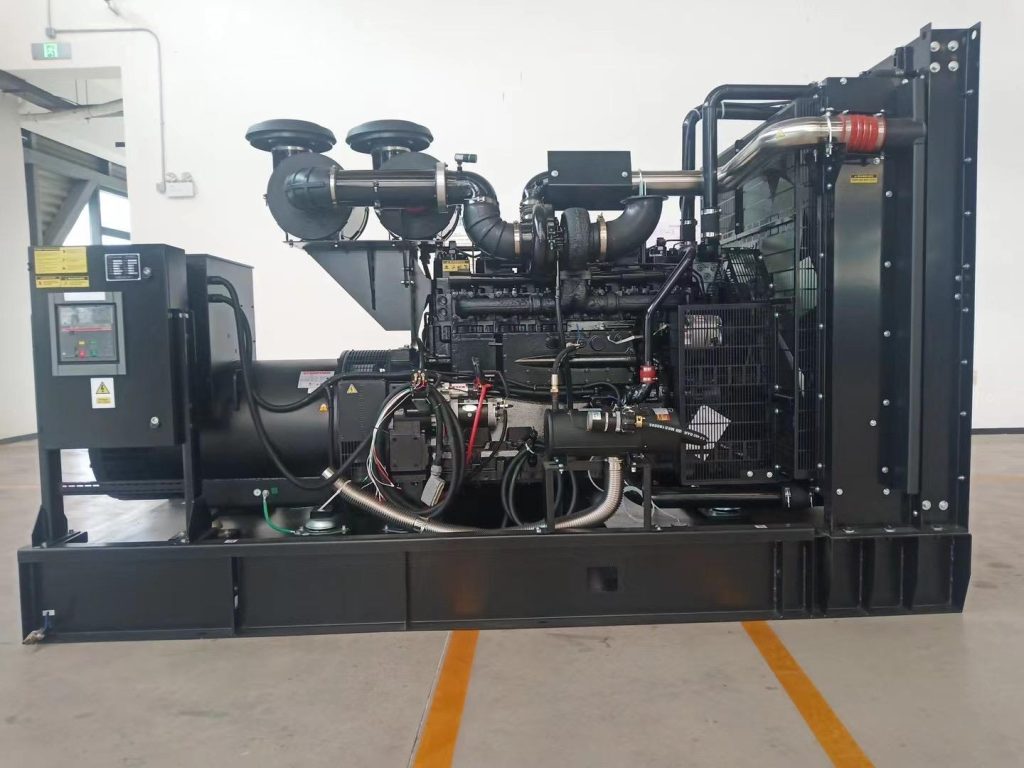
A diesel generator for a standby site spends most of its life at rest and most of its running hours at a light load, and both habits work against the filter. A test run of thirty minutes at a quarter load raises the exhaust to a temperature that drives off water and light hydrocarbons and leaves the carbon in place, so every test adds a little soot and removes almost none. After a season of monthly tests the filter carries a load that no test run will clear, as the site power notes set out.
The engine also produces less nitrogen dioxide at light load, and nitrogen dioxide is what makes a low temperature burn possible. A set that does not work hard loses both routes to a clean filter at once. The annual hour count is a filter input rather than a fuel figure, because a set on two hundred hours a year needs a different exhaust strategy from one on four thousand.
| Running pattern | Filter duty | What it means for the order |
|---|---|---|
| Monthly test at a light load | No burn, steady soot gain | Plan a forced burn on a load bank |
| Weekly test at half load | Partial passive burn | Check the temperature at the filter face |
| Prime duty near rating | Continuous passive burn | Ash life becomes the limit, not soot |
| Emergency only, under 50 h a year | Filter loads and stays loaded | Ask whether a filter is the right answer |
| Two shifts a day at 70% | Stable cycle, slow ash gain | Record the differential trend from day one |
What exhaust temperature does the burn actually need?
A passive burn runs from about 250 °C where nitrogen dioxide is present, and an active burn lifts the exhaust to roughly 550 °C by injecting fuel downstream of the engine. The two figures describe different hardware, so a buyer who asks for a filter without naming the burn has asked for half a system. Tesla Power quotes the burn type beside the filter volume, because the volume means nothing without the temperature that clears it.
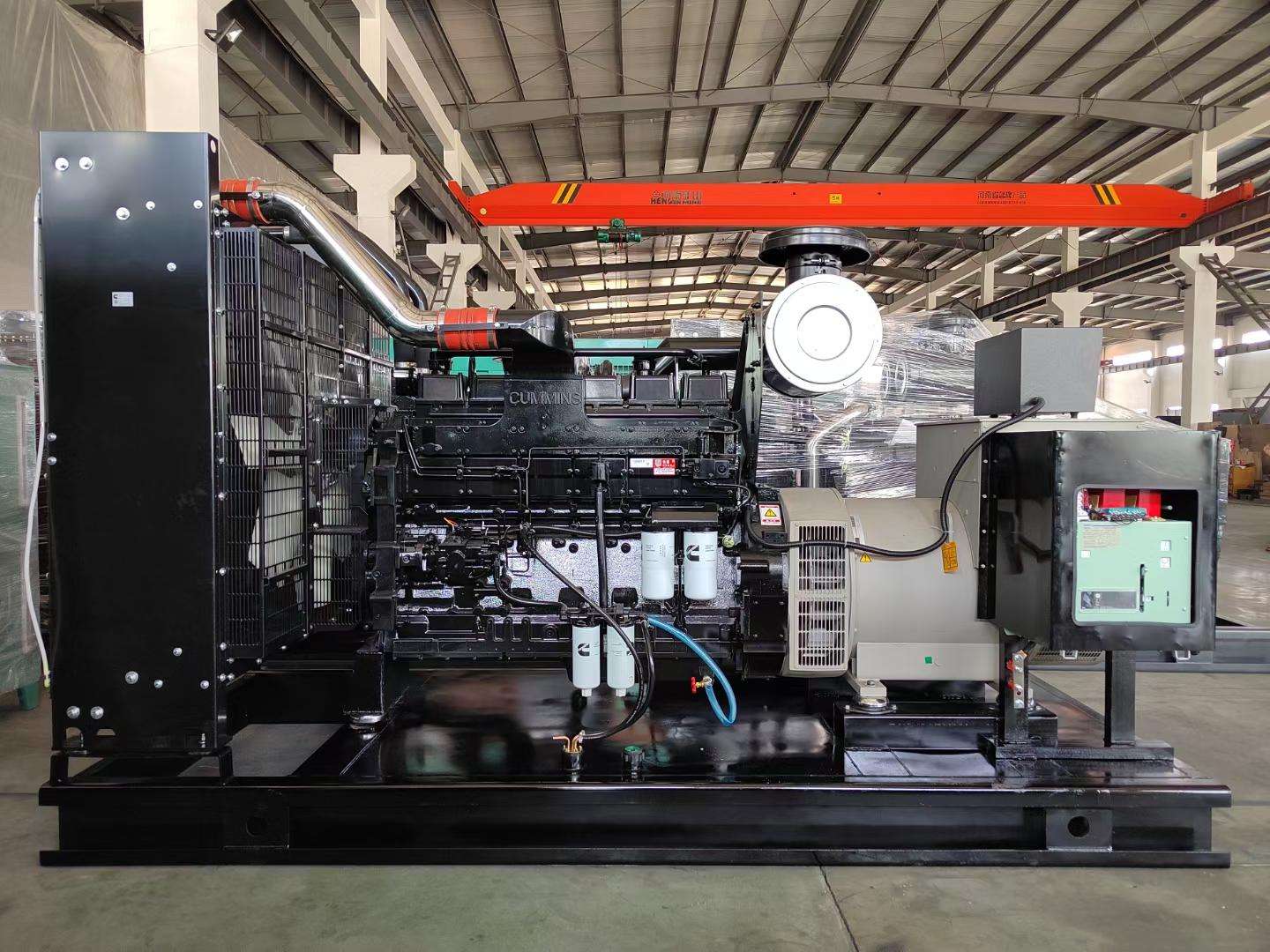
Exhaust temperature falls with load long before it falls with speed, so a set held at rated speed and a quarter load reports a healthy frequency and an exhaust that will not burn anything. The temperature also drops across the turbocharger and again along the pipe, which is why the figure that matters is read at the filter face and not at the manifold, and why the 500kVA silent unit is quoted with the probe point drawn on the exhaust line.
How is a burn scheduled on a set that rarely works hard?
A forced burn is scheduled the way any other maintenance task is scheduled, with a load, a duration and a record. The set is brought to a load that holds the filter face above the burn temperature, kept there until the differential falls back to its clean figure, and then returned to standby. On a site with no load to spare a resistive bank provides that load, and the burn becomes a planned outage rather than an unplanned failure.
The duration is set by the differential and not by the clock, because a heavily loaded filter takes longer to clear than a light one. A burn stopped early leaves part of the soot in place and the next burn starts from a worse position. A diesel generator in a plant room with no spare feeder needs the bank written into the site plan, and the duty class behind that plan follows the ISO 8528-1 rating limits.
What does a loaded filter cost before it is serviced?
A loaded filter raises the pressure the engine has to push its exhaust through, and that back pressure is subtracted from the power the set can deliver. The visible effect is a set that no longer reaches its rated output at the same fuel rack position, and the hidden effect is a higher exhaust temperature upstream of the filter, because the work of pushing through the restriction ends as heat. Tesla Power measures the differential at every service so the trend is visible before the symptom is, and the standby set range lists the filter volume each frame carries.
The arithmetic is small per hour and large per year. A 400kVA set at 0.8 pf carries 320kW, so 400kVA × 0.8 = 320kW is the figure the list has to stay under. A clean filter reads about 2 kPa and a loaded one about 8 kPa, and the fuel penalty on a restriction of that size sits near 1% of the hourly burn, so a set on four thousand hours a year pays for the burn several times over.
Which records prove the burn happened?
Three records prove it: the differential before the burn, the differential after it, and the exhaust temperature held for the duration. A trace of temperature alone shows the set was hot and does not show the filter was cleared. A differential reading alone shows the filter changed state but not whether the change came from a burn or from a sensor fault, and the two records read together close that gap under the NFPA 110 weekly inspection.
The ash figure belongs in the same file, because ash from the lubricating oil additive package does not burn and cannot be cleared by any regeneration strategy. Ash accumulates for the life of the filter and appears as a clean differential that keeps creeping up after each burn. Yangzhou Tesla Power records the ash trend apart from the soot trend, so a buyer can see when the filter nears the end of its service life rather than finding out at a failure.
What should the order state about the filter?
The order should state the burn type, the temperature the burn needs, the differential that triggers a service and the load the site can provide for a forced burn. Those four lines turn a filter from a component into a maintenance plan, and a supplier who cannot fill them has quoted a part rather than a system. Most diesel generator manufacturers quote the filter volume and stop there, which leaves the buyer to discover the burn requirement after the set is on site, and the Yangzhou test facility can show what a burn record looks like for a comparable frame.
Fuel sulfur belongs on the same page, because a high sulfur fuel produces sulfate particulate that loads the filter faster and can poison the catalyst a passive burn depends on. Chinese diesel generator suppliers who state the sulfur limit their filter is built for are easier to compare than those who quote against an unspecified fuel, and a diesel generator for the first year of service pays for the difference in filter services rather than on the quotation.
What does the handover file carry for the filter?
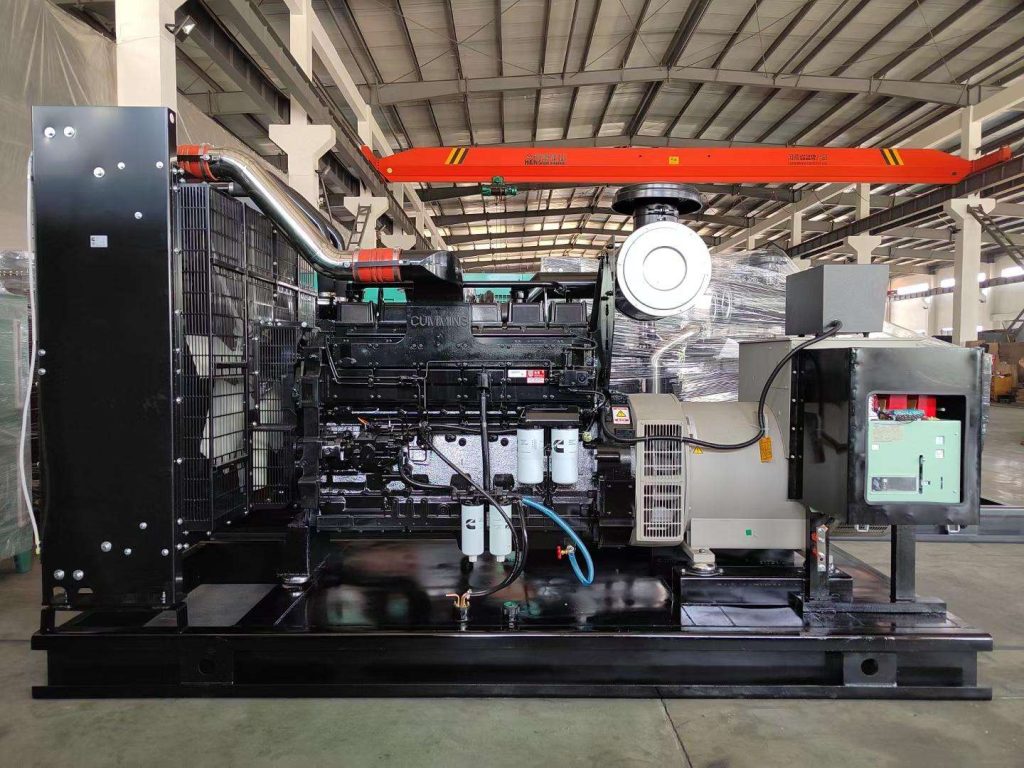
The handover file carries the burn type, the clean differential, the service trigger and the ash trend from the works test, all on one sheet with the serial number. A buyer who reads it can tell whether the set was tested at a load that would burn or only at a light load that proves the alternator and says nothing about the exhaust. Tesla Power issues that sheet with the set, so the first service on site starts from a measured baseline.
The file also carries the load the site must provide for a forced burn, given as a share of the rating and as a duration, because that is the figure a site electrician needs when the warning lamp appears. Diesel generator documentation for a filter service is only useful when it names that load, and the bay where the differential and the temperature are logged together is the one a buyer should ask to see.
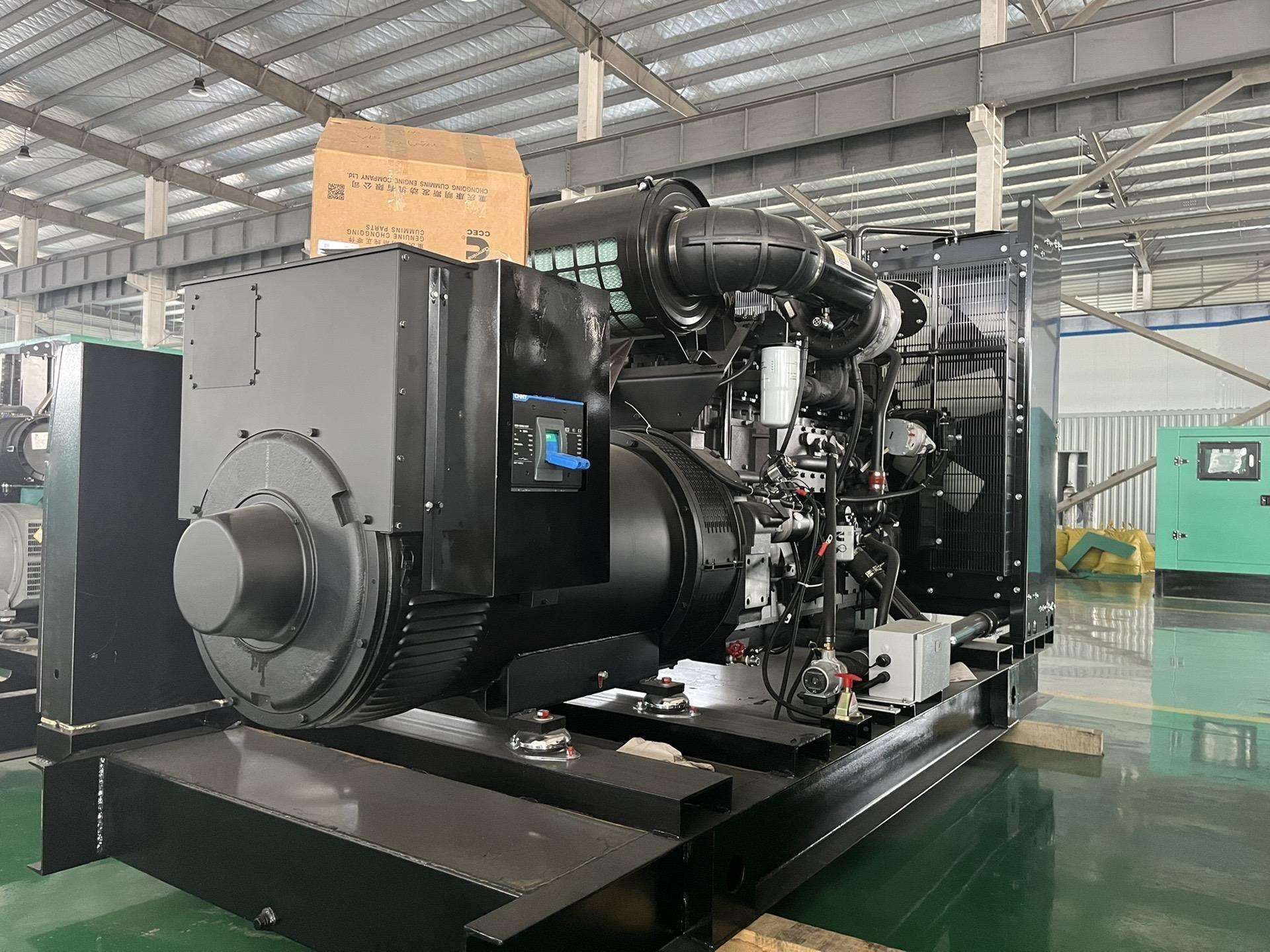
Send the annual load list and the fuel specification with the enquiry, and the filter, the burn type and the service plan come back as one answer instead of three components that have to be reconciled on site. Tesla Power writes that answer into the offer, so the filter duty is visible before the order rather than after the first warning lamp.
Frequently asked questions about diesel generator DPF regeneration
It can when the site has a load that holds the filter face above the burn temperature for long enough. A set on monthly tests at a quarter load does not, because the exhaust stays below the threshold and each test adds soot. The practical answer on most sites is a bank burn on a schedule.
It cuts the sulfate part of the load and protects the catalyst, and it does not remove the carbon. Soot still collects and the temperature needed to oxidise it is unchanged. Low sulfur fuel makes a passive burn more reliable rather than replacing it.
The interval follows the differential and not a calendar. A set on light duty may need one every few months and a set on prime duty may need none at all. Read the trend and let the trigger set the date rather than the other way round.
The soot that was not oxidised stays in the filter and the next burn starts from a higher differential. Repeated partial burns leave a filter that does not return to its clean figure. Run the burn until the differential settles, then stop the bank.
It reduces the output by the back pressure it adds, and the loss grows as the filter loads. A clean filter costs little and a loaded one costs more. The rating on the plate assumes a filter inside its service window.
Soot can be burned off and ash cannot, so a service that removes soot restores most of the differential and a service that removes ash is a different job. Ask which of the two the workshop performs, and Tesla Power states it in the service file.