
A diesel generator exporter does more than load a container; it owns the test file, the packing list and the customs papers that travel with the set. Tesla Power ships that folder with every order. This guide explains the documents, the shipping methods and the checks to run before payment, then how to request a quotation.
- Match the invoice description to the tariff line before the cargo moves.
- Read the engine and alternator data sheets against the plates on the set.
- Choose container, flat-rack or break-bulk from the crate list, not from the price.
- Keep the load bank report and the origin certificate in the same order folder.
What does a diesel generator exporter actually handle?
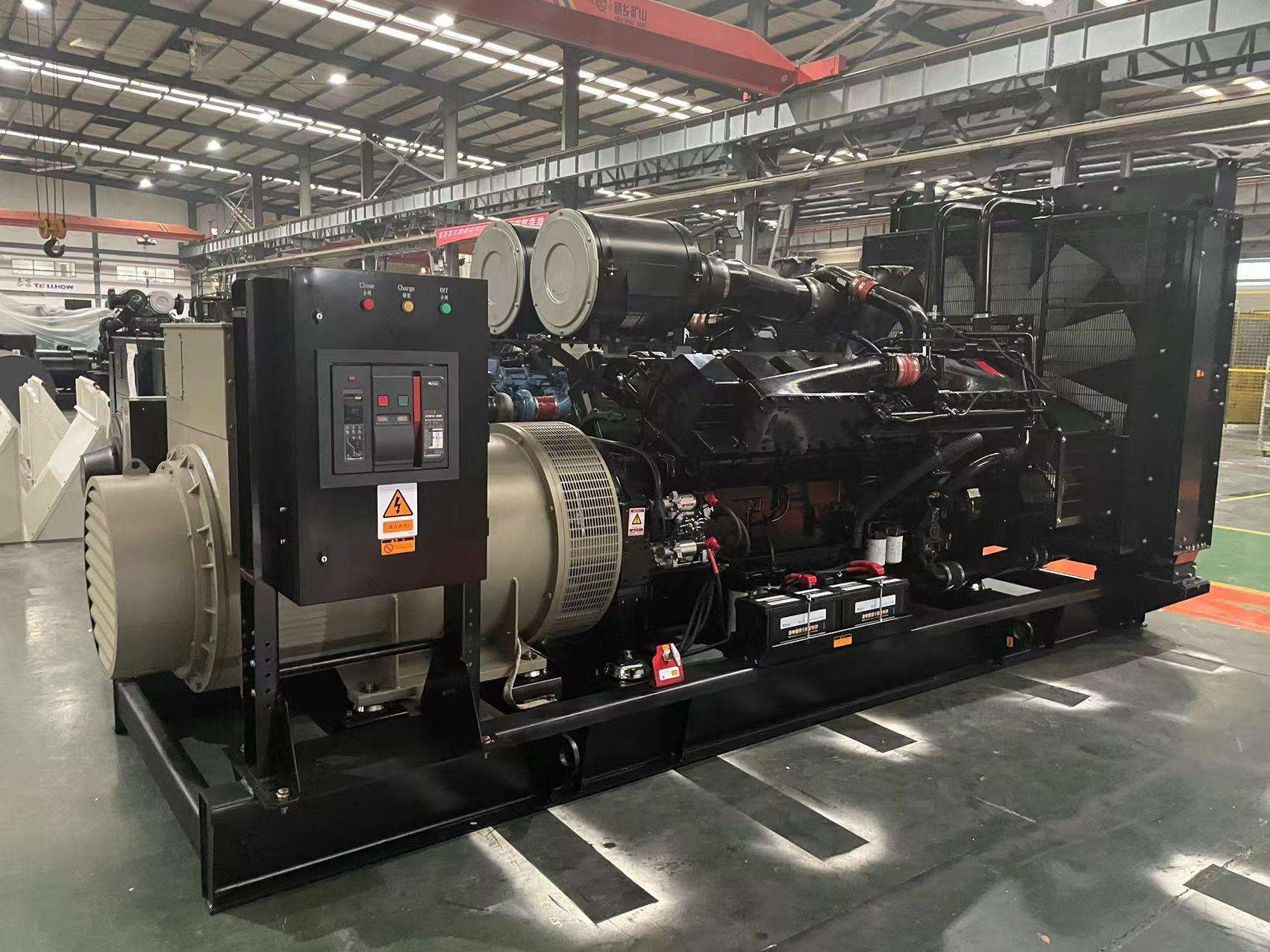
An exporter handles the set and everything around it. The engine and the alternator come from the build drawing, but the crate, the marking, the test file and the customs papers come from the export desk. A buyer who treats the exporter as a freight broker misses half the risk. A 500kVA silent set is a fair test case, because the canopy and the crate both change what the exporter owns.
The second job is the handover pack. A set leaves the workshop with a load bank report, a wiring diagram and a plate record, and the exporter keeps those three documents under one order number. Tesla Power Equipment builds that pack before the container is booked, so the papers and the machine leave together. A missing page at the port becomes a delay the buyer pays for.
Which export documents does the buyer need first?
The document set starts with the commercial invoice and the packing list. Those two name the goods, the quantity and the value, and every later paper refers back to them. Get the description wrong and the customs broker has to correct the tariff line at the port. Match the invoice wording to that line before the cargo moves.
| Document | Who issues it | What it decides |
|---|---|---|
| Commercial invoice | Exporter | Value and tariff line |
| Packing list | Exporter | Crate count and weights |
| Certificate of origin | Chamber of commerce | Duty rate at import |
| Bill of lading | Carrier | Title to the goods |
A certificate of origin and a bill of lading complete the basic set. The origin certificate decides the duty rate in many markets, so the wording has to match the invoice. The bill of lading proves the carrier received the goods, and it is the paper a bank reads when payment runs through a letter of credit.
How do you check the engine and alternator paperwork?
Paperwork follows the plates. The engine data sheet states the model, the continuous rating and the fuel map, and the alternator sheet states the frame, the insulation class and the excitation type. Ask the exporter to send both sheets with the offer, not after the order. A buyer who waits for the plates to arrive has lost the chance to correct a mismatch.
The third paper is the test record. A load bank report carries the voltage, the frequency and the temperature at each step, and it should name the serial numbers of the engine and the alternator that were run. Tesla Power ties the report to those numbers, so a report cannot be moved from one set to another. Our note on the certificate of origin shows how the same numbers feed the customs file.
What changes when a diesel generator for export projects is built?
A diesel generator for export projects carries four changes that a domestic unit does not. The control panel shows a second language, the voltage and frequency match the destination grid, the crate is built for a sea voyage, and the document set matches the import rules. Each change touches the build drawing, so the exporter has to fix them before the steel is cut.
The voltage line is the one buyers underestimate. A 50Hz market needs a different alternator speed from a 60Hz market, and the control panel settings follow. Ask the exporter to state the destination frequency on the offer, then check the alternator nameplate against it. Yangzhou Tesla Power writes both figures on the same line, so the mismatch is caught at the desk rather than at the site. A wrong frequency is a rebuild, not a settings change.
Sea freight also changes the packaging. ISO 8528-1 names the duty classes, so the offer should state which class the set was run to. A standby rating and a prime rating behave differently under a continuous load, and the crate is built to suit the heavier duty.
How do container, flat-rack and break-bulk shipments differ?
Container shipping suits sets that fit inside a standard box. A diesel generator in container form travels sealed, so the set stays dry and the paperwork stays simple. The limit is the internal height, because a sound-attenuated canopy adds height that a standard 20ft or 40ft box cannot take. Measure the canopy before the booking, not after it.
Flat-rack and break-bulk cover the sets that do not fit. A flat-rack takes an oversized base and lets the set sit on a steel deck, while break-bulk lifts the unit straight onto the ship. Both need a lashing plan and a lifting study, and both cost more per tonne than a container. A containerised power plant set is a typical break-bulk load.
Switchgear adds a fourth option. IEC 60947-2 covers the circuit breaker that sits in the panel, and a loose breaker that ships in its own crate can travel inside a container even when the set cannot. Tesla Power ships the panel loose when the crate list demands it.
What does a diesel generator factory in China quote for export?
Plan the loading on the packing list, not on the invoice. A 500kVA open-frame set takes about 70% of a 20ft flat-rack deck, and the crates for the exhaust, the toolbox and the spares add a further 20%. Total deck use = 70% + 20% = 90%, which leaves 10% for lashing and a walkway. A control panel rated 400V and 50Hz travels in its own crate, and that crate decides the booking type.
The quote then carries three lines. The set line follows the build drawing, the packing line follows the crate list, and the freight line follows the booking type. A diesel generator for island grids adds a fourth line for the fuel system, because a remote site needs a larger tank and a filter that suits the fuel on arrival. Tesla Power prices each line on its own so the comparison stays honest.
How do you verify the pre-shipment inspection report?
A pre-shipment report is only worth the photographs behind it. Ask for the crate number on each image, the seal number on the container door and a wide shot of the whole load before the doors close. Those three views let a buyer rebuild the loading without standing at the gate, and they tie the report to the shipment that actually left.
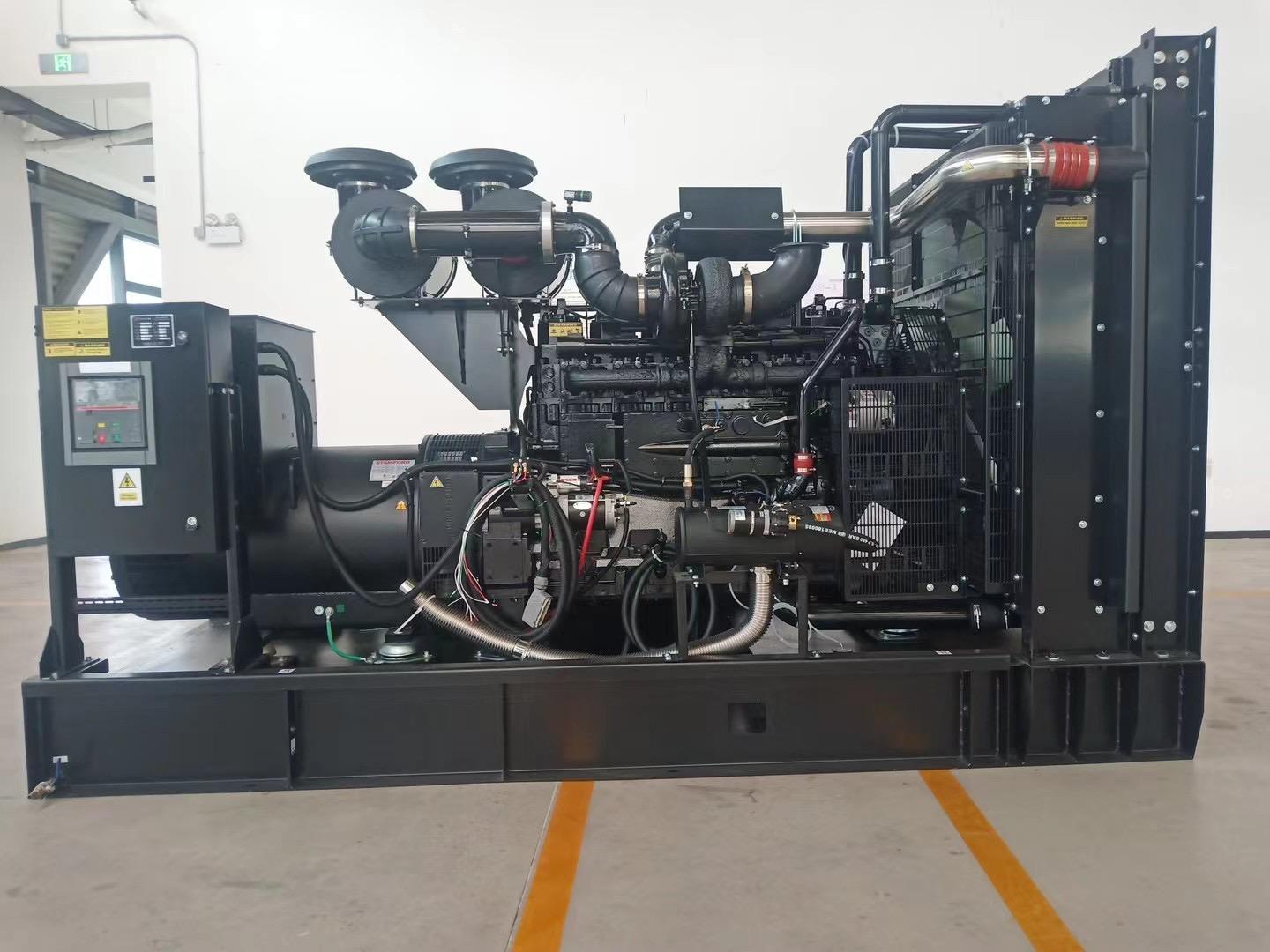
The second check is the weight ticket. The packed weight on the ticket has to match the packing list and the bill of lading, because a mismatch stops the container at the terminal. Our note on US import duty for gensets shows why the declared value and the weight have to agree before the entry is filed.
What does the diesel generator CE marking requirements list cover?
The diesel generator CE marking requirements list covers the documents a European buyer needs before the set can be placed on the market. A declaration of conformity, the technical file and the marking on the machine sit at the centre of it. The list names the directives and the standards that apply, and the exporter has to match each item to the build. Tesla Power maps each line to a page in the technical file.
Emissions sit beside the safety file. Regulation (EU) 2016/1628 sets the stage limits for a non-road engine, and the offer should name the stage the engine meets. The diesel generator documentation for export joins the same folder, and customs reads both pages at the same time.
How do you compare two diesel generator manufacturers?
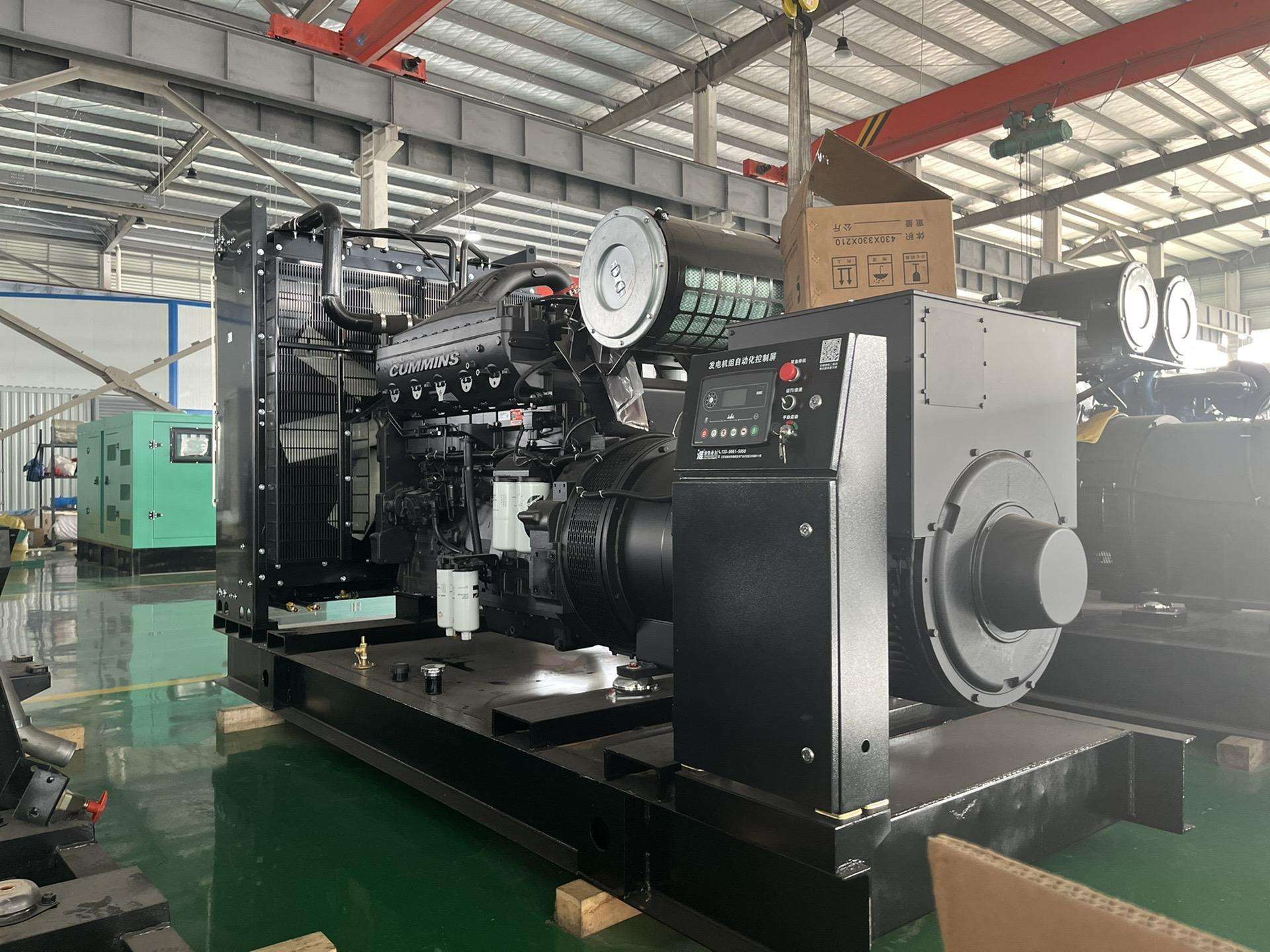
Compare on evidence and the decision becomes simple. Set the test report beside the test report, the crate list beside the crate list, the document set beside the document set, and the plate record beside the plate record. Two diesel generator manufacturers can quote the same rating and still differ on all four, and the gap shows up at the port rather than at the desk. Score each row before you look at the price.
The fifth axis is the reply after the order. A supplier that answers a document question within a working day keeps the shipment moving. Ask for a named contact and a spare parts list with lead times before the contract, then judge the answers on their detail. Send us your packing list and Tesla Power Equipment will answer against your route, not against a catalogue.
Frequently asked questions about diesel generator exporters
The exporter issues the invoice, the packing list and the conformity file, while the chamber of commerce issues the origin certificate and the carrier issues the bill of lading. Ask the exporter to list which papers it issues itself and which it buys in. That split tells you where a delay is likely to appear when a shipment is tight.
Run the load bank test before packing, because the report has to carry the plate numbers of the set that ships. A test after packing would need the crate opened again, and the report would still refer to the same unit. Keep the test date and the packing date on one sheet so the sequence is clear.
State the destination voltage and frequency on the enquiry, and ask the exporter to confirm both on the offer. A 50Hz set and a 60Hz set run at different alternator speeds, so the rating has to be read against the grid it will serve. A mismatch shows up as a speed fault at commissioning, not at the desk.
A container is usually cheaper per tonne, but only when the set fits inside it. A tall canopy or a wide base frame pushes the load onto a flat-rack, and the lashing and lifting study adds cost. Compare the two on the packed dimensions and the weight, then choose the booking type that suits the crate list.
Check the shipper, the consignee, the port pair, the container number and the description against the invoice. The description has to match the customs entry, and the container number has to match the seal record. A small mismatch on the bill of lading can hold the cargo at discharge for days.
The origin certificate states where the goods were made, and a trade agreement between that country and the destination can lower the duty rate. The wording has to match the invoice and the packing list, and the exporter has to apply for it before the ship sails. A certificate issued after departure is often refused.
Yes, when the crate list fits the internal volume and the deck load stays inside the limit. Two small sets often ship together more cheaply than one large set on a flat-rack. Ask the exporter for a loading plan with the crate positions, then check that the weights balance across the deck. Our export help pages carry the checklist, and Tesla Power draws the plan before the booking is confirmed.