
A diesel generator oil analysis turns a drained sample into an early fault list that the site can act on before the engine fails. Tesla Power reads that report from the trend rather than from a single result, then states the interval and the ambient basis so two supplier quotations can be compared step by step before an order is placed. The analysis settles three things at once: the wear rate, the contamination level, and the service interval the engine has to hold through the longest duty. Build it from a sequence of samples rather than from one draw, because one draw misses the trend that decides the action. Three metals decide the call before the average does, and none of them is the largest in ppm terms. Ambient removes margin before any load is connected, and that removal sits in the derating chart rather than on the plate. A service profile needs one figure a new set does not: the hours the site plans to run, because 250 hours and 1000 hours size the interval completely differently, and the steps below follow the trend rather than the single result.
- Draw the sample hot at the same point each time, because a cold draw understates the metal and hides the trend.
- Add the wear metals to the running total, since that step decides the call more often than the single number does.
- Correct the figure for the ambient at the set, which sits above the site average and moves the limit down.
- Keep the report beside the export set catalogue, so a supplier quotes against a measured trend rather than an estimate.
What does a diesel generator oil analysis decide for a site?
The analysis decides three things at once: the wear rate, the contamination level, and the service interval the engine has to hold. None of the three follows from a single result, because that result describes the oil at one moment rather than the engine in use, and Tesla Power reads the sequence instead. A 500kVA set may show 9 mg/kg of iron at 250 hours and 41 mg/kg at 1000 hours, and the second figure is the one that decides the call. A diesel generator for a fleet that is serviced on a fixed clock rather than a trend runs at risk for most of the year.
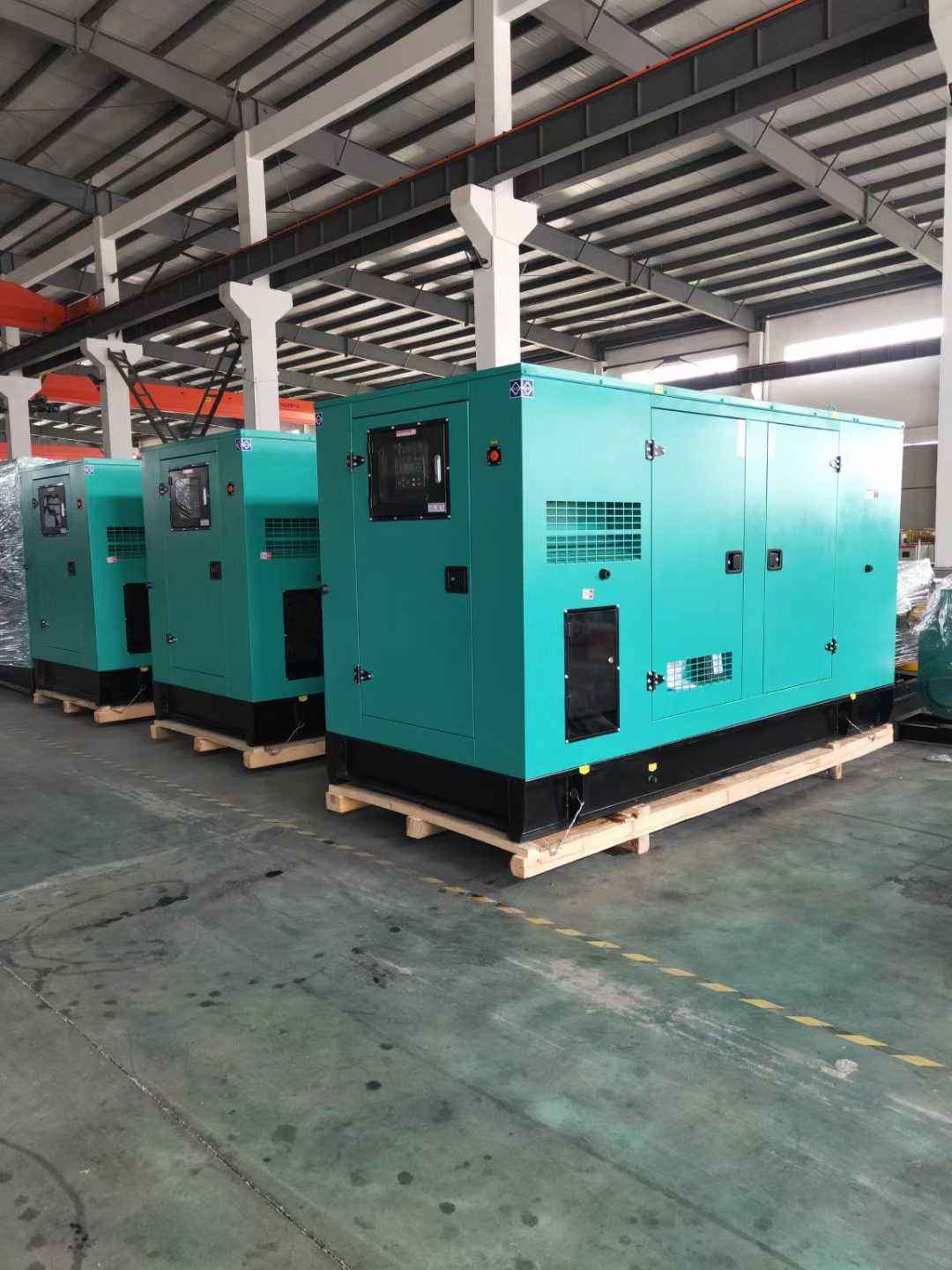
The reason is that an engine wears to a step rather than to an average. A set serviced on the average runs with rising metal for most of the year, and a set serviced on the 41 mg/kg peak stays ahead of the failure. The trend resolves that argument, because it shows how fast each metal climbs and how often the limit returns. Most diesel generator manufacturers quote a service clock and leave the trend to the buyer, which is where two offers stop being comparable.
How is the trend built from the sample sequence?
Build it from a sequence rather than from one draw. A sample taken every 250 hours for a working season gives the climb, and four of them decide the answer: the iron at the first draw, the iron at the midpoint, the sharp rise near the end, and the soot that tracks the combustion.
Where a sequence is not possible, the site log and the maintenance book carry most of the same information on the duty. Shift patterns show when the set runs hard, the service record shows how often the oil was changed, and a set in parallel operation shares the load differently. Yangzhou Tesla Power asks for both when a tender names a clock without a trend, because the two together close most of the gap a single draw leaves open.
| Sample | What it shows | Why it changes the answer |
|---|---|---|
| Iron at first draw | The baseline the engine started from | Sets the limit before any correction |
| Iron at midpoint | The steady wear the set holds | Decides the service interval on the plan |
| Sharp rise near end | How hard the ring is loaded | Drives the overhaul and the parts stock |
| Soot in the sample | How far the burn falls | A high figure loads the injector |
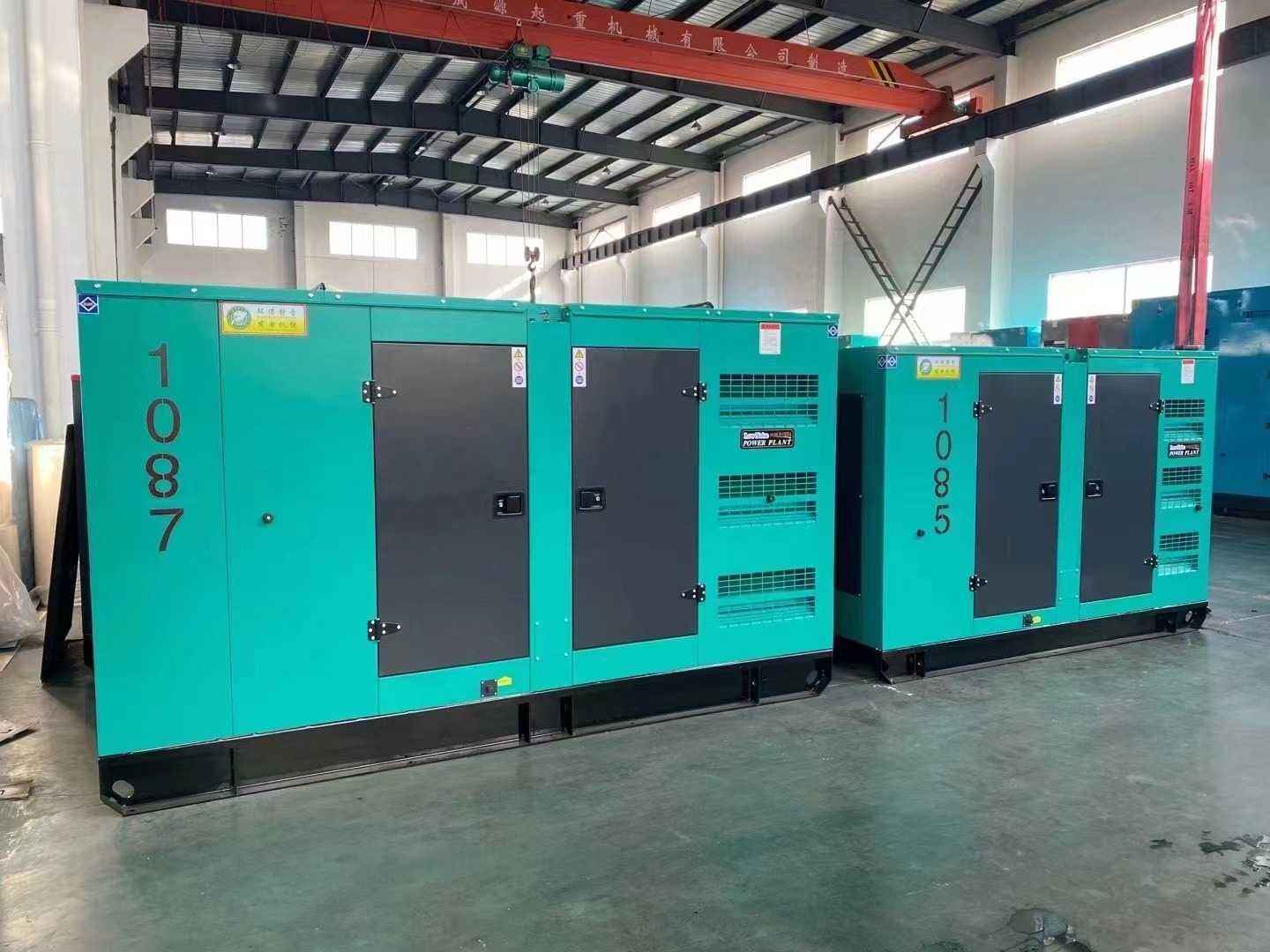
The fourth line catches more sets than the other three together. A set that carries 400kW for an hour and 60kW for six leaves soot in the sample, and the deposit shows on the injector tips long before it shows on the hour meter.
Which metals decide the call before the average does?
Three metals decide it, and none of them is the largest in ppm terms. The first is iron, because it climbs about six times its baseline when a ring wears. The second is any group of metals that a control system restart shows together after a hard run, since the group behaves as one signal and the trend sees the total at once. The third is silicon, because the inrush of dust lasts long enough to load the bore on a set for standby duty.
A 500kVA frame at 0.8 power factor carries 400kW, so 500kVA × 0.8 = 400kW is the figure the set has to stay under at that factor, and a 1000kVA frame carries 800kW on the same basis. An 80kW motor started direct on line adds roughly 500kW of apparent demand for two seconds, which the alternator meets by dipping rather than by delivering. The 400kW service set carries that step on the same 0.8 factor.
- Iron climbs about six times its baseline when a ring wears.
- Silicon shows dust ingress within two samples.
- Soot tracks the combustion rather than the clock.
The climb recovers as the overhaul responds, and the question is whether the site tolerates it. The commissioning sheet sets out the tolerance for common metals, and Chinese diesel generator suppliers usually quote a limit only when a buyer asks for one.
How does ambient change the limit on the chart?
Ambient removes margin before any load is connected, and the removal is stated in the derating chart rather than on the plate. A set rated at 40 ℃ loses roughly 3% of its figure for every 10 ℃ above that point, so a 500kVA frame loses about 6% of its figure between 40 ℃ and 45 ℃. The site then plans against the corrected value rather than the plate figure.
Altitude compounds it. Air density falls with height, and a naturally aspirated engine loses about 4% of its rating per 1000m, while a turbocharged engine loses rather less because the compressor compensates for part of the drop. Tesla Power Equipment states both bases on the offer, because a correction applied in sequence gives a different answer from one added on top. The figure belongs on the offer sheet beside the rating, where a buyer can read it against the site conditions.
What does the report need for a long duty?
A service profile needs one figure a new set does not: the length of the duty the site plans for. A set that runs 250 hours a year needs an interval and a parts stock sized on that, and a set that runs 1000 hours needs both sized on three. The rating class follows the same reasoning, because a standby class allows a limited number of hours a year and no continuous overload.
The hours figure decides more than the interval. A site that expects 250 hours a year reaches the calendar limit of a warranty schedule long before the hour cap, and a site that expects 1000 hours closes the cap inside a season. Tesla Power writes the expected hours into the offer beside the class, so the two lines are read together rather than as a rating and a note, which keeps a diesel generator in a power plant honest about its duty.
Where does the analysis go wrong on export sites?
The first error is a sample drawn cold from a different point, because the equipment matches, the method does not, and the trend is left off the report on a genset for a data centre as readily as on a set for a mine site. The second is a report written from a single draw, which quotes a reference figure without the trend and therefore reads higher than the engine can use on the day the metal climbs. Both errors are invisible in a price comparison, and both change the plan rather than the frame.
The third is a plan that stops at the oil and ignores the loads a tenant adds two years after handover. A chiller fitted later changes the duty, and the offer is then read as a promise rather than as a figure with a basis. Suppliers who ask for the sequence before quoting close that gap, and the ones who quote from a clock leave it open, which is why a diesel generator for a maintenance plan should be quoted against a trend.
A tender that names the rating, the ambient, the altitude and the expected hours gives every bidder the same starting point. That is the difference between four offers that can be compared and four prices that cannot, and the difference shows at the overhaul rather than at the invoice.
Which records prove the trend was measured rather than guessed?
Three records carry the proof. The sample, with the date and the hour meter named, shows what the oil actually did. The commissioning sheet shows the figure the set carried at handover and the ambient at the time. The annual sample shows the figure a year later, and the two together show whether the trend has climbed.
The value of the third record appears slowly. A set that wears over five years reaches the limit quietly, and the first sign is a trip on the largest motor rather than a rising bill. A sample at the rating point for two hours each season catches the climb while the answer is still a setting rather than a new ring, which is the practice our own test bay follows for every export order.
How should a buyer compare two offers on the same trend?
Compare the basis before the price. Two offers on the same trend should state the same four figures: the rating, the class, the ambient and the altitude. Where one offer states a figure without a basis, the comparison stops there, because a higher number on a lower basis is not a larger machine. The ISO 8528-1 prime and standby classes are the ones both offers have to name, and the NFPA 110 test schedule adds the interval a hospital site follows.
A trend for a data hall adds a fifth figure, which is the step the uninterruptible supply applies when it hands over. A trend for a mine site adds a different fifth figure, which is the restart group after a power cut. Both belong on the enquiry, and both change the class rather than the frame, which is why a supplier should answer the four items inside the quotation.
Ask for the corrected figure in writing, and ask which document the supplier will issue with the set. A supplier who answers with a schedule can be compared with a second supplier; one who answers with a number can only be compared on price. Tesla Power answers the four items inside the quotation, and the reply arrives as a schedule for that reason.
What does the set look like on a container build?
A container build carries the same trend as an open frame, and the enclosure changes the correction rather than the load. The intake sits lower, the air is warmer inside the box, and the louvre free area sets the volume that reaches the radiator. The 1250kVA standby build carries its derating chart beside the plate for that reason, because a diesel generator oil analysis for the engine shares the same enclosure logic as a single set.
The container adds one more figure to the scheme, which is the ambient inside the box rather than outside it. A site at 40 ℃ outside may see 47 ℃ at the intake, and the correction follows the higher figure. diesel generator for a site with a container build needs that number on the enquiry, because the answer changes by about 2% per degree at that point, and the practice came from a coastal site where the box ran 8 ℃ above the yard for most of August.
Our own test bay measures the intake figure with the doors closed, which is the condition the set meets in service rather than the condition it meets on a bench, and the works test facility records that figure for every order. We record the figure with the load bank at 80% of the rating and the ambient noted beside it, and the record travels with the set so the buyer can read it against the site.
Which paperwork proves the correction was applied?
The offer sheet carries the corrected figure, the data sheet carries the basis, and the nameplate carries the class. Three documents, and a buyer who reads only the third sees a number without a reason. conformity assessment for the oil sample then checks that the plate matches the file rather than the quotation, which is the step a customs inspection performs first.
Ask for the correction as a line on the offer rather than as a paragraph in a covering letter, because a line survives a change of salesperson and a paragraph does not. Tesla Power Equipment prints the ambient and the altitude beside the rating for that reason, and the practice has settled more than one disagreement at handover when two offers were read against the same trend.
The plate itself carries the class, the frequency and the power factor, and each field is checked at the port against the file. A plate that omits the class leaves the rating open, which is the gap a customs inspection finds first. Send the sample and the site sheet to our service quotation desk, and the reply comes back as a schedule with the correction already applied and the quotation built on the measured trend.
Frequently asked questions about diesel generator oil analysis
Every 250 hours covers most sets, because it captures the weekday peak, the weekend trough and at least one hard run. A single draw misses the trend that produces the call. Where 250 hours is impossible, draw at the two hours around the largest restart and the two hours after a transfer, which still catches the step the set is planned on.
It should, and 20% covers most steady sets. The margin is a decision rather than a rule, because a set that runs at 45% for years meets its own failure mode. Take the margin from the trend: a set with a large motor start needs more than a set with a resistive load, and the margin should sit in the recorded figure rather than on the plate.
It is the iron reading at the first draw that the trend is measured against, and it is applied draw by draw rather than to the whole season. Lighting runs at about 0.9, socket outlets at 0.4 and welding sets at 0.3 on a busy shift, but for oil the baseline is the engine's own first number. A total built without a baseline overstates the wear by a wide margin.
It does, because the alternator is rated in kVA and the load is often quoted in kW. A 400kW load at 0.8 power factor needs 500kVA, and the same load at 0.95 needs less capacity on the same alternator. The factor is measured rather than assumed on a set with drives, and it is written into the offer beside the rating.
They can, and the arrangement gives redundancy that a single frame cannot. The cost sits in the switchgear and in the load sharing controller, and the maintenance work doubles. Two sets also change the wear behaviour, because the second frame starts against a load the first already carries, which is the trade a buyer should weigh before quoting.
The iron recorded at the rating point during the commissioning run, taken with the ambient noted beside it. A figure without the ambient cannot be compared with the factory test. Tesla Power issues that record with the set, and it is the document a warranty question is read against when the wear has climbed two years after handover.