
Diesel generator reverse power is the watt flow that runs backwards when a set loses its engine and the other sets drive it as a motor. Read how the flow reverses and how the trip is set and proven. Tesla Power states the relay setting, so send the single line diagram to our sales desk for a quotation.
- Ask whether a reverse power relay is fitted, because a set in parallel without one is unprotected.
- Check the setting as a share of the rating, since a fixed watt figure means nothing on another frame.
- Look at the time delay, because a trip that is too fast will fire on a normal load swing.
- Ask how the trip was proven, because a relay that was set and not tested is an assumption.
What does diesel generator reverse power mean?
Reverse power means the set is taking watts from the bus instead of delivering them, which happens when its engine stops producing torque while the alternator stays connected. The alternator then runs as a synchronous motor, driving the engine at synchronous speed and drawing the energy it needs from the other sets on the bus. The condition is called motoring, and the relay that detects it measures the direction of the watt flow rather than its size.
The size is small at first and grows as the load on the remaining sets rises, so a relay set on current alone will not see it. Tesla Power Equipment fits a directional watt relay on any frame intended for parallel duty, because the condition is invisible to a protection scheme that only looks at magnitude.
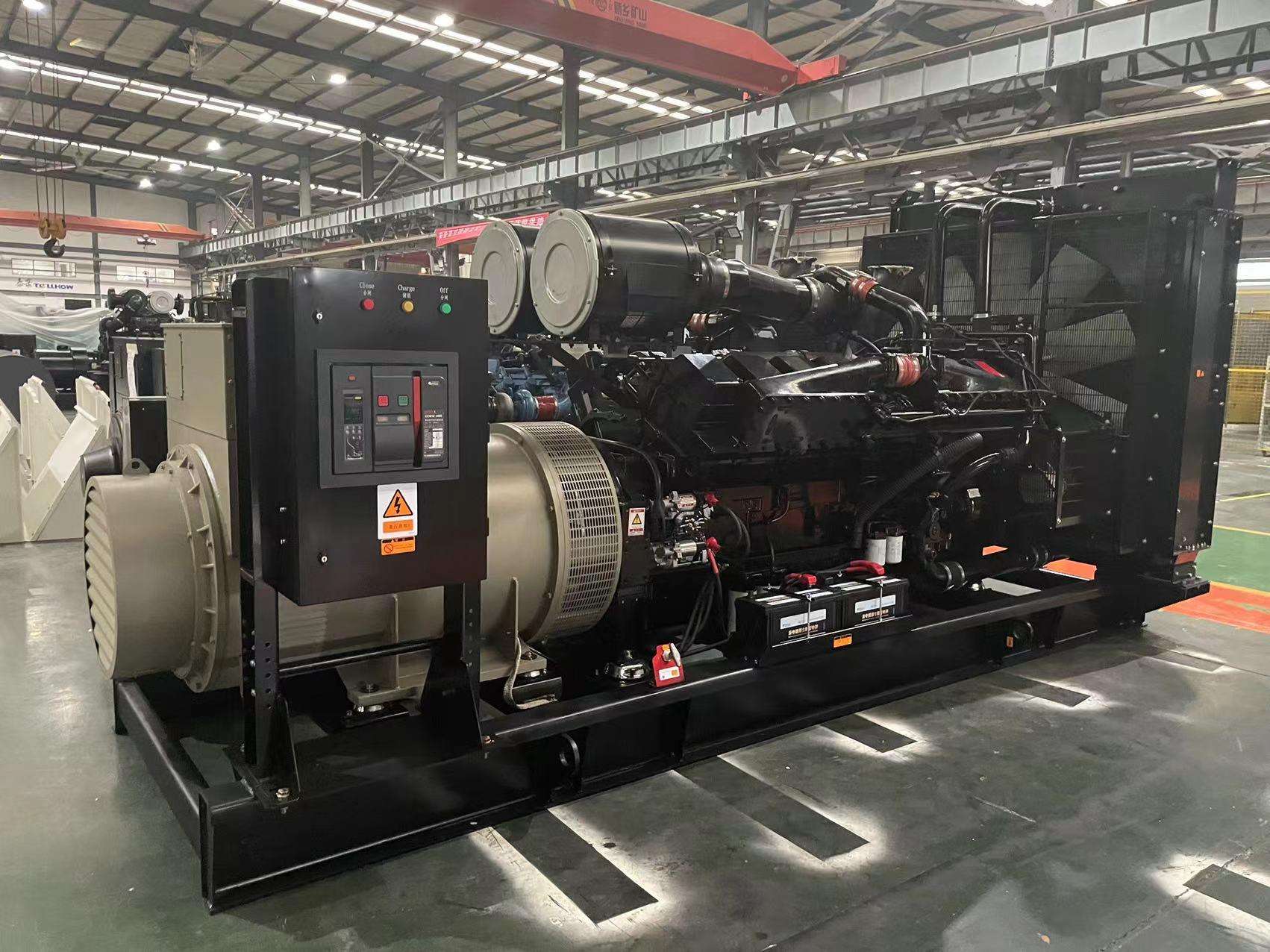
Why does a set motor when its engine stops?
An engine stops producing torque when the fuel supply is interrupted, when a protection shuts it down or when it stalls under a load it cannot carry. The alternator does not stop with it, because the rotor is still excited and still locked to the bus frequency. The other sets then supply the excitation losses, the windage and the friction of an engine that is being turned rather than turning.
The condition is quiet on a large plant and dangerous on a small one. A diesel generator for a plant with three sets in parallel can lose one engine and keep the site running while the failed set motors at a few percent of its rating, and nobody notices until the alternator overheats. A diesel generator in a two set plant has less margin, because the surviving set carries both the site and the motoring losses, and the 500kVA silent build is quoted with the relay option stated.
| Cause | What the relay sees | What it means on site |
|---|---|---|
| Fuel supply lost | Watts flowing into the set | Trip and investigate the fuel |
| Engine protection trip | Watts flowing into the set | Trip and read the engine fault |
| Load rejection with a leading load | Brief negative watts | Delay the trip to ride through it |
| Breaker closed on a stopped set | Large reverse watts at once | Interlock the breaker on engine run |
| Relay set too low | Trips on a normal swing | Raise the setting and retest |
What setting should the relay use?
The setting is a small share of the rated watts with a delay of a few seconds, so the relay ignores the transient that follows a load rejection and still catches a real motoring condition. A common basis is a few percent of the rating with a time delay long enough for the governor to recover. The figure belongs in the protection schedule rather than in the relay manual, because it depends on the plant and not on the device, and Tesla Power writes it beside the transformer ratio taken from the ISO 8528-1 rating table.
A 400kVA set at 0.8 pf carries 320kW, so 400kVA × 0.8 = 320kW; a trip set at 3% of that works out at 9,600 W of reverse flow, and at 400 V that is 9,600 ÷ (1.732 × 400 × 0.8) = 17 A of reverse current. That is a small current against a rated 577 A, which is why the relay has to be a directional watt device and not an overcurrent device.
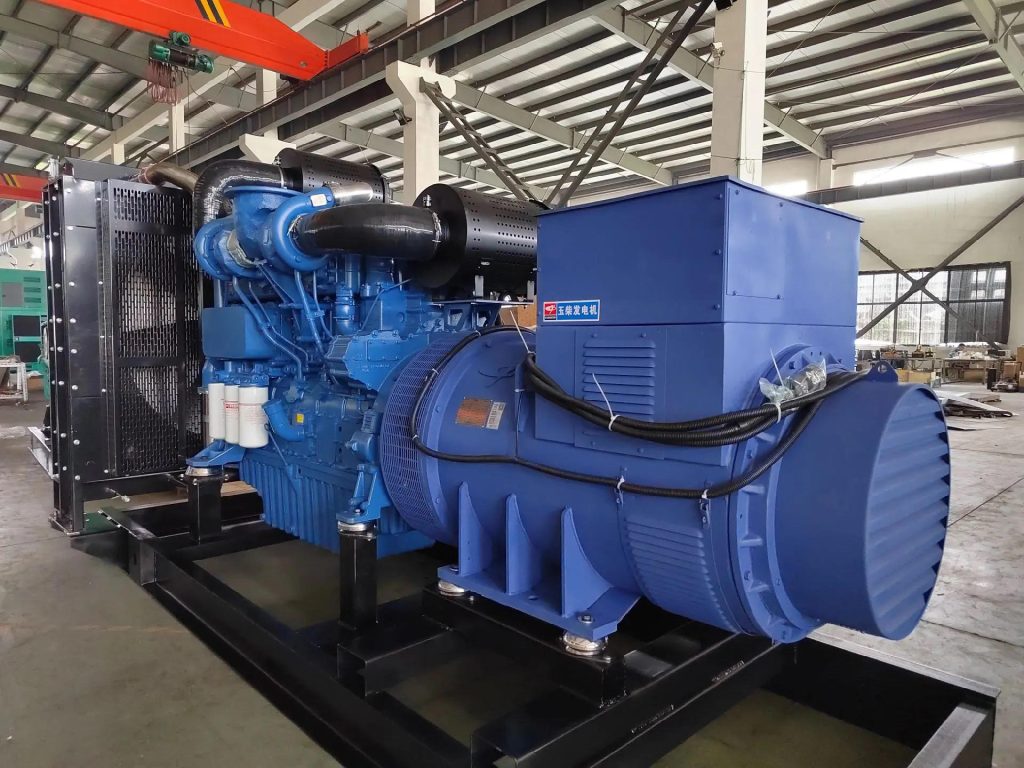
How is the trip proven at commissioning?
The trip is proven by driving the set into reverse power on purpose, with the other sets carrying the bus, and recording the watt flow at which the breaker opens. A test that only injects current into the relay proves the relay and not the wiring, and the wiring is where most of the failures sit. The record should show the injected value, the measured value and the time to trip.
The test is best done before the site load is connected, because a deliberate trip during commissioning is a plan and a deliberate trip during operation is an outage. Tesla Power writes the test into the commissioning sheet so it is scheduled rather than improvised, and the range of export frames shows which frames include the relay as standard.
What does a missed trip cost the alternator?
A motoring alternator draws a current that heats the stator and the rotor without delivering useful work, and the heat has nowhere to go. The winding insulation ages faster than the hours suggest, and a set that motors for a season can fail a year earlier than its service life predicts. The cost is not the relay, it is the rewind or the replacement.
The engine suffers as well, because it is being turned without oil pressure and without combustion heat, so the bearings and the cylinder walls run on whatever film is left. Yangzhou Tesla Power treats the reverse power relay as part of the alternator condition on a parallel set, because a motoring failure is a protection failure rather than a manufacturing one.
Which records prove the protection works?
Three records prove it: the relay setting sheet, the commissioning test with the injected and measured values, and the annual trip test. The setting sheet alone shows an intention, the commissioning test shows a moment and the annual test shows the device still works after a year of standing. Together they show the protection is live rather than installed.
The annual test belongs beside the load test, because both prove a device that sits idle for most of the year. A diesel generator for a standby plant that runs once a month needs that annual check more than a prime set does, because nothing in normal operation exercises the relay. the service planning notes set out the sequence for both tests on the same visit.
What should the offer state about the relay?
The offer should state the relay type, the setting in watts and as a share of the rating, the time delay and the commissioning test that proves it. Those four lines turn a protection device into a protection scheme, and most diesel generator manufacturers fit the relay and leave the setting to the panel builder. The setting is the part that decides whether the protection works, and the acceptance routine for a standby plant follows the NFPA 110 transfer requirement.
Chinese diesel generator suppliers who state the setting in both units make the comparison possible, and a diesel generator for the first year of service shows the difference the first time an engine stops on a parallel bus. A diesel generator in a plant with two sets has no spare capacity to absorb a motoring set, so the setting matters more there than anywhere.
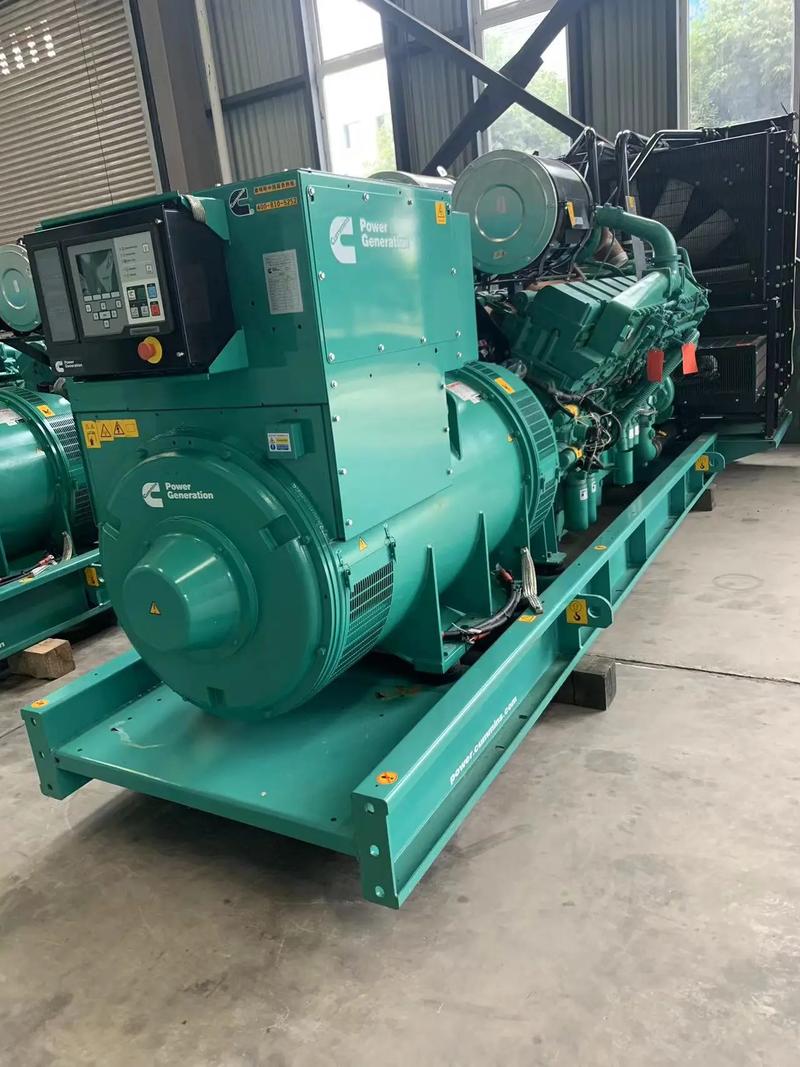
What does the handover file carry for the relay?
The handover file carries the relay type, the setting, the time delay and the commissioning test, all on one sheet with the serial number of the set. A buyer who reads it can tell whether the relay was tested against the bus or only against an injected current. Tesla Power issues that sheet with the set, so the annual test starts from a recorded value rather than from the relay default.
The file also carries the single line diagram with the current transformer ratio marked, because a relay set against the wrong ratio is out by the ratio and not by a few percent. Diesel generator documentation for a reverse power trip is only complete when the ratio appears beside the setting, and the protection bay that checks both follows the assembly bay routine.
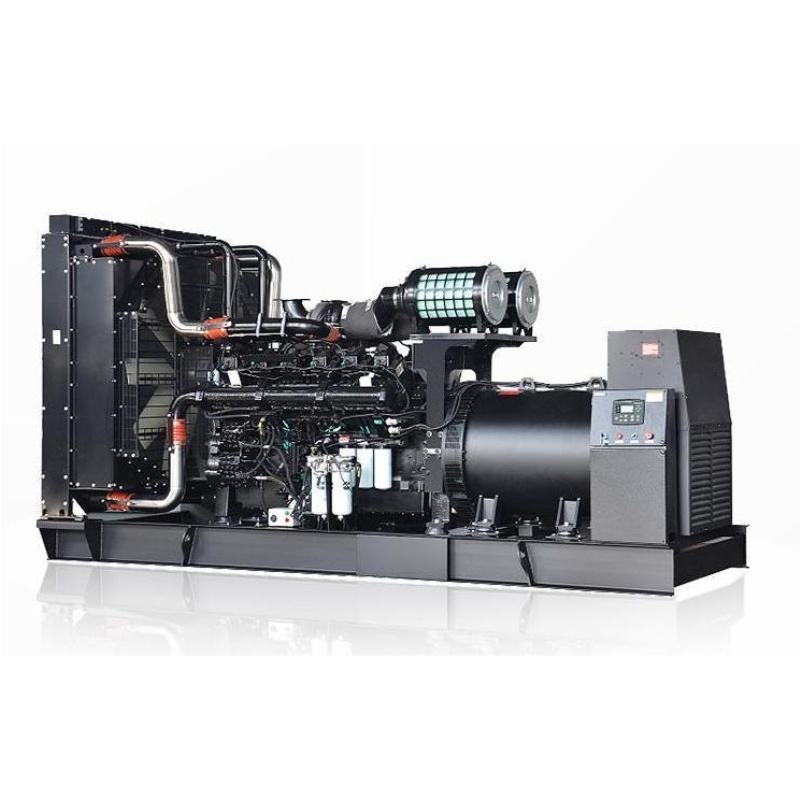
Send the single line diagram and the number of sets on the bus with the enquiry, and the relay, the setting and the test come back as one answer instead of three items a panel builder has to reconcile. Tesla Power writes that answer into the offer, so the protection is visible before the order rather than after the first engine stop.
Frequently asked questions about diesel generator reverse power
A single set on its own bus has nothing to drive it, so motoring is not the usual risk. A leading load can still push the watts briefly negative, and a relay with a delay rides through it. Ask whether the load has a large capacitive part before deciding.
It can be restarted in some installations and it is not the safe answer. The trip exists to remove the set from the bus first. Restarting a motoring set keeps it connected to a fault it cannot see, and the fuel may be the reason it stopped.
Because a load rejection or a large motor stop can push the watts negative for a moment. A relay without a delay trips on that moment. A delay of a few seconds ignores the transient and still catches a real motoring condition.
It trips on a normal load swing and the site loses a set it did not need to lose. The symptom is a breaker that opens during a large load change. Raise the setting and retest rather than disabling the relay.
A few percent heats the winding slowly and the damage is cumulative rather than immediate. A long motoring period at a low figure is worse than a short one at a high figure, because the heat has time to soak. The trip is set for the slow case.
It detects the result of a lost engine and not the cause. The engine protection trips on its own sensors and the reverse power relay catches what is left. Both belong on a parallel set, and Tesla Power states which is fitted where.