
Diesel generator tank vent sizing decides whether the set draws fuel without pulling a vacuum on the tank. Check the specification against the fill rate and the run length, then compare supplier offers before the tank is built. Tesla Power sizes the breather from the fill rate; send the drawing to the technical desk and we confirm it.
- Size the vent from the fill rate rather than from the engine consumption alone.
- Route the vent above the highest flood level on site and fit a flame arrestor.
- Check the vent cap for a stuck ball before the set is commissioned, not after.
- Keep the tank drawing with the vent size marked so a replacement matches the build.
What does a diesel generator tank vent do?
The vent lets air into the tank as fuel leaves and lets air out as the tanker fills it. A tank without a vent pulls a vacuum, and the lift pump then works against that vacuum until the engine starves at load. The same tank pushed the other way splits a seam during filling, because a delivery hose moves fuel faster than the engine ever burns it.
The size therefore follows the fill rate first and the consumption second. A tank filled at 400 L/min needs a vent sized for that flow, even though the set may only burn 105 L/h at full load. Tesla Power sizes the breather from the delivery rate on the site sheet, which is the figure a buyer usually leaves out of the enquiry. The bore is a build decision rather than a site preference, so it belongs on the tank drawing before any steel is cut.
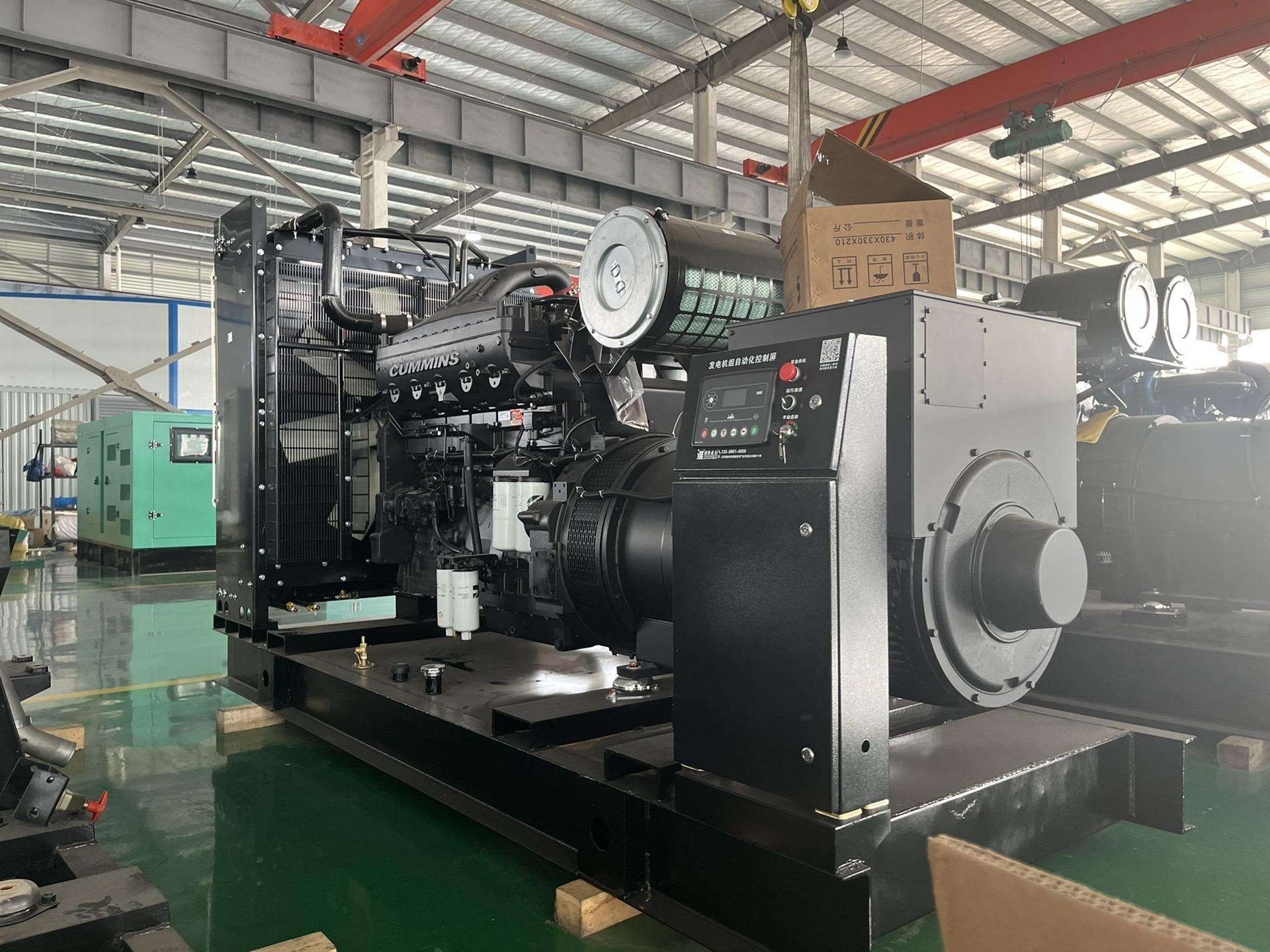
How is the vent size calculated?
Take the delivery rate in litres per minute, allow a pressure drop of about 0.02 bar across the vent and the arrestor, and read the pipe bore from the maker table for that flow. A 400 L/min delivery needs a bore near 40 mm once the arrestor is counted. Undersizing by one step doubles the pressure drop, which is where the problems start.
The vent also has to clear the vapour displaced by a warm tank, which is a smaller figure but continuous. Tesla Power adds the vapour case to the delivery case and takes the larger bore, then prints both figures on the tank drawing. the 500kVA silent set with ATS changeover shows the vent and the arrestor on a bunded base so the layout is visible before the order is fixed. A vent one size up costs very little and covers a site that later adds a second tank beside the first.
| Delivery rate | Vent bore | Arrestor |
|---|---|---|
| Up to 100 L/min | 25 mm | 25 mm mesh screen |
| 100 L/min to 250 L/min | 32 mm | 32 mm flame arrestor |
| 250 L/min to 500 L/min | 40 mm | 40 mm flame arrestor |
| Above 500 L/min | 50 mm | 50 mm flame arrestor |
Where should the vent outlet sit on site?
The outlet goes above the highest flood level the site can reach, and away from any air intake or door. A vent that ends below a bund wall fills with water in a storm, and the tank then pulls that water into the fuel line. Fit a goose neck and a cap that keeps rain out without sealing the pipe.
The outlet also needs a flame arrestor where the tank sits near a building opening, because the vapour space is the part that ignites. Route the pipe with a fall back to the tank so condensate returns rather than pooling in the bend. A vent run that traps fuel at a low point blocks itself within a season. A vent that ends under a car port still fills with rain in a storm, so check the drawing against the canopy as well.
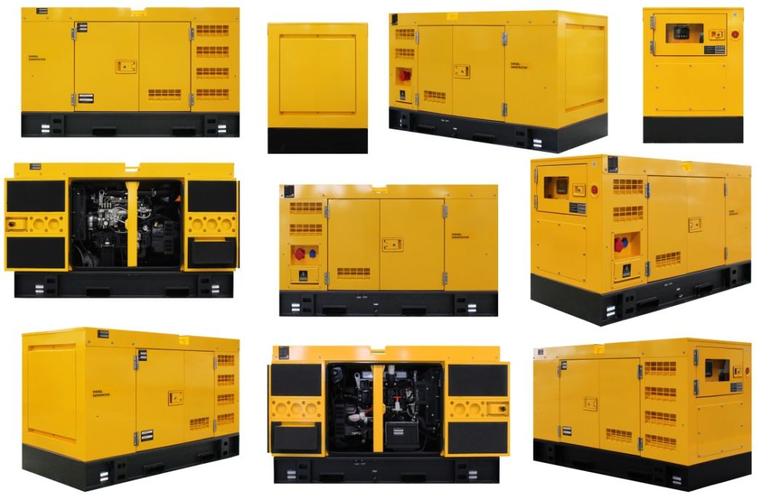
Why does a vent cap stick?
Most caps carry a spring loaded ball that seals the tank against spill in a rollover, and the ball seizes when the cap sits in salt air or dust. A seized ball looks like a blocked vent, and the engine then stalls at load with no fault on the controller. Test the cap by hand at every service and replace it when the ball does not rattle.
A second failure is a mud wasp or a spider nest in the bore, which is common on a site that stores the set outdoors for months. Tesla Power Equipment fits a stainless mesh screen behind the cap on export builds, and the screen is listed on the tank drawing so a replacement cap matches the build rather than the catalogue. A cap that has not moved in a year is worth replacing on principle rather than after a stall at load.
How is the vent checked at commissioning?
Fill the tank at the site delivery rate with the cap fitted and watch the tank for a bulge or a whistle. Then draw fuel at full load for ten minutes and read the vacuum at the primary filter. A vacuum above 0.2 bar points to a vent that is too small or partly blocked, and the figure should sit near zero on a correct build.
Log both readings on the commissioning sheet with the ambient temperature, because a warm day raises the vapour case and makes a marginal vent look worse. The test takes twenty minutes and it is the only point where the vent is proved under real flow. Yangzhou Tesla Power runs the same test on every bunded tank build, and the build range explains how it is repeated on a tank already in service.
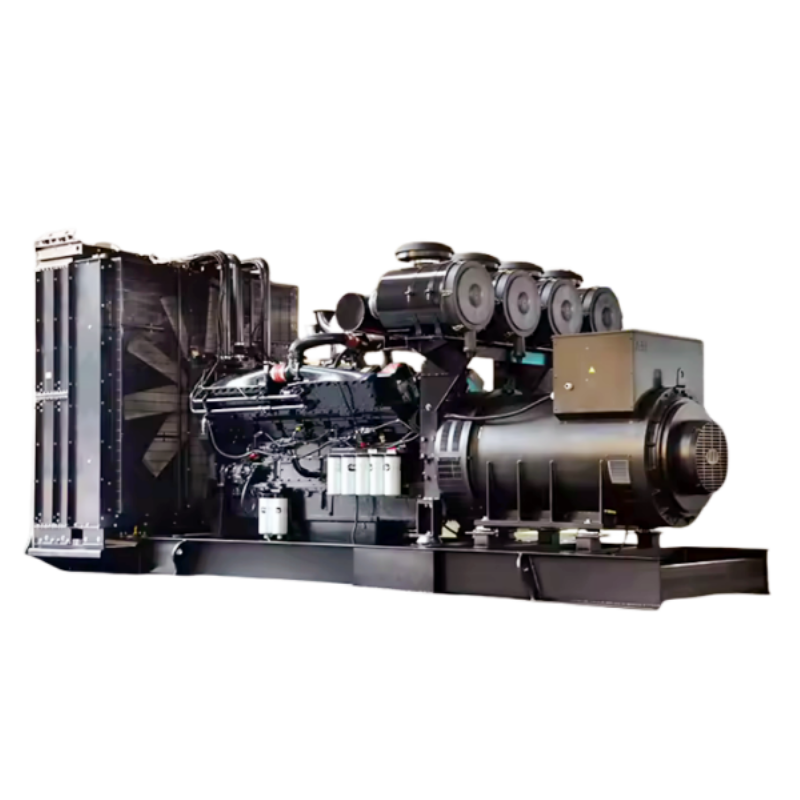
Which records prove the vent was built correctly?
Keep the bore, the arrestor model, the cap model and the two commissioning readings on one page of the tank file. A 500kVA set at 0.8 pf burns near 105 L/h at full load, so a 8 h shift takes 840 L: 8 h x 105 L/h = 840 L. A delivery hose moves that volume in about two minutes, which is why the vent follows the hose rather than the engine.
The page also settles a warranty question, because a split seam is usually a vent fault rather than a tank fault. Tesla Power writes the arrestor model beside the bore so a replacement part matches the original. A tank file without those two items cannot answer the question a fabricator will ask first. Write the delivery rate beside the bore so the arithmetic can be repeated by the next engineer who reads the file.
How should a buyer compare two tank builds?
Compare the bore, the arrestor, the cap and the drawing, then compare the price. A build with a vent sized from the engine consumption alone is cheaper and wrong, because the site fills the tank far faster than the engine drains it. Ask for the bore calculation on the offer rather than a pipe size on the drawing.
The wording on the offer matters too. Diesel generator manufacturers in China often quote the tank without the vent calculation, and Chinese diesel generator suppliers sometimes fit a cap with no arrestor. Tesla Power sends the calculation with the drawing. Ask for diesel generator tank vent for export, diesel generator tank for cold fuel and diesel generator for a basement room as three separate cases, because each one changes the layout. Add the diesel generator CE marking requirements and the diesel generator documentation for export to the enquiry, and the 1000kW container build shows the bunded tank arrangement.
What does the handover pack carry?
The pack carries the tank drawing with the bore and the arrestor marked, the cap model, the two commissioning readings and the fill rate the vent was sized for. It also carries a note on the flood level the outlet was set above. One page covers the system when those five items sit together under the tank serial number.
Hand the page to the operator who takes the fuel deliveries rather than to the buyer who placed the order. The vent page sits with the bund calculation in the same folder, and the Yangzhou factory describes the test bay where the tank is proved before packing. the commissioning notes lists the frames that ship with a bunded base, the ISO 8528-1 duty definitions sets the rating basis the fuel circuit was sized against, and the NFPA 110 maintenance routine covers the transient behaviour the set was accepted on.
Frequently asked questions about diesel generator tank vent
No, because the crankcase breather handles blowby gas and it is far too small for a fuel delivery. The two systems also sit at different pressures, so joining them pushes oil vapour into the tank. Keep the tank vent separate and size it from the delivery rate on the site sheet.
It needs one wherever the outlet sits near a building opening or a source of ignition, which covers most plant rooms. A mesh screen arrests a flame and stops debris at the same time. Check the arrestor at every service, because a blocked mesh looks exactly like an undersized vent.
A whistle means the vent cannot pass the delivery flow, and the pressure is escaping past a cap seal instead. Stop the delivery, check the bore and the arrestor, and clear the screen. Filling against a restricted vent is how a seam splits on a tank that was built correctly.
On a tank under about 200 L that is filled from cans, a vented cap can be enough. Once a tanker hose arrives the cap cannot pass the flow, and a proper vent is needed. Match the vent to the way the site actually fills the tank, not to the way it was first installed.
At every service and after any storm, which on a standby site means at least twice a year. Look for water in the goose neck, a stuck ball in the cap and a blocked screen. Write the finding on the tank page so a repeat fault is visible rather than a surprise.
A blocked vent makes the gauge read high, because the tank is under vacuum and the float sits against a distorted level. The gauge then falls sharply when the cap is opened. Treat a gauge that moves on cap removal as a vent fault rather than a sender fault, and check the vent before ordering parts. Tesla Power adds that check to the commissioning sheet.