
Generator set back pressure is the resistance the exhaust run adds after the turbo, and the limit decides how long the pipe may be. Check the specification against the route before the pipe is made, then compare supplier offers. Tesla Power reads the limit from the engine sheet; send the route drawing to the project desk and we check it.
- Read the limit from the engine sheet rather than from the silencer catalogue.
- Count every bend, the silencer, the rain cap and the stack height in the figure.
- Measure the figure on site with a manometer, not from a calculation alone.
- Keep the measurement with the commissioning sheet so a later change can be judged.
What does generator set back pressure measure?
The figure is the pressure the turbo has to push against to clear the exhaust gas, measured in kilopascals at the outlet. A free flow limit sits near 6 kPa on many turbo engines, and a naturally aspirated engine takes a lower figure. Once the run exceeds the limit, the turbo cannot build boost and the set loses power at the top of its range.
The limit is a build figure rather than a site preference, so it belongs on the engine sheet beside the fuel rate. A set that runs against a high figure also runs hot, because the residual gas stays in the cylinder and raises the exhaust temperature. Tesla Power writes the limit on the general arrangement so the pipe fitter sees it before cutting steel. The limit is quoted at the turbo outlet, so a reading taken further down the pipe is not comparable with it.
Which parts of the run count toward the figure?
Every element after the turbo adds resistance: the flexible joint, each bend, the silencer, the rain cap and the stack height. A 90 degree bend counts roughly twice a 45 degree bend at the same bore, and a rain cap adds a fixed figure that is easy to forget. A run that looks short on the drawing can still exceed the limit.
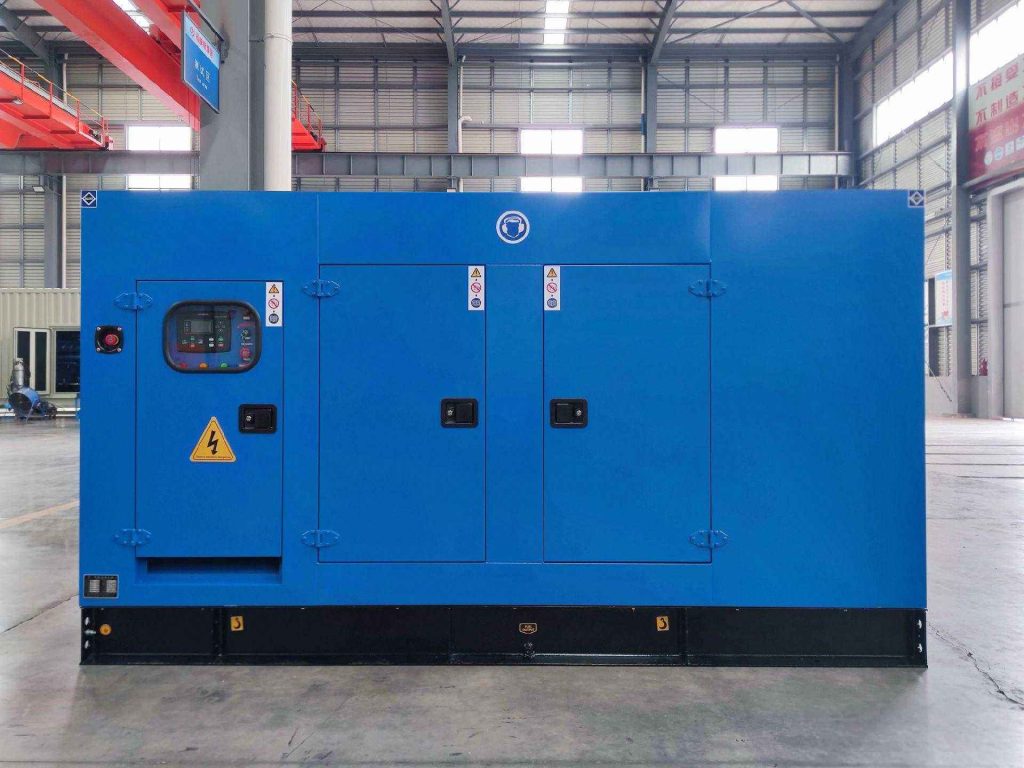
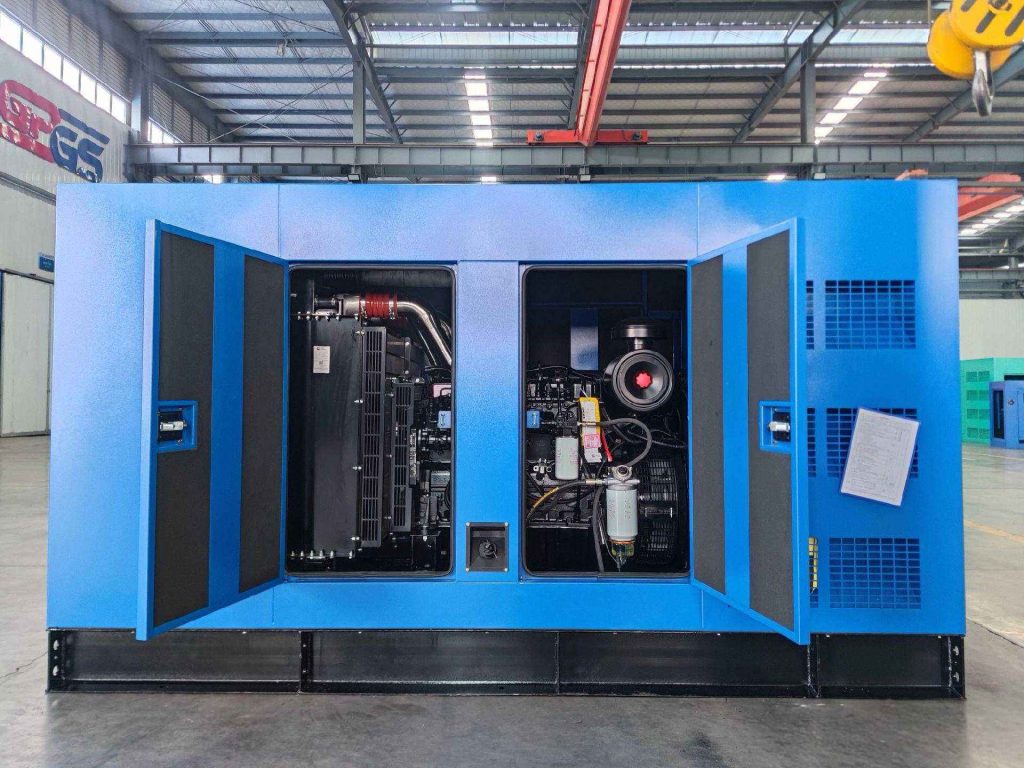
The silencer grade changes the figure more than any other part, because a critical grade unit has a longer gas path than an industrial one. Tesla Power adds the silencer figure from the maker table to the pipe figure before approving the route. the 500kVA silent set and its ATS option shows a build with the silencer mounted close to the outlet, which is the layout that keeps the total low. A short run with a critical silencer can pass while a long run with an industrial unit fails at the same bore.
| Run element | Typical addition | Counted as |
|---|---|---|
| Flexible joint | 0.2 kPa | One per run |
| 90 degree bend | 0.4 kPa | Each bend at full bore |
| Industrial silencer | 1.5 kPa | From the maker table |
| Critical silencer | 2.5 kPa | From the maker table |
Why does a long run cost power?
Residual gas left in the cylinder takes the place of fresh air, so each cycle burns less fuel and makes less power. The loss is small at first and then climbs quickly past the limit, which is why a set can look fine on a short test and fall short on site. The fuel rate rises at the same time as the power falls.
A run that is 30 % over the limit can cost several percent of the rating, and the derate is rarely printed on the plate. The exhaust temperature climbs as well, which shortens valve life. Yangzhou Tesla Power sizes the route before the set is chosen, because the reverse order usually ends with a remote silencer or a larger bore.
How is the figure measured on site?
Fit a manometer tap in the pipe about one bore diameter after the turbo outlet, run the set at full load and read the figure once it settles. Compare the reading with the limit on the engine sheet. A reading taken at half load is not comparable, because the figure falls with the flow. Record the load at the same time.
A portable water manometer is enough for the range these engines use, and it costs less than a service visit. Take the reading at three points along the run if the route has a long horizontal section, because a partly blocked silencer shows as a step change. Tesla Power Equipment supplies the tap and the reading on the commissioning sheet for that reason. A tap fitted at commissioning is worth keeping, because the next reading is then a two minute job.
What causes the figure to rise after commissioning?
Soot loading in the silencer is the first cause, and it builds fastest on a set that runs at light load for long periods. A collapsed internal baffle is the second, and it usually shows as a rattle at start up. Water in a low point of the run is the third, because a slug of condensate blocks the pipe until the gas pushes it clear.
Check the drain point at every service and clear the silencer when the figure climbs by more than about 1 kPa from the commissioning reading. A set that smokes on start up loads the silencer faster, so the two faults often arrive together. the export rated frames sets out the cleaning method for a silencer that is still on the machine. A silencer that has been cleaned reads close to the commissioning figure, which is how the cleaning is judged.
Which records prove the run is within limits?
Keep the calculated figure, the measured figure, the load at measurement and the silencer model on one page. A 500kVA set at 0.8 pf carries 400kW, and a limit of 6 kPa leaves about 2 kPa for the pipe after the silencer and the cap: 6 kPa less 2 kPa less 2 kPa = 2 kPa. A run that adds 30 % to the figure loses about 5 % of the rating.
The page also settles a warranty question, because a burnt valve on a set with a long run is usually a back pressure fault rather than a valve fault. Tesla Power writes the measurement beside the model so a later change can be judged against the original. A site that adds a stack extension without a new reading has no defence if the turbo fails inside warranty.
How should a buyer compare two exhaust builds?
Compare the calculated figure, the measured figure and the silencer model, then compare the price. A build with a short pipe and a critical silencer is not comparable with one that has a long run and an industrial unit, even at the same rating. Ask for the calculation with the offer so the two can be read side by side.
The wording on the offer matters too. Generator set manufacturers in China often quote the pipe length without the figure, and Chinese generator set suppliers sometimes fit a rain cap that adds resistance nobody counted. Tesla Power counts every element on the drawing. Ask for generator set back pressure for a long run, generator set back pressure in a container and generator set for a basement room as three separate cases, because each one changes the route. Add the generator set CE marking requirements and the generator set documentation for export to the enquiry, and the 1250kVA container set shows a build with the silencer close to the outlet.
What does the handover pack carry?
The pack carries the limit, the calculated figure, the measured figure, the load at measurement and the silencer model. It also carries a sketch of the route with the bends counted, because a later extension is the usual reason the figure changes. One page covers the system when those five items sit together under the set serial number.
Give the page to the site engineer who will add the stack rather than to the buyer who placed the order. The exhaust page sits with the cooling and fuel pages in the same folder, and the assembly bay describes the test bay where the figure is read before packing. the sizing notes lists the frames that ship with a close coupled silencer, the ISO 8528-1 power ratings sets the rating basis the limit was written against, and the NFPA 110 acceptance test covers the transient behaviour the set was accepted on.
Frequently asked questions about generator set back pressure
No, but the two move together, because gas that cannot leave the cylinder keeps heat in the metal. A rising temperature with a steady load usually points to a blocked silencer. Read both figures at the same load so the comparison is fair. Tesla Power logs them on the same line for that reason.
Often yes, because the resistance falls sharply with bore, and one step up can recover a route that is over the limit. Check the outlet size on the turbo first, since a sudden expansion adds its own loss. A larger bore also changes the noise figure, so the silencer grade may need a review.
Yes, and it is the element most often left out of the calculation. A weighted flap cap adds more than an open end, and a cap that sticks adds a lot more. Check the cap moves freely at every service and count its figure in the total.
The set derates, the exhaust temperature rises and the turbo works harder for the same boost. In the short term the site sees a set that cannot carry its rated load. In the long term the valves and the turbo suffer. Fix the route rather than the rating, because a larger set on the same pipe has the same problem.
There is no reliable substitute, because a calculation cannot see a collapsed baffle or a water trap. A water manometer is cheap and needs one tap in the pipe. Borrow one for the commissioning day rather than trusting the drawing alone.
Yes, because a silencer mounted close to the turbo leaves a shorter hot run, and a remote unit adds pipe on both sides. Keep the silencer as close to the outlet as the noise figure allows. A remote silencer is a valid answer for a tight room, but the route then needs its own calculation. Tesla Power draws the silencer position on the general arrangement for that reason.