
A generator set canopy fire rating says how long the shell holds a fire inside and how hot the outside face gets. Compare the test standard, the duration and the insulation against the site before you accept an offer. Tesla Power builds to the rating; send the site rule to the technical desk and we confirm the wall.
- Ask which test standard the rating comes from, because the numbers are not interchangeable.
- Check the duration in minutes against the escape time the site needs.
- Look at the insulation, since the wall figure depends on it as much as on the steel.
- Ask who witnessed the test and where the report lives.
What does a generator set canopy fire rating cover?
It covers three things at once: how long the shell stays intact, how hot the outside face gets and whether the shell stops a fire inside from spreading out. A rating quoted as one figure, such as 60 min, usually covers the first and hides the other two. A canopy that stays intact and gets too hot outside has not done the job it was bought for, and a rating that names only a duration is a rating a fire officer will query.
The rating also covers the openings, and a door or a louvre that fails before the wall sets the rating for the whole canopy. A canopy with a rated wall and an unrated louvre is an unrated canopy. Tesla Power lists every opening on the same test report, because a rating that stops at the wall is a rating nobody can use.
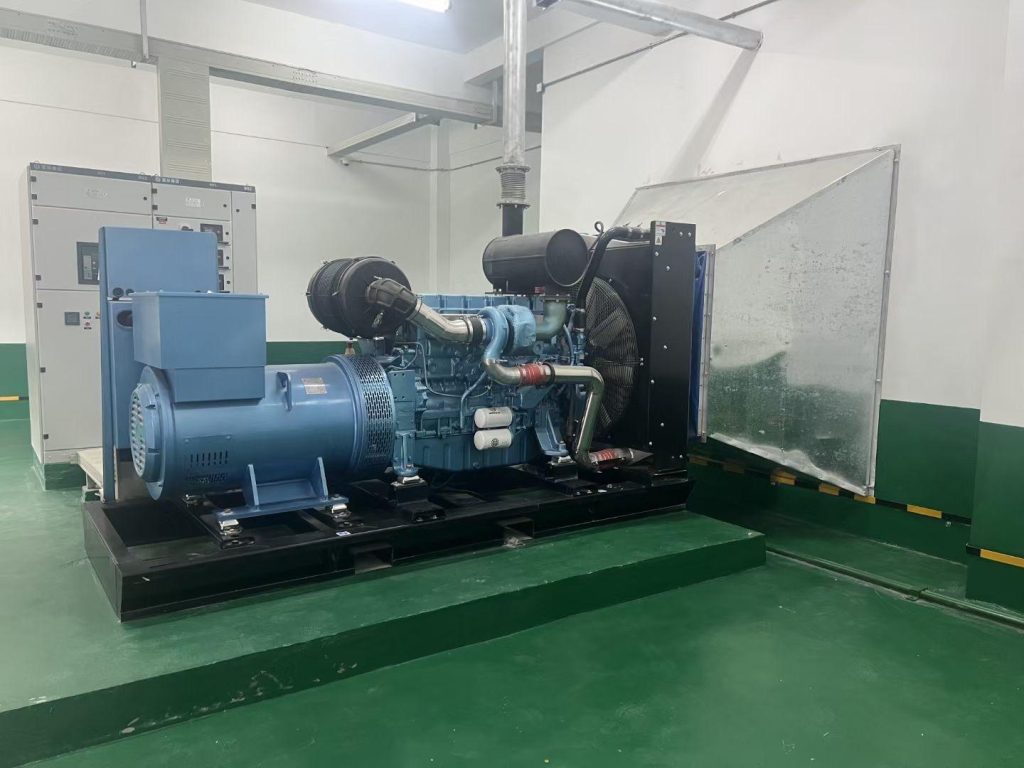
Which test does the rating come from?
The rating comes from a furnace test in which one face is heated on a standard curve and the other face is measured for temperature and for integrity. The curve is fixed, so the result depends on the wall build rather than on the burner. Two walls tested to different standards cannot be compared by their numbers, because the curve and the furnace differ between standards, and the result is only valid for the wall that was tested. A generator set canopy for a lobby is tested on the same curve as one for a plant room.
A test of 1 h is run with the furnace within 2% of the standard curve, and a wall that rises by more than 5% of the ambient figure fails: 180 C x 5% = 9 C, and that is the margin a cable inside the canopy has. Ask for the test report rather than the certificate alone. Yangzhou Tesla Power keeps the report with the canopy serial so the wall can be traced.
| Item | Typical figure | Note |
|---|---|---|
| Test duration | 60 min | Furnace on a standard curve |
| Wall build | 100 mm mineral wool | Foil faced, staggered joints |
| Cable class | 90 C minimum | Mineral insulated on an escape route |
| Certificate | Third party, with report | Report number on the offer |
What does the rating say about the wall?
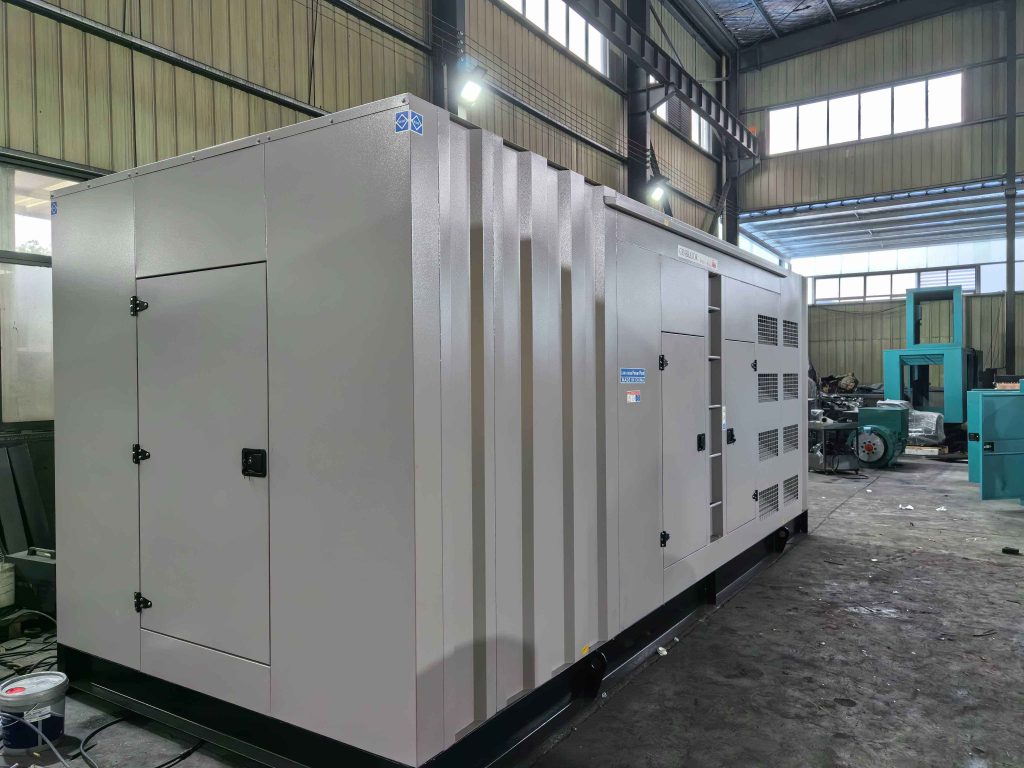
The wall is a steel skin with insulation behind it, and the insulation is what keeps the outside face cool. A 100 mm mineral wool layer is the usual build for a one hour rating on a canopy. A thin layer of the same material holds the integrity and fails the temperature, which is the failure that matters on an escape route.
The joints matter as much as the thickness, because heat finds a gap between two panels before it goes through either of them. A wall with a compressed gasket and a staggered joint holds a rating that the same wall with a butt joint loses. Ask for the joint detail on the drawing. A rating quoted for a panel is a rating that says nothing about the seams between panels.
Where does the heat go in a fire?
The heat leaves through the exhaust and through the openings, and a canopy that is sealed for fire has nowhere to put it. A fire inside a closed shell raises the internal pressure and finds the weakest gasket. That is why the exhaust penetration is the detail a fire engineer looks at first on a canopy.
The exhaust also carries the heat away from the set during normal running, so the penetration has to work in both conditions. A bellows with a fire collar rated for 2 h is the usual answer, and a plain hole with a boot is the usual failure. Ask for the penetration detail with the collar. Tesla Power Equipment fits a collar on every exhaust penetration and photographs it before the wall closes.
What does the rating mean for cables inside?
A cable inside a rated canopy has to survive the temperature the canopy reaches for the duration of the rating, and a standard PVC cable does not. A cable rated to 90 C is the minimum on a one hour canopy and a mineral insulated cable is the safe answer on an escape route, since a cable that fails inside the canopy takes the control circuit with it. Ask for the cable class on the same line as the wall rating.
The cable entry is where the rating leaks, because a gland plate with an oversize hole is a hole in the wall. A rated gland with a seal and a fire stop around the plate keeps the figure. Ask for the entry detail and the sealant. A canopy with a perfect wall and an open cable tray through it has a rating that ends at the tray. Tesla Power fits a rated gland plate on every entry and seals it before the wall closes.
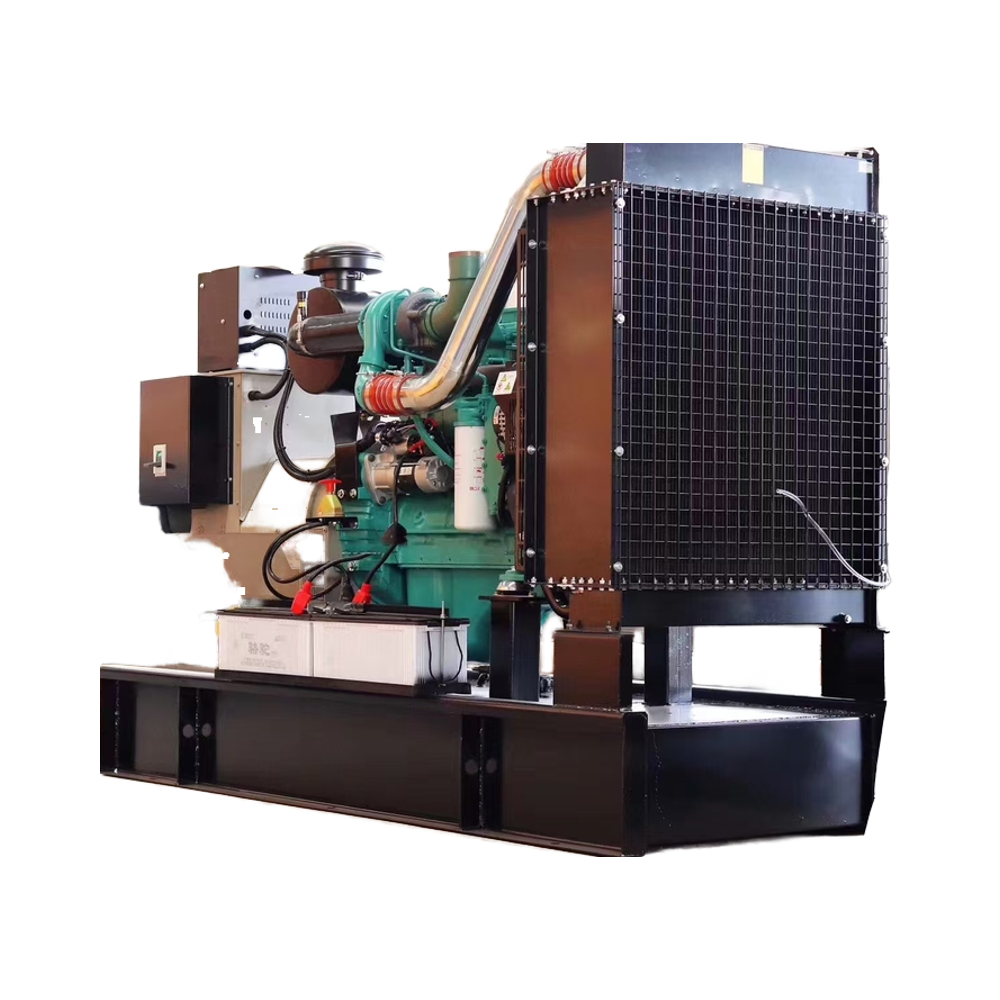
What does the site have to do to keep the rating?
The rating survives only while the wall is intact, so a canopy that has been cut for a new cable or a new pipe has lost it at that point. Every later penetration needs the same collar and the same sealant as the original. A site that cuts a hole and fills it with foam has a canopy with a rating on paper only, and the fire officer will find it at the first inspection.
The doors need their gaskets and their closers, because a door that stands open for 5 min defeats the wall. A canopy on an escape route also needs the door to open in the direction of travel, which changes the hinge side from the service layout. Ask for the fire drawing to show the door swing. Tesla Power marks the fire doors on the drawing rather than leaving it to the site.
What does the offer need to state?
The offer should give the test standard, the duration, the wall build, the door and louvre ratings and the penetration details. Five items on one line let a buyer check the canopy against the site rule without reading a test report. Ask for the report number as well, because a certificate without a report cannot be verified.
The wording on the offer matters too. Chinese generator set canopy suppliers often quote a fire rating as a duration with no standard named, and a generator set canopy factory in China page can show a wall the factory does not build. Ask for generator set canopy for a plant room, generator set canopy for the wall and generator set canopy in a basement as three separate cases. Tesla Power prints the five items on the fire drawing.
What does the handover file record?
The file carries the test standard, the report number, the wall build, the opening ratings and the penetration details. One page covers the rating when those five items sit under the canopy serial number. Add the conformity assessment for the canopy fire rating when the installation is part of a permit package and the fire officer has to sign it off.
Hand the page to the fire officer and to the technician who will cut the next hole, because the two need the same page. the Yangzhou factory describes the wall the canopy is built on, the commissioning notes lists the shells that ship with a rated wall, the build range explains how the wall temperature is measured, the 1000kW container build shows the frame that matches the duty, the ISO 8528-1 duty definitions sets the test basis the rating comes from, and the NFPA 110 maintenance routine covers the fire standard behind the report.
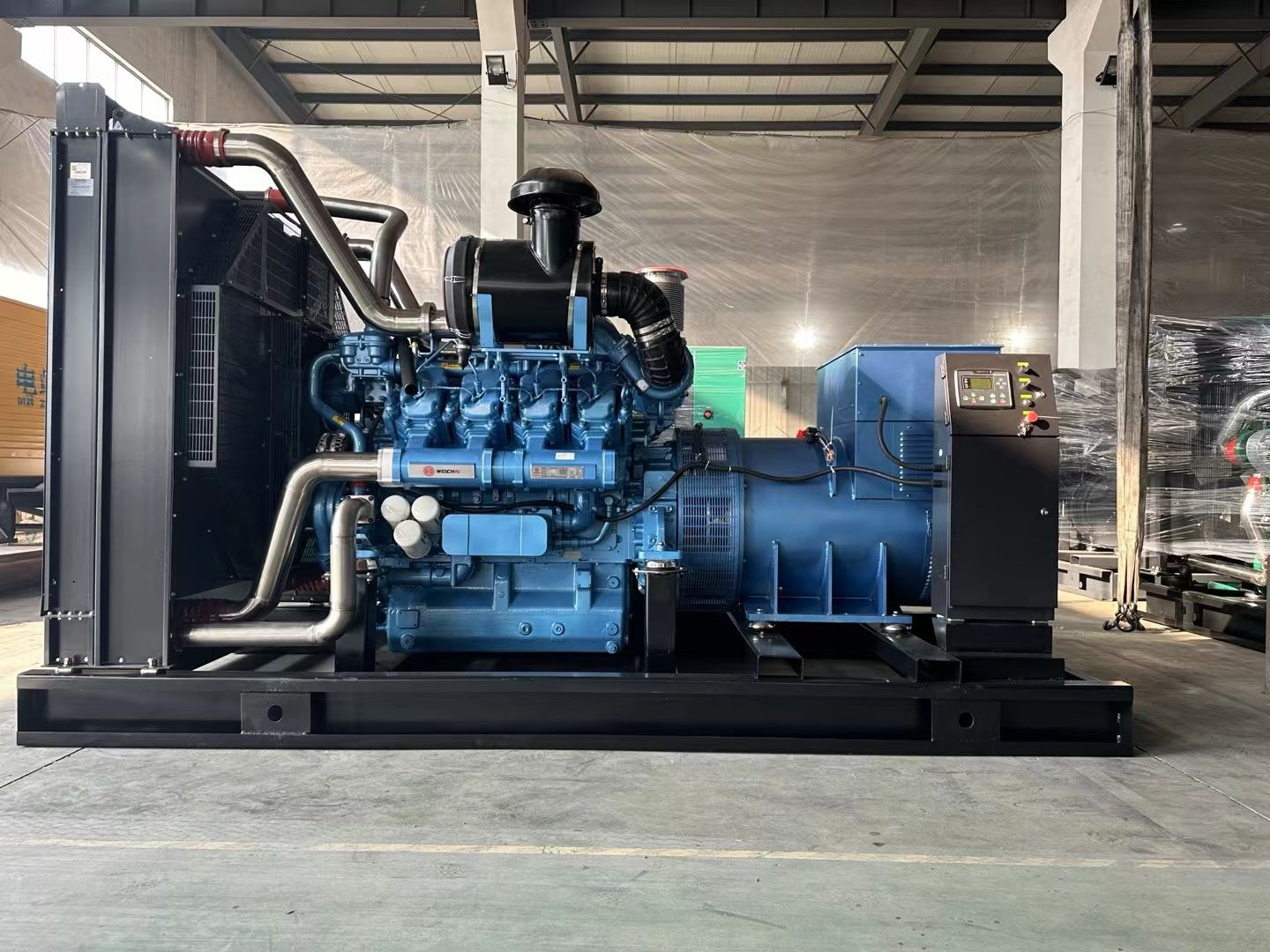
Frequently asked questions about canopy fire ratings
It does, because the insulation adds mass and the wall needs a heavier frame to hold it. A rated canopy is often a third heavier than the same shell unrated. Ask for the weight with the rating so the crane and the plinth are planned for it.
It can only be added by rebuilding the wall, because the insulation goes behind the skin and the joints have to be staggered. A site that asks for a rating after delivery is asking for a new canopy. Decide the rating before the steel is ordered.
Integrity is whether the wall still holds a flame and a hot gas path, and insulation is whether the far face stays cool. A wall can pass the first and fail the second. Ask for both figures rather than one, since the second is the one that protects people.
They do, and a louvre is the hardest opening to rate because it is designed to pass air. A fire damper or an intumescent louvre is the usual answer. Ask how the louvre closes and what closes it, since a louvre that stays open sets the rating for the canopy.
A test report does not expire, and the certificate that refers to it usually does. Ask for the report number and the date of the test rather than the certificate date alone. A report from another wall build does not cover the canopy on the offer.
The rating is lost at that hole until it is sealed to the same detail as the original penetration. A cable added without a collar is the most common way a rated canopy loses its figure. Tesla Power supplies spare collars with the canopy so the next hole can be done properly.