
Generator set coolant alarm set points decide when the controller warns the operator and when it stops the engine. Check the specification against the derate curve, then compare supplier offers before you order. Tesla Power writes both points on the drawing; send the load list to the technical desk and we confirm it.
- Set the alarm below the derate point, so the warning arrives before the set loses load.
- Add a delay of a few seconds so a sensor spike does not stop a set that is carrying a hospital.
- Fit a low coolant level switch as well as a temperature switch, because a dry sensor reads cold.
- Test both alarms at commissioning by simulating the signal, not by overheating the engine.
What does a generator set coolant alarm protect?
It protects the engine from the two failures that destroy a head: running hot and running dry. A high temperature alarm catches a blocked core, a failed fan or a stuck thermostat. A low level alarm catches a leak or an air pocket before the pump pulls vapour and the head loses its only path for heat. The two alarms answer different faults. A set that stops on temperature with no alarm on the panel tells the operator nothing, and the next start repeats the fault.
The alarm is also a legal item on a standby set, because a code installation has to annunciate a coolant fault in the room and often at a remote panel. A set that stops without an alarm looks like a fuel problem to the operator, and the next start repeats the damage. Tesla Power lists both alarms on the controller schedule so the annunciation is designed rather than discovered.
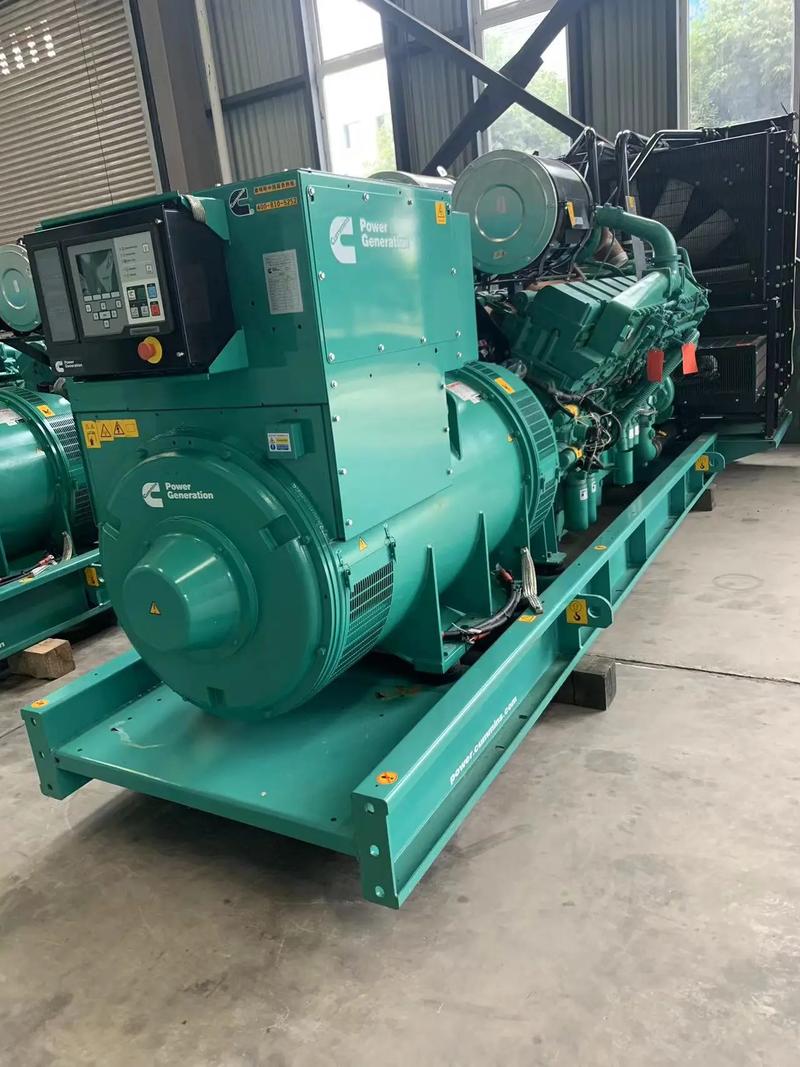
Which set point belongs on the controller?
Work back from the derate curve and the thermostat, not from a round number. A set with a 0.9 bar cap and a 50% glycol mix holds a high boiling point, and the alarm belongs about 8 °C under the point where the maker starts to derate. That puts the warning ahead of the loss of load rather than beside it. A round number such as 95 °C is a default in a controller menu rather than a design decision, and it ignores the cap rating the loop actually carries.
The stop point then sits a few degrees above the derate point, so the operator has a window to shed load before the set stops. A 500kVA set at 0.8 pf delivers 400kW at 100% load, and the alarm sits 8 °C below the derate point: 102 °C less 8 °C = 94 °C. Tesla Power prints both figures with the ambient they assume.
| Alarm | Set point | Action |
|---|---|---|
| High coolant temperature | 94 °C | Alarm, then derate at 98 °C and stop at 102 °C |
| Low coolant level | 10% below full | Alarm only, with a delay of 20 seconds |
| Low coolant pressure | 0.3 bar at rated speed | Alarm, then stop after 30 seconds |
| Sensor circuit open | Detected on the loop | Alarm and default to the derate value |
Why does the alarm fire on a cold start?
A temperature sensor sits in a pocket that fills with coolant, and an air pocket leaves it dry. A dry sensor reads the metal around it rather than the coolant, and the controller then sees a temperature that climbs fast and high. The alarm fires within a minute of a cold start, which is the opposite of what a hot engine does. Bleed the pocket and the reading settles within a minute, which is the test that separates air from a real overheat.
The fault is a bleed problem rather than a sensor problem, and the fix is to bleed at the highest point with the engine running. A low level switch that sits above the pocket catches the same fault earlier. Tesla Power Equipment bleeds every loop at the bay and marks the bleed points on the layout, because a site that repeats the fault has usually lost the drawing.

How is the sensor proved without draining the loop?
Disconnect the sensor and substitute a resistance box at the controller end, then sweep the value through the alarm point and watch the display. That proves the wiring, the controller and the annunciation in one pass. A sensor that reads correctly at ambient can still be wrong at 90 °C, so check the top of the range as well as the bottom.
For a switch type sensor, bridge the terminals and confirm the alarm appears within the delay the controller allows. Then remove the bridge and confirm the alarm clears. Yangzhou Tesla Power records the simulated value at which each alarm appears, because a set point that has drifted by 5 °C is invisible on a display that only shows the current reading. Write the two values on the sheet and compare them with the design figures, because a drift of a few degrees is the first sign that a sensor is going.
What should the operator do when the alarm fires?
Read the display before touching anything, because the reading at the moment of the alarm is the only record of what happened. Then shed load if the set is carrying a variable load, and check the coolant level only after the engine has cooled. Opening a cap on a hot loop is how an operator gets scalded.
If the level is low, look for the leak before topping up, since a top up hides a split hose until the next start. If the level is correct and the temperature is high, check the fan, the belt and the louvre. Tesla Power prints a four step card on the canopy door so the operator has the sequence without calling the office at night. Keep a spare cap, a spare sensor and a litre of premixed coolant in the room, because the first hour after an alarm is when the operator has the best chance to save the set.
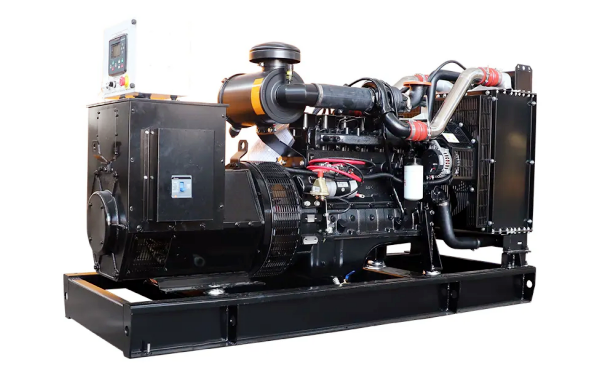
How is the alarm tested at commissioning?
Simulate every alarm in the schedule, one at a time, and confirm three things: the local display, the remote annunciation and the controller log. A code installation expects the log to show a timestamped event for each alarm. Then confirm that the stop point actually stops the engine on a test load rather than only lighting a lamp.
Run the test with the set on load rather than at idle, because a controller behaves differently when it is carrying current. Log the simulated value, the display reading and the action taken for each alarm. A commissioning sheet with those three columns per alarm is the document a surveyor asks for first. Allow a 3 second delay on the temperature alarm and 20 seconds on the level alarm. A stop test also proves the fuel shutoff and the breaker opening, which are the two actions that follow the alarm.
What should a buyer put on the enquiry?
Send the derate curve, the coolant mix, the cap rating and the ambient the set has to hold. Add whether the site needs a remote annunciator and whether the code requires a stop or a warning only. Those six items decide the set points, and they also show whether the quotation has copied a default from a controller menu.
The wording on the offer matters too. Generator set coolant alarm manufacturers often quote a single temperature switch, and Chinese generator set coolant suppliers sometimes ship a switch with no hysteresis, so the alarm chatters at the set point. Ask for generator set coolant alarm for a remote site, generator set coolant in a mixed fleet and generator set for a standby room as three separate cases. Tesla Power lists both set points on the drawing, and the 1000kW container build shows the sensor pocket.
What does the handover file record?
The file carries the alarm value, the stop value, the delay, the simulated test result and the remote annunciation point. One page covers the protection when those five items sit under the engine serial number. Add the conformity assessment for the alarm panel when the installation is part of a permit package.
Hand the page to the operator who takes the standby duty rather than to the buyer who placed the order. the Yangzhou factory describes the bay where the set points are proved. the commissioning notes lists the frames that ship with a remote annunciator, the build range explains how a sensor is swapped without draining the loop, the ISO 8528-1 duty definitions sets the rating basis the derate curve comes from, and the NFPA 110 maintenance routine covers the load steps the set was accepted on.
Frequently asked questions about generator set coolant alarm
Raising it moves the warning closer to the derate point and shortens the window the operator has to shed load. Fix the nuisance instead, which is usually a sensor in a dry pocket or a delay that is too short. A set point chosen to hide a fault is a set point that stops a hospital at the wrong moment.
It works if the switch is rated for the loop pressure and mounted where it sees the level rather than the flow. A float switch in a header tank is the simplest arrangement. A conductivity probe in the top hose reads vapour as a level and gives false alarms, so mount it low.
A self clearing alarm usually comes from a sensor with a loose terminal or from a delay that is shorter than the thermal lag of the loop. Read the controller log for the timestamps. A pattern of short alarms an hour apart points to a wiring fault rather than to a cooling fault.
Most installations warn on low level and stop only on high temperature, because a level sensor is the least reliable of the two. Stopping on a false level signal takes a standby set out of service for no reason. Warn early, stop late, and log both.
Test it at commissioning and then at every annual service, using the simulation method rather than a heat test. A monthly test is worth doing on a hospital set, and it takes ten minutes with a resistance box. Write the simulated value on the log each time.
The coolant boils at a lower temperature at altitude, so the same set point gives less margin before the loop reaches boiling. Recheck the alarm value against the local boiling point when the site sits above 1,500 m. Tesla Power recalculates both points from the site altitude on the enquiry.