
Generator set differential relay protection compares the current at both ends of the winding, and the zone it draws decides what it can clear. Read where the zone ends and how the setting is chosen and proven. Tesla Power marks the zone on the single line, so send the drawing to our sales desk for a quotation.
- Ask where the zone ends, because a zone that stops short of the breaker leaves the cable uncovered.
- Check the current transformer ratio at both ends, since a mismatch makes the relay see a fault that is not there.
- Look at the slope setting, because a plain differential trips on every external fault.
- Ask how the relay was proven, because an injection test proves the device and not the zone.
What does a generator set differential relay protect?
A differential relay protects the winding inside the zone it is wired across, and it does that by subtracting the current leaving the set from the current entering it. In a healthy set the two are equal and the difference is close to zero. A fault inside the winding sends current into the fault instead of out to the bus, so the difference stops being zero and the relay sees it.
That makes the relay the only protection that responds to a fault inside the alternator rather than to its consequences. An overcurrent relay sees a winding fault as a large current after the fact, and a differential relay sees it as a difference before the set is destroyed. Tesla Power Equipment fits the relay on frames above the size where a winding fault is worth repairing rather than replacing.
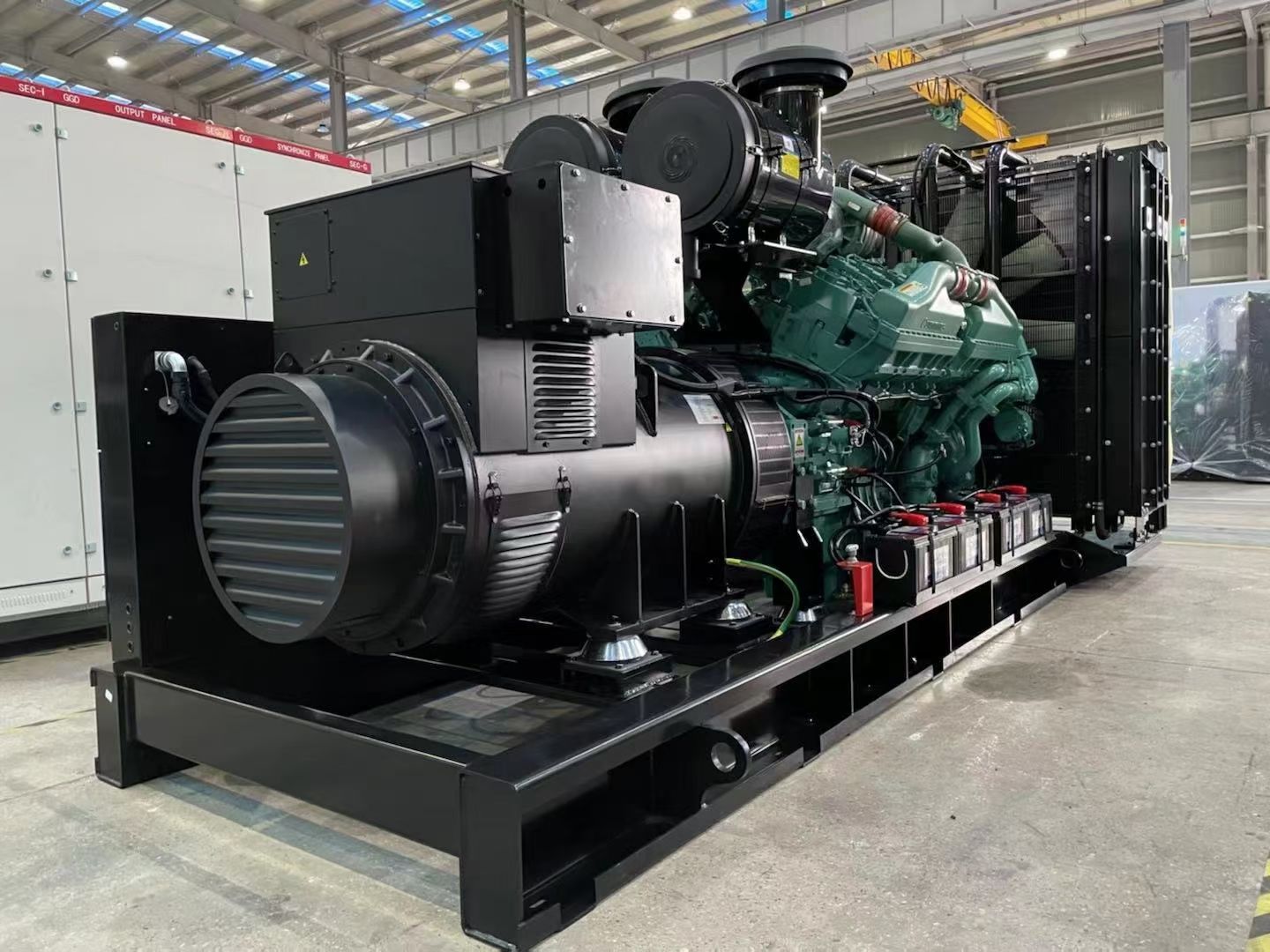
Why does the zone end at the breaker?
The zone has to end somewhere, and the sensible end is the breaker that can be opened to clear it. If the zone ends at the alternator terminals, a fault in the cable between the set and the breaker is outside every protection on the set. If the zone ends at the breaker, the cable is inside the zone and the relay can clear it by tripping the breaker it already controls.
Ending at the breaker also decides which current transformers are used, because the zone is defined by the pair that brackets it. A generator set for a plant where the breaker sits in a separate panel needs the second transformer mounted in that panel and the wiring run back to the relay. A generator set in a container with the breaker beside the alternator has the pair in one place, which is easier to test, and the 500kVA export frame is built with the pair on one panel.
| Zone end | What it covers | What it leaves out |
|---|---|---|
| Alternator terminals | The winding only | The cable to the breaker |
| Set breaker | Winding and cable | The bus beyond the breaker |
| Bus section | Winding, cable and bus | Nothing, at the cost of overlap |
| Two sets in parallel | Each winding separately | The other set |
| Zone with a shared neutral | Ambiguous, needs care | Depends on the earthing |
How is the setting chosen?
The setting is a small share of the rated current, and it is chosen against the mismatch the two transformers can produce rather than against the fault current. A pair of identical transformers on the same burden produces a small difference at rated current, and the setting has to sit above that difference and below the smallest fault worth clearing, which is the figure Tesla Power asks the panel builder to confirm. A bias or slope element then raises the threshold as the through current rises.
A 400kVA set at 0.8 pf carries 320kW, so 400kVA × 0.8 = 320kW; at 400 V the rated line current is 577 A, a 10% differential setting is 58 A, and a transformer of 600/5 turns that into 0.48 A at the relay terminals. The setting in amperes at the relay is the number a technician can measure, and the setting in amperes on the primary is the number a buyer can check.
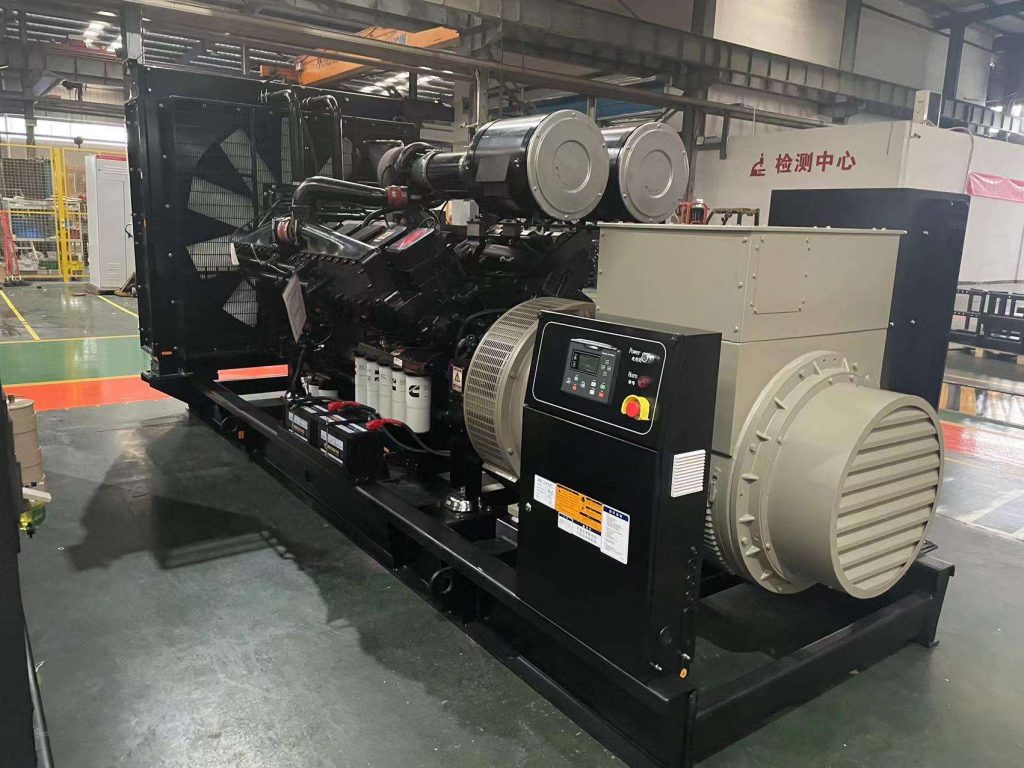
What does a current transformer mismatch do?
Two transformers of the same ratio and the same class produce almost the same secondary current, and the small difference between them is the floor the setting has to clear. A transformer of a different class saturates at a different point and the difference grows with the through current, which is why the slope element exists. A pair of different ratios produces a difference at every load and the relay cannot be set at all.
The mismatch is the most common reason a differential relay trips on a healthy set, and the symptom is a trip that appears at a particular load rather than at random. Tesla Power records the ratio and the class of both transformers on the setting sheet, and the tolerance the pair has to meet follows the ISO 8528-1 rating categories.
How is the relay proven by primary injection?
Primary injection pushes a known current through the primary of one transformer and back through the other, which proves the transformers, the wiring and the relay as one circuit. Secondary injection proves the relay alone, and the wiring between the relay and the transformers is where a loose terminal sits. The record should show the injected current, the relay reading and the trip, and the frame range for export states which frames ship with the injection points fitted.
The test is also the moment to prove stability, by injecting a current that passes through both transformers in the same direction and confirming the relay holds. That is the through fault case, and it is the case that a plain differential gets wrong. Tesla Power writes both halves of the test into the commissioning sheet, so the zone is proven for a fault inside it and for a fault outside it, on the routine that the NFPA 110 acceptance test sets out.
Which records prove the zone is stable?
Three records prove it: the transformer ratio and class sheet, the primary injection result with the trip value, and the stability test at a through current. The first shows the pair was matched, the second shows the relay trips when it should and the third shows it holds when it should not. A file with only the first two describes a relay that may trip on every external fault.
The stability record belongs beside the load test, because a through fault is rare and the protection has to be proven before it happens. A generator set for a plant with a long cable run needs that record more than a compact installation does, because the cable adds a capacitance that shifts the currents the relay sees. the installation notes set out the sequence for both halves of the test.
What should the offer state about protection?
The offer should state the zone, the transformer ratio and class at both ends, the setting in primary and secondary amperes, and the test that proves the pair. Those four lines let a buyer check the protection against the single line diagram instead of against a catalogue page. Most generator set manufacturers list the relay as an option and leave the zone to the panel builder, and the zone is what decides whether the protection works.
Chinese generator suppliers who print the zone and the transformer pair make the comparison possible, and a generator set for the first year of service shows the difference the first time a cable fault has to be cleared. A generator set in a plant where the breaker sits in a remote panel needs the zone drawn before the cable is ordered, because the length decides where the second transformer goes.
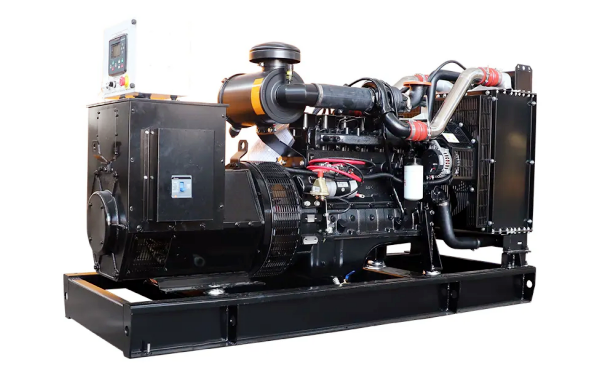
What does the handover file carry for the relay?
The handover file carries the zone drawing, the transformer ratio and class, the settings and both test results, all on one sheet with the serial number of the set. A buyer who reads it can tell whether the zone covers the cable and whether the relay was proven for stability as well as for a trip. Yangzhou Tesla Power issues that sheet with the set, so the annual test starts from a recorded pair rather than from a nameplate.
The file also carries the relay curve and the slope, because a setting changed without the curve is a number with no context. Generator set documentation for a differential zone is only complete when the curve appears beside the setting, and the protection bay that checks the pair follows the Yangzhou assembly line routine.
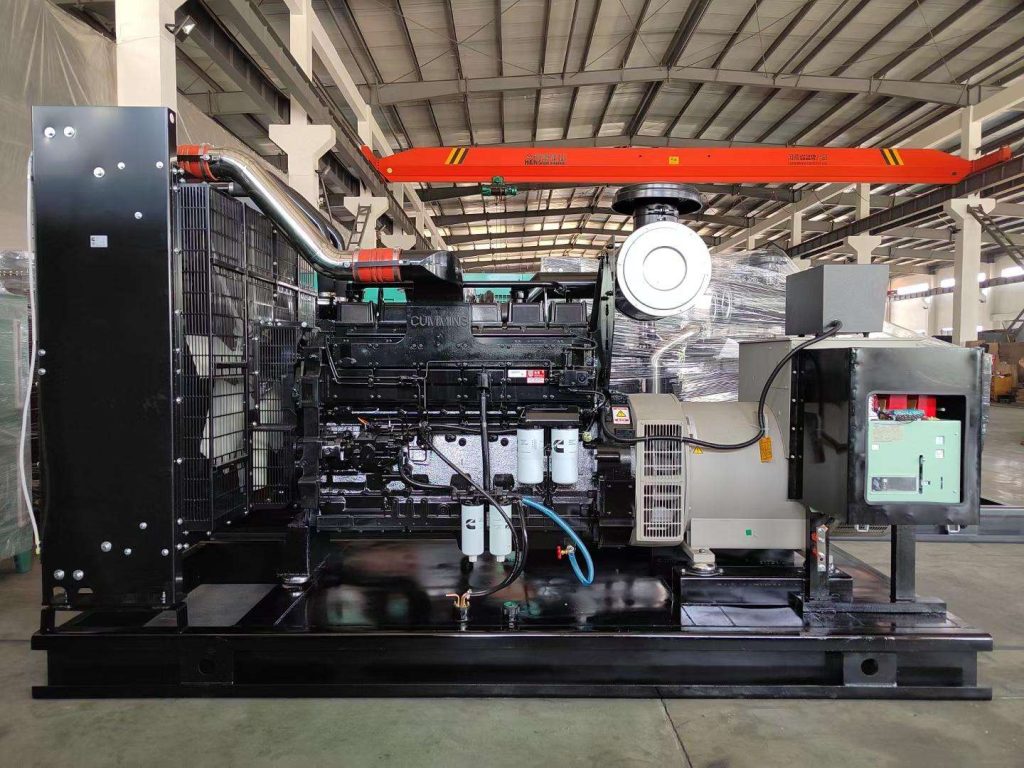
Send the single line diagram and the breaker position with the enquiry, and the zone, the transformer pair and the test come back as one answer instead of three items a panel builder has to reconcile. Tesla Power writes that answer into the offer, so the protection is visible before the order rather than after the first cable fault.
Frequently asked questions about generator set differential relay
A small set is usually replaced rather than rewound, so the relay protects an asset that is cheaper to swap. The economics change above the frame size where a rewind is worth doing. Ask what a rewind costs before deciding.
It can when the metering transformers meet the class the protection needs, and metering class is usually lower than protection class. Sharing saves a set of transformers and puts the protection behind a device that was chosen for a different job. Check the class before sharing.
Because the difference between two transformers grows with the through current, and a fixed pick up has to be set above the worst case. A slope lets the setting stay low for a fault and rise for a through fault. Both elements belong on the same sheet.
The relay sees the sum instead of the difference and trips as soon as the set carries load. The symptom appears at the first load rather than at the first fault, which makes it easy to find. Check polarity before the first energisation.
It can prove the relay and it cannot prove the wiring, which is where most faults sit. A file with only a secondary test describes a device rather than a zone. Ask for the primary test as well.
It does, because each set needs its own pair and the bus beyond the breakers is outside both zones. A plant that adds a set later needs the drawing revised. Tesla Power asks for the final plant layout before the zone is drawn.