
Generator set oil change interval follows the duty cycle, the fuel sulphur and the sump size rather than the calendar alone. Check the specification against the site conditions, then compare supplier offers before the order. Tesla Power writes the interval on the service card; send the fuel report to the technical desk and we confirm it.
- Read the interval as running hours or months, whichever arrives first on the site.
- Check the fuel sulphur figure, because high sulphur shortens the oil life quickly.
- Take an oil sample before the change rather than after, so the trend has a baseline.
- Keep the filter part number on the engine plate, since a wrong filter bypasses the interval.
What sets a generator set oil change interval?
Three things set it: the running hours, the fuel quality and the sump size. A set that runs continuously at full load on clean fuel reaches the interval in weeks, while a standby set may reach the calendar limit first with very few hours on the clock. Both limits apply, and the shorter one wins. A set with a long running season and a short calendar limit is the case that catches most sites out.
The sump size matters because a larger volume of oil carries more contaminant before the additive package is spent. A set with a small sump and a high fuel rate reaches the limit first, and that is the combination most often quoted with the wrong interval. Tesla Power writes the interval against the sump volume rather than against the engine family, because the two do not travel together.
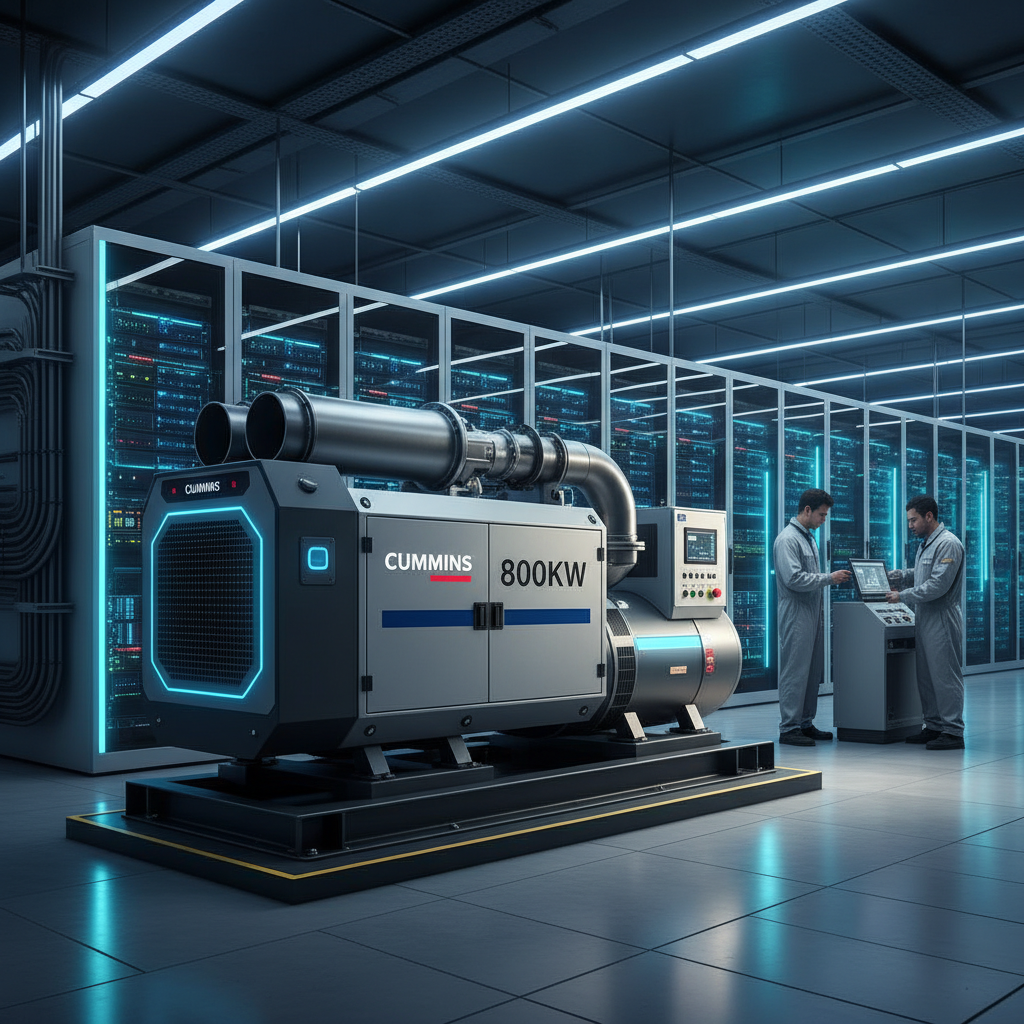
Which interval figure belongs in the service card?
A typical figure for an export set is 250 h or twelve months, with the first change at 50 h after commissioning. A set on low sulphur fuel and a clean site can run to 500 h, and a set on high sulphur fuel should stay at the shorter figure. The card should name both the hours and the months rather than one of them.
The first change matters more than the rest, because a new engine sheds metal into the oil while the rings bed in. Leaving that first fill in place for a full interval carries the metal through the bearings. Tesla Power Equipment sends the first change figure on the commissioning sheet, and the technician writes the hour meter reading beside it so the second change has a reference.
| Condition | Interval | Note |
|---|---|---|
| First change after commissioning | 50 h | Bedding in metal is in this fill |
| Low sulphur fuel, clean site | 500 h or 12 months | Sample at half the interval |
| High sulphur fuel | 250 h or 12 months | Watch the total base number |
| Hot site above 40 °C | Quarter less | Oxidation runs ahead of the hours |
Why does fuel sulphur shorten the oil life?
Sulphur burns to acids that the oil has to neutralise, and the additive that does the work is used up in proportion to the sulphur in the fuel. A set on high sulphur fuel therefore uses its reserve faster than a set on low sulphur fuel at the same hours. The total base number reading is how that reserve is measured.
A total base number above 3 means the oil still has reserve, and a figure near 1 means it is spent even if the hours say otherwise. That is why an oil sample is worth more than the hour meter on a site with uncertain fuel. Tesla Power asks for the fuel sulphur figure on the enquiry, because the interval and the oil grade both follow from it.
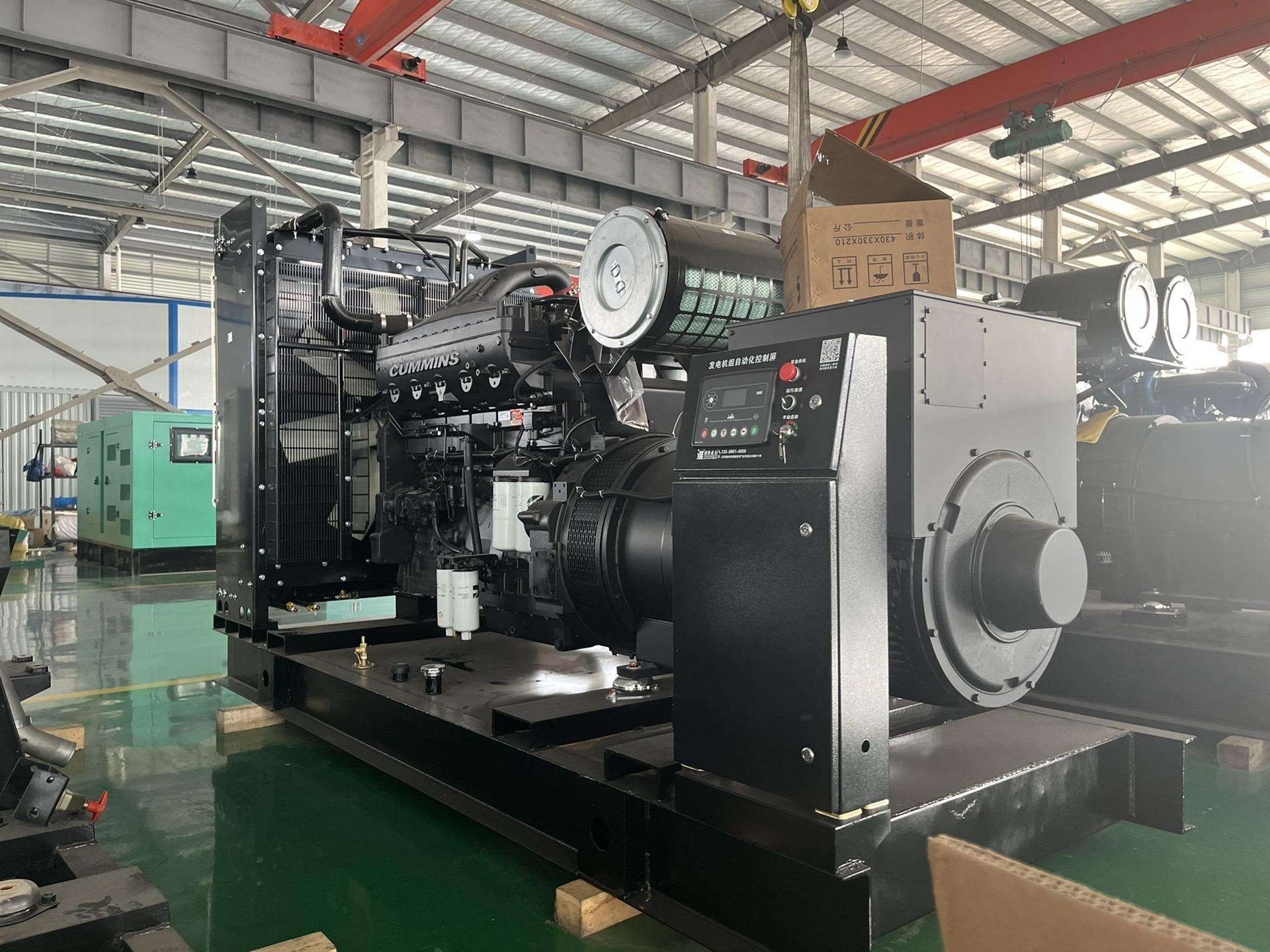
How does a hot site change the figure?
Heat oxidises oil faster, so a set in a plant room at 45 °C reaches the end of its oil life sooner than the same set in a mild climate. The hour meter does not know about the ambient, and a service card written for a European site is optimistic on a desert one. Reduce the interval by a quarter on a site that runs hot for most of the year. A service card written for a mild climate is the first document to revise when a set moves to a hotter yard.
The cooling system matters here as well, because a set that runs hot for another reason oxidises its oil faster and the oil analysis shows it before the temperature gauge does. A viscosity that has risen by more than a fifth against the new oil figure points to oxidation. Log the ambient with each sample so the trend can be read against the weather. Tesla Power prints the reduction on the card so the site does not have to work it out.
What happens if the interval is stretched?
The oil thickens, the additives deplete and the acid number climbs, and the first symptom is usually a sludged rocker cover rather than a failure. By the time the bearings show wear the damage is done and the cost is an overhaul rather than a drum of oil. Stretching the interval saves a small amount and risks a large one. A drum stored in the sun for a season is not the same oil as one kept in the shade.
A stretched interval also voids most warranties, because the maker asks for the service records and the hour meter readings. Keep the drum label, the filter part number and the hour reading with each change. Yangzhou Tesla Power asks for those three items before it accepts a warranty claim, because a claim without them cannot be assessed.
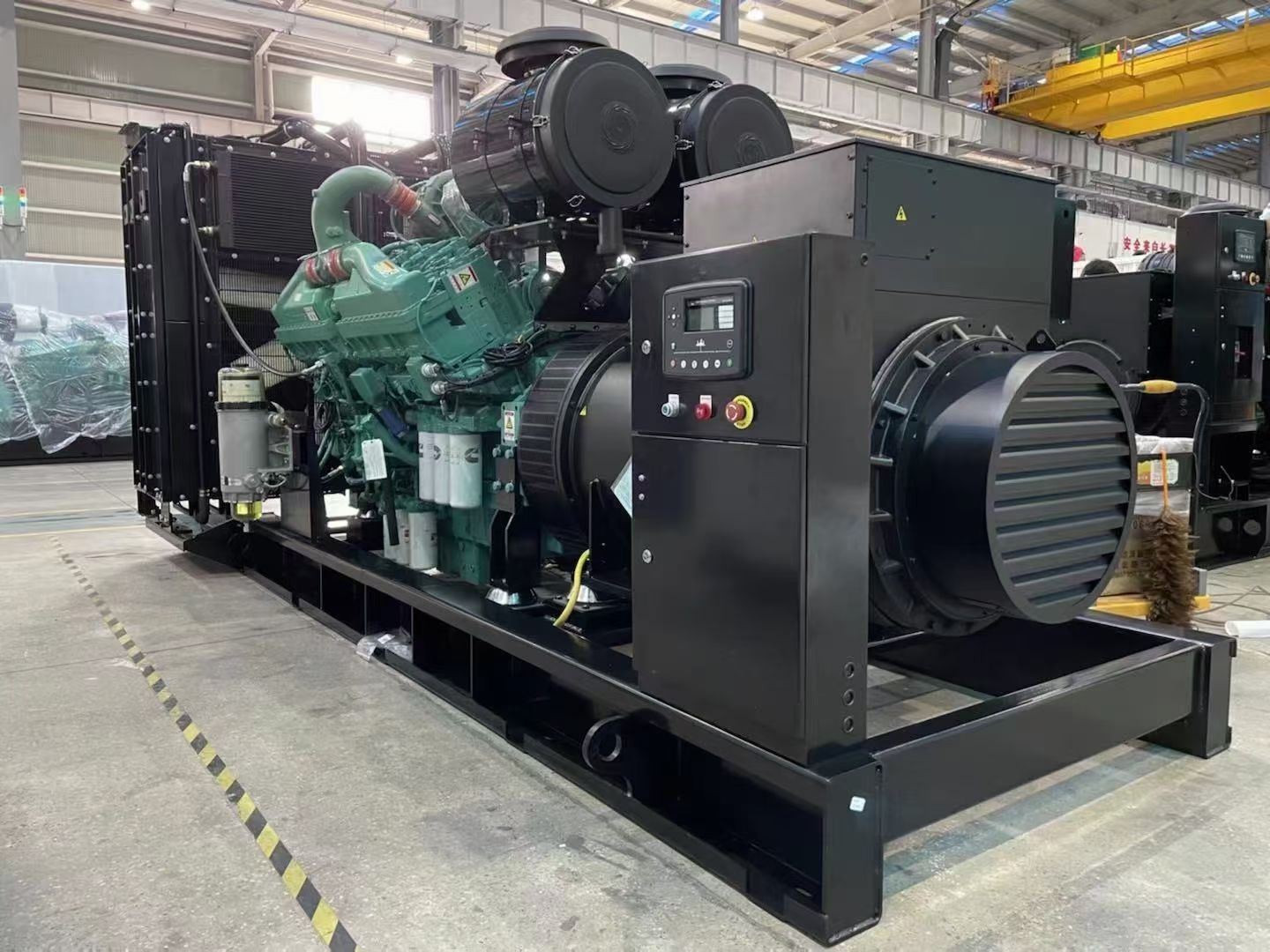
How is the interval proved on site?
Take a sample at half the interval and read the total base number, the viscosity and the wear metals. A sample that is still healthy at half the interval supports the full figure, and a sample that is already spent supports a shorter one. One sample per year per set is enough for a standby fleet.
Then write the reading on the service card beside the hour meter figure, so the next technician sees both. A card with hours alone tells you when the oil was changed and nothing about whether the interval is right. The sample costs less than the oil it protects, and it turns the interval from a habit into a measurement. On a 500kVA set at 0.8 pf and 400kW, 250 h at 80 L/h is 20,000 L of fuel: 250 h x 80 L/h = 20,000 L.
What should a buyer put on the enquiry?
Send the duty cycle, the fuel sulphur figure, the ambient range, the sump volume and the oil grade the site already stocks. Add whether the site has an oil analysis service, because a site that samples can run a longer interval safely. Those six items decide the card, and they show whether the offer has quoted an interval at all.
The wording on the offer matters too. Chinese generator manufacturers often quote a running hour figure with no fuel quality behind it, and Chinese generator suppliers sometimes ship a filter that bypasses at a lower pressure than the maker specifies. Ask for generator set oil change interval for a hot site, generator set oil change in a hot plant room, generator set oil for a high sulphur fuel and generator for a standby fleet as four separate cases. Tesla Power writes the card, and the 1000kW container build shows the filter head.
What does the handover file record?
The file carries the interval in hours, the interval in months, the first change figure, the oil grade and the sample result at the last change. One page covers the service regime when those five items sit under the engine serial number. Add the conformity assessment for the oil record when the installation is part of a permit package.
Hand the page to the technician who changes the oil rather than to the buyer who placed the order. the Yangzhou factory describes the bay where the first change is made. the commissioning notes lists the frames that ship with a larger sump, the build range explains how a sample is taken without draining the sump, the ISO 8528-1 duty definitions sets the rating basis the duty cycle comes from, and the NFPA 110 maintenance routine covers the load steps the set was accepted on.
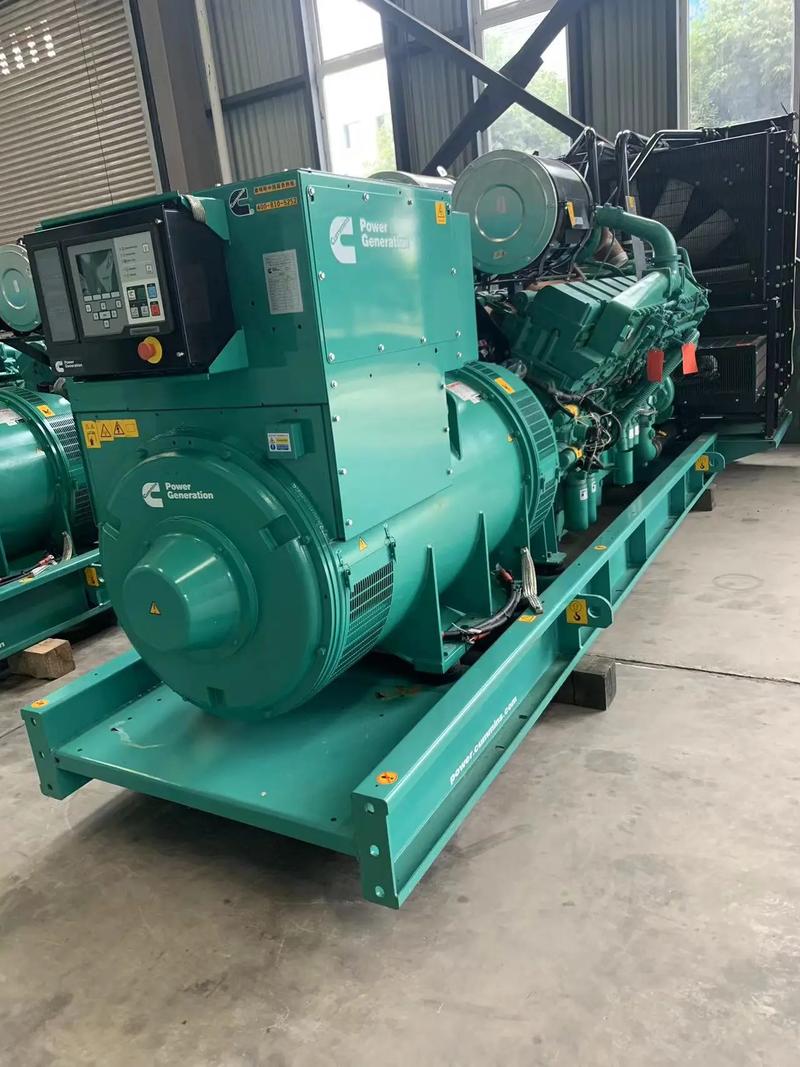
Frequently asked questions about generator set oil change interval
It can be extended within the maker approval, and not beyond it, because the approval covers the additive package rather than the brand. Ask for the approval reference with the oil and write it on the card. An unapproved oil on an extended interval is a warranty risk with no upside.
It needs one at the calendar limit, because oil oxidises and absorbs moisture even when the engine is idle. A set that has run forty hours in two years still needs the change. Condensation in a part filled sump is the reason, and it is worse in a humid climate.
Diesel oil turns black as it holds soot in suspension, and it does that within minutes on a running engine. Colour is not a condition indicator. Read the sample figures rather than the dipstick, and treat a sudden change in colour as a sign to sample early.
It should, because a filter holds the contaminant the oil carried and a new fill releases it back. Changing the oil and keeping the filter is the cheapest way to shorten the next interval. Keep the part number on the engine plate so the filter matches the build.
It takes the sump volume plus the filter and cooler volume, which is often a fifth more than the sump alone. Measure what comes out and compare it with the figure on the card. A short drain means a trapped volume, and the new fill will then be overfull.
Run the shorter interval and record the hours carefully, because the calendar and the hour meter are the only signals left. A site that cannot sample should not run an extended interval. Tesla Power writes the shorter figure on the card when the enquiry says there is no sampling service.