
A generator set skid base carries the engine, holds the fuel and spreads the load into the floor. Compare the plate thickness, the baffle layout and the leak test against the site before you accept an offer. Tesla Power builds base and tank as one part; send the load list to the technical desk and we confirm the plate.
- Ask for the base plate thickness and the foot pad size as two separate figures.
- Check the baffles against the fuel movement the site will see.
- Look at the leak test method, because a painted tank hides a weep.
- Ask how the base is tied down before the set is placed on it.
What does a generator set skid base carry?
It carries the engine and alternator through their feet, and it carries the fuel if the base is also the tank. Those two jobs pull in opposite directions, because a stiff base for the engine is a heavy base for the fuel. The plate has to be thick enough to spread a foot load and thin enough to keep the tank volume the site needs.
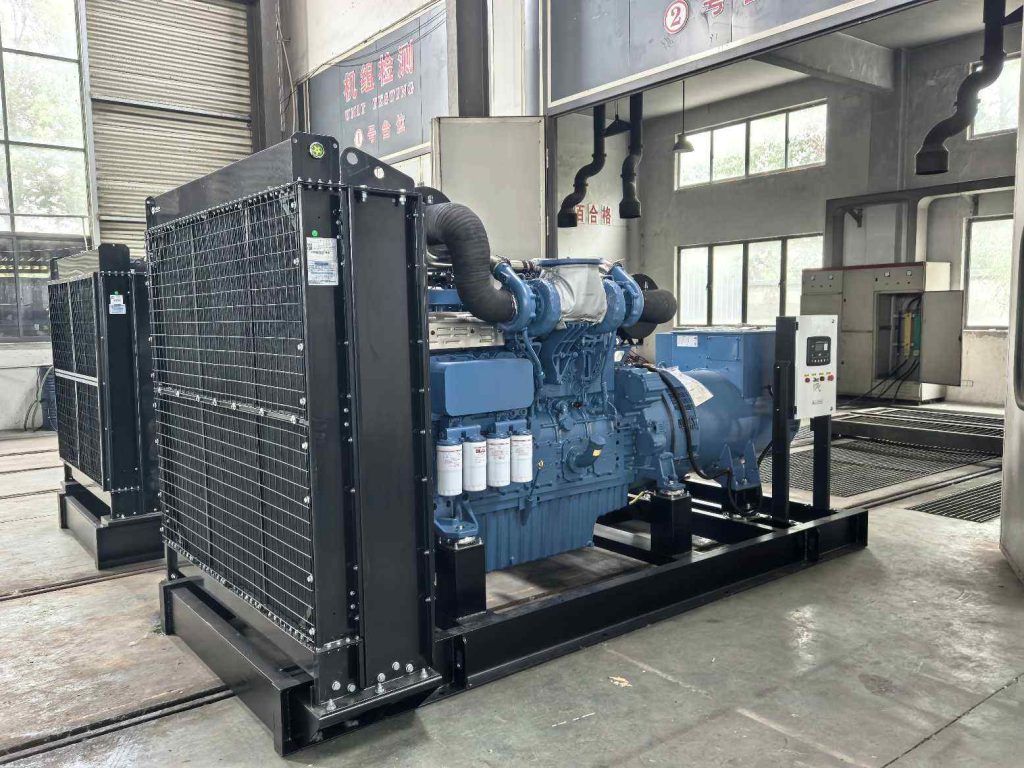
The base also sets the lifting points and the tie-down points, and those are the two places a skid base fails in transport. A frame lifted from the engine feet bends the base before the set reaches the port. Tesla Power puts the lifting lugs on the base rails rather than on the tank top, so the load path runs through the frame. A lug welded to a tank top pulls on a plate that was designed for fuel rather than for a crane.
Which tank shape suits the frame?
A rectangular tank under a skid is the usual shape because it uses the footprint, and the depth is what the buyer chooses. A deep tank lowers the centre of gravity and reduces the floor area the fuel covers. A shallow tank keeps the fuel cool and it sloshes more on a road leg, which is where the baffles come in. A tank that is too deep also leaves no room for the drain valve under the frame.
Baffles divide the tank into compartments so the fuel cannot surge from one end to the other in a brake application. One baffle per 1,000 L is the usual rule, and a tank without baffles is a tank that moves the load onto the drawbar. Ask for the baffle positions on the tank drawing, because a baffle that stops short of the top does very little.
| Item | Typical figure | Note |
|---|---|---|
| Base plate | 6 mm steel | 8 mm above 800kW |
| Baffle | One per 1,000 L | Stops surge on a road leg |
| Foot pad | 150 mm square | Spreads the load into the slab |
| Leak test | Air at 0.3 bar | Held for 24 h, before paint |
How thick should the base plate be?
The plate is set by the foot load and by the span between the cross members, not by the rating alone. A 6 mm plate suits a set up to about 800kW on a frame with close cross members, and an 8 mm plate suits the larger frames. A thin plate on a wide span dishes between the members and the paint cracks at the weld.
The tank walls are thinner than the base plate and that is normal, because the wall carries fuel and the plate carries the engine. The joint between them is where a leak starts, so ask for a full penetration weld at the wall to plate joint. A stitch weld on that joint is a weld that weeps after a year of vibration. Yangzhou Tesla Power welds that joint full penetration and records it on the tank drawing.
How is the base tied to the floor?
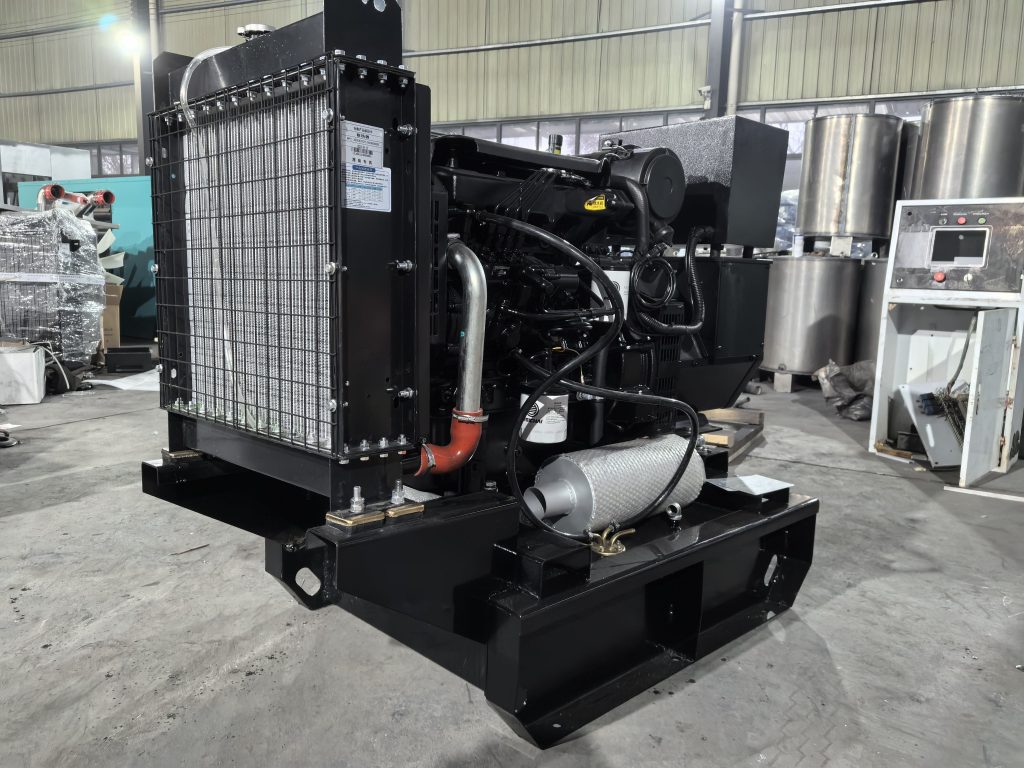
The base sits on foot pads and the pads are bolted to the plinth, and the pad is what spreads the load into the concrete. A 150 mm square pad under each foot is the usual figure for a set on a slab. Bolting straight through a tank bottom puts the bolt in the fuel and the load on the plate. A drilled anchor needs a resin that suits the concrete, and a cast-in anchor needs a template on site at the pour.
Anti-vibration mounts go between the base and the plinth on a set that runs continuously, and they go under the engine on a set that runs for standby. The two arrangements are not interchangeable, because a mount under the base lets the whole tank move. Ask which arrangement the drawing shows and whether the anchors are cast in or drilled. Tesla Power shows the mounts and the anchors on one detail so the plinth is poured once.
What does the base do for vibration?
A skid base adds mass and stiffness under the engine, and both of those lower the amplitude the floor sees. A base that is stiff in one direction and flexible in another turns a vertical shake into a rocking motion. That is why the cross members run under the feet rather than between them.
The base also carries the torsional load from the alternator, and a base that is open at one end twists under a short circuit. Ask for the base to be closed at both ends on a set above 800kW. A 500kVA set at 0.8 pf gives 400kW: 500kVA x 0.8 = 400kW, and the short circuit torque on that set is several times the running torque. Tesla Power Equipment closes the base at both ends on that frame.
How is the base tested for leaks?
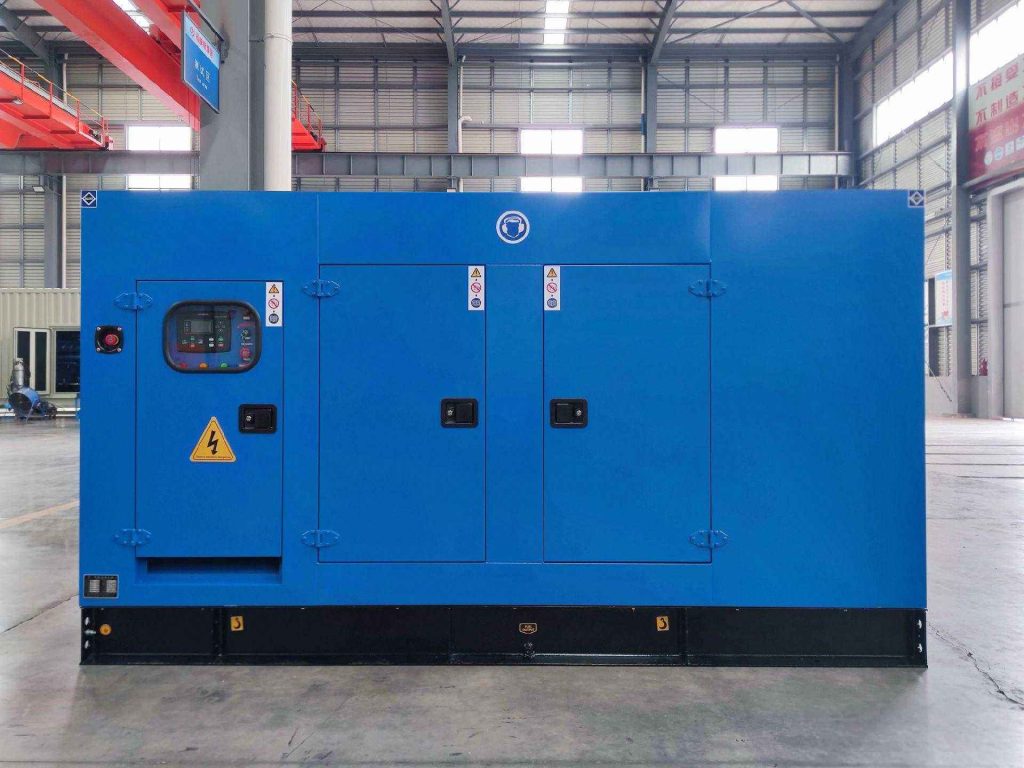
The tank is tested with air at a low pressure and a soap solution on every weld, or with a liquid that is left in place for a day. Air at 0.3 bar held for 24 h with no drop is a common acceptance test. A tank tested with water and drained is a tank that rusts inside before it is painted.
The test has to happen before the paint, because paint seals a weep and hides it until the tank is full on site. Ask for the test record with the pressure, the duration and the date. Tesla Power Equipment tests the tank before the frame is painted and photographs each weld seam, so the record exists even if the sheet is lost.
What does the offer need to state?
The offer should give the plate thickness, the tank volume, the baffle count, the foot pad size, the lifting points and the leak test method. Six items on one line let a buyer check the base against the plinth drawing without opening a file. Ask for the dry weight of the base as well, because that figure decides the crane. Give the volume in litres as well, since a base tank is often quoted in litres and compared in gallons.
The wording on the offer matters too. Chinese generator set skid suppliers often quote a base as part of a set with no plate figure, and a generator set skid base manufacturers page can show a tank that the factory buys in. Ask for generator set skid base for a tank, generator set skid for the road leg and generator set in a plant room as three separate cases. Tesla Power prints the six items on the general arrangement.
What does the handover file record?
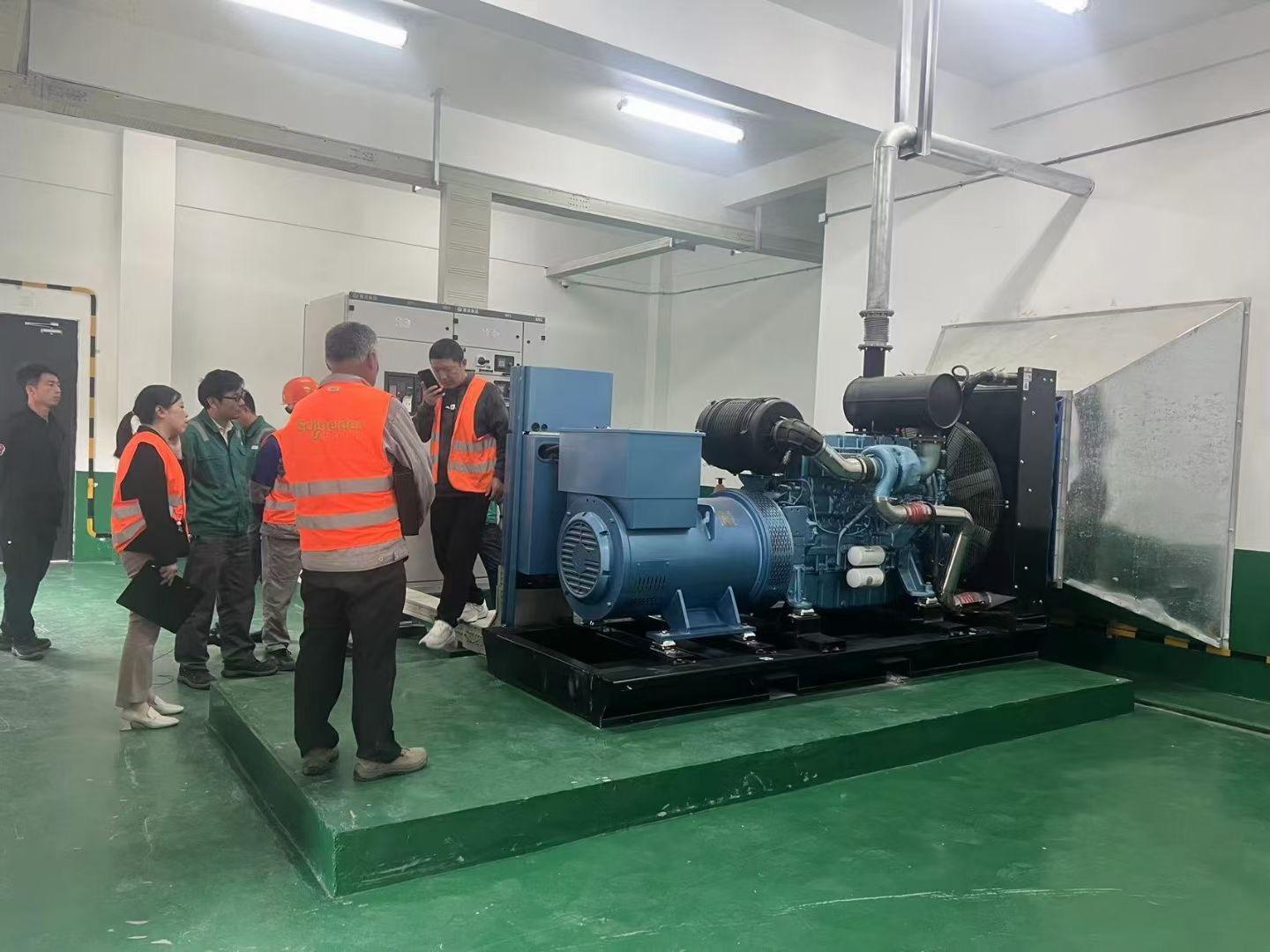
The file carries the plate thickness, the tank volume, the baffle positions, the leak test record and the anchor layout. One page covers the base when those five items sit under the set serial number. Add the conformity assessment for the skid base when the tank is part of a permit package and the bund is on the drawing.
Hand the page to the rigger who will lift the set rather than to the buyer who placed the order. the Yangzhou factory describes the bay where the tank is welded and tested, the commissioning notes lists the frames that ship with a bunded base, the build range explains how the foot load is calculated, the 500kVA silent set with ATS changeover shows the export build for this rating, the ISO 8528-1 duty definitions sets the rating basis the foot load comes from, and the NFPA 110 maintenance routine covers the tank standard behind the test.
Frequently asked questions about generator set skid bases
It can on a standby set where a day of fuel is enough, and it cannot where the site needs a bulk tank. The base tank is limited by the footprint and the height under the set. Check the volume against the running hours the site expects before accepting the base as the only tank.
The plate flexes under the foot load and the weld is where the movement concentrates. A thicker plate or a closer cross member stops the flex, and a flexible coating on the weld helps. Ask for the cross member pitch rather than adding paint.
It does on most sites, because a tank inside a building has to hold its contents if it leaks. A bunded base adds height and weight and it is cheaper than a separate bund. Ask for the bund volume against the tank volume, since a bund that is too small does nothing.
A base for a 400kW set with a day tank weighs more than the engine, and that is the figure that decides the crane. Ask for the dry weight and the wet weight separately. A rigger who is given one figure will plan for the wrong lift.
A painted base suits a plant room and a galvanised base suits a yard, and the inside of the tank is coated either way. Galvanising a tank that holds diesel needs a coating inside, because the zinc reacts with the fuel. Ask for the internal coating by name.
Once a year on a standby set and every quarter on a set that runs daily, with the water drained from the sump each time. A tank with no sump cannot be drained. Tesla Power fits a sump plug on every base tank so the water comes out before the fuel does.