
Generator set spare capacity rules fix the margin an export site carries, and they start from the recorded load rather than a nameplate total. Tesla Power sets that margin against the largest step, the air temperature at the intake and the hours the set will run, so how a supplier quotation states each figure becomes comparable line by line.
- Separate the growth reserve from the starting reserve, because the two land on different parts of the frame.
- Read the rating class on the plate before the margin, since a standby class and a prime class allow different overload.
- Apply the ambient and altitude correction after the margin, not before, or the total drifts by 5% or more.
- Ask for the frames the factory builds beside the corrected figure, so the offer names a size that exists.
What do generator set spare capacity rules settle first?
Three reserves sit inside the margin, and export orders fail when a buyer treats them as one figure. The first covers growth: equipment added two or three years after handover. The second covers the step a motor takes at the moment of start. The third covers the capacity the site loses to hot air and to height above sea level. Each reserve is measured on a different basis, by a different party.
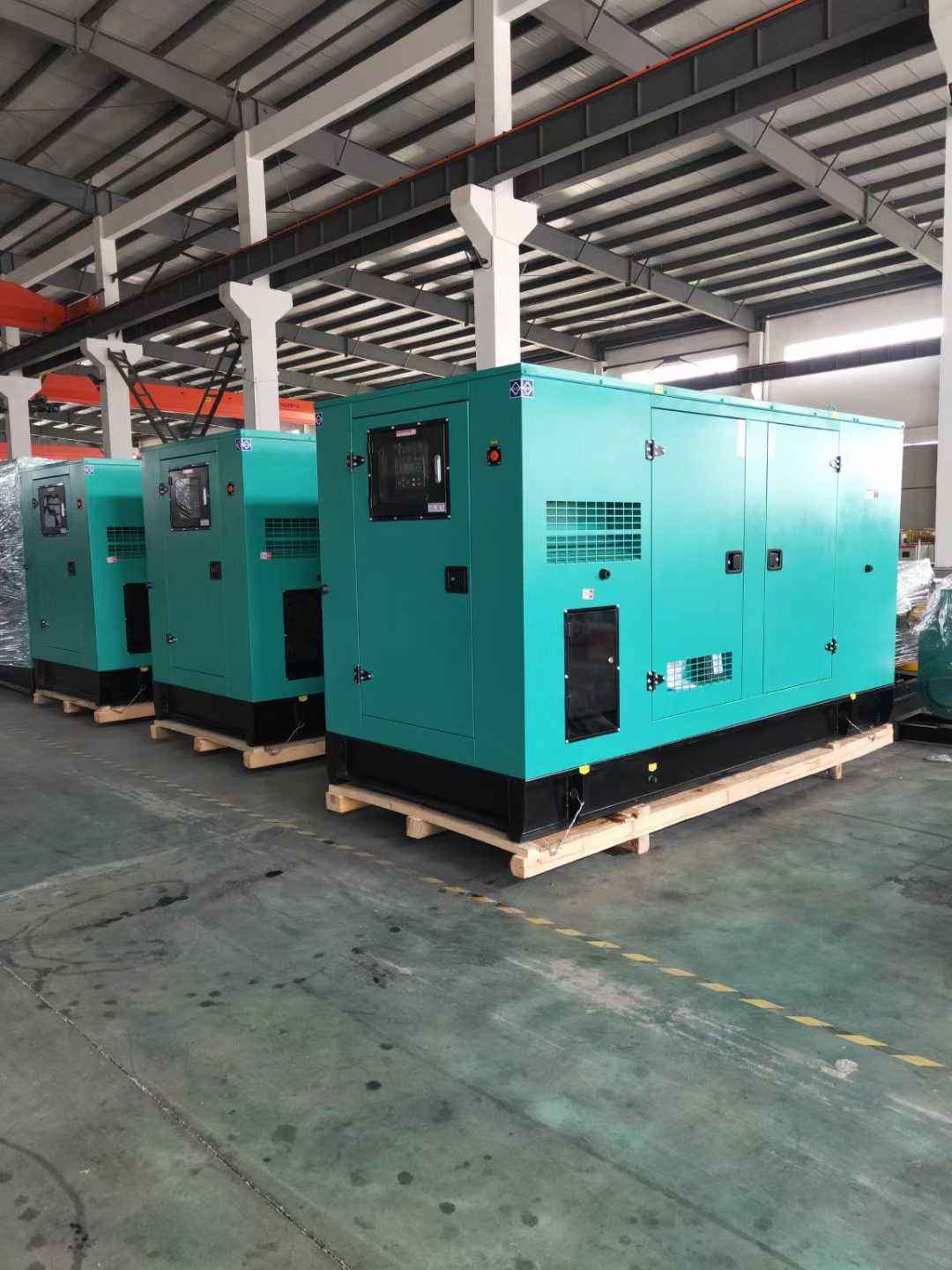
A frame is rated at a reference condition: 25 ℃ intake air, 1000mbar and 30% relative humidity under ISO 8528-1. Move the set to a yard at 45 ℃ and the same frame delivers less than its plate says. A 500kVA alternator at 0.8 power factor carries 400kW at that reference point, and the site has to hold its margin against the corrected figure rather than the printed one.
How is the spare figure built from the load record?
Start from the fifteen minute peak on the recording, not from the connected total. A camp that lists 400kVA of installed equipment may draw 320kW on the meter, because diversity keeps most of it idle at any moment. Take that 320kW as the base, add the growth reserve the buyer expects, then convert back to apparent power at the site power factor rather than at a nominal one. Tesla Power reads the meter first and the nameplate second.
One worked line shows the order of operations. A site records 320kW, which is 400kVA at 0.8 power factor. With a 25% growth reserve, 320kW × 1.25 = 400kW, and 400kVA × 1.25 = 500kVA. The next frame in the range is 500kVA at 0.8 power factor, so the schedule lands on a size the factory builds rather than a number falling between two, and the buyer can check that arithmetic on any calculator.
| Reserve | Typical figure | What it protects | Who confirms it |
|---|---|---|---|
| Growth | 10% to 25% of the recorded peak | Equipment added after handover | Buyer and consultant |
| Starting | 2.5 to 3 times the largest motor | The voltage dip at transfer | Alternator data sheet |
| Ambient | 3% per 10 ℃ above 40 ℃ | Output lost to hot intake air | Site survey |
| Altitude | 4% per 1000m, naturally aspirated | Output lost to thin air | Site survey |
The four rows are applied in sequence, not as a single sum. Growth is a load question, starting is an alternator question, and the two corrections are engine questions. Mixing them into one discount is how a 500kVA offer arrives at a site that needed 625kVA, and the error only shows when the largest motor starts.
Which loads earn a growth reserve and which do not?
A growth reserve belongs to a load the site controls, such as a production line or a chiller bank the owner plans to extend. It does not belong to a fixed tenant load that cannot change, because the margin then buys capacity nobody uses and the set spends years at light load. Tesla Power asks which loads are expected to grow before any frame is quoted.
We saw that failure on a bottling plant in West Africa. The buyer applied 30% to every load, the set ran at 28% for eleven months, and the exhaust wet stacked inside a season. A second site applied 10% to fixed loads and 25% only to the line it was extending, and the same frame carried the plant at 55% of its rating. Both sites bought from generator manufacturers who quoted what they were asked for.
- Give a growth reserve to equipment the owner plans to add within three years.
- Hold it back from fixed tenant loads that cannot change.
- Record the assumption on the offer, so the next engineer knows why the frame is large.
The site planning notes set out how a light-load year damages an engine, which is the cost side of an oversized frame and the reason a margin needs a reason attached to it.
How much margin does a direct on line start need?
A motor started direct on line draws about six times its running current for two to four seconds, and the alternator meets that current by dropping voltage rather than by delivering it. The frame therefore needs enough reactance margin to hold the dip inside what the site tolerates, which is usually 15% at the terminals for a general load and 10% for a hospital or a data hall.
An 80kW motor on a 400kVA frame produces a deeper dip than the same motor on a 500kVA frame, because the larger alternator has lower per unit reactance. Our working limit keeps the largest direct on line motor under 20% of the frame rating in kW, and steps up one frame when the motor falls between 20% and 30% of that rating.
What does a 45 ℃ intake do to a margin set at 25 ℃?
The correction eats the margin quietly. A set rated at 40 ℃ loses roughly 3% of its figure for every further 10 ℃, so a site at 45 ℃ gives up about 1.5% of capacity before any load is connected. That reads as small until the frame already sits at 90% of its rating on the recorded peak, where 1.5% is the difference between a trip and a transfer.
Inside a container the intake runs hotter than the yard. Tesla Power measures 6 to 8 ℃ above ambient with the doors closed on a 40 ℃ day, which moves the correction from 1.5% to nearer 5%. The louvre free area and the radiator discharge path set that gap, and both are fixed at the drawing stage rather than at commissioning, so the figure has to be asked for early. Apply the margin first, then the correction, and check that the corrected figure still covers the margin.
Where does a 25% margin fail on an export site?
It fails at the transfer, not at the meter. The first case is a site whose largest motor starts while the set already carries 70% of its rating, because the step and the running load add together. The second is a chiller group that restarts as one block after a power cut, since the controller releases every compressor within two seconds of the bus going live, and four compressors at 60kW each arrive as a single 240kW step.
The third case is a transformer or a drive with a charging cycle. An inrush of eight to twelve times the rated current for a tenth of a second is enough to trip a breaker set for the running load, and the margin does nothing about it because the event is shorter than the thermal curve. Each case is answered by a different device: a stepped start, a restart delay relay, or a larger alternator. Tesla Power reads the trip log before quoting a frame, because the log names which of the three happened.
How should the margin appear on the offer and the plate?
The offer should carry four lines: the recorded peak, the growth reserve, the corrected rating and the class. A nameplate carries only the last two, which is why a buyer who reads the plate alone cannot tell whether the margin was applied at all. The offer sheet prints the ambient and the altitude beside the rating for exactly that reason.
The class matters as much as the figure, and conformity assessment for the assembly checks the plate against the file rather than the sales letter. A standby class under the ISO 8528-1 rating framework allows a limited number of hours a year and no sustained overload, so a site that runs 2000 hours a year needs a prime class even where the kW figure looks identical. A plate that omits the class leaves the rating open, and that is the gap an inspection finds first.
Which records show the margin was met at handover?
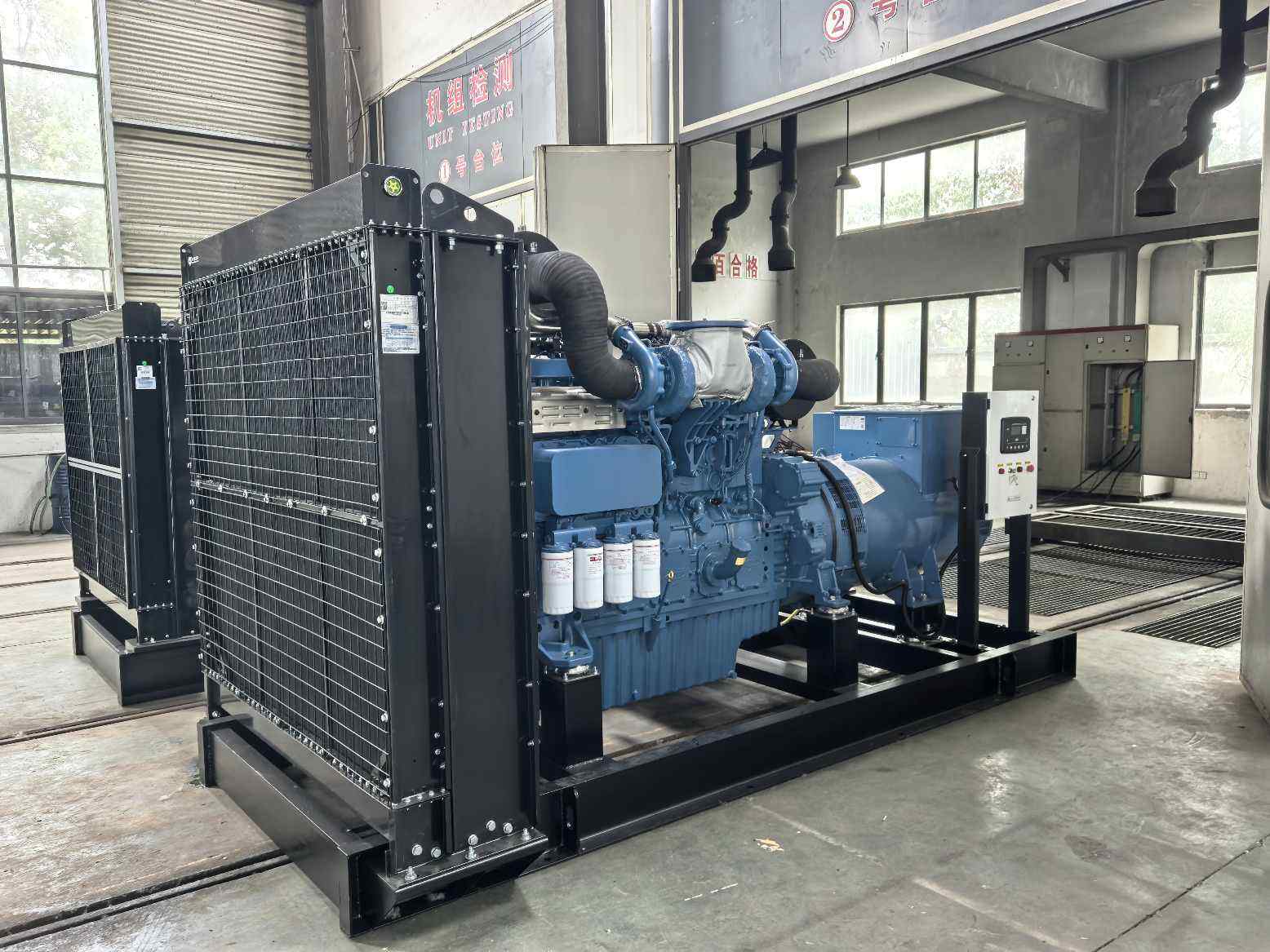
Three records carry it. The commissioning sheet shows the load the set carried on the day and the ambient beside it. The load bank run shows 80% of the rating held for two hours with exhaust temperature logged. The annual test repeats the second, and the three together show whether the margin is still there or has been spent since.
A margin that looked generous at order can be gone in four years. Each added chiller takes 60kW, and the first sign is a trip on the largest motor rather than a rising fuel bill. Yangzhou Tesla Power issues the commissioning record with the set, so the drift is measured against a number instead of against a memory.
How do two suppliers quote different margins for one load?
They quote against different bases. One prices the margin at a 25 ℃ reference and leaves the site correction to the buyer; the other prices it at 45 ℃ and names the frame that survives there. The second looks more expensive per kW and is often the smaller machine on the day the load steps.
Compare the four lines before the price. Where one offer omits the ambient and the altitude, the comparison stops, because a figure without a basis cannot be ranked against a figure with one. Chinese generator suppliers who publish the basis are easy to place side by side, and the ones who do not are asking the buyer to guess on their behalf.
Our desk asks for three items with every enquiry: the recorded peak, the site ambient in the hot month, and the altitude. With those three, a generator for standby duty and a generator in parallel operation can be held to one schedule, because both are priced on the same base condition. Tesla Power sends that schedule back before a price is discussed.
The generator set spare capacity for a tender is therefore a written figure with three inputs on the same page, not a percentage lifted from a previous order in a cooler country. The NFPA 110 emergency power rules add the monthly test schedule that a hospital site has to hold to, and that schedule decides which class the set is ordered in.
What does the margin look like on a container build?
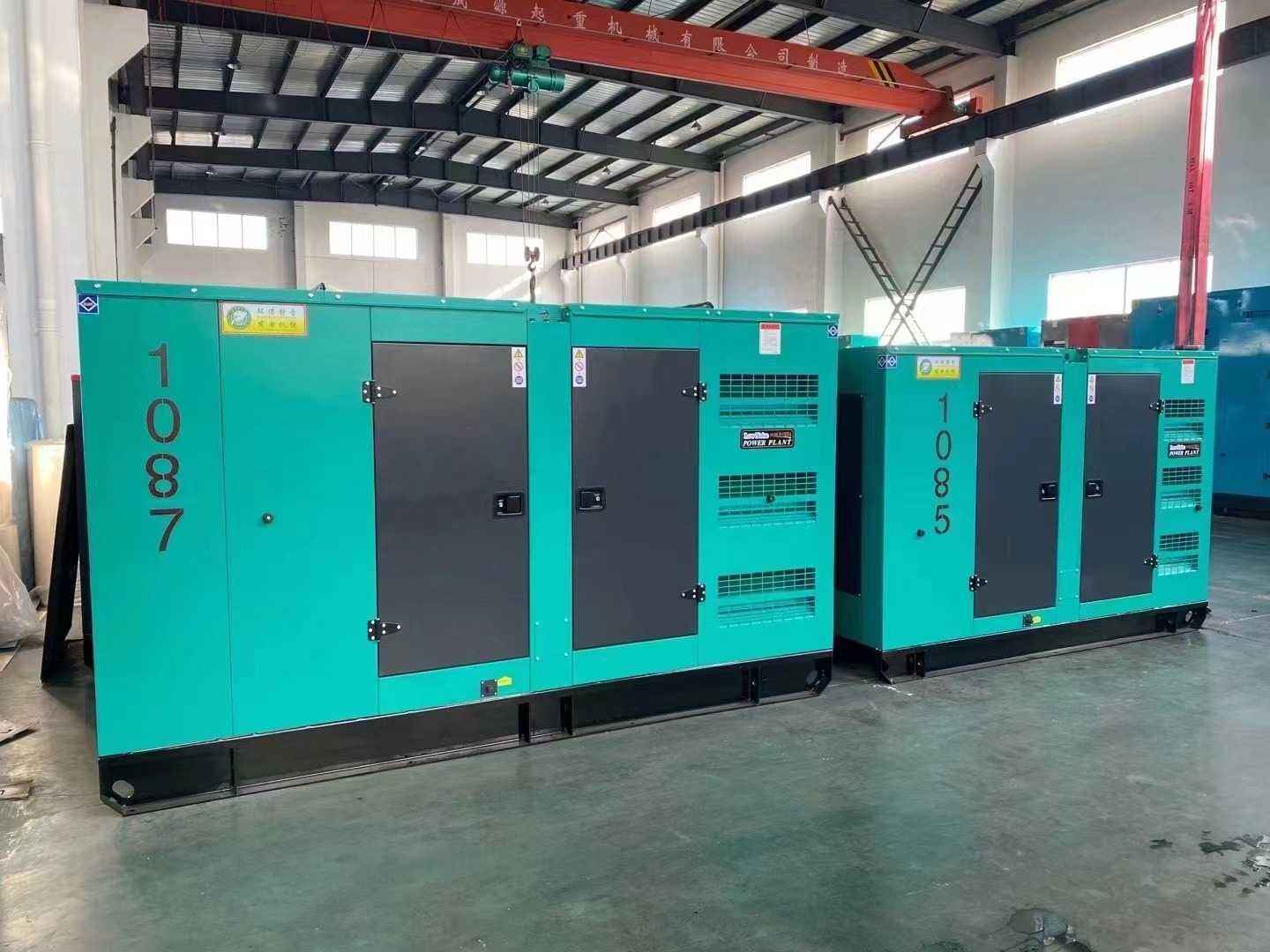
A container carries the same load with a different correction. Air enters low, passes the radiator and leaves through louvres that set the volume, and the temperature at the intake decides what the set can hold. On a 40 ℃ site we plan the container at 47 ℃ and size the frame on that number rather than the yard figure.
The build also changes the starting margin, because the alternator sits close to the engine and the cable run to the terminals is short. A short run helps the dip and costs nothing, which is one reason enquiries from hot regions arrive asking for the wider frame. The 1250kVA container build ships with its derating chart beside the plate.
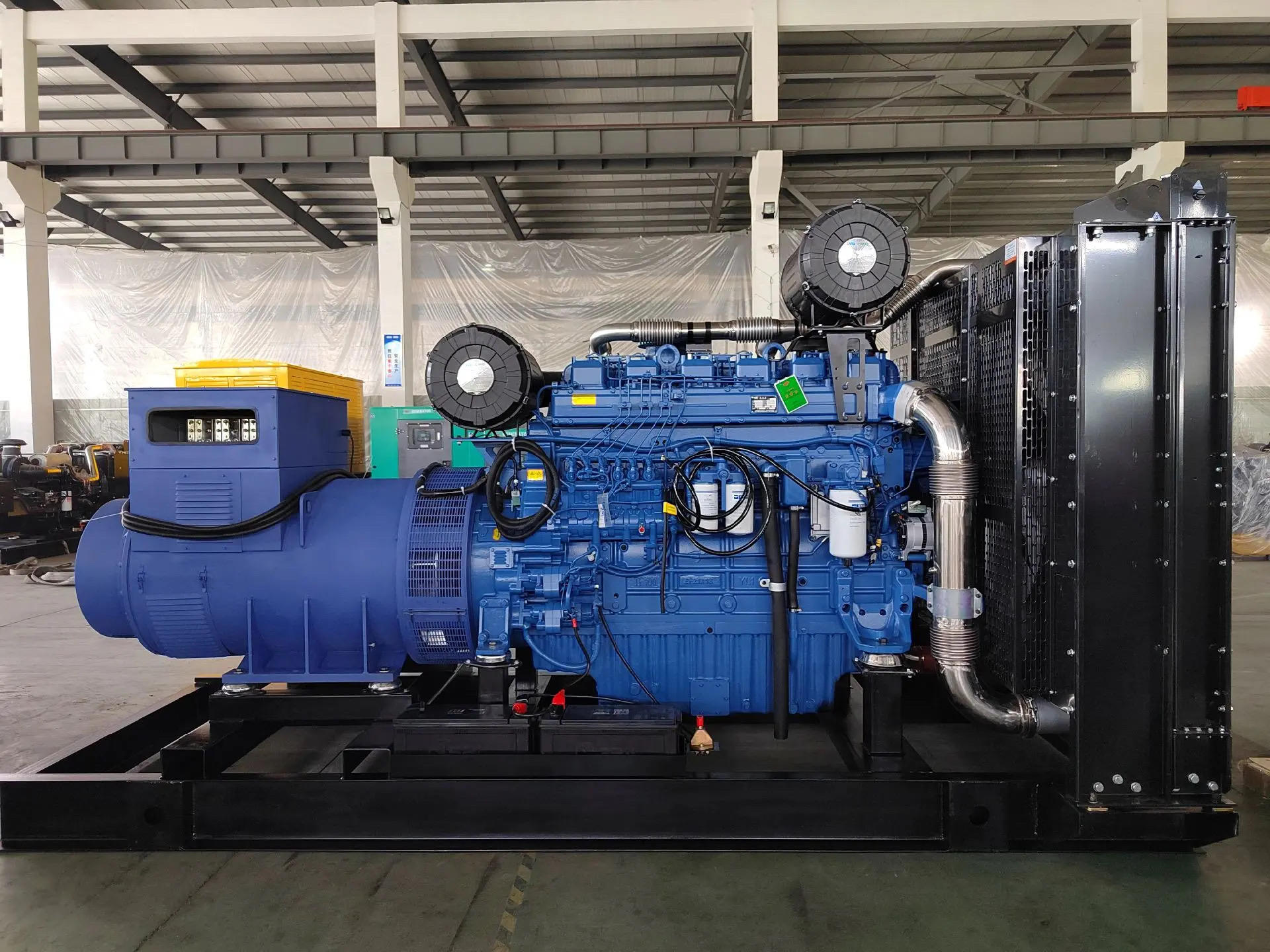
Send the load record, the hot month ambient and the altitude to our export desk, and the reply comes back as a schedule with the margin, the correction and the class on separate lines. The 400kW frame on the WP13 platform is the size most enquiries land on once the correction is applied and the class is fixed.
Frequently asked questions about generator set spare capacity rules
It covers a steady load with no large motor. A site with an 80kW direct on line start needs more, because the step and the running load arrive together. Take the margin from the recorded profile rather than from a fixed rule, and write the number on the offer.
Take it on the recorded kW, then convert at the site power factor. A 25% margin on 320kW gives 400kW, which is 500kVA at 0.8 power factor. Taking 25% on a kVA figure that was itself assumed compounds the error twice.
Under ISO 8528-1 a standby class allows a limited number of hours a year and no sustained overload. A site that expects 200 hours a year fits the class; one that expects 2000 hours needs a prime rating, and the two figures for the same frame differ by roughly 10%.
Because load is added and nothing is removed. A chiller bank extended by two units takes another 120kW, and the set then runs above the figure it was commissioned at. An annual load test at 80% of the rating catches the drift before a trip does.
Often it can. A soft starter holds starting current near three times running current instead of six, which removes most of the dip. The trade is a longer start and a device that has to be maintained, so the choice is commercial as much as electrical.
The commissioning engineer records the figure the set carries, with a load bank and a clamp meter, and notes the ambient beside it. Tesla Power Equipment issues that sheet with the set, and it is the document a warranty question is read against.
It changes the frame. A naturally aspirated engine loses about 4% of its rating per 1000m, so a site at 1500m gives up roughly 6% before the ambient correction is applied. A turbocharged engine loses less, and the data sheet states which curve applies to the build.