
A generator set viewing window lets a technician read the controller without opening the door. Compare the glass, the size and the seal against the noise and fire rules before you accept an offer. Tesla Power sets the window in the leaf; send the panel layout to the technical desk and we confirm it.
- Ask for the glass type and thickness, because a thin pane rattles at full load.
- Check the window size against the controller face rather than against the door.
- Look at the seal, since a window that leaks is a door that leaks.
- Ask what the window does to the fire rating of the leaf.
What does a generator set viewing window do?
It lets a technician read the controller, the gauges and the warning lamps without opening a canopy door. On a set that is checked twice a day that saves a door cycle every visit and it keeps the weather out. A door that is opened for a reading is a door that is left open for the next job, and a door left open in a storm is a controller full of water.
The window also keeps the inside of the canopy closed during a rain squall, which is when a controller fault is most likely to be noticed. It does not replace the door for service work and it is not a hatch. Tesla Power sets the window on the controller axis rather than in the middle of the leaf, because a window that is off centre is a window nobody reads.
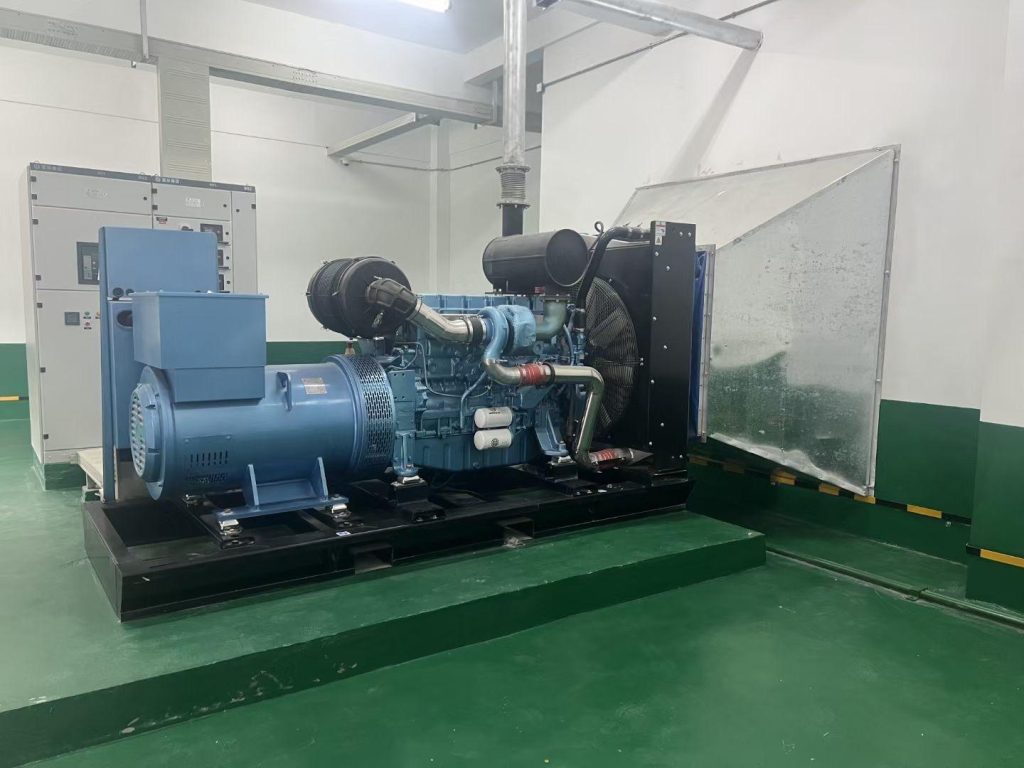
Which glass suits a canopy?
A laminated glass of 6 mm holds together when it cracks and it does not rattle in a frame that is bolted to a vibrating panel. A single pane of the same thickness cracks at a fixing and falls into the canopy. The laminate is the difference between a window and a hazard, and the price difference is small against a broken pane inside a canopy.
A polycarbonate pane is tougher and it scratches, which matters on a window that is wiped with a rag. A glass pane with a polycarbonate inner layer is the compromise on a site where the door is opened with a tool in hand. Ask for the glass build by layer rather than by thickness alone. Yangzhou Tesla Power fits laminated glass as standard and polycarbonate on request, because a scratched pane is a pane that hides a warning lamp.
| Item | Typical figure | Note |
|---|---|---|
| Glass | 6 mm laminated | Polycarbonate on request |
| Size | 300 mm by 200 mm | Set on the controller axis |
| Frame | Pressed, with a return edge | Clamps the glass evenly |
| Fire rating | 90 min on a rated leaf | Glass, frame and seal together |
How big should the window be?
The window has to show the controller face and the gauge cluster, and the controller is usually wider than the gauge cluster. A window of 300 mm by 200 mm covers most controllers, and a smaller one forces the technician to open the door anyway. Measure the controller and add a margin rather than choosing a size from a catalogue, and the margin is what lets a technician read the display without leaning in.
A window that is too large takes stiffness out of the leaf and it takes noise out of the canopy, because glass is lighter than steel per unit area. A window on the hinge side also puts weight where the hinge has to carry it. Put the window on the latch side and keep it small. Tesla Power limits the window to a quarter of the leaf area on a door that has to hold a noise figure, and the leaf weight is quoted with the unit fitted.
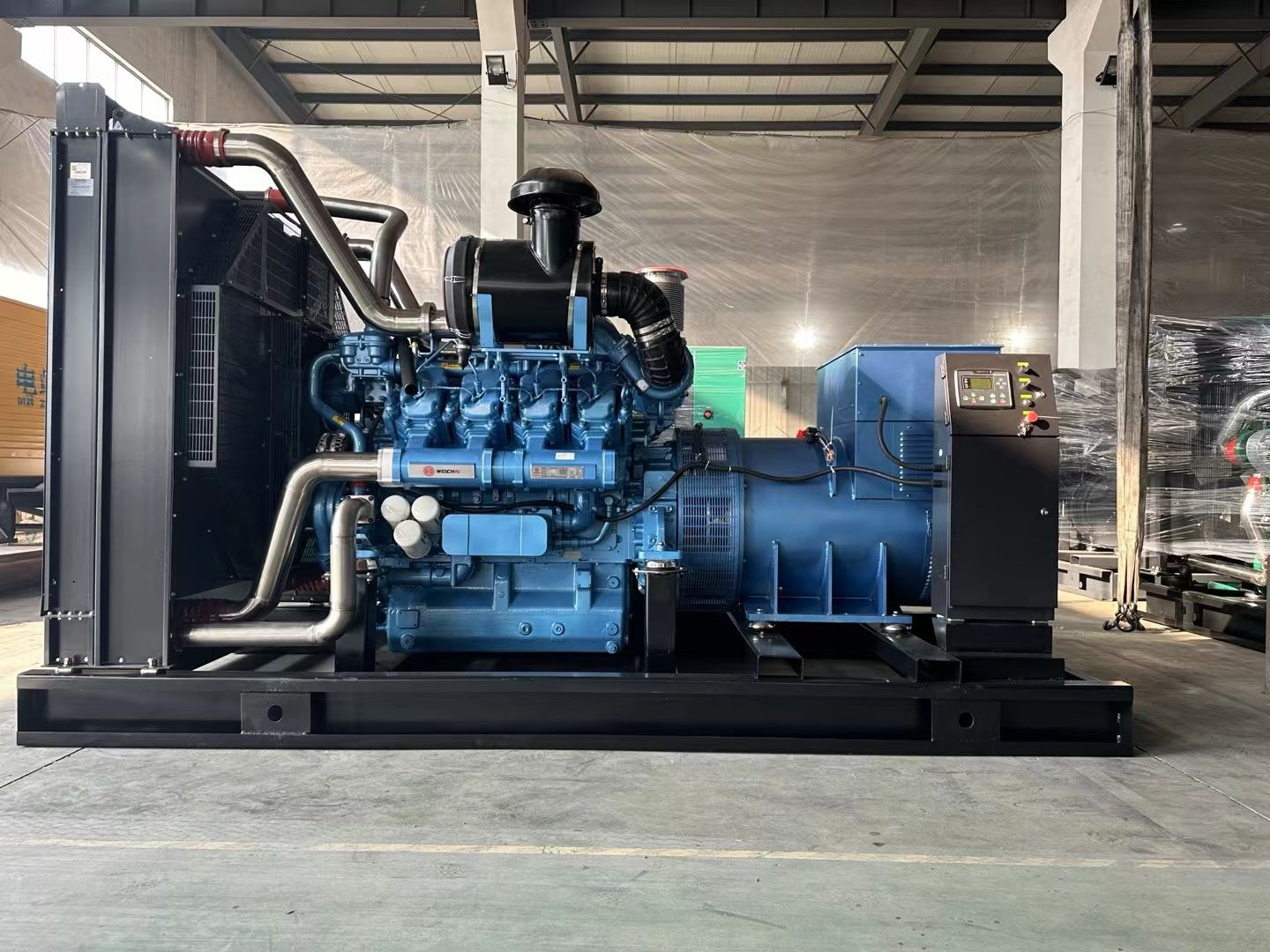
How is the window sealed?
A window is sealed with a gasket between the glass and the frame and a bead of sealant on the outside, and the two do different jobs. The gasket takes the movement and the sealant keeps the water out. A window held by four screws onto a bead of sealant with no gasket cracks at the first vibration, and the crack starts at the screw hole rather than at the edge.
The frame has to be stiff enough to clamp the glass evenly, because a frame that bows puts a point load on the pane. A pressed frame with a return edge holds the glass better than a flat plate. Ask for the frame section on the drawing. A window that is screwed straight through the glass into the leaf is a window that will crack, and a cracked pane on a standby set is found at the worst moment.
What does the window do to the noise figure?
Glass is heavier than an equivalent steel panel at the same thickness and lighter at the same weight per area, so the window usually gives back part of what the panel gives. A pane gives back about 40% of what the panel gives: 8 dB(A) x 0.4 = 3.2 dB(A), so a window on a 25 dB(A) canopy is a 22 dB(A) canopy, which is a real loss on a site with a boundary limit.
A double glazed window with an air gap recovers most of the loss and it costs more than the leaf it sits in. On a canopy that has to meet a boundary limit the double glazed unit is the only answer. Ask for the window figure separately from the canopy figure. Tesla Power Equipment quotes the window loss as a line on the acoustic sheet rather than folding it into one number.

What does the window do to the fire rating?
A glass pane in a rated leaf is a weak point unless the glass itself is rated, and a fire rated window costs several times a standard one. A leaf rated for 90 min with a standard pane is a leaf rated at the pane. Ask for the window rating on the same line as the door rating, and a pane that is rated for less sets the figure for the leaf.
The frame and the seal are as important as the glass, because heat passes a gap faster than it passes a pane. A rated glass in a standard frame with a foam gasket is a rated pane in an unrated window. Ask for the frame and the gasket to be rated with the glass. Tesla Power Equipment supplies a rated unit on a fire door and a standard unit everywhere else.
What does the offer need to state?
The offer should give the glass build, the thickness, the size, the frame section, the seal and the fire rating. Six items on one line let a buyer check the window against the controller and against the canopy rules. Ask for the visible glass area as well, because a frame with a wide return eats into it, and a visible area quoted without the frame is a figure that shrinks on delivery.
The wording on the offer matters too. Chinese generator set viewing suppliers often quote a window as a pane size with no frame, and a generator set viewing window manufacturers page can show a unit the factory buys in. Ask for generator set viewing window for a controller, generator set viewing for the door and generator set in a plant room as three separate cases. Tesla Power prints the six items on the door drawing for the buyer.
What does the handover file record?
The file carries the glass build, the size, the frame, the seal and the fire rating. One page covers the window when those five items sit under the canopy serial number. Add the conformity assessment for the window when the canopy is part of a permit package and the door is on an escape route with a fire rating, since the pane is the part a fire officer asks about first.
Hand the page to the technician who will clean the glass rather than to the buyer who placed the order. the Yangzhou factory describes the bench where the leaf is glazed, the commissioning notes lists the canopies that ship with a double glazed unit, the build range explains how the visible area is measured, the 1000kW container build shows the frame that matches the duty, the ISO 8528-1 duty definitions sets the acoustic basis the window loss is quoted against, and the NFPA 110 maintenance routine covers the glazing standard behind the seal.

Frequently asked questions about generator set viewing windows
It can be cut into a leaf and the leaf has to be re-glazed by a shop, because the frame needs a return edge. A site cut with a jigsaw leaves a bare edge and a cracked pane. Order the window with the canopy rather than after it.
The frame bows and puts a point load on the pane, or a fixing is tightened through the glass. A pressed frame and a gasket stop both. A crack that starts at a fixing is a frame problem rather than a glass problem.
It usually does, by a few decibels, because glass gives back part of the panel loss. A double glazed unit recovers most of it. Ask for the window loss as a separate figure so the canopy figure stays honest.
It should on a canopy that has to meet a boundary limit, and it is optional on a set in a plant room. The air gap does the work and the second pane adds weight to the leaf. Ask for the leaf weight with the unit fitted.
It cannot, because an opening window is a hole in the wall with a gasket that wears. A separate access hatch is the answer where a hand has to reach inside. Keep the window fixed and put the hatch beside it.
With water and a cloth on the outside, and with the door open on the inside once a year. A solvent cleaner takes the print off a polycarbonate pane. Tesla Power supplies the glass type on the door label so the cleaner is chosen correctly.