
Genset air shutoff is the only device that stops a diesel running on its own oil. Check the specification against the intake layout, then compare supplier offers first. Tesla Power fits the valve on gas builds; send the drawing to the technical desk and we confirm the size.
- Fit the valve on the intake rather than the exhaust, because the intake is the only path to close.
- Check that the valve seats against boost pressure, since a part closed valve still passes air.
- Test it by closing the valve at idle and confirming the engine stops.
- Keep the manual cable reachable, because a runaway does not wait for an operator to open a panel.
What does a genset air shutoff protect against?
It protects against a runaway, which is an engine that keeps running with no fuel from the tank. A diesel can run on its own lubricating oil when a turbo seal fails or when the crankcase breather feeds oil into the intake, and cutting the fuel rack does nothing because the fuel is arriving through the air. The only way to stop it is to stop the air. A fuel stop that works on every other fault does nothing at all on this one.
The valve is a butterfly in the intake that closes fully on demand, either by a solenoid signal or by a manual cable. It has to close against the boost pressure of a running turbo, which is why a valve designed for a naturally aspirated engine is not adequate. Tesla Power fits a valve rated for the boost of the build rather than for the pipe size alone.
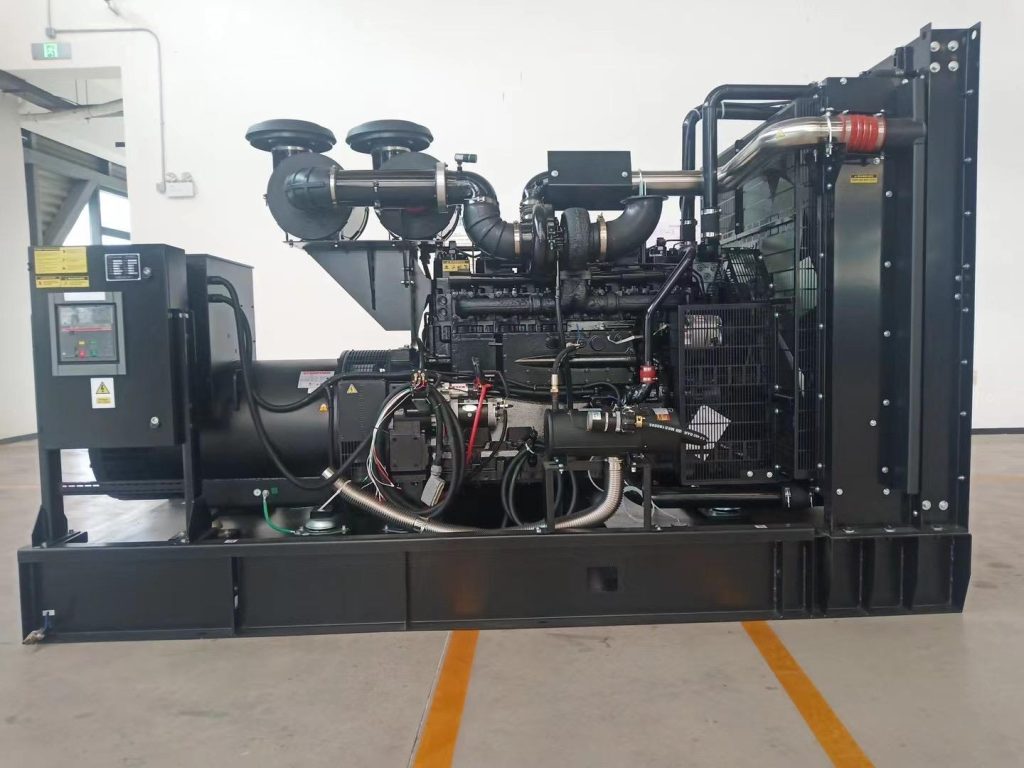
Which sets need one?
A gas engine needs one as standard, because gas can continue to arrive from the line after the fuel valve closes and a gas engine has an ignition source that will not stop. A dual fuel engine needs one for the same reason. A diesel needs one wherever the intake runs near a source of oil, which includes a turbocharged engine with a long breather route. A set installed without the valve that the code asks for is a set that fails its first inspection.
Some codes require the valve on a gas installation and some require it on any engine above a certain size. Check the code that applies to the site rather than the one that applies to the engine family. A set installed without a required valve is a set that will fail an inspection, and the retrofit costs more than the option. Tesla Power asks for the code with the enquiry so the valve is not an afterthought.
| Item | Figure | Note |
|---|---|---|
| Valve position | Upstream of the turbo | Downstream leaves the turbo spinning |
| Straight pipe each side | At least one diameter | A bend at the disc edge passes air |
| Closing time | Under 2 seconds | Late closing means a rebuild |
| Test interval | Every year | A valve that does not move seizes |
Where does the valve fit?
The valve fits between the air filter and the intake manifold, and on a turbocharged engine it fits upstream of the turbo so that the whole intake is closed. Fitting it downstream of the turbo leaves the turbo spinning on the oil that caused the runaway in the first place. Read the intake drawing before choosing the position. A valve fitted tight against a bend passes air at the edge of the disc and the runaway continues at reduced speed.
The valve needs straight pipe on both sides so the butterfly can seat, and it needs an actuator that is protected from heat. A valve mounted hard against a bend passes air at the edge of the disc and the runaway continues at reduced speed. Tesla Power draws a straight section on each side and lists the minimum length on the intake drawing. A straight length of 2 diameters each side is the practical minimum on a small frame.
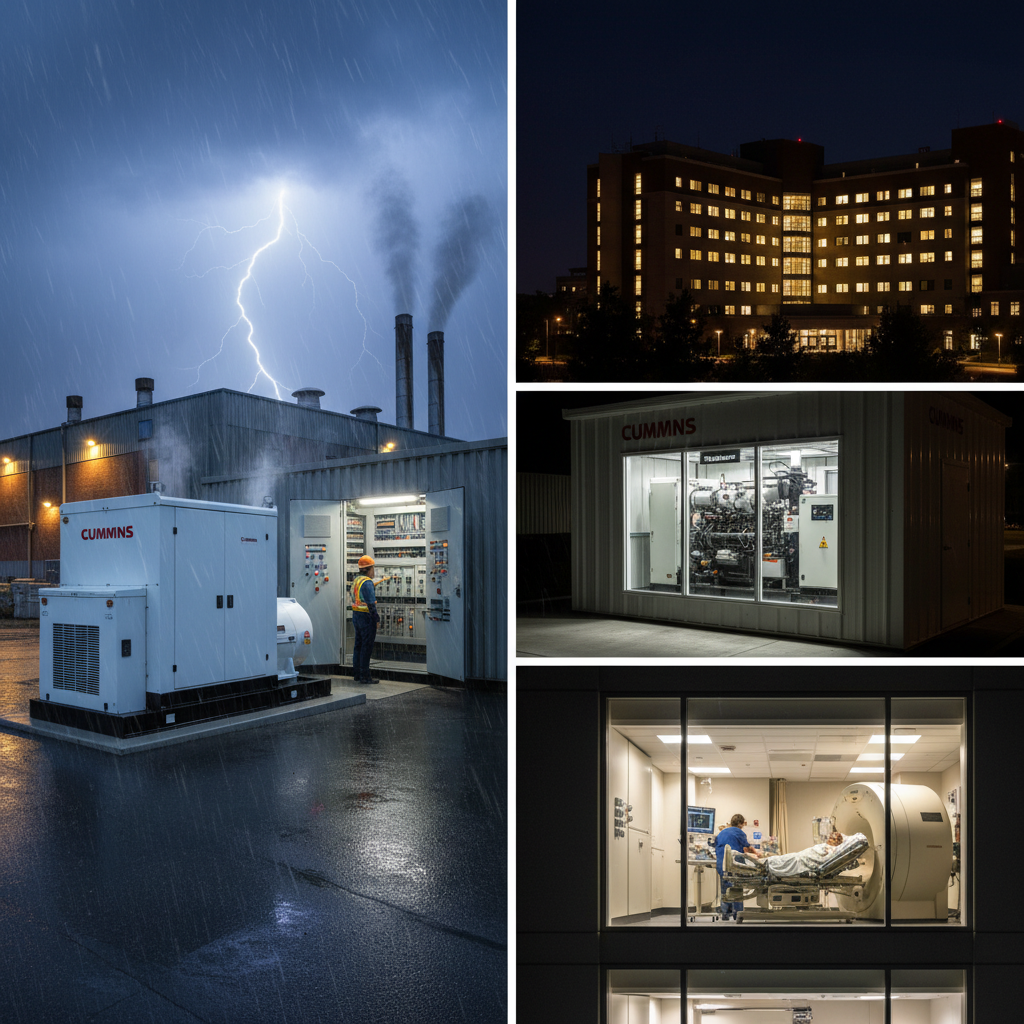
How is the valve tested?
Close the valve with the engine at idle and confirm the engine stops within 5 s. That is the only test that proves the valve seats, because a valve that closes partly still passes enough air to keep a hot engine running. Then reopen the valve, restart and confirm the engine runs normally.
Test the solenoid and the manual cable separately, because they are two different release paths and either can seize. Record the closing time and the stopping time, and repeat the test every 12 months. A valve that has not moved in two years may not move when it is needed, which is why the test is annual rather than on condition. Tesla Power Equipment fits a solenoid with a spring return, so the valve closes when the signal is lost.
What causes a runaway?
The most common cause is a turbocharger seal that fails and passes oil into the intake, which then burns as fuel. A second cause is a crankcase breather that is routed into the intake without a separator, so oil mist arrives continuously. A third is overfilling the sump, which throws oil into the breather at speed. A breather that feeds the intake without a separator is a slow runaway that arrives as a mystery.
A runaway on a diesel is therefore a maintenance fault rather than a control fault, and the valve is the last line rather than the first. Fix the seal, fit the separator and keep the oil level correct. A set that has had one runaway is a set to inspect for bent rods and burnt pistons before it runs again. Yangzhou Tesla Power inspects the intake for oil at the same time. An overfilled sump throws oil into the breather within minutes of a cold start.
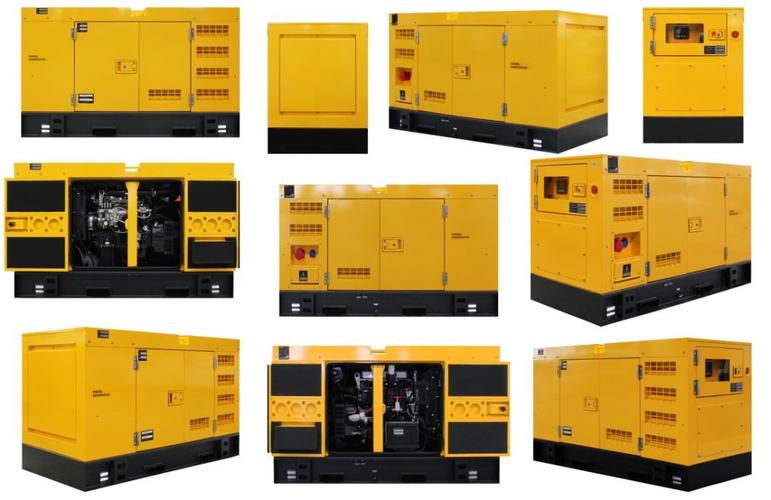
What happens after the valve closes?
The engine stops, and the crankcase then holds a quantity of oil that did not burn. Check the oil level, because a runaway can empty the sump into the intake and leave the bearings dry. Then check for hydraulic lock, since oil can collect in the intake and the cylinders while the engine is stopped. A set that has run away once is a set to strip, because the rods take the load when the oil arrives.
A 500kVA set at 0.8 pf delivers 400kW, and a valve that closes in time limits the overspeed to about 10%: 1,500 rpm x 1.1 = 1,650 rpm. That is a survivable overspeed, and a valve that closes late leaves an engine that has to be rebuilt. Tesla Power records the closing time on the test sheet for that reason.
What should a buyer put on the enquiry?
Send the fuel type, the intake layout, the boost figure and the code the site has to meet. Add whether the set is in a container and whether an operator is present, because both change the release arrangement. Those six items decide the valve and its actuator, and they show whether the offer has quoted a valve at all.
The wording on the offer matters too. Genset air shutoff manufacturers often quote a valve by pipe size with no boost rating, and Chinese genset air shutoff suppliers sometimes ship an actuator that is not rated for the canopy temperature. Ask for genset air shutoff for a gas engine, genset air shutoff in a container and genset for a rental fleet as three separate cases. Tesla Power prints the valve position, and the 1000kW container build shows the actuator.
What does the handover file record?
The file carries the valve size and rating, the position on the intake, the closing time, the stopping time and the date of the last test. One page covers the device when those five items sit under the engine serial number. Add the conformity assessment for the shutoff valve when the installation is part of a permit package. A valve size written without the boost rating beside it cannot be checked against the build.
Hand the page to the operator who runs the annual test rather than to the buyer who placed the order. the Yangzhou factory describes the bed where the valve is proved. the commissioning notes lists the frames that ship with a gas intake, the build range explains how the manual cable is checked without closing the valve, the ISO 8528-1 duty definitions sets the rating basis the boost figure comes from, and the NFPA 110 maintenance routine covers the load steps the set was accepted on.

Frequently asked questions about genset air shutoff
It cannot, because a runaway is burning oil rather than fuel from the tank. Closing the fuel rack has no effect once the engine is running on its own oil. Only closing the air stops it, which is why the valve exists as a separate device.
Not every diesel, and every turbocharged diesel benefits from one, because the turbo seal is the most common route for oil to reach the intake. A gas or dual fuel engine needs one as a matter of course. Check the site code before deciding.
A runaway may happen when the electrical supply has already failed, and a solenoid that needs power is a solenoid that may not operate. The cable gives the operator a second path. Keep the cable handle outside the canopy and label it clearly.
It should not be, because closing the air on a running engine pulls oil up past the rings and leaves the intake wet. Use the fuel stop for a normal shutdown and keep the valve for the event it is designed for. A valve used daily wears its seat.
Work the shaft by hand with the engine stopped and the intake open, and use a penetrating product rather than force. A valve that has been freed by force may not seat. If the shaft will not move, replace the valve rather than risk it staying open.
An open butterfly adds very little restriction, and the pipe lengths each side add more than the valve itself. Include the valve in the intake restriction budget and check the figure at commissioning. Tesla Power adds it to the budget on the intake drawing.