
A genset ambient chart shows how much of the plate rating a set holds at each intake temperature, and Tesla Power reads that figure before a quotation is written. The 50°C row usually decides the frame, so compare suppliers on it rather than on the headline number.
- The chart states a share of the plate figure at each intake temperature, so the 50°C row decides the frame on a hot site.
- Read the temperature at the air cleaner inlet, since a plant room runs 5-8°C above the yard on a still afternoon.
- Apply the altitude correction after the temperature correction, because the two multiply rather than add.
- Write the corrected figure into the enquiry, so the frames in the export frame range are compared on one basis.
What does a genset ambient chart actually state?
The chart states one thing: the share of the published rating a set holds at a given intake temperature. The reference behind any plate is 25°C, 100 kPa and 30% relative humidity, as the ISO 8528-1 reference conditions set out. An export plate is usually quoted at 40°C instead, because that is the figure a tropical port asks for, and the step from 25°C to 40°C is already inside it.
That is why one engine looks smaller on a European plate than on a West African one. A 400kVA frame at 0.8 power factor carries 320kW at 40°C, and the chart for that frame reads 100% at 40°C, 95% at 45°C and 90% at 50°C. The first five degrees cost 16kW of usable output, and the second five cost another 16kW.
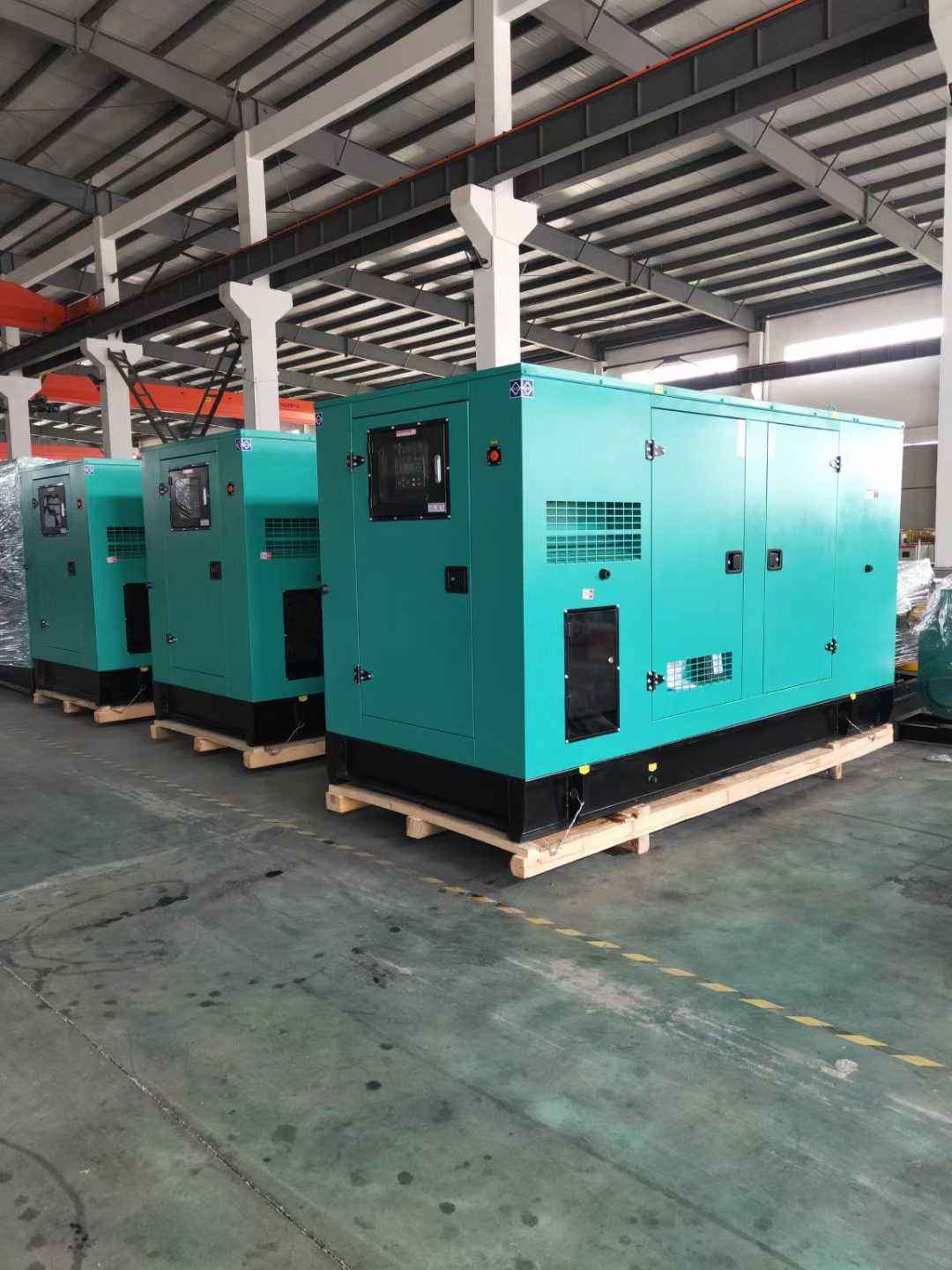
How are the three rows read against a real load?
Read the row that matches the hottest hour the site expects, not the annual mean. A yard averaging 33°C can hold 47°C inside a steel-clad room at three in the afternoon, and the row that matters is the one at or above that figure. Taking the mean understates the correction on exactly the days when the load peaks.
The rows also carry a fuel figure, and that figure cross-checks the correction. A 400kVA frame at 320kW burns about 67 L/h, or 0.21 L/kWh. On the 45°C row it delivers 95% of the plate, so a physical load of 280kW sits nearer the top of the corrected figure while the burn stays near 64 L/h. Fuel per hour falls with the correction, and fuel per kWh rises.
| Intake temperature | Share of the 40°C plate | Fuel at corrected full load | What the room is doing |
|---|---|---|---|
| 40°C | 100% | 67 L/h | Radiator fan at full speed, one cooling stage |
| 45°C | 95% | 64 L/h | Fan cycling, louvres fully open |
| 50°C | 90% | 60 L/h | Both stages locked on, no margin left |
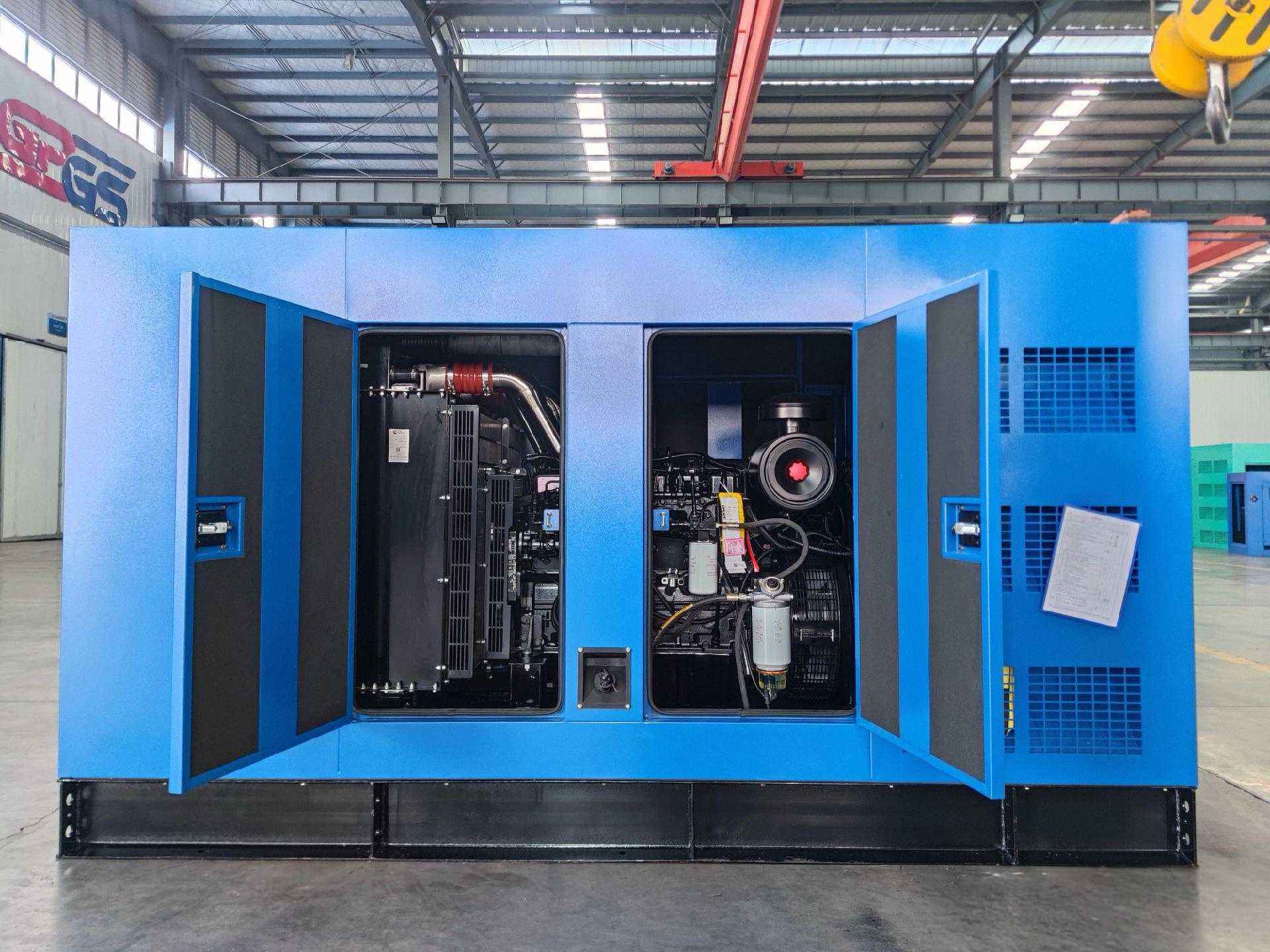
Where should the intake temperature be measured?
Measure at the air cleaner inlet, 200-300mm in front of the filter housing, with the doors shut and the set at load. A probe taped to the wall louvre reads the air arriving at the room rather than the air the engine breathes, and the gap between those two points is the entire correction. On a coastal site we logged 43°C at the louvre and 49°C at the cleaner on the same afternoon.
The reading also needs the set at the load the site expects, because a set at idle moves far less air through the canopy. A figure taken before the load is applied shows the room before the radiator has heated it, and that figure runs 4-6°C optimistic on a canopy build. Take it after twenty minutes at 75% load or more, and write the load beside the temperature.
Why does the room run hotter than the yard?
Three effects stack. The radiator discharges air 8-12°C above the intake, and part of that plume returns through the intake louvre when both openings sit on the same wall. The alternator and the exhaust manifold radiate into the same volume. The louvre free area then sets how much outside air can enter, and a louvre chosen for rain protection often passes half its face area.
Recirculation is the effect that catches operators, because it appears only when the wind drops. A set holding 45°C in a breeze can sit at 51°C in still air, and the chart row moves with it. A discharge duct that turns the plume away from the intake costs less than the next frame up, and it recovered most of the lost figure on three sites where we measured both arrangements.
How does altitude combine with the temperature row?
Altitude removes air density on top of the temperature effect, and the two corrections multiply. A naturally aspirated engine loses about 4% of its rating per 1000m, while a turbocharged engine loses roughly half that because the compressor recovers part of the drop. A site at 1000m with a 45°C intake therefore reads 0.95 × 0.96 = 0.912, which is 91% of the plate.
Carry that into a frame choice. A 320kW load divided by 0.912 gives 351, so the next frame above it at 0.8 power factor is 440kVA. Fuel at the corrected point stays near 0.21 L/kWh. The additive method reads 9% instead of 8.8% and picks the same frame here, but at 2000m it reads 0.87 against a true 0.874, and that gap has chosen a frame one size too small on two enquiries we have seen.
Which figure belongs on the quotation?
The corrected figure belongs on the quotation, with both conditions printed beside it. A number without the intake temperature and the altitude cannot be compared with a second offer, and the comparison that follows becomes a price comparison rather than an engineering one. Yangzhou Tesla Power prints both conditions on the offer line so a rating and its basis are read together.
Ask for the chart page as well as the number. The row a supplier used tells a buyer whether the offer assumes 40°C or 50°C, and two offers on different rows can differ by 10% of capacity while looking identical in a spreadsheet. A supplier who sends the page can be checked against the engine data sheet, and one who sends only a figure cannot be checked at all.
What does the factory record at the test bay?
Our test bay measures the intake temperature with the canopy doors shut and the load bank at 80% of the plate, and the reading is written on the same sheet as voltage and frequency. The practice came from a West African order where the first unit ran 8°C above the yard through the rainy season, and the chart row in the file did not match what the controller logged.
Tesla Power Equipment now records the yard figure and the intake figure on every export set, and the sheet travels with the machine. It is the document a warranty question is read against two years later, and a site reporting a set down on power is asked for that sheet first. The answer is usually a room temperature that climbed after handover.
Where do buyers misread the chart?
The first misread is the axis unit. Some charts state a percentage of the plate, others a power figure at a stated power factor, and a buyer who mixes the two reads 95 as 100kVA. The second is the reference temperature: a chart written for a 25°C reference already includes the step to 40°C, so applying the 40°C row to a 25°C plate counts the first correction twice.
The third misread is the freight condition. A set that travels through a hot port and then sits in an air-conditioned plant room is corrected for the plant room, because the chart describes the air the engine breathes in service. Chinese genset suppliers often quote the port figure, which reads several degrees worse than the room the set will actually live in.
How should the enquiry state the ambient?
State four items: the highest intake temperature expected, the altitude, the highest wet-bulb reading in the season, and the load the site will carry at that hour. The fourth item is the one most enquiries omit, and it decides whether the corrected figure is a hard limit or a comfort margin. A site touching the corrected figure twice a year differs from one sitting there for a shift.
Send those four lines to the export desk and the reply returns as a schedule with the row already applied, the fuel figure at that row, and the frame that carries it. The site planning notes carry the measurement method for all four items, and the same form goes out with every quotation so two offers arrive in the same shape.
Which engines publish the three rows on the data sheet?
The chart is only useful when the engine data sheet states the same reference. A turbocharged six-cylinder engine built for a 50Hz market usually carries three rows, while a smaller four-cylinder unit may publish a single correction factor. Most genset manufacturers hand over a page with a model number only, and one model number can cover several build variants. The reference condition is defined in the NFPA 110 emergency power rules, which names the tolerance and the test point. Tesla Power reads that figure on the site sheet before the plate is printed.
Ask for the page with the engine serial on it, because a rebuilt or re-rated unit may not follow the published curve. The 400kW frame on the Weichai WP13 platform publishes all three rows, which is what makes a 45°C offer checkable rather than persuasive. A genset for export carries that page in the technical file.
How is the row confirmed at handover?
The commissioning engineer takes the intake reading with the probe in place and the load applied, and writes it beside the ambient at the time. Two figures on one line are what make the handover sheet useful, because the yard figure alone says nothing about the air the engine saw. A genset in parallel operation gets the same treatment on each unit. The same frame appears in the 1000kW container build for standby duty, where the plate states the same basis. Tesla Power reads that figure on the site sheet before the plate is printed.
The sheet also records the load at the reading, since a temperature taken at 30% load proves very little. Where the site cannot hold full load on the day, the engineer records what it could hold and the figure follows. That record is what a capacity question is measured against in year three, and it costs ten minutes to complete. The same frame appears in the 500kVA silent set with the ATS option, where the plate states the same basis.
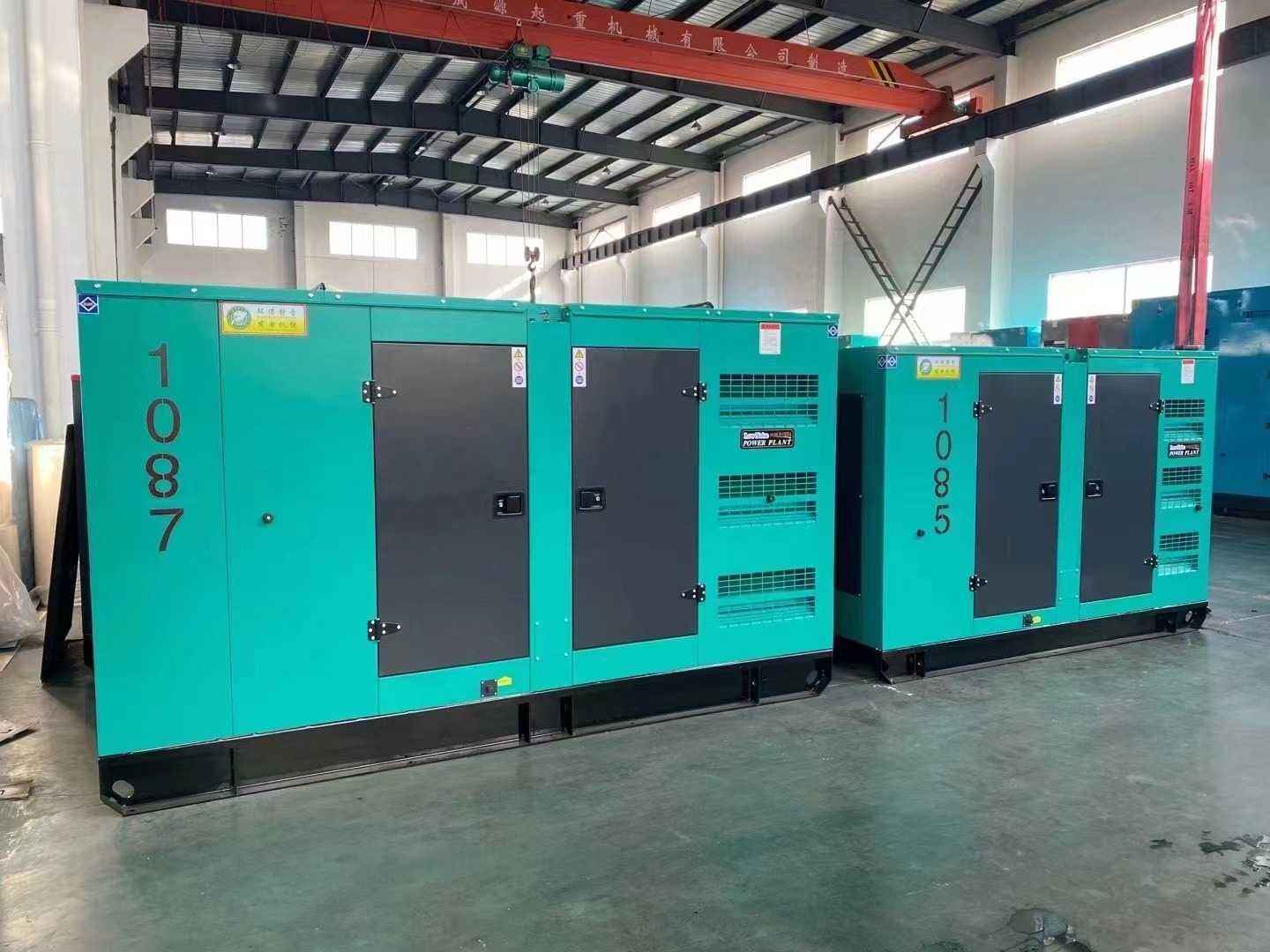
Frequently asked questions about genset ambient chart
The intake row, measured inside the canopy at the air cleaner, not the outdoor row. A canopy adds 5-8°C on a still day, so a 40°C site commonly reads the 45°C or 50°C row. Tesla Power asks for that reading before the frame is fixed.
The percentage is close, but the hours are not. A genset for standby duty may run 50 hours a year and a prime set 4000, so the same correction costs far more fuel and heat on the prime unit. The row applies to both, and the duty class decides how long the set sits there.
Below 40°C the chart usually stops, and a set does not gain rating in cold air on paper. The engine will produce more in practice, but the plate is the contract figure and the protection settings are built around it. Running above the plate in winter is not a capacity plan.
It is part of the standard reference condition, not a site requirement. A humid site is corrected separately, and the density effect of water vapour is usually smaller than the temperature effect. The reference exists so two charts can be compared on equal terms. Tesla Power reads that figure on the site sheet before the plate is printed.
Add the margin as load rather than as a percentage of the chart. A site expecting 280kW at 47°C needs a frame whose corrected figure clears 280kW with room for the largest motor start, and that is a step calculation rather than a flat 20%.
Only with the original data sheet, because a rebuilt engine may not match the published curve. Ask for the engine serial and the test sheet from the last load run. A chart applied to a worn engine overstates what the set will hold.
The genset CE marking requirements sit in the technical file and do not change with the row a supplier used. The declaration names the standards the assembly was checked against, and the rating basis is recorded separately. Tesla Power keeps the two documents side by side in the folder.