
A genset cold flow figure decides which winter grade a tank holds and how far a fuel line runs before wax blocks it. Tesla Power compares the cloud point, the cold filter plugging point and the trace length with the coldest week at the site, then writes the grade on the quotation so two suppliers can be compared.
- Set the grade from the coldest week rather than the annual average, because one night at -12℃ decides whether the engine starts.
- Ask for the cloud point and the cold filter plugging point as two figures, since one describes the tank and the other the filter.
- Trace and lag the supply line, because a bare pipe on a steel rail loses more heat than the tank loses overnight.
- Keep the grade on the offer, so the frames we build for cold sites arrive with a fuel sheet that matches the yard.
What does genset cold flow decide before an order?
The figure decides two things at once: the grade the tank can hold through the coldest week, and the length of unlagged line the fuel can pass before wax reaches the filter head. A climate zone on a map answers neither question. A tank in a walled yard sits warmer than a tank on an open skid, and a lagged line behaves nothing like a bare one. What matters is the fuel temperature at the filter at 5 am.
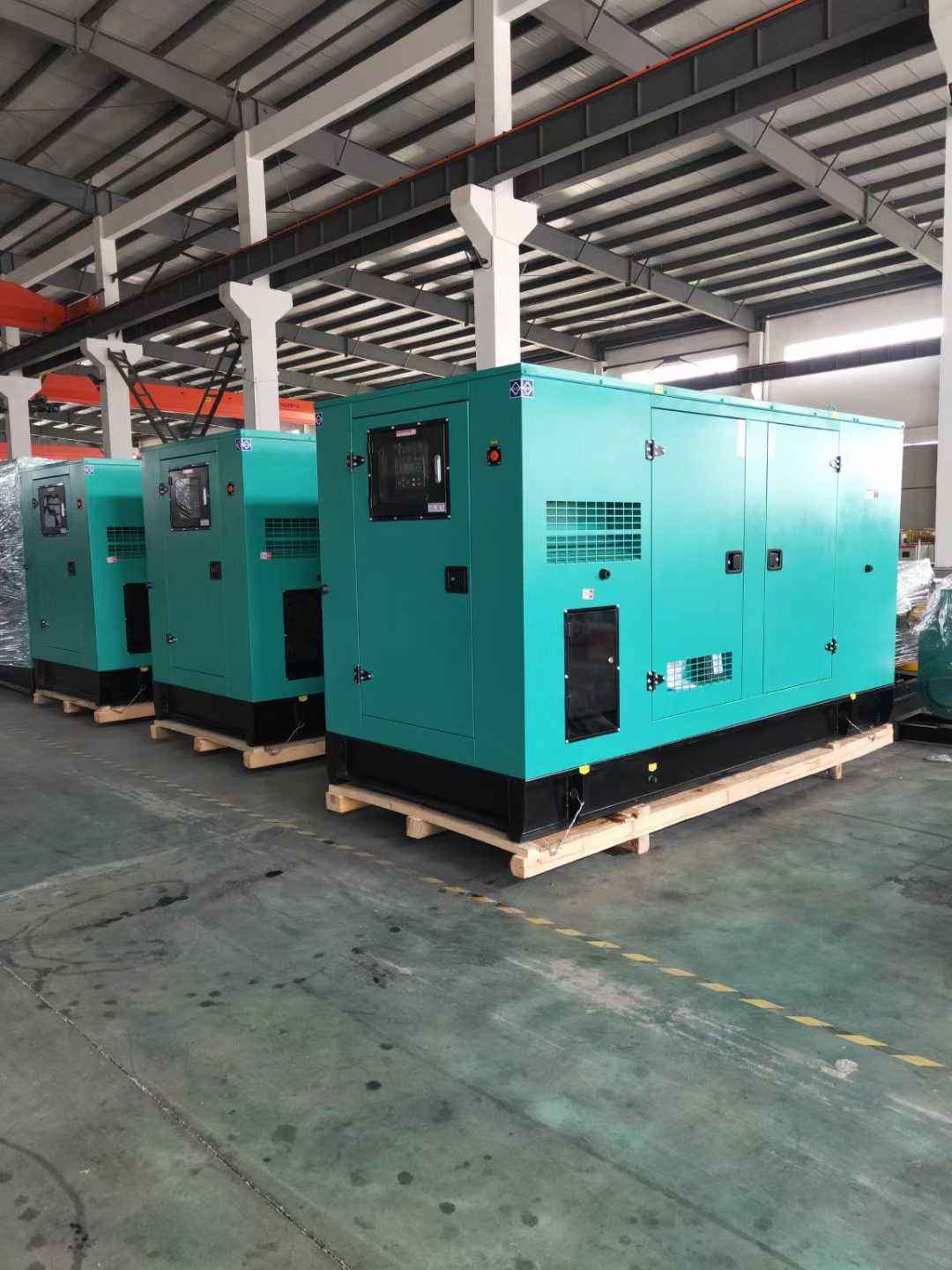
Most genset manufacturers quote one cold figure and leave the line to the buyer, which is how two offers on the same frame end up a grade apart. A cloud point of -9℃ and a cold filter plugging point of -14℃ describe the same litre of fuel, and reading one as the other puts wax in the filter before dawn. Tesla Power Equipment states both figures on the fuel sheet, and that sheet travels with the set.
How is cloud point different from pour point?
Cloud point is the temperature at which the first wax crystals appear, and it shows as a haze in a sample jar. Pour point is where the whole sample stops moving, which sits well below the cloud point and rarely matters for a running engine. A third figure sits between them, and it is the one that stops a set: the cold filter plugging point, measured on a screen rather than in a jar.
The three figures move together but not in step. Wax starts at the cloud point, the filter screen blocks about 3℃ to 6℃ lower, and the fuel stops pouring 6℃ to 12℃ below that. A cold flow improver shifts the plugging point and leaves the cloud point where it was, so a treated fuel can look cloudy in the tank and still pass the filter at -15℃.
Which figure does a winter grade quote on the delivery note?
The delivery note quotes one figure, and in Europe it is the cold filter plugging point. The winter classes in EN 590 step down in 5℃ intervals from +5℃ to -20℃, and the class letter on the note follows the month rather than the site. A buyer reading only the letter can miss a yard that runs 6℃ colder than the town the fuel was blended for.
North American supply is quoted on the cloud point instead, and the two conventions are not interchangeable. A No.2 diesel at a cloud point of -12℃ may pass a filter at -18℃, while a European class F fuel at a plugging point of -20℃ may cloud at -14℃. The number on the note tells you which convention the refinery used, which is the first thing to settle with a Chinese genset supplier.
How cold does the fuel get on a steel skid?
A steel tank follows the night air within about 3℃, and a tank in a walled yard lags it by 6℃ to 8℃. The filter head is the coldest point in the circuit, because fuel passes it at the end of a run along the skid rail, and a bare line loses roughly 40W per metre at a 25℃ difference. That is why the plugging point, not the cloud point, is set against the filter.
Three readings decide the design: the lowest night air temperature for the decade, the fuel temperature at the filter at the end of that night, and the volume the set draws in the first hour. A 500L tank on a 200kW set empties in about eleven hours at three quarter load, so the fuel in the line is replaced often enough to stay near tank temperature.
| Figure | What it measures | Where it bites |
|---|---|---|
| Cloud point | First wax haze in a jar | Tank and sight glass |
| Plugging point | Screen blocked in a lab rig | Filter head at 5 am |
| Pour point | Sample stops moving | Drum and transfer pump |
| Water content | Free water in the litre | Ice on the filter face |
Which winter grade should the tank hold?
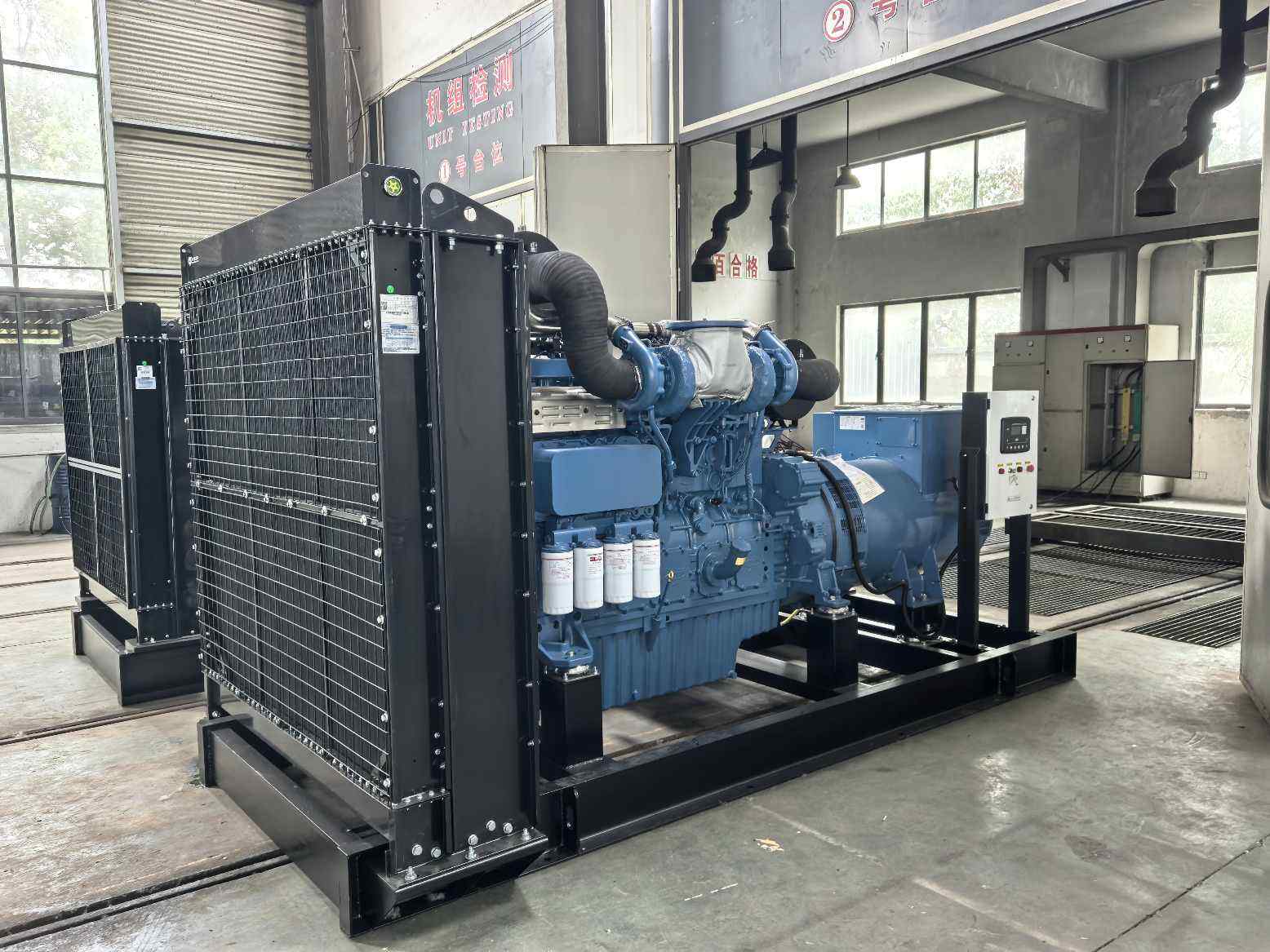
Hold the grade whose plugging point sits 5℃ below the coldest fuel temperature the site expects, not 5℃ below the air temperature. The margin covers a cold snap that outlasts the forecast and a delivery blended for a warmer town. A site that sees -10℃ once a decade still buys the grade for -15℃, because the difference per litre is small against a callout.
Where local supply cannot reach the figure, the answer moves to hardware: a tank heater, a lagged line and a heated filter head. That combination lets a warmer grade run in a colder yard, and it costs less than a cancelled delivery. The site planning notes we keep for export buyers give the heater sizes that match a 500L and a 1000L tank.
What happens inside the filter when the fuel clouds?
Wax crystals form in the bulk fuel and collect on the upstream face of the element, where they build a mat rather than a film. The mat passes fuel until the pressure drop reaches the bypass setting, and then the engine runs on unfiltered fuel or stops. A set that stumbles ten minutes after a cold start usually shows that mat forming, not an air lock.
Two numbers describe the element: the pressure drop at rated flow when clean, and the drop at which the switch closes. A clean element on a 200kW engine drops about 0.15 bar, and the alarm switch closes near 0.8 bar. Wax builds that gap faster than dirt does, which is why a winter site reads the gauge weekly rather than monthly.
Water makes the same failure arrive sooner. Free water settles to the bottom of the tank and freezes at the filter face, and the ice plugs the element without any wax at all. A sump drain taken every week in winter removes more failures than a change of grade does.
How is the supply line kept above the wax point?
Lagging alone holds the fuel near tank temperature for a night, and it does nothing once the tank itself is cold. A trace cable rated at 10W per metre holds a 6mm line about 15℃ above ambient, which covers a -20℃ night on a 3m run. The cable goes under the lagging on the supply line, and the return line carries its own heat from the engine.
Geometry matters as much as the cable. A line along the steel rail picks up the rail temperature, and a line clipped to the canopy wall picks up the wall. Our own bay runs the supply through a sleeve on the skid rather than along the rail, and the fuel reaches the filter 8℃ warmer on a -5℃ morning than on the first build.
- Lag the line in 19mm closed cell, and seal the ends so melt water cannot enter.
- Fit the trace thermostat on the pipe, not in the cabinet, because the cabinet is warmer.
- Slope the line back to the tank, so a shutdown drains fuel away from the filter head.
Where does the cold flow rule fail on site?
The first failure is a grade bought for the town rather than the yard. The second is a tank filled with summer fuel in October and left until January, because the blend in the tank is the blend the engine gets. The third is a heater fitted to the tank and not to the line, which moves the wax from the tank to the filter and changes nothing else.
Our service desk sees the pattern in the call log: a set that started at -8℃ in November fails at -6℃ in February on the same grade. The tank has taken on water by then, the filter has run a season, and the plugging point of the fuel has drifted up as the lighter fractions burned off. The fix is a drain, a filter and a top-up, in that order.
What does a cold climate order put in writing?
The order carries four lines that a warm climate order leaves out: the grade and its plugging point, the trace rating and length, the heater on the tank or the filter head, and the coldest fuel temperature the design assumes. Each line is a number rather than a note, because a note is read differently by each crew that handles the set. A genset in parallel operation splits the cold start load across two frames.
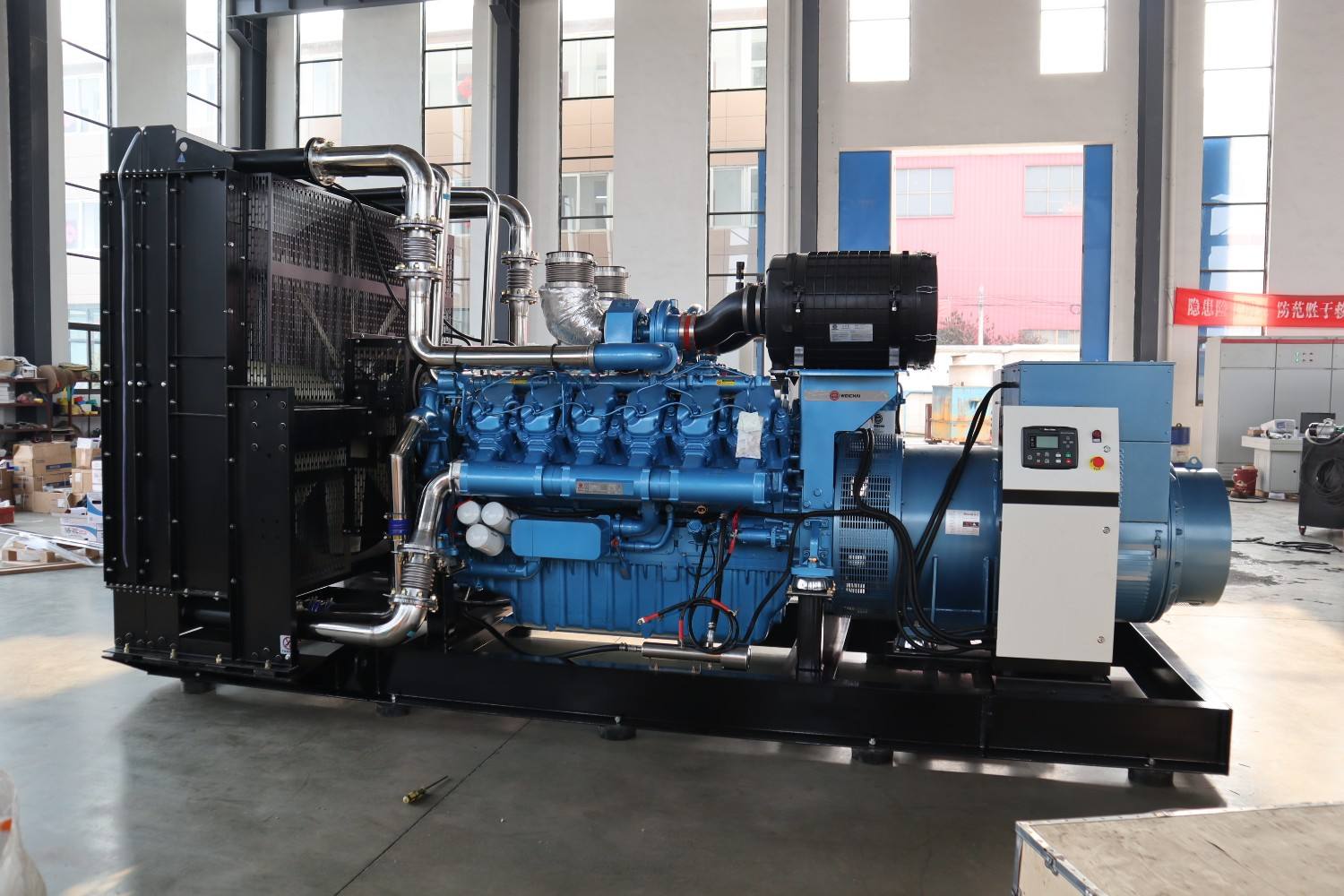
A 250kVA frame at 0.8 power factor carries 200kW. At three quarter load the engine draws 150kW and burns 0.21 L/kWh, so 150 × 0.21 = 31.5 L/h. A ten hour night run needs 315L, and a 500L tank keeps 185L in reserve, which is the figure that decides whether a tank heater is worth fitting. The 400kW frame on the WP13 platform carries a 700L tank on the same calculation.
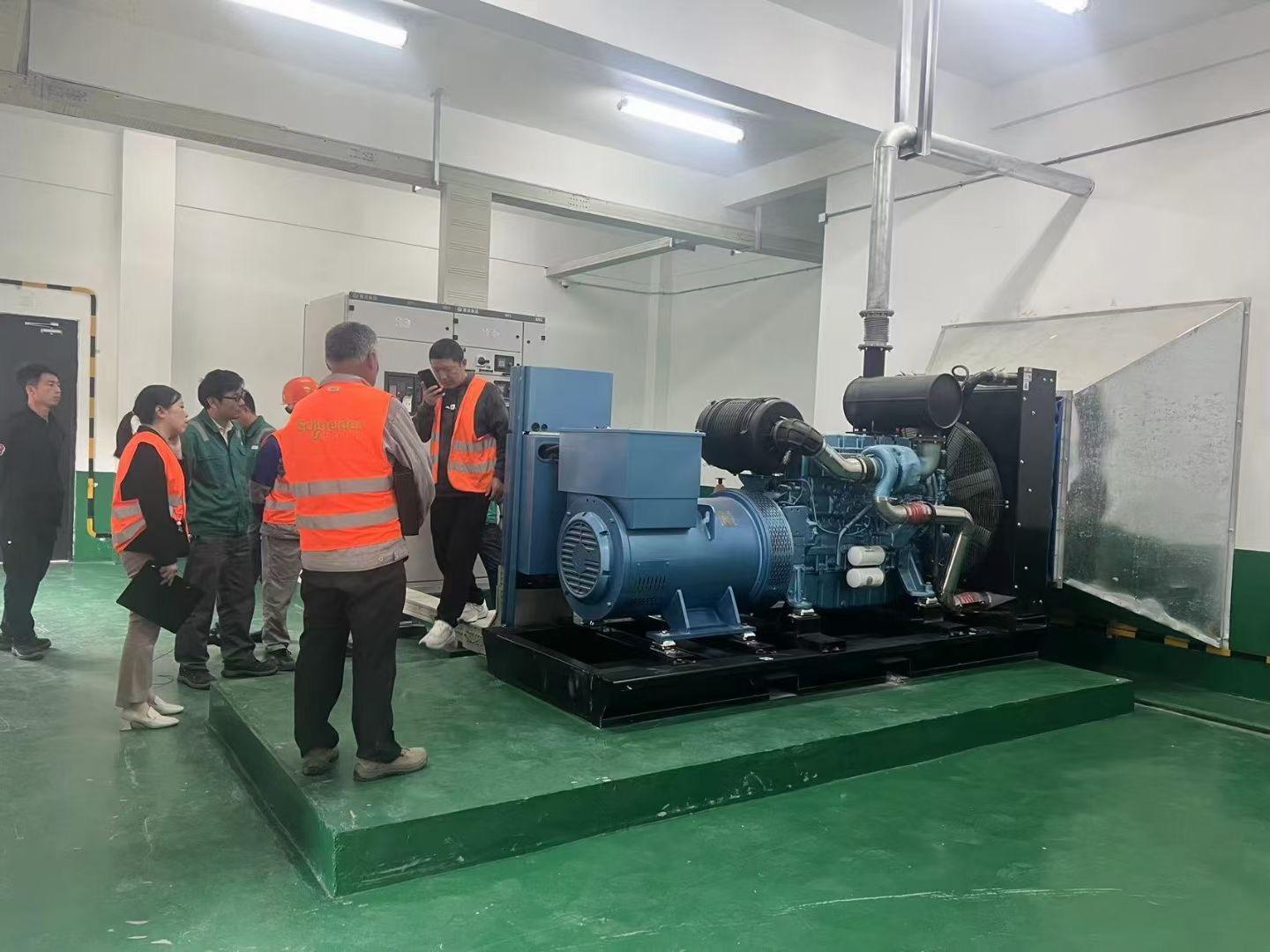
Yangzhou Tesla Power writes those four lines into the order confirmation rather than the covering letter, so the file and the plate can be read together at handover. The same sheet goes to the commissioning crew, and the crew writes the fuel temperature it measured beside the figure it was given. A genset for standby duty follows a different cold start routine from a prime duty set.
How should a buyer compare two cold flow offers?
Compare the basis before the price. Two offers on the same frame should name the same four figures, and where one names a grade without a plugging point the comparison stops there. A higher grade on a colder basis is not a better set, and a lower grade on an unknown basis is not a cheaper one. The reference condition is defined in the NFPA 110 emergency power rules, which names the tolerance and the test point.
The rating classes in the ISO 8528-1 framework fix the duty the set is sold for, and the fuel sheet has to match that duty rather than the climate zone. A standby set that runs thirty hours a year can carry a warmer grade with a heater than a prime set that runs through the night, and the offer should say which case it prices.
Ask for the trace drawing as well. A supplier who shows a routed line, a thermostat position and a drain slope has thought about the night the fuel gels. One who quotes a grade alone has quoted a fuel rather than a system, and the 120kW frame we build for standby duty leaves the factory with that drawing in the file.
What changes when the set goes into a container?
A container build carries the same circuit in a smaller volume, and the enclosure changes the temperature the tank sees. The box holds engine heat for an hour after shutdown and then loses it through the roof, so the tank cools faster than a plant room tank and slower than an open skid. A genset for a cold store yard sits near -10℃ inside the box while the engine runs. The same frame appears in the 1000kW container build for standby duty, where the plate states the same basis. Tesla Power reads that figure on the site sheet before the plate is printed.
The run is shorter in a container and the filter head sits closer to the tank, which helps. The transfer pump sits lower, and the suction lift on a cold morning is the part that fails, because cold fuel is thicker and the pump loses prime. Our builds put the pump at tank level inside the box, and the priming line returns to the tank. A conformity assessment for the fuel circuit then reads the same drawing the crew used. The same frame appears in the 500kVA silent set with the ATS option, where the plate states the same basis.
Frequently asked questions about genset cold flow
It shifts the plugging point by 5℃ to 10℃ on most middle distillates and leaves the cloud point close to where it was. That is enough to rescue a delivery that arrived a grade warm, and it is not enough to turn summer fuel into arctic fuel. Dose at the tank rather than the line, and stir the tank before the night run. Tesla Power reads that figure on the site sheet before the plate is printed.
Switch it at 5℃ above the plugging point of the grade in the tank, which keeps the fuel ahead of the wax rather than chasing it. A thermostat set at the plugging point itself lets the filter see wax before the heater answers. Fit the sensor in the tank and a second one on the line if the run exceeds 3m.
The filter mat is building as cold fuel passes the element, and the pressure drop reaches the bypass or the switch. A gauge on the filter head shows the rise, and a change of element usually clears it. If the drop returns within a week, the fuel in the tank is the problem rather than the element. Tesla Power reads that figure on the site sheet before the plate is printed.
It is enough for a short run in mild frost and not enough for a night at -20℃, because wax forms in the tank and the line before it reaches the head. A heated head buys time on a start; a lagged line and a tank heater remove the cause. Fit the three as a set or fit none.
Draw a sample from the filter drain into a clear jar and hold it against the ambient reading at the same moment. The jar shows haze at the cloud point, and the filter gauge shows the plugging margin. Record both on the commissioning sheet with the grade from the delivery note. Tesla Power reads that figure on the site sheet before the plate is printed.
Cold fuel is denser, so a litre carries slightly more energy, and the gain is lost to longer warm-up and thicker oil. The net effect on litres per kWh sits within a few percent either side. Plan the tank on the warm figure and treat the winter gain as margin rather than as a saving.
The fuel sheet with both cold figures, the trace drawing, the heater data sheet and the commissioning record with the measured fuel temperature. An assessor then checks the four against the set rather than the quotation. Keep the file with the service book, so the next winter starts from a record rather than from memory. File it with the delivery note, and the sequence of grades is auditable. Tesla Power reads that figure on the site sheet before the plate is printed.