
Genset coolant flush removes the scale, rust and dropped silicate that settle in a loop and choke the core. Check the specification against the loop volume, then compare supplier offers before the service is booked. Tesla Power writes the flush sequence into the service file; send the loop drawing to the technical desk and we confirm the mix.
- Drain the loop cold, because a hot drain can warp a head that is still under load.
- Flush with clean water until the outlet runs clear before any chemical goes in.
- Refill with a 50% glycol mix and check it with a refractometer, not by colour.
- Record the volume that came out, since a short drain means a trapped pocket.
What does a genset coolant flush remove?
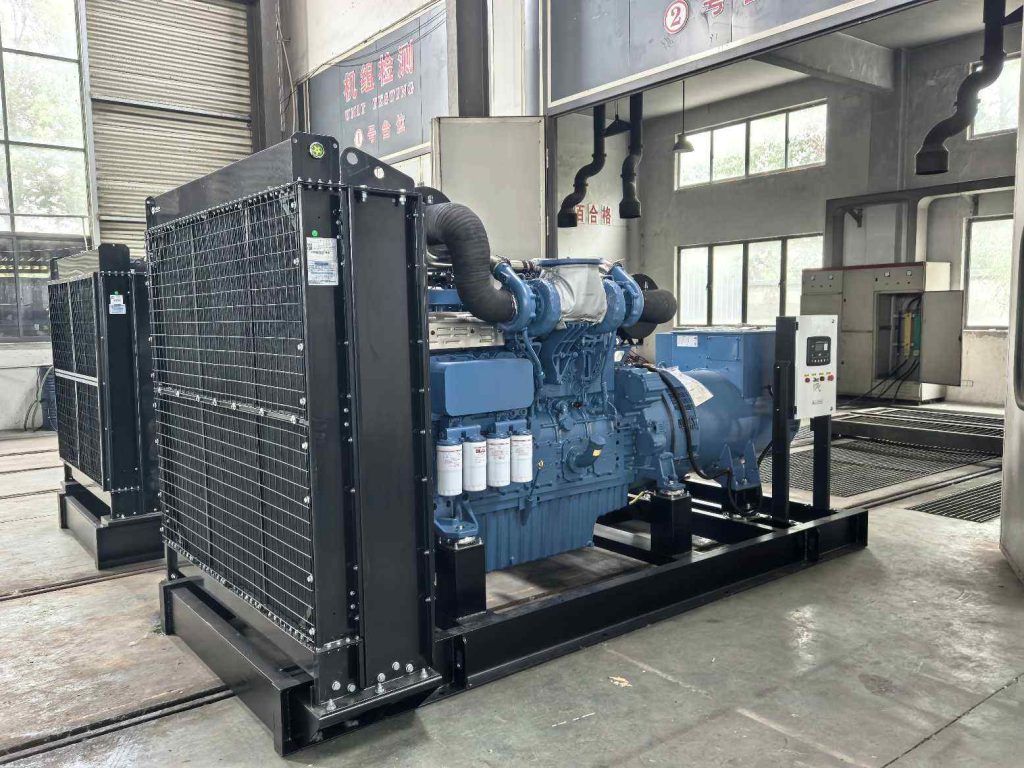
It removes the three things that shorten a loop: scale from hard water, rust from a system that ran on plain water, and silicate that drops out of an over-concentrated mix. All three settle in the coolest part of the loop, which on a generator set is the bottom of the radiator core and the oil cooler. A flush restores the heat transfer those passages were designed for.
A flush also removes the old mix itself, and that matters because two coolant types can react. An organic acid technology mix left in a loop and topped up with a conventional mix forms a gel that blocks a core faster than scale. Tesla Power drains rather than tops up when the history of the fill is unknown, because a top up with the wrong chemistry is worse than a short fill.
When is a flush due rather than a drain?
A drain and refill is enough when the coolant comes out clean, the glycol figure is correct and the pH sits between 8 and 9. A flush is due when the coolant is cloudy, carries a rust tint, smells burnt or shows a gel on the filler neck. Test the pH and the glycol figure before you decide, because colour is the least reliable of the four signals. Colour alone tells you very little, so buy the two testers and keep them in the bay.
Interval matters as much as condition. Most export sets call for a change at two years or 4,000 h, whichever comes first, and a set that sits idle still ages its coolant. Tesla Power puts the flush interval on the service card rather than leaving it to the operator, because a standby set that rarely runs is the one most often missed.
| Coolant condition | Action | Typical trigger |
|---|---|---|
| Clear, correct glycol, pH 8 to 9 | Top up and record | Every service visit |
| Cloudy with a rust tint | Drain and water flush | Around 2,000 h |
| Gel or sludge on the filler neck | Chemical clean and refill | At once, before the next start |
| pH below 7.5 | Drain, flush, new mix | At once, before the next start |
How is the loop flushed in the bay?
Drain the loop cold with the heater valve open and the cap off, then close the drain and fill with clean water. Run the engine to operating temperature with the thermostat open, drain again and repeat until the water leaves clear. Only then add the chemical cleaner, run it for the time the maker specifies and drain it into a container for disposal.
Neutralise the residue with a second water flush before the new mix goes in, because an acid cleaner left in the loop will attack the head gasket. Fill slowly at the highest point with the bleed screws open, and stop when the level stabilises. Tesla Power Equipment runs the engine at half load for twenty minutes after the fill, lets it cool and tops up again, which is when a trapped air pocket finally shows.
Why does mixing two coolant types cause a gel?
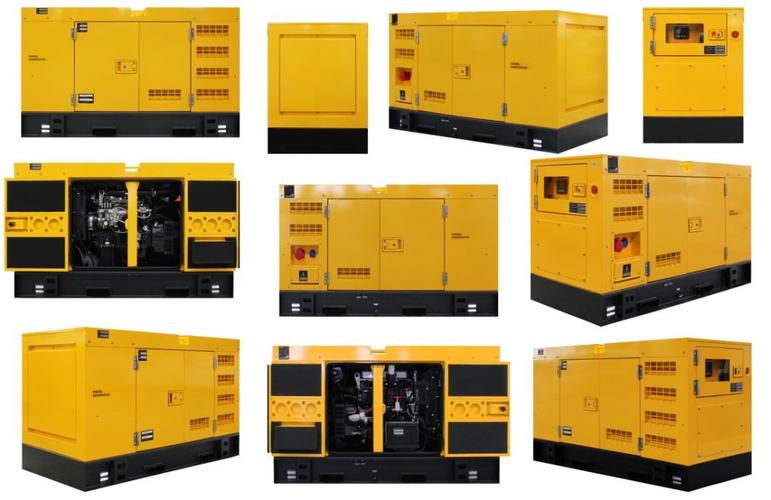
Conventional coolant uses silicate and phosphate inhibitors, while an organic acid mix uses carboxylate salts. The two chemistries react and drop a gel that coats the core tubes. The gel is soft, so it does not look like scale, and it insulates the tube rather than blocking it outright, which makes the overheat slow and hard to trace. A layer of 2 mm on the tube wall cuts heat transfer by roughly 20%, which is enough to derate a set at full load.
The risk rises on a fleet where two suppliers have filled the same set. Write the coolant type on the engine plate and use one type across the fleet. Tesla Power lists the chemistry on the service card beside the glycol figure, so a technician topping up from a drum reads the type before the drum is opened. A flush is cheaper than a core, and a core for a large set is a long lead item.
How is the refill checked before handover?
Check the glycol figure with a refractometer, check the pH with a strip and check the level after a full cool down. A 500kVA set at 0.8 pf delivers 400kW and holds about 40 L, so a 50% mix needs 20 L of glycol: 40 L x 50% = 20 L. A mix above 60% protects less against heat and transfers heat worse, which is why more glycol is not better.
Then run the set at full load for half an hour and watch the temperature stabilise. Yangzhou Tesla Power logs the glycol figure, the pH and the stabilised temperature on the handover sheet, because those three numbers settle most warranty questions about a loop. A set that reaches temperature and holds it has no trapped air and no blocked core. That is the test that matters at handover.
What happens if air stays in the loop?
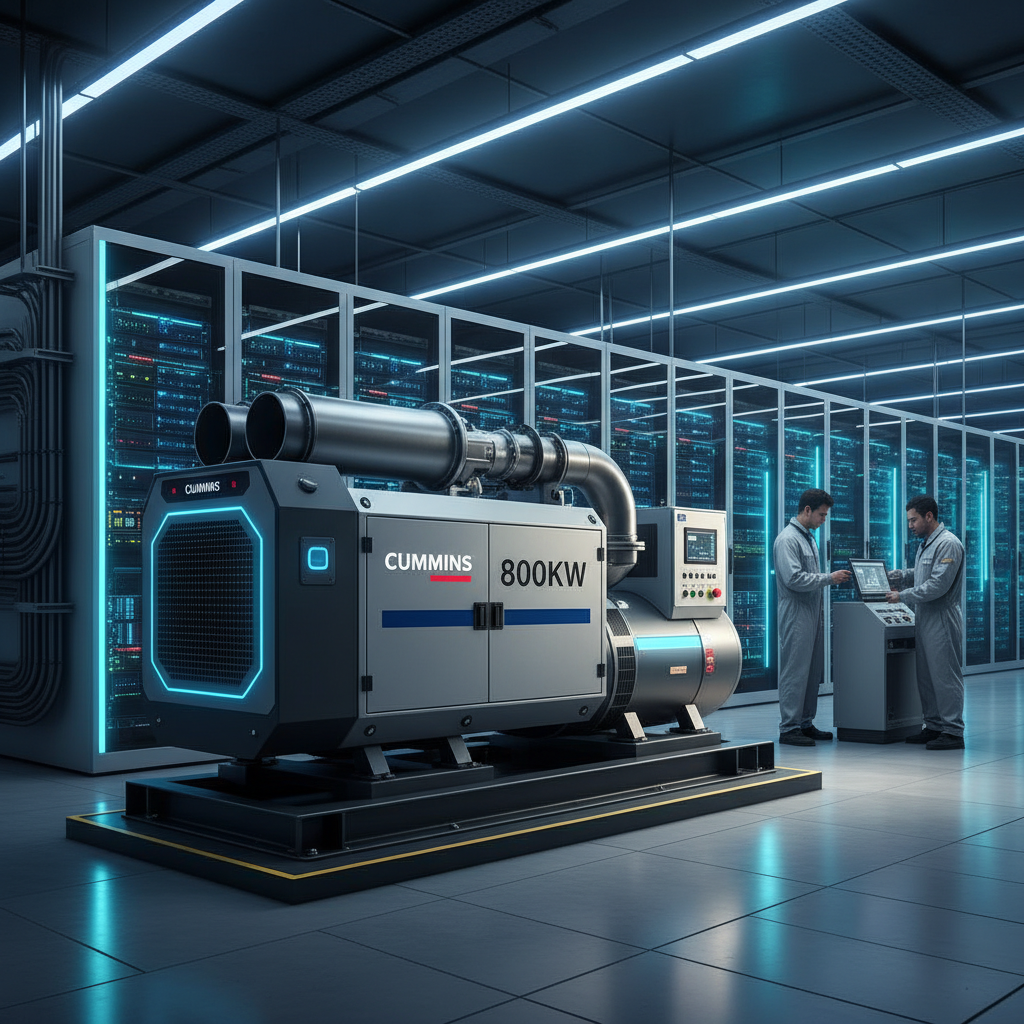
An air pocket sits at the highest point and stops the coolant reaching the sensor, so the gauge reads low while the head runs hot. The set then trips on a temperature the gauge did not show. A pocket also lets the water pump cavitate, which damages the seal and shows up later as a leak from the weep hole. A pocket of 5% of the loop volume is enough to hold the sensor dry.
Bleed at the highest point with the engine running and the heater valve open, then recheck after a cool down. A loop that needs topping up twice in a week has a pocket or a leak, and the two are told apart by looking under the set for a stain. Tesla Power adds the bleed points to the layout so a technician does not have to find them.
What should a buyer put on the enquiry?
Send the loop volume, the coolant type already in the set, the local water hardness and the lowest ambient the site expects. Those four items decide the mix and the flush method, and they also expose a quotation that has priced a drain and refill as a flush. Ask for the disposal route for the old coolant as a separate line.
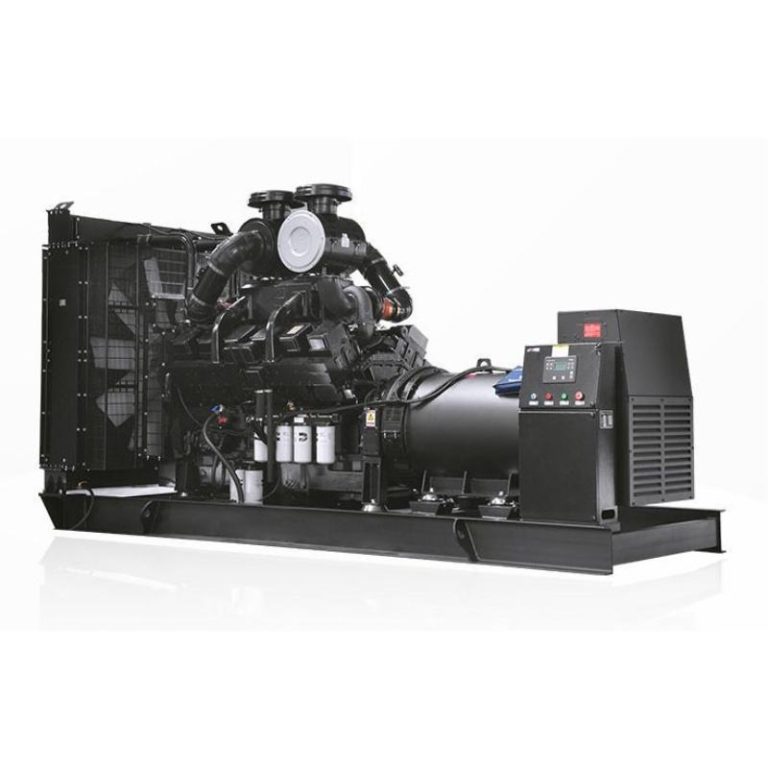
The wording on the offer matters too. Genset coolant flush manufacturers often quote a labour hour with no volume figure, and Chinese genset coolant suppliers sometimes ship a pre-mixed drum at a concentration the site cannot use. Ask for genset coolant flush for a plant room, genset coolant for a mixed fleet and genset for a cold store as three separate cases. Tesla Power writes the mix on the service card, and the 1000kW container build shows the loop layout.
What does the handover file record?
The file carries the loop volume, the coolant chemistry, the glycol figure, the pH and the stabilised temperature at full load. One page covers the loop when those five items sit under the engine serial number. Add the conformity assessment for the coolant loop when the set is part of a permit package, because a surveyor will ask for the chemistry before the volume.
Hand the page to the technician who services the set rather than to the buyer who placed the order. the Yangzhou factory describes the bay where the flush is carried out and the coolant is tested. the commissioning notes lists the frames that use a remote radiator with a larger volume, the build range explains how the glycol figure is checked on site, the ISO 8528-1 duty definitions sets the rating basis the loop was sized on, and the NFPA 110 maintenance routine covers the load steps the set was accepted on.
Frequently asked questions about genset coolant flush
Yes, and on most generator sets it is the only practical route, because the radiator is bolted to the baseframe. The flush works through the same drain and filler points the loop already has. A core that is physically blocked needs to come out, and that is a different job with a different price.
A mild cleaner is safe on a sound core and risky on one that is already thin. On a set older than ten years, pressure test the core before the cleaner goes in. A cleaner finds the weak point and turns a seep into a leak, which is worth knowing before the work starts rather than after.
Plan on three times the loop volume in clean water for the rinsing, plus the volume of the new mix. A 40 L loop therefore needs about 120 L of rinse water and 40 L of mix. Water hardness matters here, because a hard rinse leaves the scale the flush was meant to remove.
It needs the valve open during the flush so the cleaner reaches it, and it often needs its own bleed afterwards. A block heater sits at the lowest point on many sets and collects the sediment first. Open the valve, flush through it and bleed it before the set goes back on load.
It goes to a licensed waste route, because glycol is toxic to animals and the inhibitors are not sewer safe. Store it in a labelled drum with the volume written on the side. A service record that shows the disposal volume is worth having when a site audit asks where the old coolant went.
Cloudiness usually means the flush left residue or the mix was made with hard water. It can also mean two chemistries met. Check the pH and the glycol figure first, then drain and refill with premixed coolant rather than mixing on site. Tesla Power supplies the premixed drum for that reason.