
Genset coupling alignment sets how much offset the shaft train carries at the flexible element, and a small error there wears the coupling out early. Check the specification against the coupling data, then compare supplier offers before the frame is built. Tesla Power records the readings; send the drawing to the technical desk and we confirm the figures.
- Measure the offset at the coupling rather than at the flywheel housing alone.
- Set the cold alignment to allow for the growth the set will see when it is hot.
- Check the soft foot before shimming, because a bent frame cannot be aligned.
- Repeat the reading after the first hot run, since the frame settles on its mounts.
What does genset coupling alignment measure?
It measures two things at once: the parallel offset between the two shaft centre lines and the angular gap between the two flange faces. A coupling that is parallel but angular wears its element on one side, and a coupling that is square but offset stretches the element all round. Both faults show as coupling wear rather than as a frame vibration. A reading taken once at commissioning and not repeated is a reading that describes a set that no longer exists.
The measurement is made at the flexible element because that is the part that has to absorb the error. A flexible coupling is not a licence to align roughly, since every 0.1 mm of offset becomes heat in the element and shortens its life. Tesla Power treats the coupling as a wear part with a life that the alignment figure predicts, which is why the figure is written down.
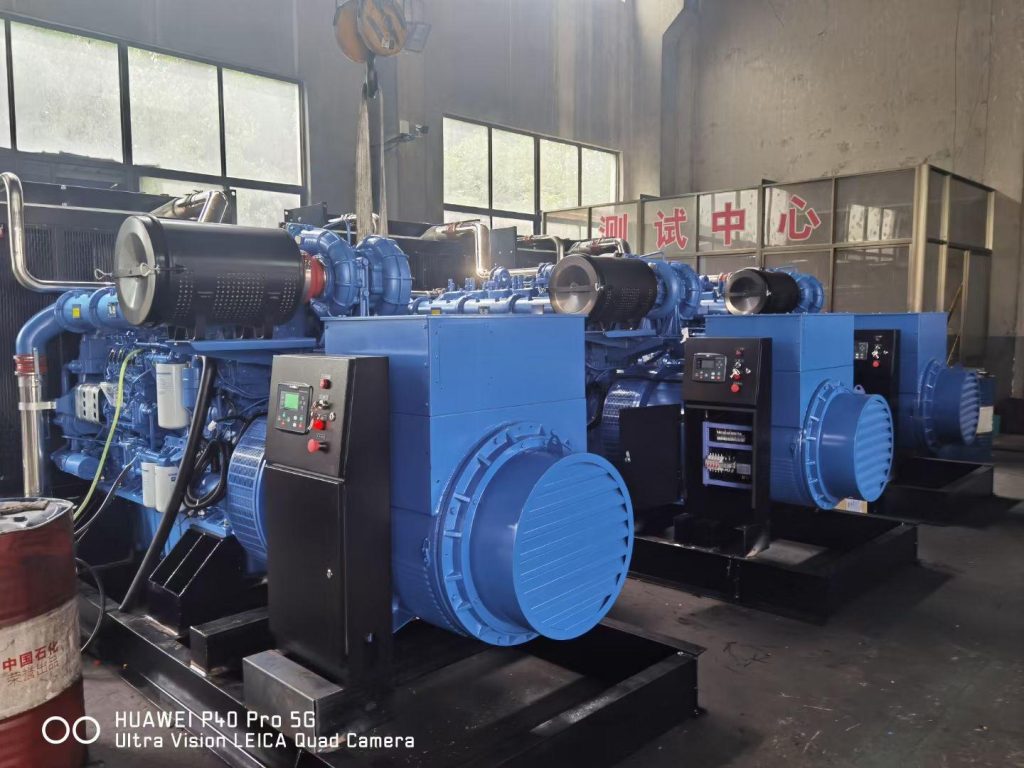
Which tolerance applies to the coupling?
The coupling maker sets the tolerance, and it is usually stated as a maximum parallel offset and a maximum angular gap at a given shaft speed. A typical figure for a close coupled set is 0.10 mm of parallel offset and a similar angular figure. A larger coupling on a slower shaft may allow more, and a high speed coupling may allow less. A tolerance written as a single number without a direction covers the harder of the two cases.
The tolerance also depends on the element type, because a rubber block coupling absorbs more misalignment than a steel disc pack. Read the figure for the element that is fitted rather than for the coupling family. Tesla Power Equipment prints the tolerance and the element type together on the alignment sheet, because a figure quoted for the wrong element is worse than no figure.
| Item | Figure | Note |
|---|---|---|
| Parallel offset, close coupled | 0.10 mm | Read at four clock positions |
| Angular gap, close coupled | 0.10 mm | Read on the flange face |
| Cold setting allowance | Half the tolerance | Covers the growth when hot |
| Coupling temperature at load | Within 20 °C of the frame | A warm element is absorbing error |
How is the offset measured with a dial gauge?
Clamp the gauge bracket to one flange and read the other flange at four points, turning both shafts together so the reading is not affected by runout. Read the rim for parallel offset and the face for angular gap, and write all eight figures down. The arithmetic then gives the shim change at each foot, which is the only number the technician needs.
A laser alignment tool does the same job faster and with less arithmetic, and it needs the same care over bracket sag and runout. Whichever tool is used, turn the shaft in the direction of rotation and stop at the same four clock positions. Yangzhou Tesla Power uses a laser on the test bed and a dial gauge on site, because the laser does not fit every close coupled frame. A bracket that flexes under its own weight reads differently at the top of the flange than at the bottom.
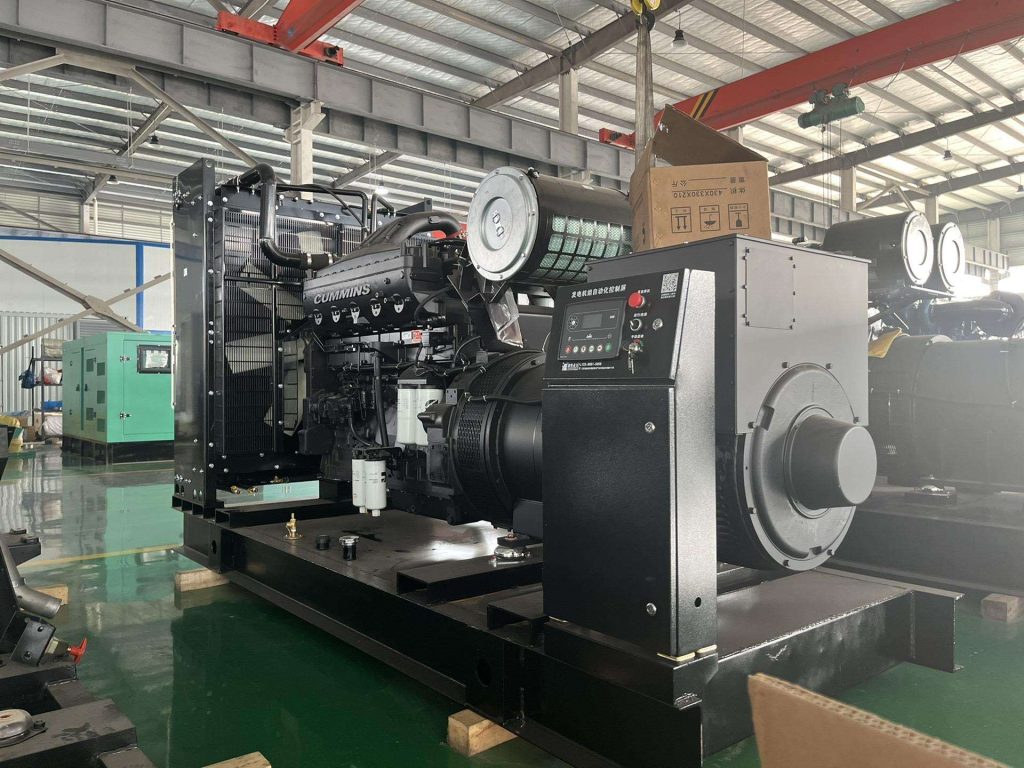
Why does thermal growth change the setting?
The engine block grows more than the alternator frame as the set reaches working temperature, so the cold alignment has to be set with that growth in mind. A set aligned perfectly cold runs with an offset when hot, and the offset goes into the coupling. The growth figure comes from the maker rather than from a rule of thumb. A cold figure taken in a cool bay and applied in a hot yard is the same error seen from the other side.
The frame also settles on its mounts in the first hours of running, which moves the alignment again. That is why the reading is repeated after the first hot run of 2 h and corrected if it has moved. Tesla Power writes the cold figure and the hot figure on the sheet, because a single figure does not tell a technician which one it was.
What happens when the alignment is out?
The coupling element heats up, the rubber or the disc pack degrades and the set develops a vibration that grows with load. In the worst case the element fails and the shaft ends run metal to metal. A coupling that is warm to the touch after a short run is a coupling that is absorbing misalignment rather than torque.
A large offset also loads the alternator bearing and the engine rear main, and those failures are expensive and slow to diagnose. A bearing that fails early on a set with a good alternator is often an alignment problem rather than a bearing problem. Check the coupling temperature at every service and compare it with the frame temperature. A coupling that runs hot for a month leaves a smell of hot rubber in the canopy that a technician can find before the element fails. Tesla Power adds the temperature to the service card so the comparison is made at every visit.
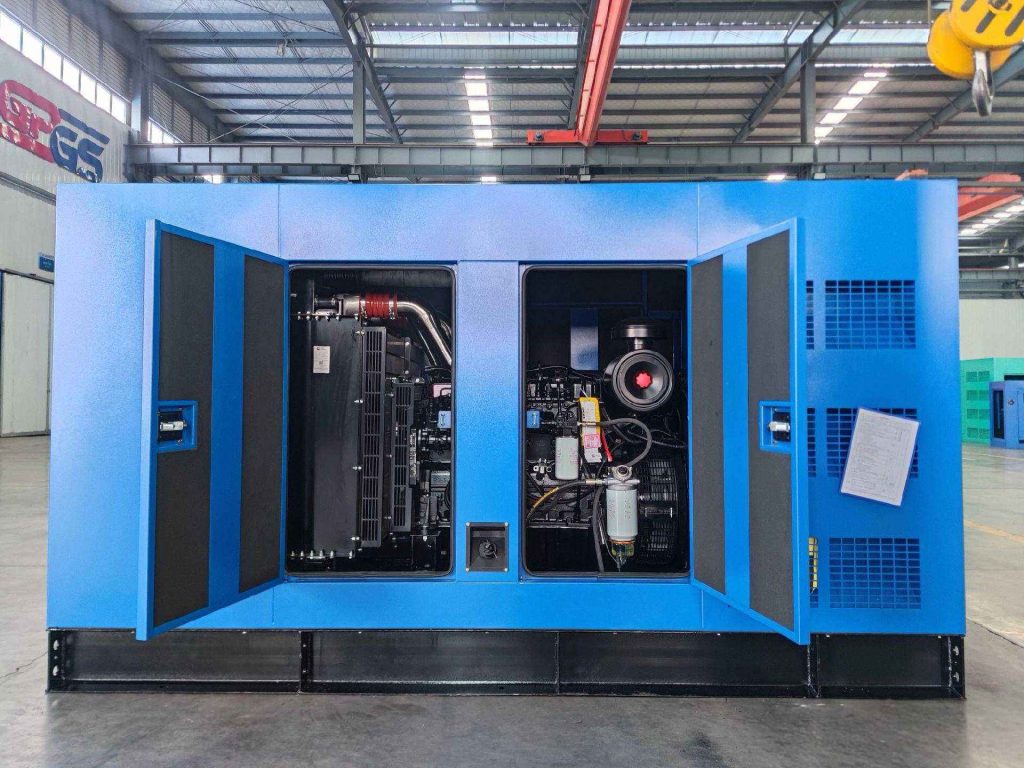
How is the alignment proved after a service?
Repeat the four point reading after any work that moves the engine, the alternator or the frame, including a mount change and a baseframe repair. Then run the set on load for an hour and read the coupling temperature with a contact thermometer. A coupling that sits within about 20 °C of the frame is working as designed.
Write the reading and the temperature on the service sheet, and compare them with the commissioning figures. A 500kVA set at 0.8 pf delivers 400kW, and the coupling allows 0.10 mm of offset, so the shim pack is set to half of it: 0.10 mm x 50% = 0.05 mm. A reading that has drifted from that figure is a reading that predicts the next failure.
What should a buyer put on the enquiry?
Send the coupling make and element type, the shaft speed, the frame arrangement and whether the set is close coupled or single bearing. Add the ambient and the duty, because both affect the growth figure. Those six items let a supplier quote a tolerance that matches the build, and they show whether the offer has quoted a tolerance at all. A tolerance quoted without the element type beside it cannot be checked on site, which is why both belong on the same line.
The wording on the offer matters too. Genset coupling alignment manufacturers often leave the tolerance off a quotation, and Chinese genset coupling suppliers sometimes ship an element that is softer than the one the case was calculated for. Ask for genset coupling alignment for a close coupled set, genset coupling for a large frame and genset for a data centre as three separate cases. Tesla Power prints the tolerance, and the 1000kW container build shows the element.
What does the handover file record?
The file carries the coupling make and element, the cold offset, the hot offset, the coupling temperature at load and the shim pack at each foot. One page covers the shaft train when those five items sit under the set serial number. Add the conformity assessment for the alignment when the installation is part of a permit package.
Hand the page to the technician who will change the element rather than to the buyer who placed the order. the Yangzhou factory describes the bed where the alignment is set. the commissioning notes lists the frames that use a single bearing alternator, the build range explains how the soft foot is checked before shimming, the ISO 8528-1 duty definitions sets the rating basis the speed comes from, and the NFPA 110 maintenance routine covers the load steps the set was accepted on.
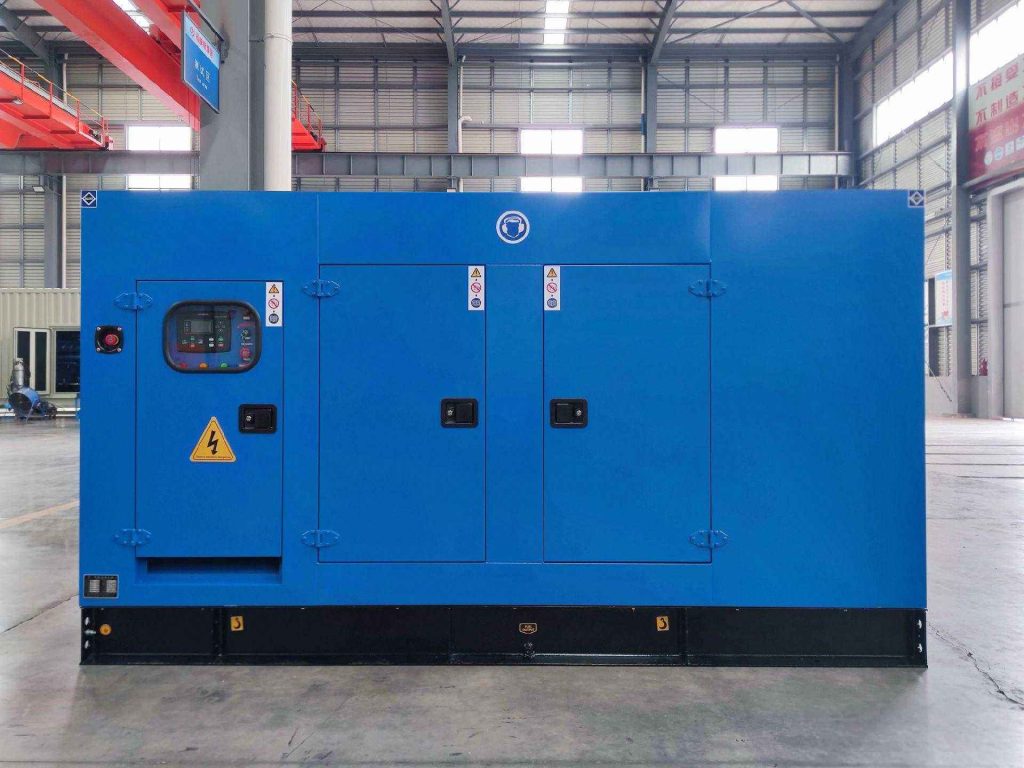
Frequently asked questions about genset coupling alignment
It can absorb a small offset for a while, and it turns the rest into heat. A flexible element is designed for a tolerance rather than for a misalignment, and a large offset shortens its life in proportion. Align to the figure and treat the flexibility as margin.
The frame settles on its mounts and the engine grows more than the alternator, so the cold setting moves. Repeat the reading after the first hot run and correct it. A set that is aligned cold and is not rechecked carries the difference for its whole life.
A laser is faster and removes most of the arithmetic, and it needs the same bracket discipline. A dial gauge works on every frame and needs a skilled hand. Use the laser where it fits and keep a dial gauge for the frames it does not.
It bends the frame when the bolts are tightened, so the alignment measured before tightening is not the alignment in service. Check the feet with a feeler gauge and shim them before any reading is taken. A soft foot makes every later reading meaningless.
Check it at commissioning, after the first hot run, after any mount change and at the major overhaul. A set that has not moved needs no annual check. A set that has had a baseframe repair needs one before it runs again.
A single bearing alternator relies on the coupling for support, so the alignment tolerance is tighter and the element carries more load. A two bearing machine is more forgiving. Read the arrangement before quoting a tolerance. Tesla Power records the arrangement on the alignment sheet.