
Genset filter differential is the pressure drop across the filter element, and the switch that reads it decides when the operator is warned. Read the specification against the fuel grade and compare supplier offers before you fix the alarm point. Tesla Power sets the figure on the build sheet; send the fuel grade to the technical desk for confirmation.
- Read the pressure drop at full flow, not at idle, because the figure falls with the flow.
- Match the alarm point to the element rating the engine maker lists for that fuel grade.
- Test the switch with a gauge before the set leaves the works, not after the first trip.
- Keep the gauge reading with the service sheet so a blocked filter claim can be checked.
What does genset filter differential measure?
The figure is the difference between the pressure before the element and the pressure after it. A clean element on a diesel circuit drops about 0.1 bar at full flow, and a loaded element climbs past 0.5 bar before the paper starts to bypass. The switch watches that gap rather than the absolute pressure, so a weak lift pump cannot hide a blocked filter behind a low reading.
Read the figure at rated flow, because the drop falls almost to zero at idle and a test at idle proves nothing about the element. The engine maker prints the limit on the fuel circuit drawing, and the switch is set below it so the operator sees the warning before the bypass opens. Tesla Power records the limit on the build sheet and keeps it with the fuel circuit drawing in the handover pack.
Which switch setting suits a duplex filter?
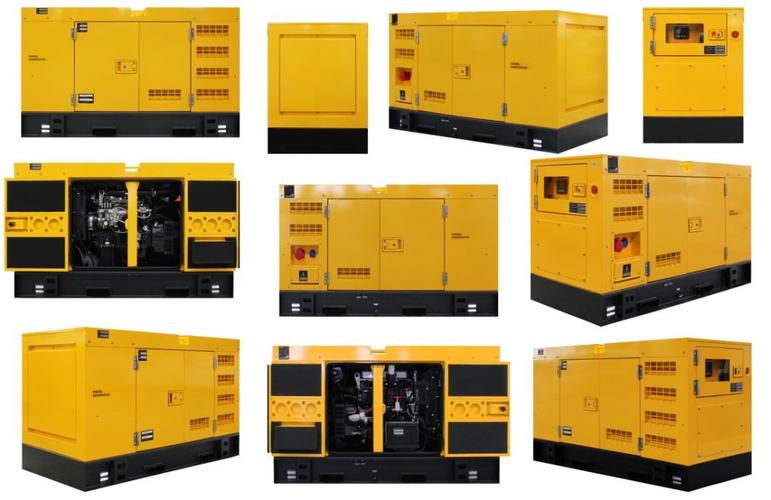
A duplex build carries two elements and a changeover valve, so the switch sits on the common outlet and reads whichever element is in service. We set the alarm at about 70 % of the maker limit, which leaves room for a cold morning before the element needs changing. A setting at the limit itself gives the operator no warning window.
Single element builds take the same logic with a lower margin, because the element loads faster on a small tank and the operator has no second element to switch to. The table below sets out the usual figures for a standby site and a prime power site, and Tesla Power confirms the choice against the fuel grade the buyer names in the enquiry rather than against a catalogue default.
| Build | Alarm setting | Change interval |
|---|---|---|
| Single element, standby | 0.35 bar | 400 h or once a year |
| Duplex element, standby | 0.50 bar | 800 h on each element |
| Duplex element, prime power | 0.50 bar | 500 h on each element |
| Cold climate build | 0.35 bar with a head heater | 400 h, checked each frost |
Why does a cold start trip the differential switch?
Cold diesel is thick, and the element has to push it through a smaller free area, so the drop rises with every degree below the cloud point. A setting that works in summer can trip on the first frost of the season, and the operator then blames the element rather than the fuel. The answer is a heater on the filter head or a winter grade of fuel, not a switch set wide.
Check the cloud point of the fuel against the coldest night on site before you blame the switch. A site that stores summer grade into November will trip the alarm on a healthy element, and the operator then learns to ignore the warning altogether. Tesla Power asks for the fuel grade on every order for that reason, and the fuel planning notes in the build range set out the seasonal switch over.
How is the alarm point checked on site?
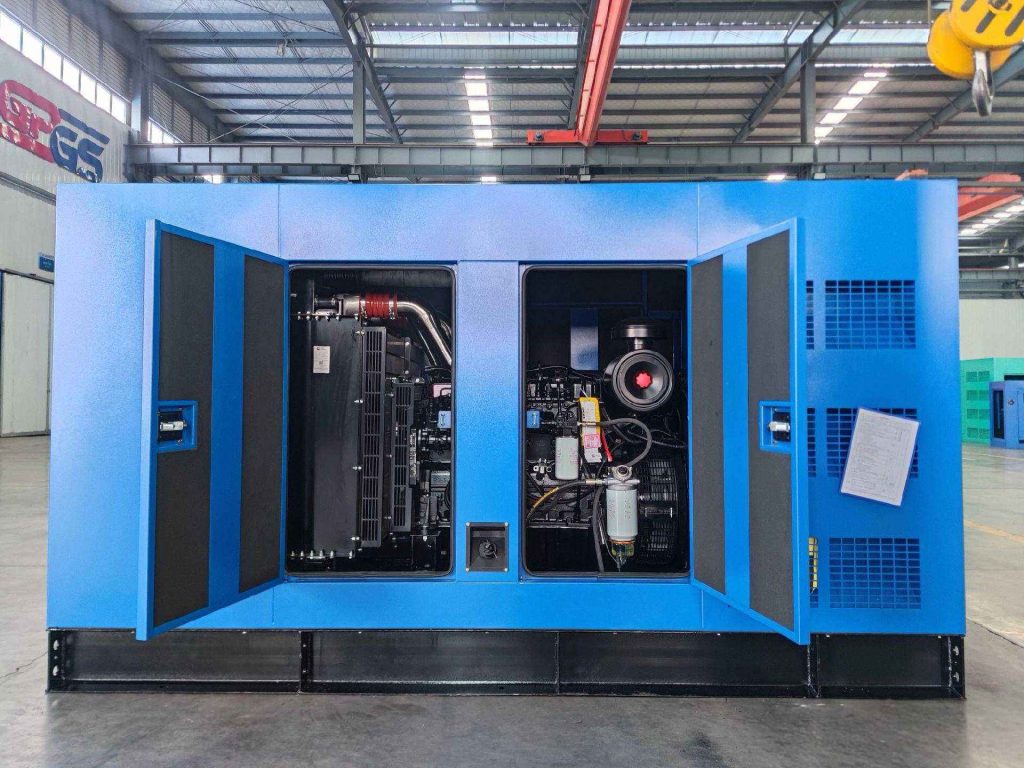
Fit a gauge on the test port either side of the element, run the set at rated load and read both figures. Subtract one from the other and compare the result with the switch setting printed on the panel label. A switch that trips at a lower figure than the gauge shows is drifting, and the diaphragm inside it is the usual cause of that slow drift.
Repeat the check with a new element so the baseline is known, then log both readings on the same sheet as the hour meter figure. A gauge check takes ten minutes. It settles an argument that otherwise runs for a whole season. Ask the commissioning technician to sign the reading rather than to tick a box, because a signature makes the number worth something later.
What happens when the switch is set too tight?
A tight setting trips on a healthy element, and the operator then either changes filters early or bridges the switch to finish a shift. Both outcomes cost more than the correct setting, because a bridged switch gives no warning at all and the next blockage arrives unnoticed. Early changes also add a seal and a bleed cycle each time, which is where air enters the circuit.
The opposite error is a switch set so wide that the element bypasses before the alarm sounds. Unfiltered fuel then reaches the injection pump, and the repair is a pump overhaul rather than an element and a seal kit. Tesla Power Equipment sets the figure from the maker limit rather than from habit, and the switch is proved on the load bank before the set is packed for export.
Which records prove the filter was changed on time?
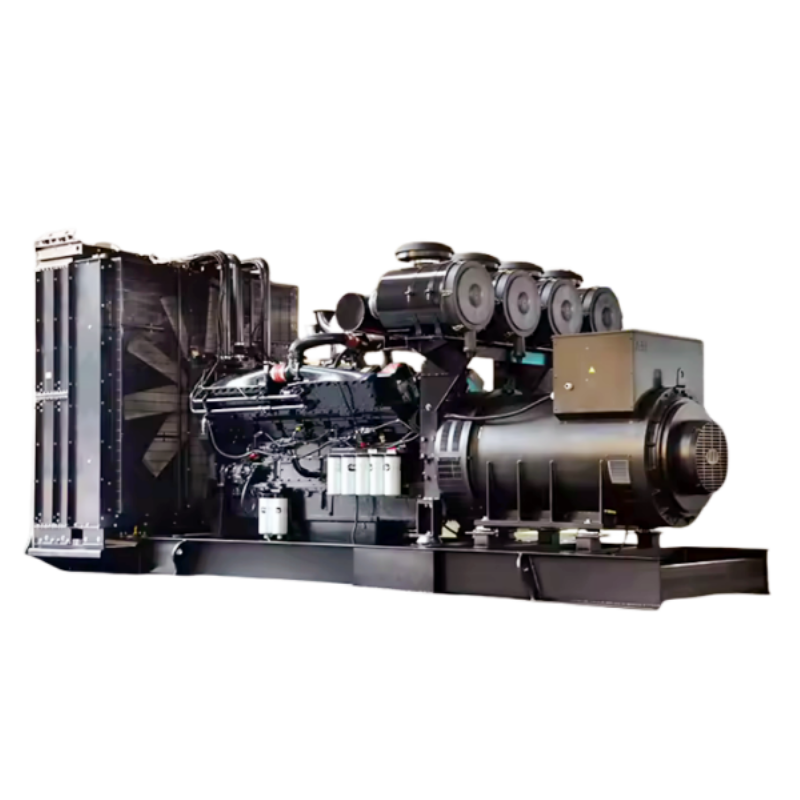
Keep the gauge reading, the hour meter figure and the element part number on one line of the service sheet. A 500kVA set at 0.8 pf burns near 105 L/h at full load, so a 400 h interval passes about 42000 L of fuel through the element: 400 h x 105 L/h = 42000 L. That volume decides when the element is due.
The record also settles a warranty question, because a blocked filter that was not changed is an owner issue rather than a build issue. Write the reading beside the part number so the next technician sees the trend rather than a single figure. A rising trend on a clean element points to fuel quality, which is worth knowing before the injection pump suffers.
How should a buyer compare two filter builds?
Compare the element rating, the switch setting and the test record, then compare the price. A build without a gauge port cannot be checked on site, and the buyer inherits a switch nobody can verify. Tesla Power keeps the port on every export build for that reason. Ask for the port, the setting and the test sheet as three separate items on the offer.
The wording on the offer matters too. Genset manufacturers in China often quote the element rating without the switch setting, and Chinese genset suppliers sometimes leave the test port off a standard build. Ask for genset filter for a day tank, genset filter for cold fuel and genset filter in a gravity feed as three separate cases, because each one moves the alarm point. Add the genset CE marking requirements and the genset documentation for export to the enquiry, and the 500kVA silent set with ATS changeover shows the standard port layout.
What does the commissioning sheet carry?
The sheet carries the switch setting, the gauge reading on a new element, the part number and the date. It also carries the fuel grade in the tank at commissioning, because a winter reading taken on summer fuel misleads the next technician. the commissioning notes shows where the port sits on the filter head, and one page is enough when those four items sit together under the serial number.
Hand the sheet to the operator with the log book rather than filing it in the crate with the packing list. Yangzhou Tesla Power puts the setting, the reading and the fuel grade on the same page as the load test result, and the Yangzhou factory describes the test bay where the switch is proved before packing. the ISO 8528-1 duty definitions sets the rating basis the fuel circuit was sized against, and the NFPA 110 maintenance routine covers the transient behaviour the set was accepted on.
Frequently asked questions about genset filter differential
No, because the switch compares the two sides of the element while a vacuum gauge reads only the inlet. The switch therefore ignores a falling tank level and reports the element condition alone. A gauge port is still worth having on the build, since it lets a technician confirm the switch setting against a real figure rather than against a lamp.
On most builds yes, and the adjustment screw sits under a tamper cap on the switch body. Set it with a gauge on the test port rather than by trial, then record the new figure on the service sheet beside the date. A field change made without a gauge reading cannot be defended later if a pump claim follows.
Yes, because the pleat count and the free area differ between makers, and a denser element drops more pressure when clean. Use the element the engine maker lists, or ask the filter maker for the drop curve at the flow the set runs. A cheaper element with a higher drop trips the switch early and looks like a fault in the build.
A sudden rise points to fuel quality rather than to the element, usually wax or water carried through from the tank. Draw a sample from the tank sump and check it before changing any part on the circuit. A blocked tank vent can also raise the figure by pulling a vacuum on the whole fuel line.
On a standby set it alarms, because a shutdown during an outage is worse than a loaded element. On a prime power site the controller can derate first and shut down only if the figure keeps climbing after the derate. Agree the action with the operator before commissioning so the first event is not a surprise.
Once a year at the annual load test, with a gauge on the test port and a deliberate rise to the trip point. A switch that has sat closed for two years may not open at all when the element blocks. The test takes a few minutes and it is the only way to know the warning will arrive. Tesla Power writes the trip test into the commissioning sheet for that reason.