
A genset for airport apron duty has to start a ground power load in seconds and survive salt air and jet wash. Compare the rating, the enclosure and the cable run against the stand plan before you accept an offer. Tesla Power builds the apron unit; send the stand plan to the technical desk and we confirm the rating.
- Ask for the load at the aircraft socket rather than the load at the terminal.
- Check the enclosure against the jet wash the apron actually uses.
- Look at the cable length and the socket type, since those are the parts that get changed.
- Ask how the set is moved between stands and who moves it.
What does a genset for airport apron duty have to do?
It has to deliver ground power to an aircraft at a frequency and a voltage the aircraft accepts, and it has to do it within a few minutes of the call. The load is not large and the start is what matters, because a set that is still warming up when the aircraft is ready is a set that delays a departure, and a departure delay is the cost the airport measures the unit by.
The set also has to run in a place where salt air, kerosene and a jet wash all arrive at once. That is an enclosure question rather than an engine question, and it is the part most offers answer with a standard canopy. Tesla Power builds the apron unit on a sealed canopy with the cable on a reel, because a loose cable on an apron is a foreign object.
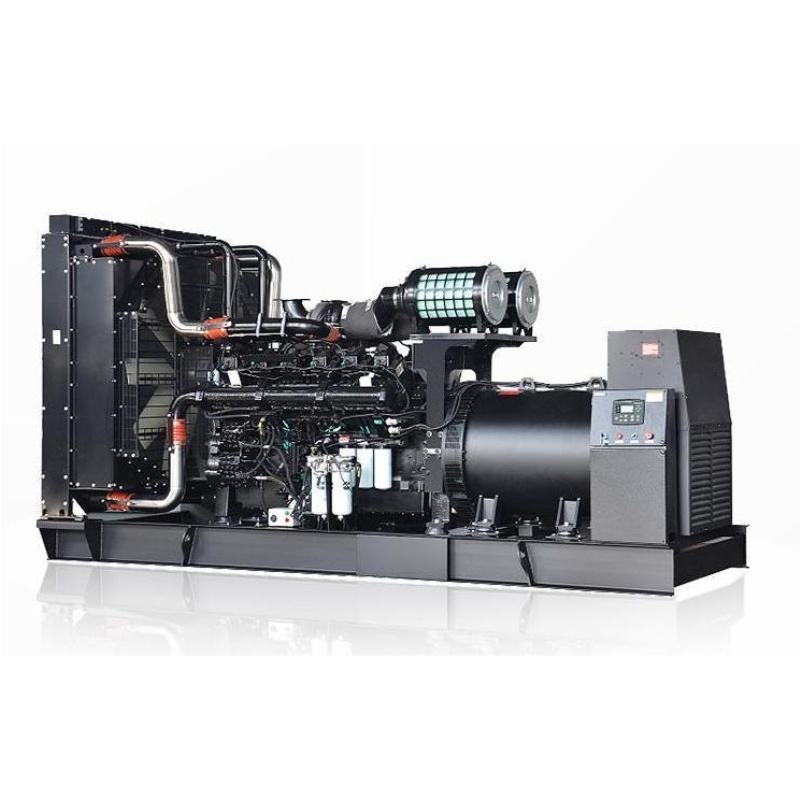
Which rating suits a stand?
The rating comes from the aircraft the stand serves, not from the airport, and a narrow body stand needs far less than a wide body stand, and the difference is often a factor of three. A 500kVA set at 0.8 pf gives 400kW: 500kVA x 0.8 = 400kW, and an apron load at a narrow body stand is often a third of that.
A set sized for the largest aircraft at the airport is a set that runs at a light load on most stands, which below 30% load is the condition that fouls an engine. Size for the stand and keep a larger unit for the wide body positions. Ask for the load list by stand rather than a single figure for the airport. Tesla Power Equipment keeps the stand list on the drawing so the two sizes are visible.
| Item | Typical figure | Note |
|---|---|---|
| Rating | 400kW at the stand | From the aircraft, not the airport |
| Output | 115 V, 400 Hz | Converter on most apron units |
| Enclosure | Sealed canopy | Mist eliminator on the louvre |
| Cable | 25 m on a reel | Reaches the aircraft socket |
How is the set moved between stands?
A towable unit moves with a tug and needs a drawbar, brakes and lights, and a skid unit moves on a flatbed with a forklift. The choice follows the stand plan rather than the preference of the buyer. A towable unit that has to cross a live apron needs a beacon and a registration with the airport, which is a paperwork item that delays the first shift if it is missed.
A fixed unit at one stand avoids all of that and it cannot serve a second stand when the first is closed. Most airports run a mix: fixed units on the wide body stands and towable units for the rest. Ask for the movement plan in the enquiry. Tesla Power supplies the drawbar and the beacon as a kit rather than as separate options.
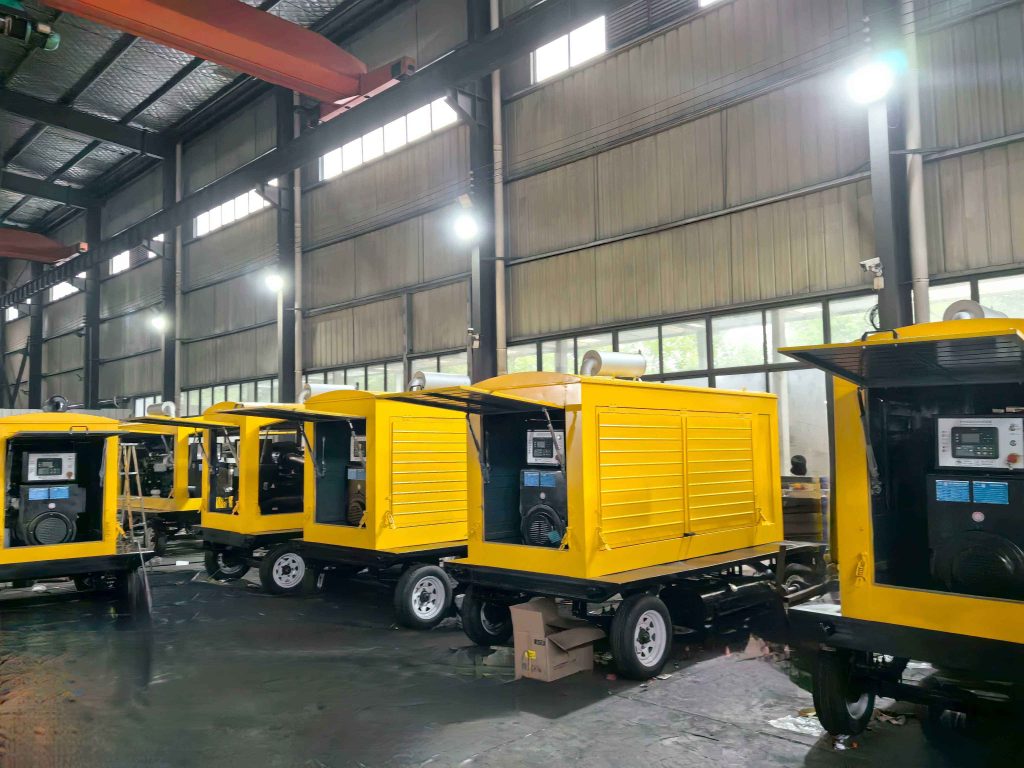
What does the apron do to the enclosure?
The apron brings salt air, kerosene spill and a jet wash that reaches every surface, so the enclosure is a sealed canopy with a coated frame rather than a standard one. A canopy that is not sealed takes water into the alternator through the louvre on a wet night. Ask for the enclosure class and the coating on the same line, because a sealed canopy on a bare frame is a canopy that rusts at the base.
The louvre is the weak point, because it has to pass air and it faces the weather. A louvre with a mist eliminator and a drain keeps the water out at the cost of some free area. A 25 m cable on a reel adds weight at the rear, so the axle position has to be set for it. Ask for the weight with the reel loaded.
What does the airport require in the file?
An airport usually asks for the noise figure at a stated distance, the emission evidence and a method statement for the fuel transfer. It also asks for the electrical protection settings, because a set on an apron is connected to an aircraft that has its own protection. Ask for the protection schedule with the offer rather than after it, since the settings are what the aircraft sees first.
The aircraft connection is the part that differs from a normal site, since ground power is delivered at 115 V and 400 Hz on most types and at a different figure on others. A set that delivers 50 Hz to a 400 Hz socket is a set that will not be accepted. Ask for the converter arrangement in writing. Yangzhou Tesla Power states the output on the rating plate rather than in a note.
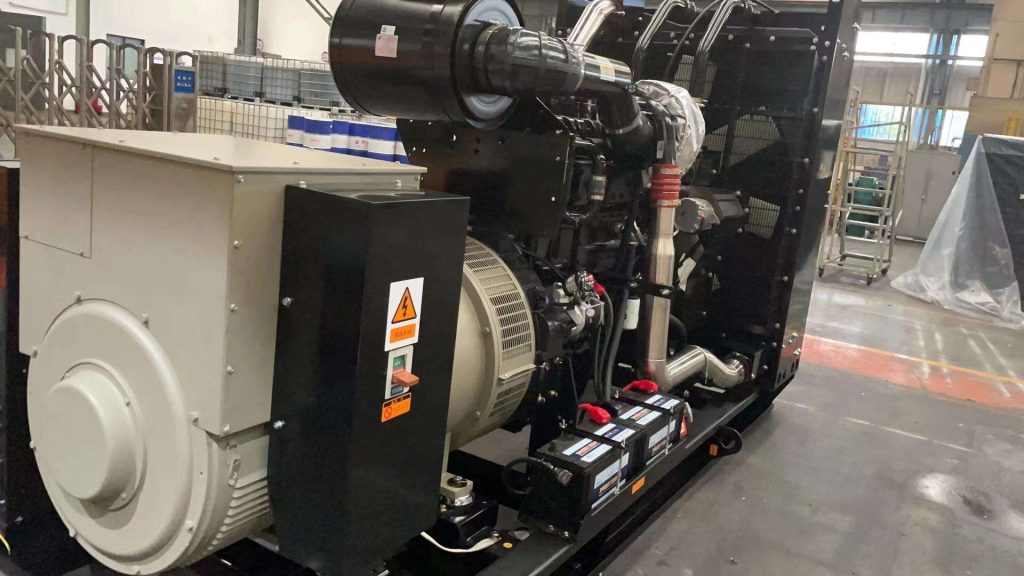
How is the set fuelled on a stand?
A stand unit usually carries enough fuel for a shift and is refuelled from a bowser, so the tank size follows the shift length rather than the day. A tank that needs a refuel in the middle of a turnaround is a tank that is too small. Ask for the fuel burn at the stand load and multiply it by the shift, and add the idle burn between calls.
A refuelling point on an apron also needs a spill kit and a bund, and the bund is the item the airport inspects. A unit with a base tank and a drip tray passes an inspection that a unit with a loose drum does not. Ask for the bund volume against the tank volume. A bund that is smaller than the tank holds nothing when it matters. Tesla Power Equipment fits the tray and the bund as one part so the inspection has one item to check.
What does the offer need to state?
The offer should give the rating at the stand load, the output frequency and voltage, the enclosure class, the cable length, the tank volume and the movement kit. Six items on one line let a buyer check the unit against the stand plan without reading a drawing. Ask for the weight with the cable reel and a full tank as well, since the tug and the axle are chosen from that figure.
The wording on the offer matters too. Chinese genset for airport suppliers often quote an apron unit as a standard canopy with a longer cable, and a genset for airport apron manufacturers page can show a sealed canopy the factory does not build. Chinese genset for airport factories often quote the enclosure class as IP54 and ship a canopy without a mist eliminator. Ask for genset for a stand, genset in a hangar and genset for the gate as three separate cases. Tesla Power prints the six items on the apron drawing.
What does the handover file record?
The file carries the rating at the stand load, the output figure, the enclosure class, the cable length and the tank volume. One page covers the unit when those five items sit under the set serial number. Add the conformity assessment for the apron unit when the airport is the authority and the unit is registered as apron equipment.
Hand the page to the dispatcher who will call for the unit rather than to the buyer who placed the order. the Yangzhou factory describes the bay where the canopy is sealed, the commissioning notes lists the units that ship with a cable reel, the build range explains how the stand load is measured, the 500kVA silent set with ATS changeover shows the export build for this rating, the ISO 8528-1 duty definitions sets the rating basis the stand load comes from, and the NFPA 110 maintenance routine covers the ground power standard behind the socket.
Frequently asked questions about apron generator sets
It can and it will fail at the louvre within a season, because the mist eliminator is the part that keeps water out of the alternator. A sealed canopy with a drain is the specification for the apron. Ask for the enclosure class before the price.
It does where the aircraft takes ground power at 400 Hz, which is most civil types, and the set then needs a converter. A 50 Hz set with a converter is the usual arrangement. Ask for the output figure in writing rather than as an assumption.
A set that is kept warm and on load within 90 s of the call is the target on a busy apron. A cold set on a standby panel takes longer and the difference shows in a turnaround. Ask for the start time from a cold condition.
The airport does, with its own tug, so the drawbar and the beacon have to match the tug fleet. A unit with a drawbar that does not fit the tug is a unit that stays where it is parked. Ask for the drawbar height and the coupling type.
Diesel of the grade the airport supplies, which is usually the same as the ground fleet. The burn at the stand load is small and the tank is sized for a shift. Ask for the burn in litres per hour at half load rather than at rating.
It is often tighter because the unit sits near the terminal and near the aircraft, and the limit is stated at a distance. A canopy with a lined panel and a louvre splitter is the usual answer. Tesla Power states the figure with the distance and the load on the apron sheet.