
Genset for island grid duty has to hold frequency without a utility behind it, and the spinning margin is what buys the time. Read how the reserve is set and how a step is held. Tesla Power states the margin on the rating sheet, so send the load profile to our sales desk for a quotation.
- Ask for the spinning reserve as a share of the rating, because a set sold on peak load has none.
- Check the largest step on the island, since that block decides the governor and the frame together.
- Look at the minimum load, because a set held below a quarter of its rating runs badly on an island.
- Ask what sheds the load, because a reserve that is not enforced is a number on a drawing.
What does a genset for island grid have to hold?
It has to hold frequency and voltage with no grid to lean on, which means the engine has to answer every load change on its own and the governor has to do it before the frequency leaves its band. On a utility the rotating mass of every generator on the network absorbs a step, and on an island only the sets on site do. The margin between the load and the rating is the only thing that stands in for that mass.
That is why an island frame is sized on the step rather than on the total, and why the same site needs a larger frame off grid than on it. Tesla Power Equipment asks for the largest single load and the daily profile before it quotes an island frame, because the peak figure alone describes a set that would stall on the first motor start.
Why does frequency drift on a small grid?
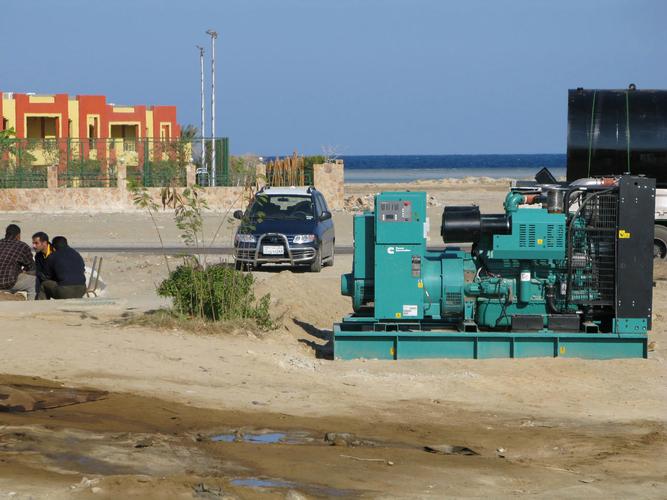
Frequency drifts because the load changes before the fuel rack does, and the gap between the two is filled by the energy stored in the rotating parts. A large grid has thousands of machines storing that energy and a small island has one, so the same step produces a much deeper dip. The governor then closes the gap, and the time it takes is the recovery the site feels.
A genset for a small island therefore lives on its governor response rather than on its rating, and Tesla Power records the response as a trace. The dip is deepest in the first second and the recovery follows, so a site that measures only the steady state has measured the part that was not in question. the site power notes treat the step as the design case and the peak as the check.
| Island size | What absorbs a step | What it means for the order |
|---|---|---|
| One set, one bus | The set alone | Size on the largest step |
| Two sets in parallel | Both rotors | Reserve shared, governor matched |
| Set plus a battery | The battery first | The set sees a ramp, not a step |
| Set plus solar | Nothing at dusk | The set carries the evening peak |
| Set with no reserve | Nothing | The step trips the set |
How is the spinning reserve set?
The spinning reserve is the gap between what the island draws and what the running set can deliver, and it is set by the largest credible loss rather than by a percentage chosen for comfort. If the largest motor is a quarter of the load, the reserve has to cover that motor plus the recovery, and the two together are usually more than the motor alone. A reserve set on the peak load figure leaves nothing for the step.
A 500kVA set at 0.8 pf carries 400kW, so 500kVA × 0.8 = 400kW; a reserve of 20% is 80kW, and an 80kW step is a fifth of the rating, which the governor has to hold inside a band of about 1 Hz around 50 Hz. Those four figures are the whole specification, and the 500kVA silent set and its ATS option is quoted with all four, on the rating basis in the ISO 8528-1 rating statement.
What does a load step do to an island?
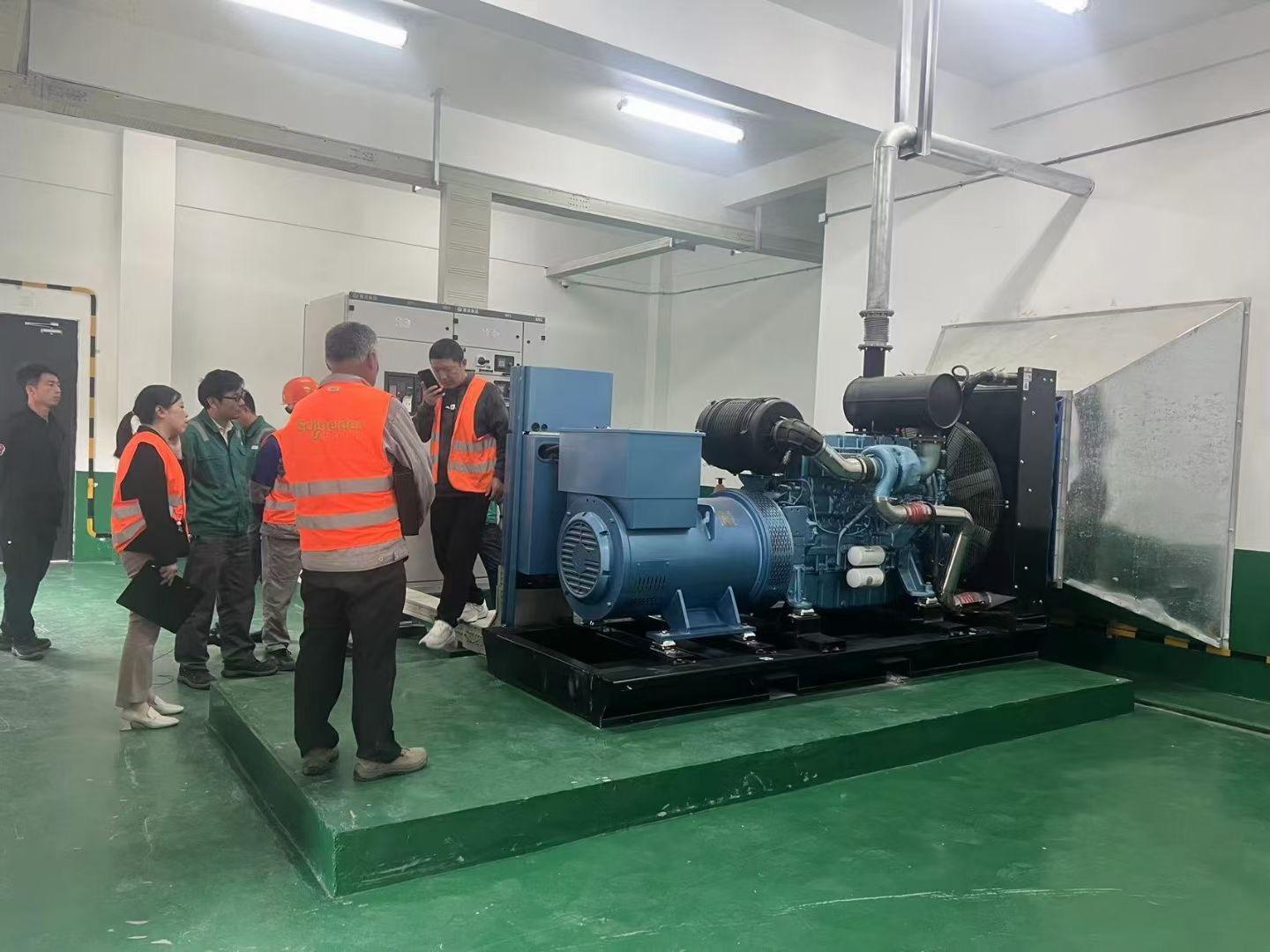
A load step takes the frequency down before the fuel arrives, and the depth depends on the size of the step against the stored energy in the set. A step of a quarter of the rating takes the frequency down further than a step of a tenth, and the recovery is slower because the governor has further to travel. The voltage follows the same shape with a different curve, because the alternator recovers faster than the engine.
The site feels the dip as a flicker and the equipment feels it as a tolerance test. A drive that trips at a given frequency dip turns a generator problem into a production problem, and the two are usually blamed on each other. Tesla Power asks what the site equipment tolerates before it sets the reserve, because a reserve sized on the set alone can still be too small for the load.
How is the governor set for an island?
An island set runs in isochronous mode, which means it holds a fixed frequency rather than a droop curve, and the governor gain is set as fast as the engine tolerates without hunting. A gain that is too high produces a frequency that oscillates around the set point and a gain that is too low produces a slow recovery. The right setting is found on a load step and recorded as a trace.
The mode matters when a second set joins the island, because two isochronous sets fight each other and the usual answer is one isochronous and one drooping. A genset for an island that may grow needs the governor able to run in both modes, and the full frame range states which controllers offer the pair.
Which records prove the island is stable?
Three records prove it: the load step trace with the frequency and the recovery time, the reserve calculation against the largest motor, and the shedding scheme with its thresholds. The trace shows the set answered a step, the calculation shows the step was the right one and the scheme shows what happens when the answer is not enough. A file with only the trace describes a set that was tested on a good day.
The shedding thresholds belong on the same page as the reserve, because a scheme that sheds at a frequency the set does not reach protects nothing. Yangzhou Tesla Power writes the reserve, the step and the thresholds on one sheet, so a site that adds a load can see whether the scheme still covers it.
What should the offer state about the controls?
The offer should state the governor mode, the reserve as a share of the rating, the largest step it accepts and the shedding thresholds. Those four lines let a buyer check the set against the island rather than against the peak. Most genset manufacturers quote an island frame on the peak load and leave the step to the commissioning visit, which is where an island that looked fine on paper stalls, and the test sequence for a standby island follows the NFPA 110 fuel chapter.
Chinese genset suppliers who print the step make the comparison possible, and a genset for the first year of service shows the difference the first time a large motor starts with the rest of the island already loaded. A genset for the second year shows it again when the site has grown and the reserve has quietly gone.
What does the handover file carry for the island?
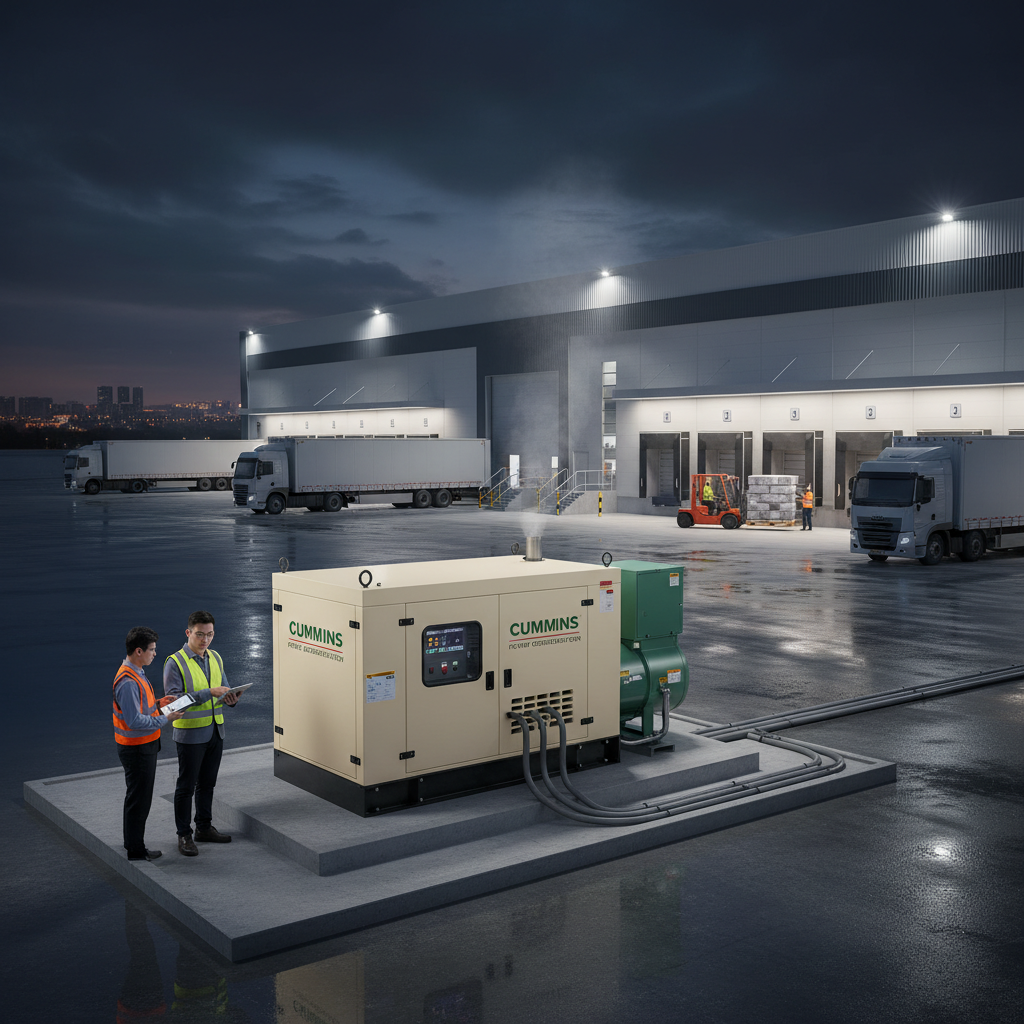
The handover file carries the governor mode and gain, the reserve calculation, the step trace and the shedding thresholds, all on one sheet with the serial number of the set. A buyer who reads it can tell whether the reserve was calculated against the largest motor and whether the scheme still matches the load. Tesla Power issues that sheet with the set, so a later addition starts from a recorded margin.
The file also carries the minimum load the set tolerates, because an island that grows slowly can end up with a set running below the load where it burns cleanly. Genset documentation for an island installation is only complete when the minimum and the maximum appear together, and the load bank that proves both follows the Yangzhou test facility routine.
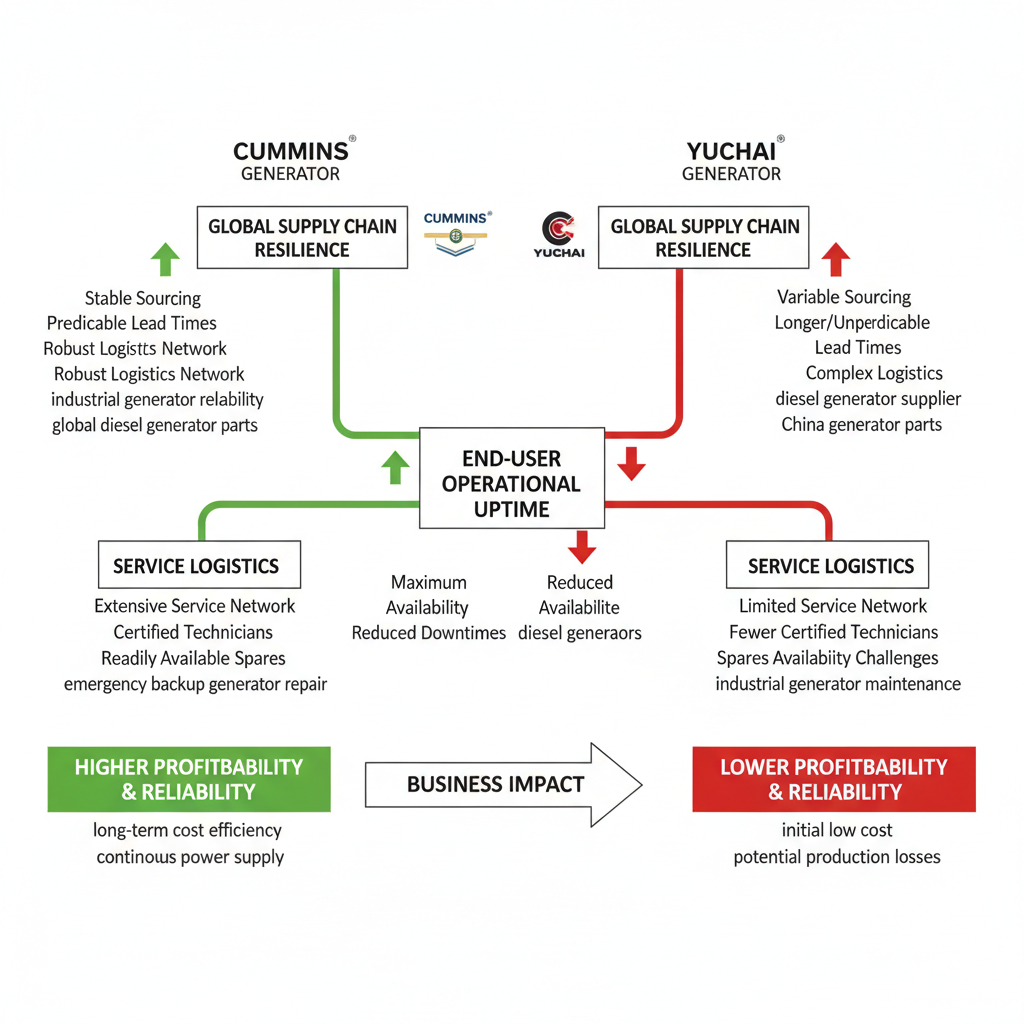
Send the daily load profile and the largest motor with the enquiry, and the frame, the reserve and the shedding scheme come back as one answer instead of three items a site has to reconcile. Tesla Power writes that answer into the offer, so the margin is visible before the order rather than at the first stall.
Frequently asked questions about genset for island grid
Enough to cover the largest credible loss plus the recovery, which is usually more than the motor alone. A quarter of the rating is a common starting point and the calculation decides. A site with one large motor needs more than a site with many small ones.
They can when one runs isochronous and the other droops, so the pair share load without fighting. Two isochronous sets hunt against each other. The controller has to offer both modes before the second set is ordered.
Because a diesel engine at very light load burns poorly, wets its exhaust and loads its filter. On an island that condition can last all night. Ask what the minimum load is and whether the site can hold above it.
It does, because the battery answers the step and the set sees a ramp instead. That lets a smaller frame hold the same island. The battery has to be sized on the step and not on the daily energy, and the two figures differ.
The band follows the equipment rather than the set, and a drive is usually the strictest item on the island. Set the band from the strictest load and then check the governor can hold it. A band chosen from the set alone is a guess.
It does at dusk, when the array stops and the set has to take the whole load in one movement. The reserve has to cover that movement rather than the midday figure. Ask what the evening step is, and Tesla Power sizes the island on that figure rather than on the daily average.