
Genset IP rating states what a canopy keeps out and what it does not, and the second digit is the one that matters. Check the specification against the site weather, then compare supplier offers before the enclosure is ordered. Tesla Power prints the code on the plate; send the site photo to the technical desk and we confirm it.
- Read both digits, because a high first digit with a low second digit is a common claim.
- Check the cable entry, since a sealed canopy with an open gland is not sealed.
- Ask for the test method behind the code, because a self declared rating proves very little.
- Keep the door gasket on the service card, because a perished gasket changes the rating.
What does a genset IP rating cover?
It covers the protection of the equipment inside the enclosure against solids and against water, and the two are written as two digits. The first digit runs from no protection to dust tight and the second from no protection to immersion. A canopy is normally rated for dust and for water jets rather than for immersion. A code quoted without a test method is a claim rather than a specification, and it is worth asking which one the offer carries.
The code says nothing about corrosion, impact, noise or cooling, which are separate specifications. A canopy can be rated at IP55 for water jets and still rust through in a coastal yard within two years. Tesla Power lists the code beside the paint system and the lining, because a buyer who reads only the code is reading one line of a longer document.

Which two digits matter for a canopy?
The first digit matters because dust blocks a radiator and settles on windings, and a canopy that passes dust is a canopy that loses cooling capacity over a season. The second digit matters because rain driven at an angle reaches places that a vertical shower does not. Both digits have to be read together rather than as one score. A canopy that passes dust but not water is a common build, and it fails in a driving rain rather than in a shower.
A rating of IP54 means dust protected and protected against splashing, and it covers most plant room installations. IP55 adds protection against water jets at 12.5 mm and suits an outdoor build. A rating above that is usually about washdown practice rather than about weather, and it costs access and cooling. Tesla Power reports the two digits separately for that reason.
| Code | Solids | Water | Typical use |
|---|---|---|---|
| IP44 | Objects above 1 mm | Splashing | Indoor plant room |
| IP54 | Dust protected | Splashing | Standard canopy |
| IP55 | Dust protected | Water jets | Outdoor build |
| IP65 | Dust tight | Water jets | Washdown yard |
Why is IP54 enough for most plant rooms?
A plant room keeps the rain off and the dust down, so the canopy only has to handle splash and airborne dust. An IP54 canopy with a louvre and a filter does that at a cost that leaves budget for the lining and the silencer. Spending the difference on a higher code instead usually buys nothing on that site. A plant room with a floor drain and a sealed door rarely needs more than the standard canopy.
The exception is a room with a washdown hose or a room beside a loading bay where water is sprayed. Read the site practice rather than the site type. Tesla Power Equipment asks what happens in the room on a Friday afternoon, because that answer decides the code more often than the climate does.
What does a coastal site need?
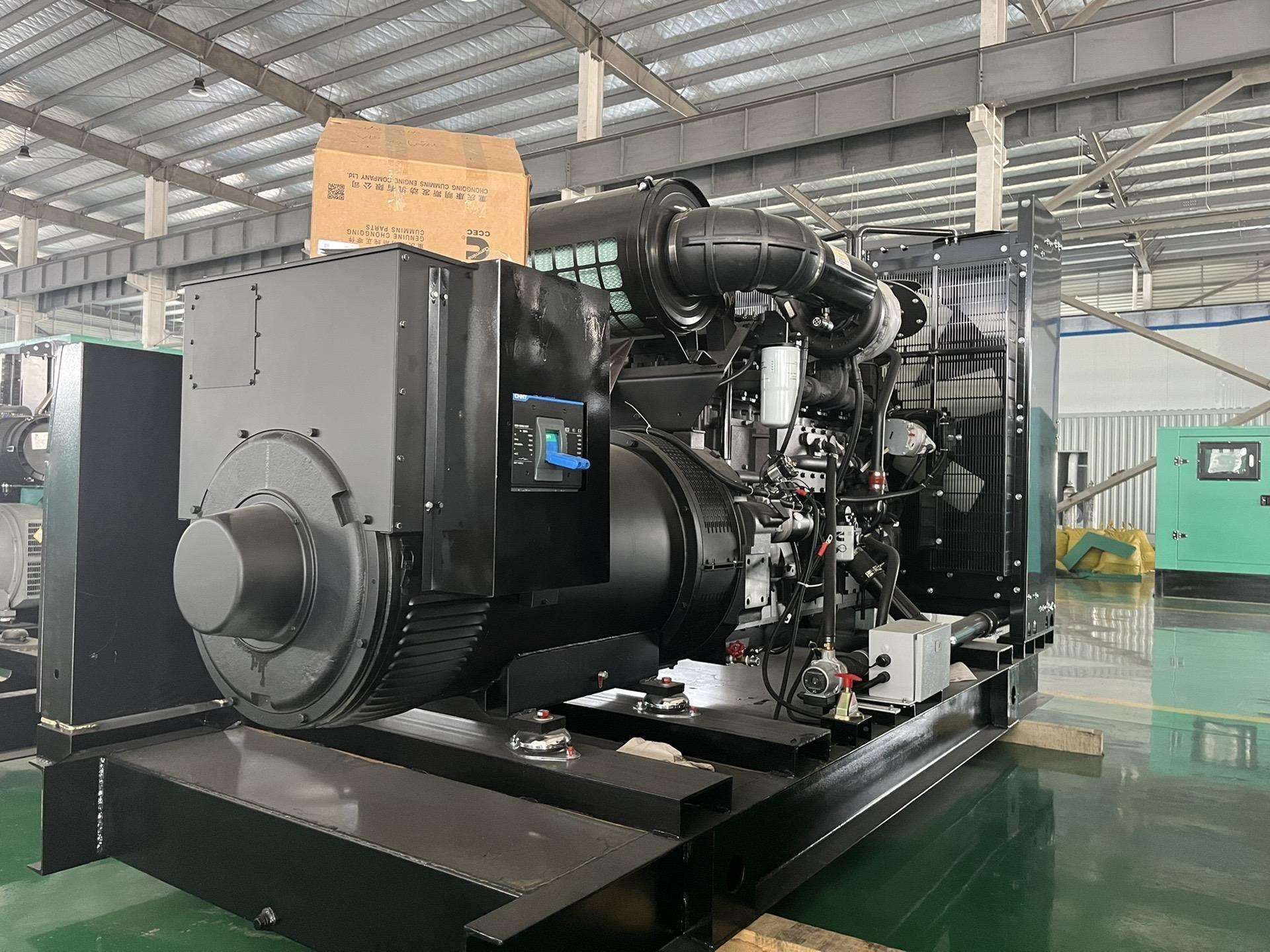
Salt air attacks the canopy from outside and the terminals from inside, and the IP code does not measure either. A coastal build needs a paint system with a salt spray rating and terminal enclosures that are sealed against vapour rather than only against water. Corrosion is the failure mode on that site, not ingress. A site within a kilometre of the sea needs the paint system checked before the code is discussed at all. A paint system rated for salt spray is a separate document, and it is the one a coastal buyer should read first.
Condensation is the second problem, because a sealed canopy traps moist air that condenses on a cold night. A breather or a small heater deals with it, and a fully sealed canopy without one corrodes from the inside. Tesla Power fits a filtered breather on coastal builds so the canopy can dry rather than trap the moisture. A breather sized for the canopy volume keeps the internal air moving slowly enough to dry the surfaces.
How is the canopy sealed?
The door gasket, the louvre frame, the cable entry and the exhaust penetration are the four places a canopy leaks. The gasket is the easiest and the cable entry is the most often missed, because a gland plate with spare holes is a hole. Blank every unused gland and fit a sealing washer under each gland body. The glands are sized from the current, and a 500kVA set at 0.8 pf and 400 V carries about 722 A: 500kVA / (1.732 x 400 V) = 722 A. A spare gland plate with an unused hole is the most common leak on a new build, and it takes a blanking plug to fix.
The exhaust penetration also needs a bellows rather than a fixed plate, because the exhaust moves with heat and a rigid seal cracks. Yangzhou Tesla Power fits a stainless bellows at the penetration and lists it as a service item. A canopy that passes a water test on delivery and leaks after a year has usually failed at the bellows rather than at the gasket. The bellows also absorbs the movement of a set on rubber mounts, which a fixed plate cannot.
How is the rating proved at handover?
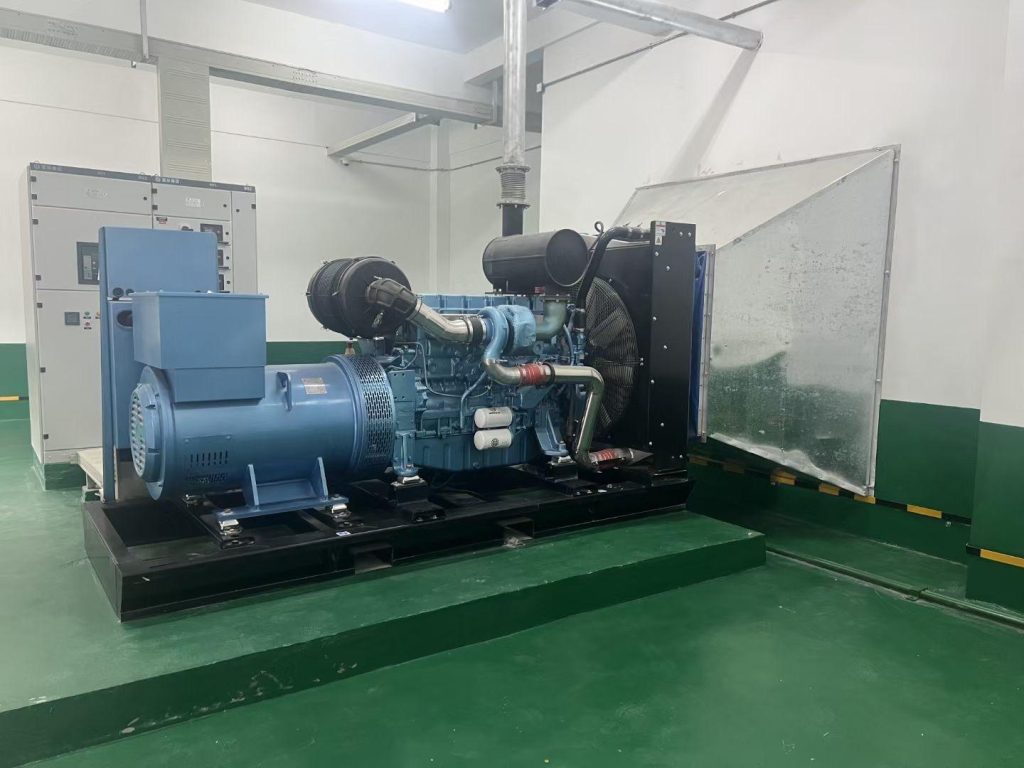
A water test with a hose at the joints, run for 10 minutes with the set off, shows up a leak at the door and the louvre. Then open the canopy and look for water on the baseframe rather than on the equipment, because water that reaches the frame has already passed the first line. Photograph what you find and keep the photo with the file. Take the photo from inside the canopy rather than outside, because the outside tells you nothing about where the water went.
The electrical side is proved differently, by reading insulation resistance after the water test. A reading that has fallen against the works figure means moisture has entered a terminal box. Log both the visual result and the insulation reading, and repeat the insulation test at the first annual service. Tesla Power keeps the two readings on one sheet.
What should a buyer put on the enquiry?
Send the site photos, the prevailing weather, the washdown practice, the coastal distance and the ambient. Add the paint system the site expects, because a code without a paint specification is half a canopy. Those six items decide the enclosure, and they also show whether the offer has quoted a code with no test method behind it.
The wording on the offer matters too. Genset IP rating manufacturers often quote a code that was declared rather than tested, and Chinese genset suppliers sometimes ship a canopy with open gland plates. Ask for genset IP rating for an outdoor build, genset IP for a coastal yard and genset for a washdown bay as three separate cases. Tesla Power prints the code and the test method, and the 1000kW container build shows the gland plate.
What does the handover file record?
The file carries the two digits, the test method, the paint system, the insulation resistance after the water test and the gasket part number. One page covers the enclosure when those five items sit under the set serial number. Add the conformity assessment for the canopy seal when the installation is part of a permit package.
Hand the page to the technician who changes the door gasket rather than to the buyer who placed the order. the Yangzhou factory describes the bay where the water test is run. the commissioning notes lists the frames that ship with an IP55 canopy, the build range explains how a gland plate is blanked on site, the ISO 8528-1 duty definitions sets the rating basis the enclosure was sized on, and the NFPA 110 maintenance routine covers the load steps the set was accepted on.
Frequently asked questions about genset IP rating
A higher code usually costs cooling, because a tighter canopy passes less air and needs a larger louvre or a fan. On a hot site that trade can cost more than the ingress protection gains. Choose the code from the site weather and the washdown practice rather than from a preference.
It does not, because the exhaust is a deliberate opening and the code applies to the enclosure rather than to its penetrations. The exhaust needs its own rain cap and its own bellows. A canopy rated for jets with an open exhaust penetration is not protected at that point.
Wipe it clean at every service and replace it when it hardens or takes a set. A gasket that has been painted over is a gasket that will tear on the next opening. Keep the part number on the canopy plate so a replacement matches the build rather than the nearest size.
It can be improved by blanking glands, replacing gaskets and fitting a bellows, and it cannot be raised to a higher code without a different canopy. A site that needs a higher code after delivery usually needs a different enclosure. Price that against the cost of the upgrade before deciding.
It blocks the radiator, coats the windings and loads the air filter, and all three reduce the rating rather than causing a fault. A dusty site needs a filter and a service interval rather than a higher code alone. Check the filter at every service and record the restriction reading.
It matters more than rain on a coastal site, because a sealed canopy traps moist air and the moisture condenses on the coldest surface, which is often a terminal. Fit a filtered breather or a small anti condensation heater. Tesla Power fits the breather as standard on a coastal build.