
A genset lifting frame takes the load from four points to one hook, so the shell is not bent by the crane. Compare the rating, the sling angle and the test certificate against the shell weight before you accept an offer. Tesla Power rates the frame for the shell; send the weight to the technical desk and we confirm it.
- Ask for the frame rating against the shell weight, not against the set rating.
- Check the sling angle, because a steep sling multiplies the load on each leg.
- Look at the certificate date, since an expired test is no test at all.
- Ask where the frame is stored on site between lifts.
What does a genset lifting frame do?
It spreads the hook load out to four points on the shell so each point takes a share instead of the whole. A shell lifted from two points on one side racks, and a racked shell closes the doors badly for the rest of its life. The frame keeps the four slings vertical and the shell square during the lift. A shell that is landed twisted keeps the twist, because the frame has already trained the posts.
The frame also keeps the slings away from the shell surface, which matters on a painted or a lined canopy. A sling that touches the paint takes it off at the edge and leaves a rust line within a season. Tesla Power adds a stand-off on the frame so the sling hangs clear of the louvre. The frame is a tool that travels with the set, not a one-off.
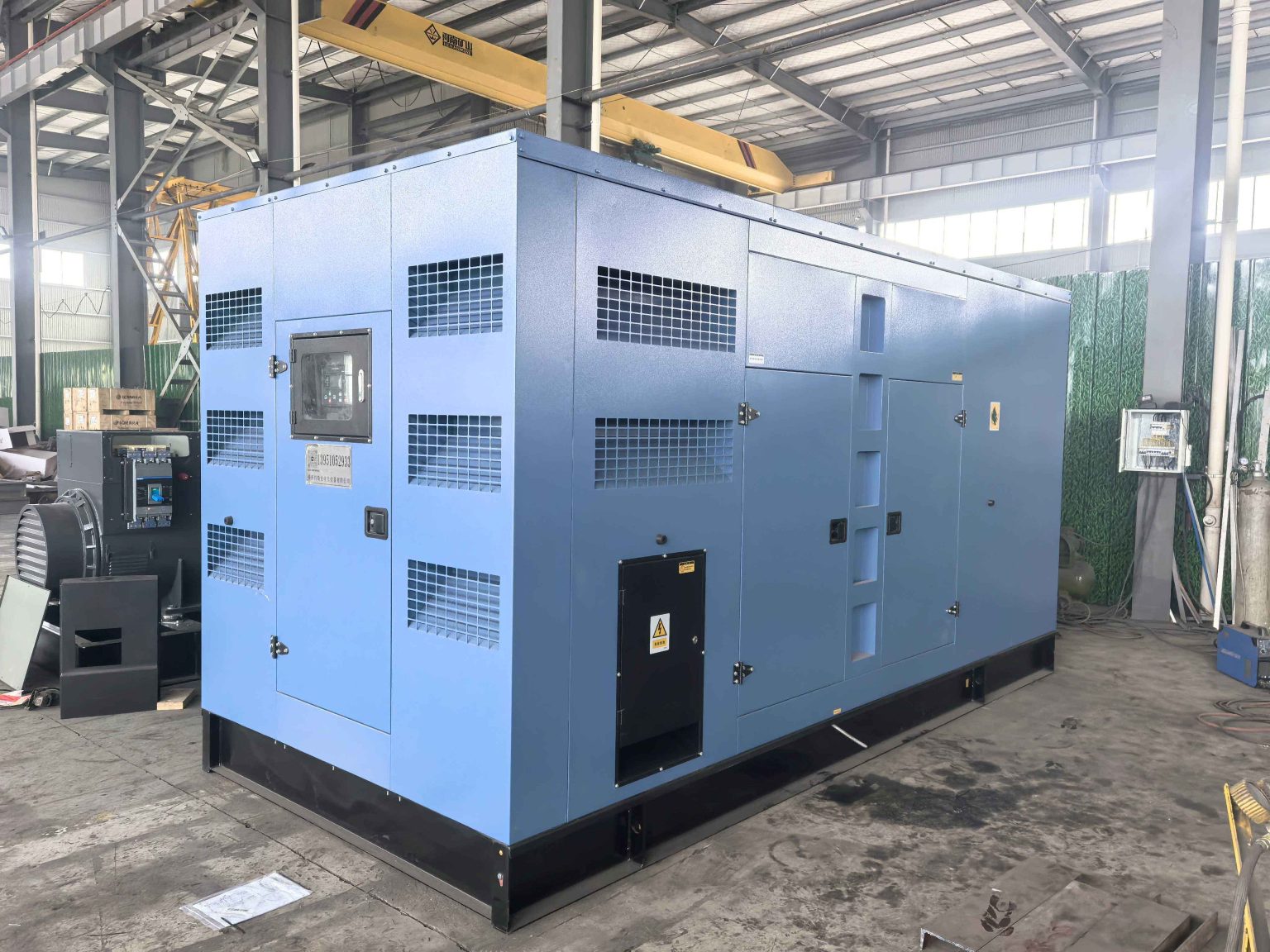
When is a spreader beam needed?
A spreader beam is needed when the sling angle would fall below about 60 degrees from the horizontal, because a flatter sling multiplies the load in each leg. A two leg sling at 30 degrees carries twice the load of the same sling at 60 degrees. A beam keeps the angle steep and keeps the load in the legs predictable.
A frame with a fixed width is a beam with a fixed angle, so the width has to match the lifting points on the shell. A frame built for a 20 ft shell does not fit a 40 ft shell without a change of beam. Ask for the beam width and the point spacing on one drawing, because a frame that does not fit is a frame that gets lifted from one corner.
| Item | Typical figure | Note |
|---|---|---|
| Assembly rating | 1.5 x the shell weight | Marked on the beam |
| Sling angle | 60 degrees minimum | A flatter sling multiplies the load |
| Proof test | 110% of the working load | With a load cell in the line |
| Certificate | Renewed every 12 months | With the annual gear check |
How is the frame rated?
The rating is a working load limit for the whole assembly, and it is set from the shell weight with a margin rather than from the set rating. A frame rated at 1.5 times the shell weight covers the sling angle and the dynamic factor of a lift. The figure has to be marked on the beam, not only on the certificate.
Each component in the assembly carries its own rating, and the weakest one sets the limit for the frame. A shackle rated below the beam is the real limit of the lift. Ask for the rating of the beam, the slings and the shackles as three figures. Yangzhou Tesla Power marks the assembly rating on the beam and stamps each shackle with its own figure. A missing stamp on one shackle stops the whole lift on the quay.
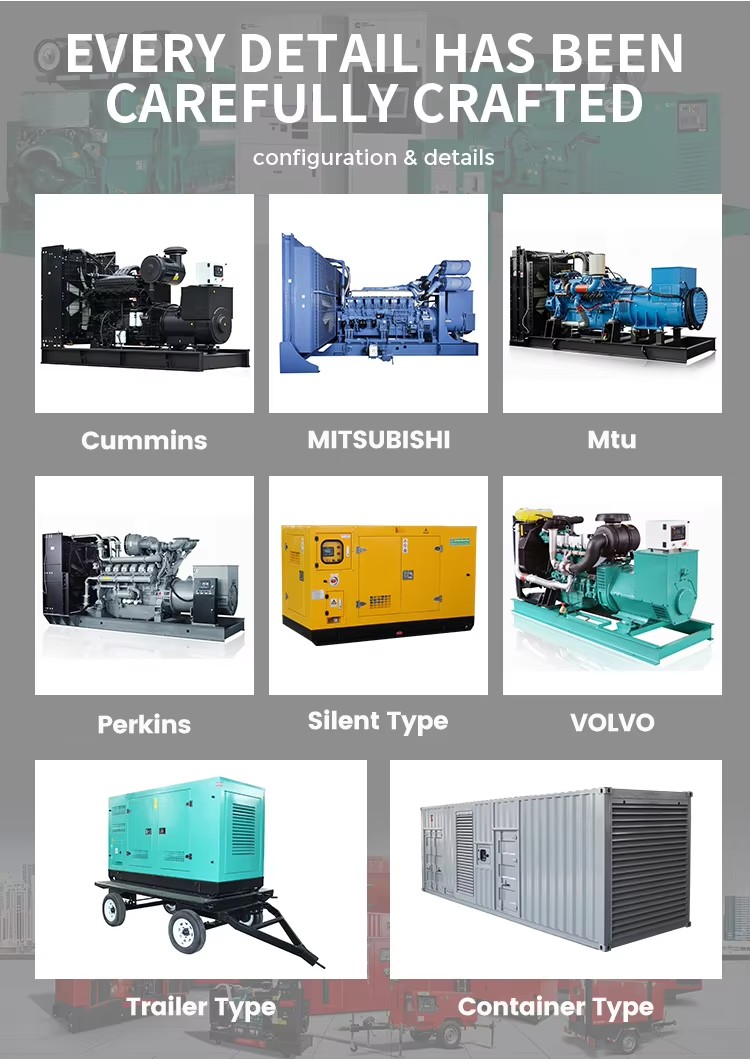
What does the frame do to the shell?
The frame takes the bending out of the shell roof, and that is the part a container is least able to carry. A shell lifted from its corner castings is designed for that load, and a shell lifted from four eye bolts on the roof is not. Read the lifting points on the shell drawing before choosing the frame.
A shell that is lifted from the castings also keeps its doors aligned, because the load path runs through the corner posts. A shell lifted from the roof pulls the posts inward and the doors bind. Ask for the frame to reach the castings rather than the roof panel. Tesla Power supplies a frame with legs that land on the castings on a containerised build.
How is the lift tested?
The assembly is proved at 110% of the working load before it is used, and the proof load is applied with a load cell in the line. A frame that is painted and stamped without a test is a frame that carries a rating nobody has checked. Ask for the test certificate with the date and the load.
A load cell under the hook reads the test load, and the acceptance band is 2%: a 3 t shell proved at 110% must read 3.3 t, so 3 t x 1.1 = 3.3 t, and a 5% error on that figure is 0.17 t of unknown load. The certificate is valid for twelve months and it is renewed with the gear inspection. Tesla Power Equipment renews the certificate with the annual gear check.
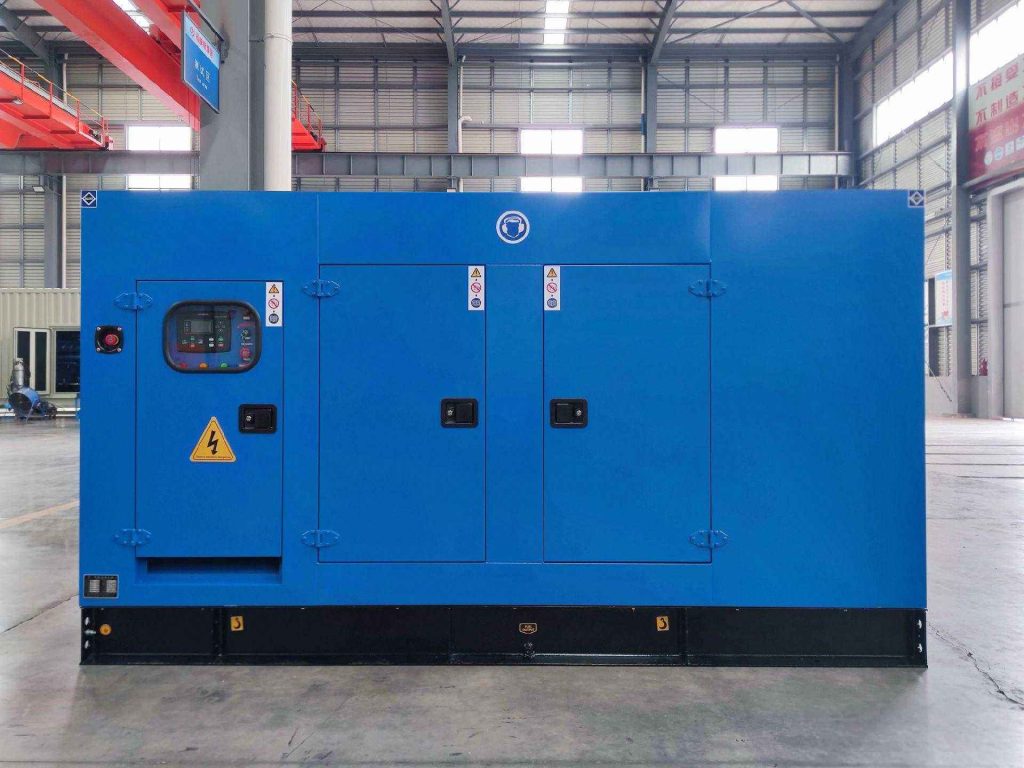
What does the frame need on site?
The frame needs a place to sit when it is not in use, and a frame left on the ground fills with water and rusts at the joints. A pair of trestles or a wall bracket keeps it off the ground and keeps the slings with it. A frame that has to be found before a lift is a frame that delays the lift, and a delayed lift on a quay costs more than the bracket.
The site also needs the slings, the shackles and the certificate in one place, because a frame without its gear is a frame that cannot be used. A box on the frame for the shackles is cheap and it stops the parts going missing. Ask for the storage arrangement on the offer rather than discovering it on the day. Tesla Power lists the gear with the frame so the box and the slings travel together.
What does the offer need to state?
The offer should give the assembly rating, the beam width, the point spacing, the sling length, the shackle rating and the test date. Six items on one line let a buyer check the frame against the shell and against the crane on site. Ask for the frame weight as well, because it comes off the crane capacity.
The wording on the offer matters too. Chinese genset lifting suppliers often quote a frame as a beam with no point spacing, and a genset lifting frame manufacturers page can show an assembly that the factory welds to order. Ask for genset lifting frame for the shell, genset lifting for a container and genset in a tight yard as three separate cases. Tesla Power prints the six items on the beam drawing.
What does the handover file record?
The file carries the assembly rating, the component ratings, the test certificate, the beam width and the point spacing. One page covers the frame when those five items sit under the shell serial number. Add the conformity assessment for the lifting frame when the shell is part of a permit package and the lift plan is submitted to a port authority.
Hand the page to the rigger who will make the lift rather than to the buyer who placed the order. the Yangzhou factory describes the bay where the frame is welded and proved, the commissioning notes lists the shells that ship with a frame, the build range explains how the sling angle is calculated, the 1000kW container build shows the frame that matches the duty, the ISO 8528-1 duty definitions sets the rating basis the test uses, and the NFPA 110 maintenance routine covers the lifting standard behind the certificate.
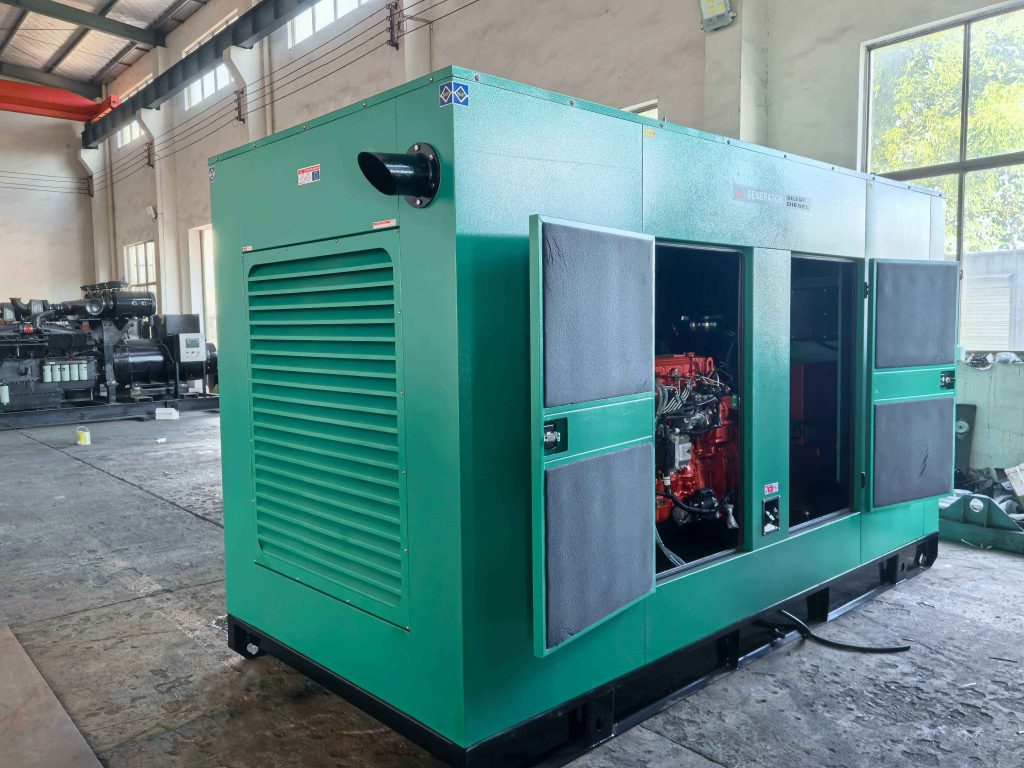
Frequently asked questions about genset lifting frames
It can when the shell has certified corner castings and the slings reach them at a steep angle, which is common on a containerised build. A canopy without castings needs a frame or a set of spreader bars. Ask which arrangement the shell drawing shows before ordering either.
The load in each leg rises as the angle flattens, and at 30 degrees each leg carries the whole shell weight. A frame keeps the angle steep and keeps the load predictable. A rigger who shortens the sling to save height raises the load in every component.
A frame for a 20 ft shell weighs a few hundred kilograms and a frame for a 40 ft shell weighs more than twice that. The frame weight comes off the crane capacity, so ask for it with the shell weight. A lift planned on the shell weight alone is a lift planned short.
It does, and the certificate covers the assembly rather than the beam alone. Lifting gear is inspected on a cycle and the frame belongs in that cycle. Ask for the certificate date and the next inspection date on the same page.
It does not level the shell, so a lift on a slope leaves the load on the low legs. Level the ground or use a crane that can hold the shell level. A frame that is asked to correct a slope is a frame that is loaded unevenly on every leg.
It can only be used within its rating and its point spacing, which makes it a poor general purpose tool. A frame used for a load it was not designed for loses its certificate. Keep the frame with the shell and record every lift in the log.
The slings are usually the wrong length and the shell arrives out of level, which puts the load on two legs instead of four. A dry run with the frame on the ground finds that before the crane is booked. Tesla Power marks the sling length on the beam so the first lift is not a guess.