
Genset load diversity is the share of a connected load list that runs at the same moment, and this calculation applies a demand factor to each group rather than to the site as a whole. Tesla Power rebuilds that list for each enquiry, so the frame quoted rests on the load that coincides.
- Split the list into groups that behave alike, because a lighting circuit and a welding bay do not peak together.
- Apply the factor group by group, since one site wide figure hides both an over-run and a shortfall.
- Read the diversified total against the 400kW frame on the Weichai WP13 platform, where the plate states the basis the total has to fit.
- State the coincidence assumption on the enquiry, because two buyers with the same list and different factors get two different sets.
What does genset load diversity decide for a plant?
It decides the frame, and it usually decides it downward. A factory with 440kW of connected load rarely draws more than 320kW, because the welders are idle while the compressors run and the office sockets carry almost nothing beside the machines. A list built without factors doubles the frame and the price of the switchgear that feeds it.
The direction reverses on a site with a single process. Tesla Power sees the same reversal on cold stores, where the compressor group runs flat out for a whole shift. A data hall, a cold store or a bottling line runs nearly everything at once, and a factor near 0.9 rather than 0.7 is honest. That is why the factor belongs to the group rather than to the total, and why a supplier who asks for the breakdown is asking a real question.
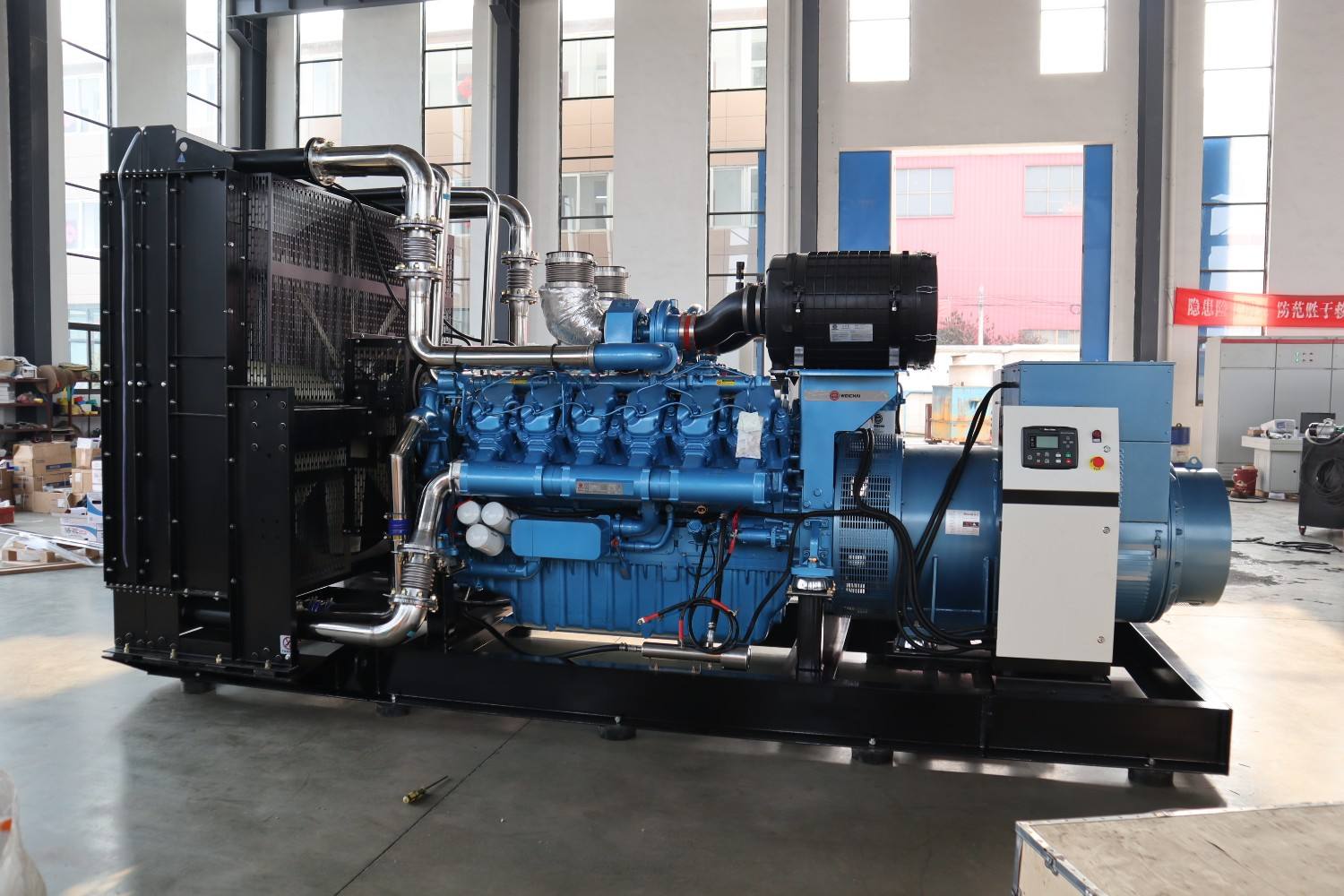
Which demand factor belongs to each load group?
The factors below are the ones we use on export enquiries, and they are starting points rather than rules. A group factor is read from the duty cycle of that equipment, which is why the value for welders moves between 0.2 and 0.5 across two sites with the same plant count. A factor carried across from another industry is the commonest error on a load sheet. Tesla Power Equipment reads it from the equipment schedule rather than from a template.
Read the table down the third column and then ask what changes it. Lighting at 0.9 sits close to unity because the fittings are either on or off and most are on during a shift. Sockets at 0.4 assume an office rather than a workshop, where every outlet may carry a tool. Motors at 0.8 assume the motors run when the plant runs, which is true of a process line and false of a maintenance bay.
| Group | Connected load | Demand factor | Share of the diversified total |
|---|---|---|---|
| Lighting | 60kW | 0.9 | About 17% |
| Socket outlets | 40kW | 0.4 | About 5% |
| Motors and pumps | 280kW | 0.8 | About 70% |
| Welding sets | 60kW | 0.3 | About 6% |
| Site total | 440kW | 0.73 | 100% |
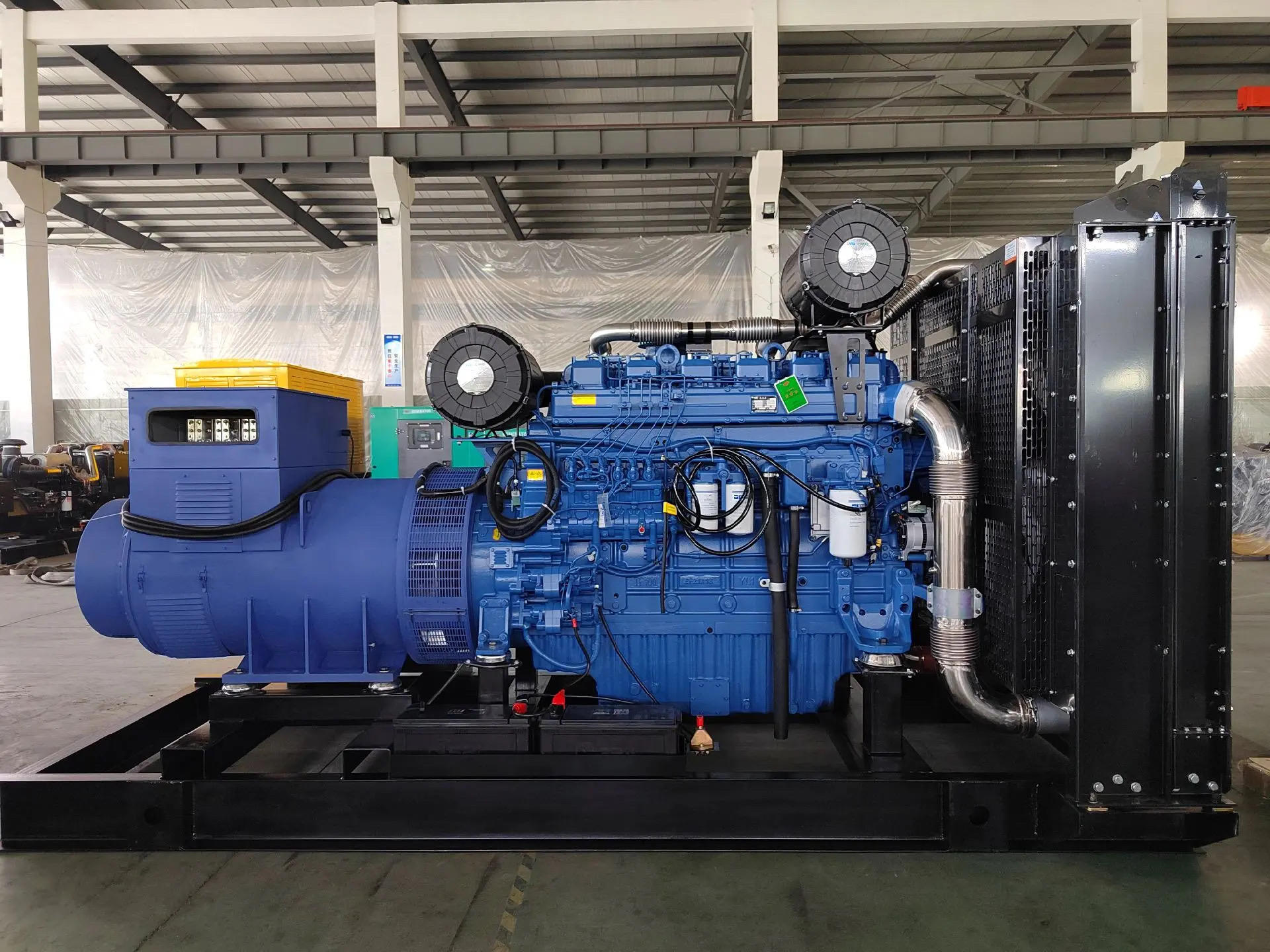
How is a diversified total worked out for a 400kVA frame?
Start with the connected figure and apply the weighted factors. On the sheet above, 440kW × 0.73 = 320kW, and 320kW at 0.8 power factor asks for 400kVA. That is one frame, and it sits inside the alternator's rating with the margin applied once at the end.
The same list read without factors gives 440kW, which needs a 550kVA frame. The two offers differ by one frame size and by the switchgear behind it, and both would be quoted against the same building. The diversified figure is the one the site will actually draw, and the connected figure is the one the cable schedule has to survive.
- The diversified total sets the running load, and the frame is chosen above it.
- The largest motor start is added separately, because a step is not diversified.
- The power factor is measured per group, since motors and welders pull it down.
Why must the factor be applied group by group?
Because the errors run in opposite directions and cancel in a single figure. A site with heavy welding and light office load diversified at 0.5 looks correct on the total, and it hides a welding group that reaches 0.6 in a busy hour while the sockets sit at 0.2. The frame chosen on the total passes the average day and trips on the busy one.
The group method also shows which group to challenge. Tesla Power Equipment reads the two largest groups before it reads the total, because those two decide the frame. Genset load diversity for the plant room with a welding bay is read from that group first, because the factor there moves the frame most. If the motors carry 70% of the total, a question about their duty saves more frame than a question about the lighting. On a site where the welding group dominates, the answer is a larger alternator rather than a larger engine, because a welding set draws a low power factor and a pulsing current.
How does coincidence differ from demand factor?
Demand factor describes one group against its own connected load. Coincidence describes whether two groups peak at the same time. A site can have a demand factor of 0.8 on the motors and 0.9 on the lighting and still avoid both peaks at once, because the lights come on an hour before the line starts.
We treat coincidence as a separate step on any site with a shift pattern. The log shows the peak of each group and the time it occurred, and where the peaks sit two hours apart the total is the larger group plus the base of the other. Where they sit together, the total is the sum, and the factor applies only within each group. Genset load diversity for a hospital list is read with the theatre group at 1.0, which is the one assumption that cannot be traded.
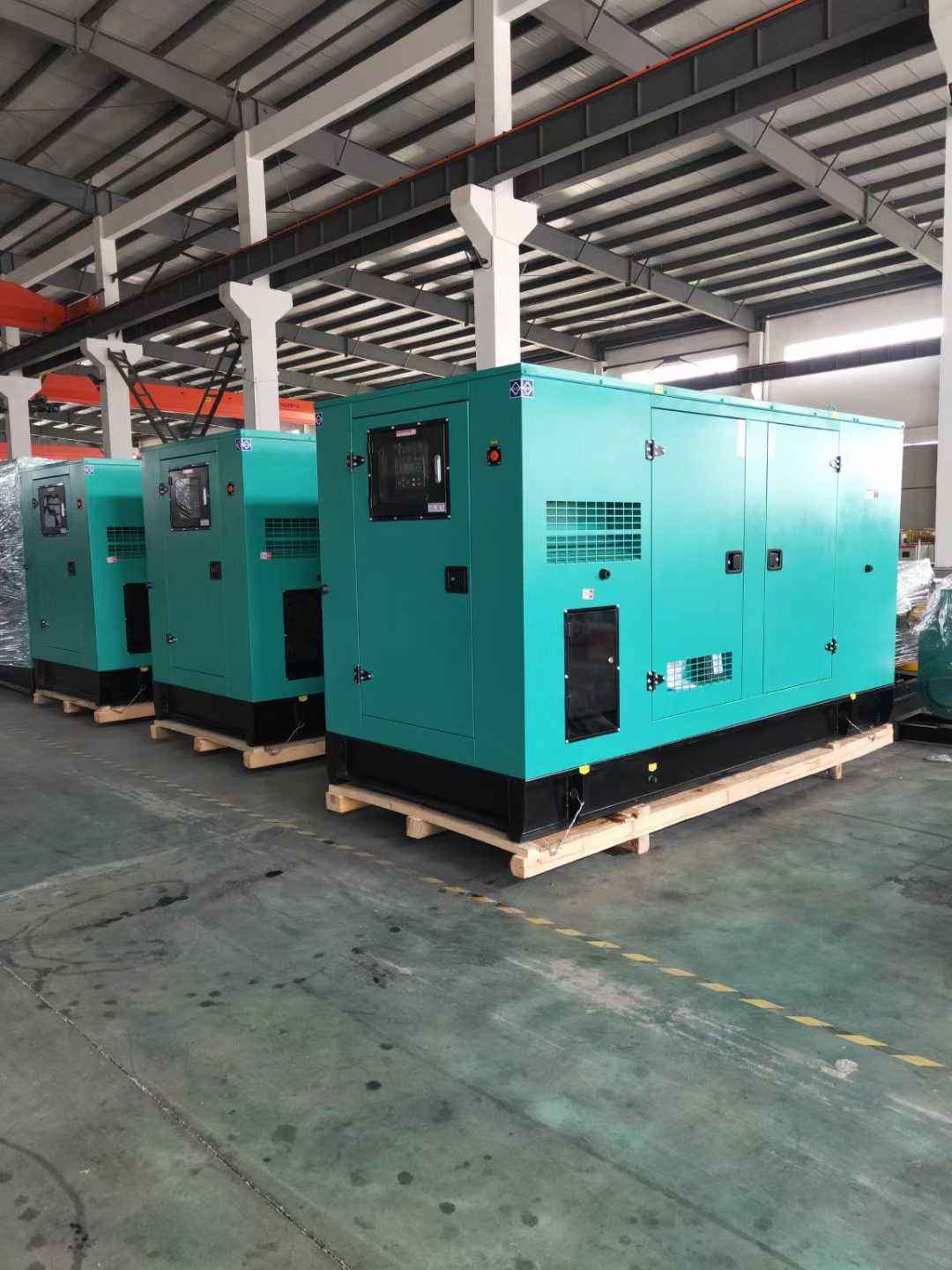
What does a welding bay do to the diversified figure?
It pulls the figure down and the frame up at the same time, which is the awkward part. Welding sets run at a low duty cycle, so a group of ten machines may carry a factor of 0.3 and add about 20kW to a 320kW total. The same machines draw a current that swings between zero and full in a fraction of a second, and the alternator sees those swings as a series of small steps.
That is why a welding load is sized on the alternator rather than on the engine. Genset load diversity in a fabricating shop is therefore read twice, once for the running total and once for the arc. A 400kVA frame with a low reactance alternator holds the arc steadier than a 250kVA frame with the same engine, and the welders themselves run better on the larger machine. We have seen a fabricating shop where the diversified total justified a 250kVA frame and the welding quality justified the 400kVA one.
Which groups need a factor of their own on a hospital site?
Four groups behave differently from a factory. Theatre ventilation runs at 1.0 during a procedure and cannot be shed. Imaging equipment draws a large step for a few seconds and near zero between scans. Lifts run at a factor near 0.5 but all start together on a power failure. Server rooms run at 0.9 and are the steadiest load on the site.
A single factor across those four produces a figure wrong in both directions on the same list. The imaging group needs a step figure rather than a factor, the theatre group needs 1.0, and the lift group needs a restart sequence written into the transfer scheme. That sequencing is a switchgear decision as much as a sizing one. Genset load diversity for the cold store is close to 0.95, since the compressors and the lights run through the same shift.
How should the enquiry carry the diversity assumptions?
Four columns on one sheet, and the frame follows from them. The group name, the connected load, the factor applied and the share of the total. A fifth column for the power factor of each group closes the kVA side, and a note on the largest motor closes the step side. A sheet built that way can be checked by a second engineer in ten minutes.
Where the site has a year of bills, the maximum demand on them is a cross check rather than an answer. A bill showing 250kVA of maximum demand against a 440kW connected list confirms a factor near 0.6, and the two together give a supplier a figure worth quoting against. The engineering notes on site planning set out the sheet we ask for.
What do buyers get wrong about load diversity?
The first error is applying a single factor to the whole site, which is the practice the method exists to replace. The second is using a factor from a different industry, since a 0.3 for welders applied to a process line understates the load by half. The third is diversifying the largest motor, which is a step rather than a running load and belongs on top of the total.
The fourth error costs more than the other three. A buyer adds the spare capacity margin to the connected total and then applies the factor, which multiplies the two reductions. The margin belongs on the diversified figure, applied once, at the end of the arithmetic. Most genset manufacturers quote the frame that follows, and the arithmetic behind it stays off the offer.
- Apply the factor per group, then sum, then add the largest step, then add the margin.
- Keep the group definitions stable across revisions, so two versions of the sheet can be compared.
- Record the reason for each factor, because the next engineer will ask for it.
Which records prove the diversified figure at handover?
Two do. The load list with its factors and the commissioning record with the measured maximum demand. Where the site draws 250kVA against a predicted 320kW, the difference is a factor that was too cautious, and the record shows it before the next order is placed.
Keep the meter record from the first month as well. A store or a hotel shows its true diversity over a season rather than a shift, because the air conditioning and the kitchen peak in different months. Yangzhou Tesla Power asks for the first month of readings on any site with a seasonal load, and the factory and the test bay files them beside the load bank sheet, and the 120kW set on the WP6 platform carries the same file. The 1000kW container build for standby duty is sized on the same sheet.
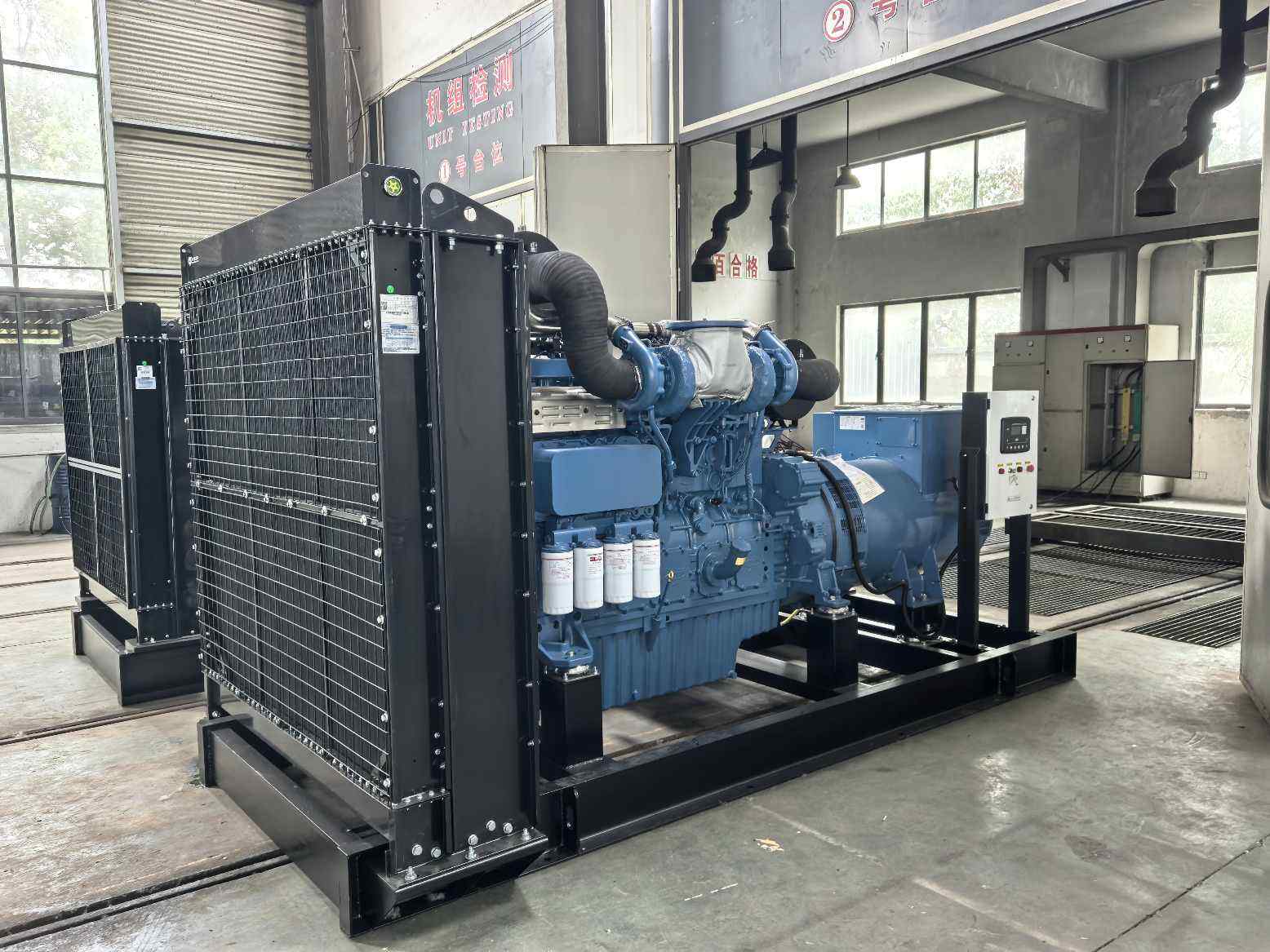
Conformity assessment for the assembly reads the rating against the load list on file, and a set that sits far above its recorded demand is a sizing question rather than a fault. Send the group list to our export desk and the reply carries the diversified figure and the frame above it. The reference condition for the rating is fixed in the ISO 8528-1 rating definitions, which both offers should name, and the NFPA 110 emergency power rules set the test schedule a hospital site runs against it. Tesla Power reads that figure on the site sheet before the plate is printed.
Frequently asked questions about genset load diversity
Between 0.5 and 0.75 on a mixed site, and nearer 0.9 on a process line that runs everything together. The figure comes from the group factors rather than from a table, so a site with heavy welding sits at the lower end.
It should not. A motor start is a step rather than a running load, and it is added to the diversified total before the frame is chosen. Diversifying it hides the one event that decides the alternator.
Barely. A data hall runs at 0.9 or above for most of the year, and the factor is closer to a statement that a few racks are down for service than to a real reduction. Tesla Power treats it as a steady load.
It sits beside each group, because a motor group at 0.8 and a lighting group at 0.95 produce different kVA for the same kW. A sheet with kW alone leaves the kVA total to be guessed, and the guess usually lands low.
It can cross check it and cannot replace it, because a bill shows the peak of the whole site and hides which group produced it. The two together give a figure worth quoting against.
On the diversified total, applied once. A margin applied to the connected load and again to the diversified figure doubles the reduction and produces a frame two sizes too large. Tesla Power applies it once, at the end, and shows the line on the offer.
Few do, and the ones who ask are the ones who quote a frame that holds. A supplier working from a single kW figure has to assume a factor, and the assumption stays invisible on the offer.
Whenever a group changes by more than 10%, and at each plant expansion. A sheet that is five years old describes a site that no longer exists, and the frame it justified is usually one size small by then.