
Genset load shedding protects the set from overload by disconnecting non-essential load when the bus approaches the rating, using priority bands and a defined shed step. The steps below cover the connected load list, the shed sequence, the set rating limit, coordination with the transfer switch and the records you keep at commissioning, so operators can compare suppliers and request a scoped quote. Tesla Power's engineering team uses the same schedule to review the load study before a set leaves the factory. A set that runs past its rating trips on overload or, worse, stalls under load; one shed too early leaves the site dark for no reason. The calculation is short, not a guess, and every figure in it comes from the load list or the data sheet rather than a rule of thumb. List the loads, rank them by priority, then set the shed step below the rating with margin.
- Confirm the connected load list from the drawings before setting any band.
- Rank loads by priority so the shed step drops the right circuits first.
- Keep the shed step below the set rating with a margin for motor starting.
- Keep the commissioning record with the serial numbers of every relay used.
What Does Genset Load Shedding Protect?
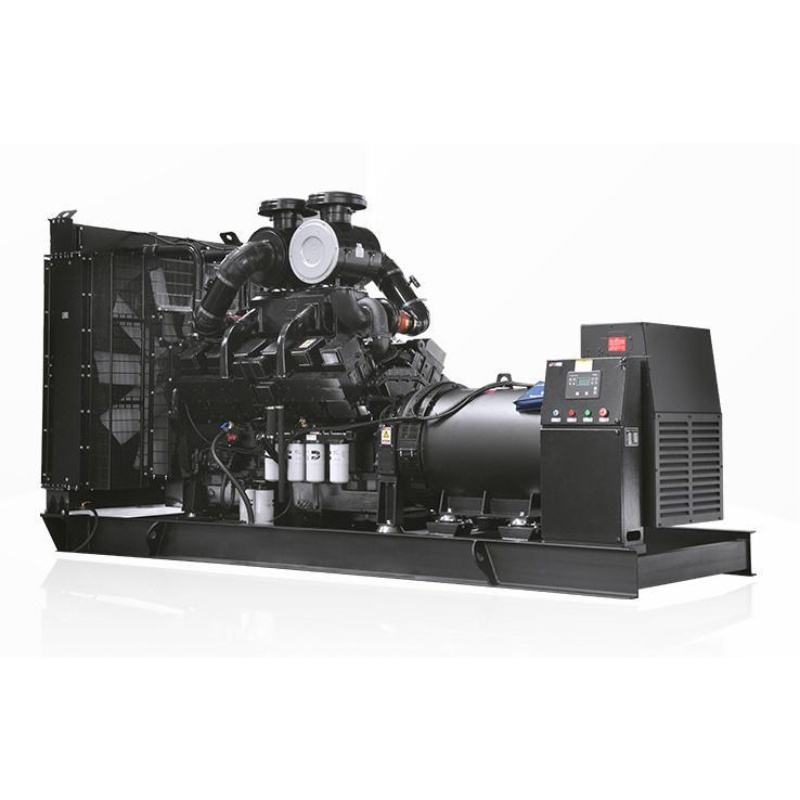
Load shedding guards the set and the priority loads at once: the alternator stays inside its rating, the essential circuits keep running, and the operator avoids a full blackout. It acts when the connected load exceeds what the set can carry, so it sees the whole bus rather than one circuit. A shed sequence set correctly drops the lowest-priority band first and holds the rest. The protection is the last barrier before the set stalls, so the order is deliberate and not random. Read the load list. Why risk a full blackout?
Shedding is not the same as a simple overload trip. A trip cuts the whole bus; a shed step drops one band and keeps the rest alive. Confusing the two is the most common field error we see on exported sets. A set sized only to the nameplate current will stall when the load list is wrong, and a shed step set too low wastes capacity the site paid for. Read the load list, not the nameplate, before you prepare the quotation.
Which Values Define the Shedding Sequence?
Priority bands, set rating and margin
The set rating is the continuous load the genset can carry. For a 500kVA set at 400V and 0.8 power factor this is 400kW, so the shed step must keep the live load at or below that figure. Priority bands group loads from essential to deferrable, and the margin is the headroom kept for motor starting and short swings. A 500kVA generator set from Tesla Power Equipment ships with the bands pre-set, but the site load list decides the order.
These three values are not independent. A shed step set above the rating will let the set stall before it sheds, and one set without priority order drops the wrong circuit first. We record all three on the schedule and check them against the load list before the order is released. Most genset OEM manufacturers quote the set, but the bands and the margin are the values that actually keep the site running. China genset suppliers often quote only the set, so ask for the full load study.
How Do You Calculate the Shedding Step?
The shed calculation and a worked check
The shed step comes from the load list using a simple balance. For a 500kVA set with 550kVA of connected load the working is live = 550000 / 1.732 / 400 = 794A, and the set rating is 902A, so a shed of 50kVA restores the margin. The same step applies to a 250kVA set, which sheds about 50kVA when the list reaches 300kVA. Check the result with a three-phase current calculator before you order.
Round the shed step to a clean band rather than a fractional load, because the relay switches whole circuits, not fractions of one. A 400kW set at 0.8 power factor is the same 500kVA frame, so the electrical rating and the mechanical rating must be quoted together. When the set is a genset for export sites, the voltage and the band thresholds both change with the destination market, so Tesla Power quotes both figures on every offer.
| Set rating | Connected load before shed | Shed step | Live load after shed |
|---|---|---|---|
| 250kVA | 300kVA | 50kVA | 250kVA |
| 500kVA | 550kVA | 50kVA | 500kVA |
| 800kVA | 850kVA | 50kVA | 800kVA |
Why the Set Rating Sets the Shedding Limit
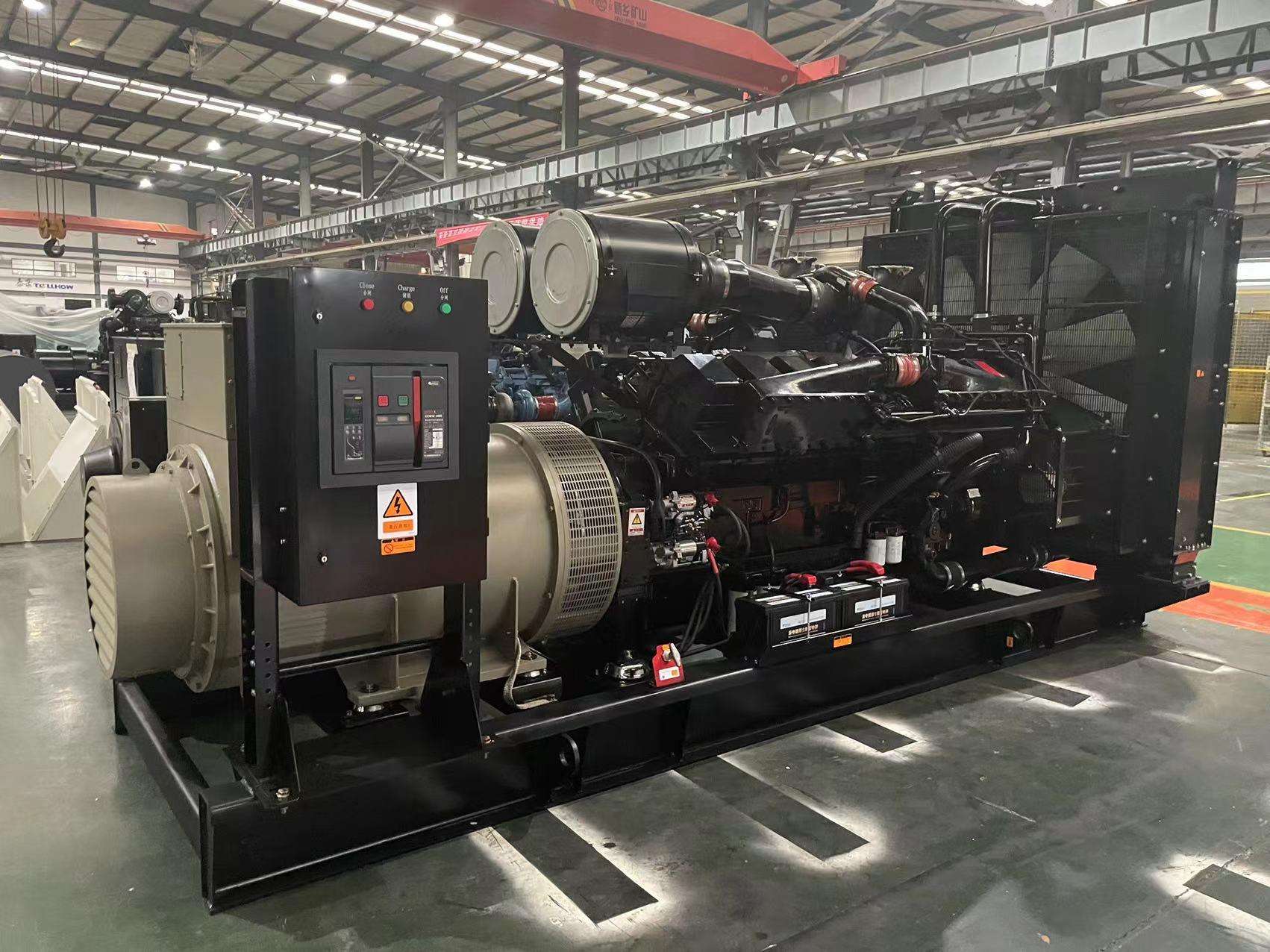
The shed step must hold the live load at or below the set rating, not just below the trip. On a stiff utility connection the set may parallel with the grid, so the rating that limits the shed is the genset output, not the cable. The rating printed on the nameplate is the continuous figure, and the shed step uses the continuous figure, not the overload rating. Read the rating from the data sheet, not from memory.
A shed sequence set above the rating will let the set stall before it sheds, and a set that stalls takes the whole site down. We treat the rating as the hard limit and the margin as the comfortable limit. If the connected load exceeds the rating by more than the bands can drop, the only fix is a larger set or a second set in parallel. This step is where a build record from Yangzhou Tesla Power matters, because the load list decides the number, and the derate is applied before the set is released.
How Do You Coordinate the Shedding With the Transfer Switch?
Coordination decides which device acts first when the load exceeds the rating. The load-shed relay should drop a band before the main breaker trips, while the transfer switch handles the changeover between utility and genset supply. If the breaker trips during a normal shed, the site loses power for the wrong reason, which is why the threshold is set in the factory schedule before the set ships. We set the shed threshold below the breaker trip and above the running load so the two do not compete.
Selective coordination is a list, not a feeling. Each band must shed before the breaker trips for the same overload, and the relay curve must sit to the left of the breaker it protects. A genset for hospitals usually runs in a parallel configuration, so the coordination study grows with every added set, and Tesla Power keeps the curves on file for the life of the project. Get the curves from the maker before the switchgear is wired.
Why Derating Matters in Hot Rooms?
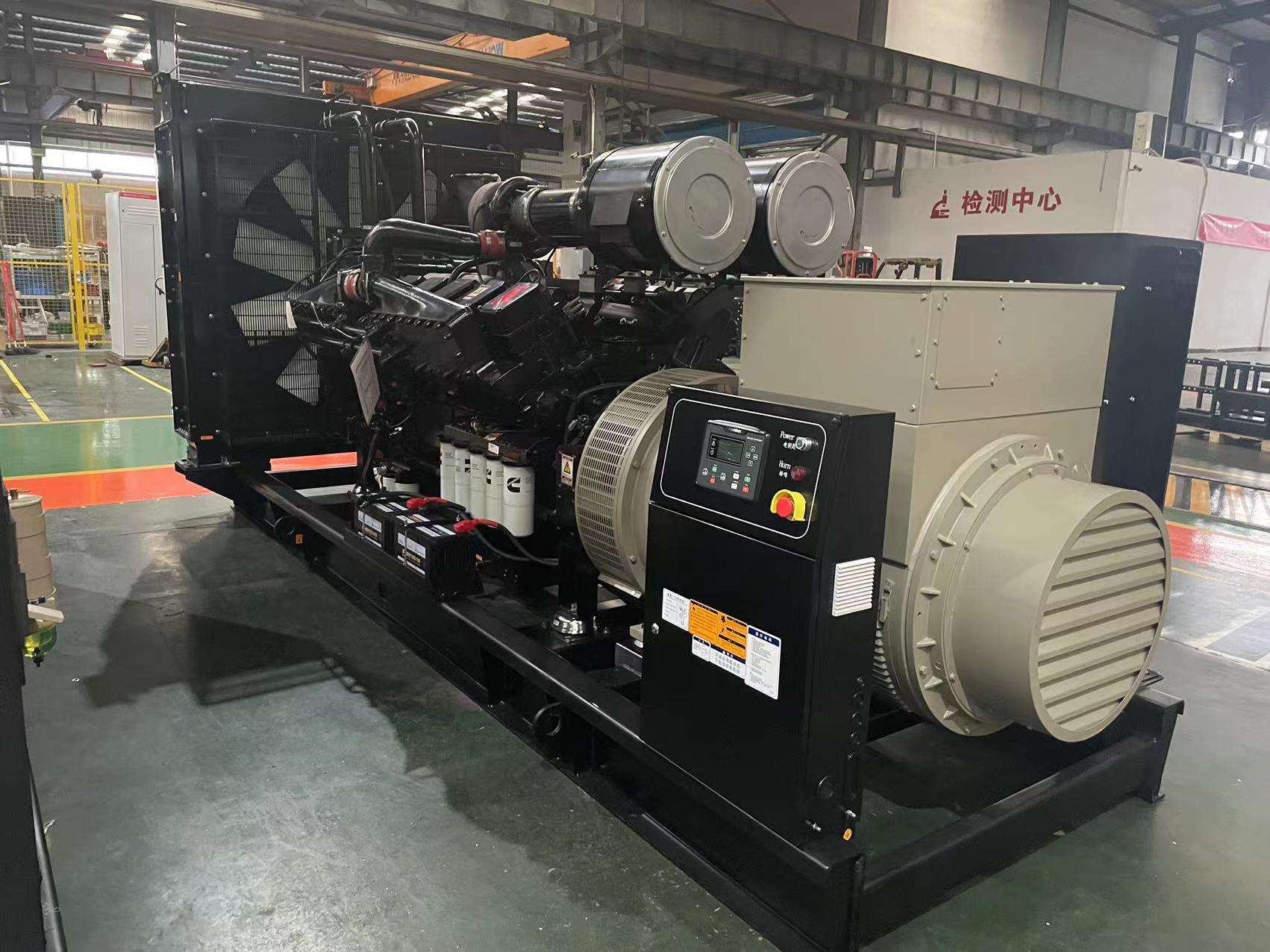
A set rated at 25°C loses output as the room warms. At 40°C the same frame may deliver only about 90 percent of its rated power, and in a closed canopy the air can sit well above the ambient outside. The derate is published in the maker's table and must be applied to the rating before the shed step is set, not ignored because the nameplate looked large enough. Tesla Power applies the derate to the rating before any set is released, so the shed step holds in the room where it runs. A genset for the mining sector often runs in a hot, dusty room, so the derate is not optional there.
Size the shed step from the derated rating, then confirm the bands still sit below it with margin. We add a note to the schedule whenever the room temperature exceeds 35°C, because that is where most field overload calls start. The radiator and the louvre set the room temperature, so the derate belongs in the same calculation as the load. Our load-study guidance carries the worked example for a 40°C room.
Which Standards Govern Load Shedding?
The relay and the set follow IEC 60947-2 for the low-voltage switchgear, and the rule is written by the IEC breaker standards that define how the protection is tested. The acceptance test for the set the relay protects is covered by the ISO 8528-5 step load limits, which sets the load steps the protection must survive. Both standards are referenced on the schedule Tesla Power issues with each set.
Beyond the electrical rule, the set must also clear EPA nonroad engine emission standards before it is exported to most markets. The genset CE marking requirements apply to the enclosure and the control gear, and the conformity assessment for the EU market is closed out by the notified body, not by the installer. Setting the shed bands and clearing the compliance file are two steps in one order, so keep the dates aligned.
How Do You Test the Shed Sequence After Installation?
The shed sequence is proved by a staged load test, where the relay is driven through each band and confirmed to drop the right circuit at the set value. A continuity check only proves the contact closes, not that the band sheds under load. We record the injected load, the shed order and the instrument serial number on the day of the test, because a record written a month later is not evidence. Tesla Power keeps the staged test record with the set serial number for the life of the installation.
Repeat the staged test at every band if the relay is adjustable, and confirm the shed order matches the priority list from the design stage. A relay that passes at the factory can drift after shipping and handling, so the site test is not a formality. When a diesel generator cable sizing change follows, re-run the staged test because the load list may have moved with the new circuit.
Frequently Asked Questions
Most sets use a programmable relay or the controller to drop non-essential bands when the bus nears the rating. The set rating is the limit, and the relay is set below it with margin for motor starting and short swings. The bands are grouped from essential to deferrable so the right circuit sheds first.
Check the largest motor inrush against the shed threshold, then keep the live load below the rating with margin. If the motor current exceeds about six times full load, shed that band before starting or add a soft starter so the set does not stall on the inrush.
Shedding drops one band and keeps the rest alive; a trip cuts the whole bus. A shed step protects the set by trimming load, while a trip is the last-resort protection. Set the shed threshold below the breaker trip so the relay acts first and the site stays partly powered.
It must coordinate with the ATS so the relay sheds a band before the breaker trips during a normal overload. Set the shed threshold below the ATS sensing and above the running load so the two do not compete during a changeover.
Use the output the set delivers inside the enclosure or the room, not the outdoor ambient, because that is where it sits. At 40°C a set may deliver only about 90 percent of its 25°C rating, and that derate is applied to the rating before the shed step is set.
A parallel system shares one bus, so the shed sequence must cover the combined load of every set online. Each set keeps its own output limit, and the master relay sheds bands once the total live load reaches the combined rating, not one set alone.
A staged load test drives the relay through each band and confirms it drops the right circuit at the set value, with the result recorded on the day of the test. A continuity check only proves a contact closes, so it does not replace the staged test for commissioning evidence.
The set builder issues the load study with the priority bands, the shed step and the commissioning record together. Tesla Power's engineering team reviews the connected load, the set rating and the margin against the data sheet before the set is released to the site.