
Genset load steps are the blocks of load a site adds at one time, and the largest block decides the frame more often than the total does. Tesla Power measures that block, compares it with the duty class on the plate, and quotes a set that accepts it. Work the step list below before you request a quotation.
- A step is measured in kVA and in seconds, because the governor and the alternator answer on different time scales.
- The largest single block, not the daily peak, sets the frame on most standby sites.
- The duty class on the plate states how large a step the set accepts at that rating, so read the class before the kW figure.
- Send the step list with the load record, and the frames in the export frame range are compared on one basis.
What do genset load steps decide before the frame is chosen?
A step decides three things: the frame, the alternator's transient reactance, and whether the site needs a soft starter. A 250kVA frame at 0.8 power factor carries 200kW, and the same frame accepts a block load of about 60% of that figure, or 150kVA, in one move at class G2. Add a larger block and the frequency dips below the limit the site can tolerate.
The three answers are not independent. A frame chosen for a 200kVA block holds a lower transient reactance than one chosen for a 150kVA block, and the larger frame then accepts the block without a starter. Buying the starter instead is cheaper at the switchgear and more expensive in maintenance, because a soft starter adds a second failure point on the largest motor in the plant.
How is the step sequence set for a real site?
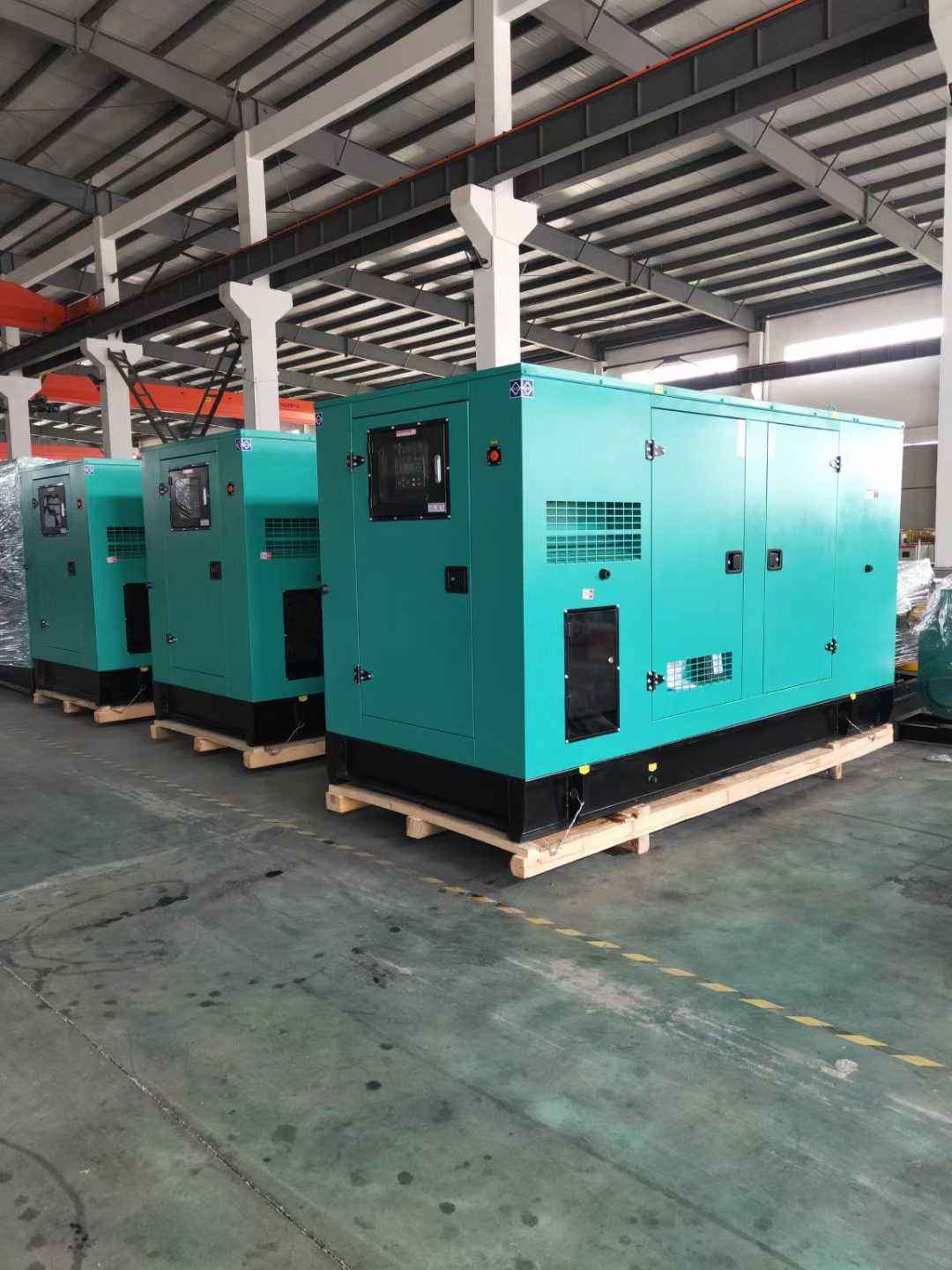
Set it from the equipment that restarts together after a transfer. A chiller group that comes back on one command behaves as a single block, and so does a bank of pumps on a common contactor. Walk the plant with the changeover sequence in hand, because the order the control system restores load is the order the set sees. Yangzhou Tesla Power Equipment asks for that walk-through on every enquiry above 200kVA.
Then split the blocks the site can control. A site with three chillers can stage them 30 seconds apart by delaying two of them in the controller, which turns one 300kVA step into three 100kVA steps. A genset for standby duty is usually staged the same way, because the transfer controller restores the groups in a fixed order. That change costs a timer setting and removes the need for a larger frame, which is the cheapest fix on any site we survey. A genset load for a cold store carries the same rule with a longer interval, because the compressor group restarts on a timer of its own.
| Step | Share of the 250kVA rating | Frequency dip expected | Recovery |
|---|---|---|---|
| Block A, 150kVA | 60% | 4.5% | Under 2 seconds |
| Block B, 100kVA | 40% | 3.0% | Under 1.5 seconds |
| Block C, 50kVA | 20% | 1.8% | Under 1 second |
| Motor start, 40kW | 18% plus inrush | 7.0% | 2 to 4 seconds |
What is the largest step a frame accepts?
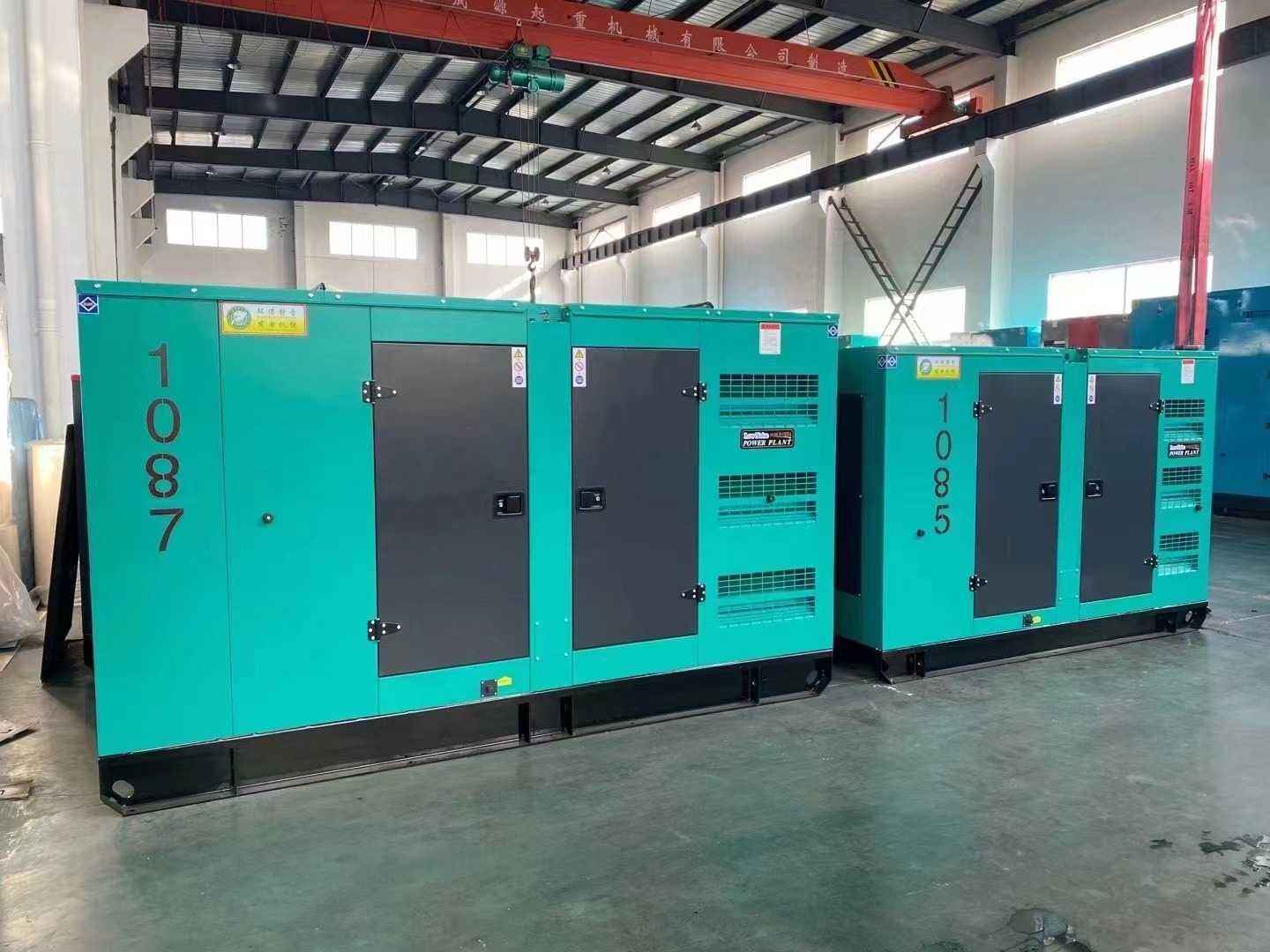
The largest step follows the duty class and the alternator reactance rather than a single percentage. Class G2 allows a larger block than G1 at the same rating, and a class G3 set accepts a larger block again. The ISO 8528-5 transient limits set the frequency and voltage thresholds those classes are measured against, so the class is a test result rather than a sales label. Tesla Power keeps the reading beside the load record rather than in a covering letter.
Work the case at 250kVA. A block of 150kVA at 0.8 power factor is 150 × 0.8 = 120kW, and the engine has to accept 120kW in under a second while the governor responds. The flywheel energy and the fuel rack travel decide whether it does. A set with 150kVA of block capacity against a 200kW rating carries 60% of its figure as one step, and 150 ÷ 250 = 0.60 is the ratio a buyer should put on the enquiry.
How does the duty class change the step limit?
The class states the transient behaviour the set was tested to, and it is printed beside the rating on the plate. A G1 set is expected to accept smaller blocks and to recover more slowly, which suits a site where the load ramps up over minutes. A G2 set accepts larger blocks and holds the frequency closer, and it costs more because the alternator and the governor are specified for it. The class is printed beside the rating on the offer, so a buyer reads the two lines together.
A buyer who compares two offers on kW alone compares the steady figure and misses the class. Chinese genset suppliers rarely print the class beside the price. Two 250kVA frames at the same price can differ by a whole class, and the cheaper one may need a soft starter on the largest motor to reach the same site. That starter is part of the price, and it is the line a quotation often leaves out, which is why genset manufacturers who state the class can be compared and the rest cannot.
What interval belongs between steps?
The interval is set by the engine, not by the switchgear. A diesel engine needs 10-30 seconds between blocks to let the turbocharger speed and the coolant flow catch up, and a step applied sooner stacks on a manifold that has not cleared. On a cold morning the interval should be at the longer end, because the oil is thick and the governor is slower to respond.
Take the interval from the fuel rack movement rather than from a fixed timer where the site can watch it. Tesla Power records that value on the handover sheet, so the next site team knows what the set was proved at. A rack that is still travelling when the next block arrives produces a black puff at the stack, and that puff is unburned fuel rather than a fault. A site that sees it on every transfer has an interval that is too short, and the fix is a parameter in the transfer controller.
Where does a step schedule fail on a live site?
It fails at the transfer rather than at the load bank. A load bank applies blocks in a known order, while a transfer restores whatever the control system decides, and a building management system often restores everything at once. The set then meets a single block equal to the whole standby load at the moment the breaker closes.
The second failure is a load added after handover. A tenant fits a chiller or a second compressor, the block grows, and the set starts to trip on transfer without any change to the generator. A genset load for a hospital grows the same way when a new wing opens, and the schedule on the wall is the document that shows the change rather than the trip log. A genset load for a data centre grows in steps of its own, because the uninterruptible supply hands over in blocks.
How is a step test run in the factory?
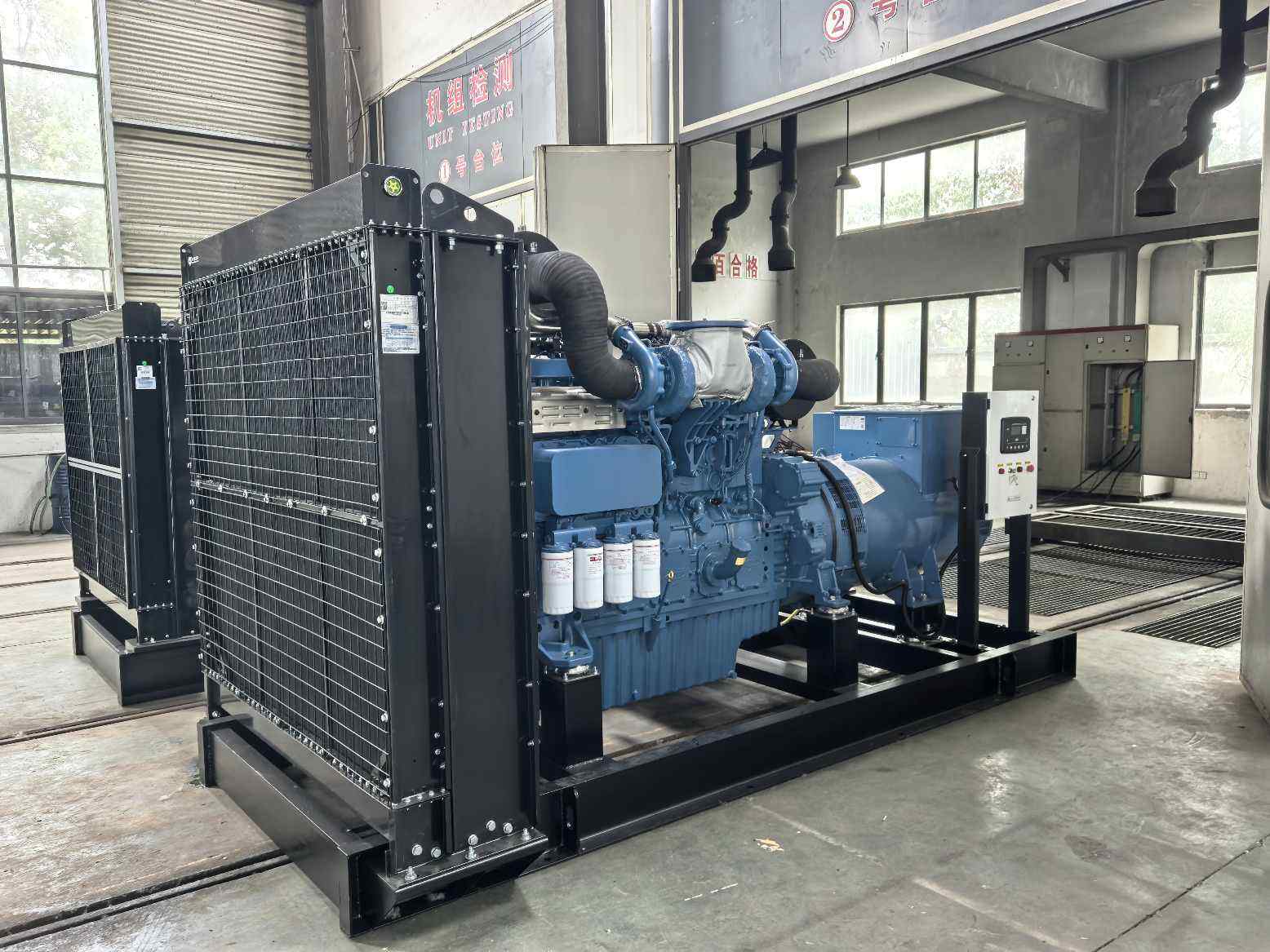
The test bay applies the blocks in the order the site will apply them, at the rating point the file states for the 250kVA standby build, holds each for the time the site will hold it, and records the frequency and voltage trace. A resistive bank proves the engine and the governor path. A reactive bank proves the alternator and the excitation path, which is the half that matters for a motor start.
Our bay runs the largest block twice, once from cold and once with the engine at temperature, because the two answers differ, and the traces go out with the set. A cold engine accepts a larger block before the governor settles, and a hot engine holds the frequency tighter once it does. Tesla Power Equipment records both traces and sends them with the set, and the pair is what a warranty question about tripping is read against.
What does a large step cost in fuel and heat?
It costs a puff of fuel and a spike in exhaust temperature, and the second one matters more. A 150kVA block applied in under a second pushes the exhaust temperature up by 40-60°C for a few seconds, and the turbocharger sees that spike on every transfer. A site that transfers twice a week accumulates a few hundred spikes a year, which is where the manifold gasket and the turbo seals begin to show.
Fuel for the spike is small in volume and large in effect. A 250kVA frame at 200kW burns about 42 L/h at full load, or 0.21 L/kWh, and a step from 0 to 150kVA for two seconds uses roughly 0.03 L. The arithmetic says the fuel is irrelevant and the thermal cycle is not, which is why the interval matters more than the block size once the block is inside the class.
How is the step schedule handed over?
Hand over three things: the block list with its kVA figures, the interval between blocks, and the class the set was tested to. A site team that has the three can run a transfer without guessing, and an electrician who arrives later can read the schedule rather than the trip history. The schedule belongs beside the changeover drawing, not in the commissioning folder, and the factory and the test bay keep a copy with the test trace.
The class matters at that point because it is the only figure that says what the set will accept. A genset in parallel operation adds a fourth line, since a second set can pick up part of the block and the schedule then has to say how the load sharing is set. Tesla Power writes all four onto one sheet for a multi-set plant. The same frame appears in the 500kVA silent set with the ATS option, where the plate states the same basis.
What should an enquiry state about the steps?
State the largest block in kVA, the number of blocks in the transfer sequence, the interval the controls can hold, and the largest motor with its starting method. Those four lines let a supplier choose a class rather than a frame, and the class is the part two quotations usually differ on without saying so. The test routine in the NFPA 110 schedule is where a standby site proves the sequence each month.
Send them with the load list to the export desk, and the reply names the frame, the class and the starter question in one line. The site planning notes carry the template for the block list, and the same sheet goes into the test file so the factory run matches the site sequence.
Frequently asked questions about genset load steps
At full load, the block a set accepts is close to zero, because there is no headroom left. The step figure applies from a lower starting point, and the datasheet states it that way. Read the starting load before the block, not just the block.
Often it does, and the arithmetic decides. A frame one size up costs less than a soft starter plus the cable upgrade it needs, and it removes a failure point. Tesla Power quotes both routes when the motor is above 40kW.
It is the load a set accepts in one step at a stated class, usually as a percentage of rating. The figure assumes the engine is at operating temperature and the set is running at a stated load before the step. A cold set behaves differently.
The engine and governor respond to a load change in about a second, while the alternator responds within a few cycles. The frequency therefore lags the voltage, and the dip in frequency is the figure the site feels as a flicker in the lights.
It can, by wiring the contactors on timers or by starting equipment in a set order by hand. Both are common on older plants. The controller route is more repeatable, and it leaves a record of what the set actually saw.
Between two and five on most sites. More steps shorten each interval and reduce the thermal spike, and fewer steps make the schedule simpler to run. The right number is the one the site team can follow at three in the morning.
It does not change the class, but fuel quality changes how cleanly the engine accepts a block. A fuel with a low cetane number delays combustion and produces more smoke on a step. That shows on the trace before it shows on the stack.
It usually is, and it should be written into the witness list. A factory acceptance test that runs at steady load proves the alternator and misses the governor. The genset CE marking requirements sit in the technical file, and the class on the plate is what the file has to support. Conformity assessment for the assembly checks that the plate and the test trace agree. Tesla Power reads that figure on the site sheet before the plate is printed.