
A genset low voltage scope decides where the supplier stops and the installer starts, and a gap on that line costs a week. Compare the boundary list, the cable and the protection settings against the site drawing before you accept an offer. Tesla Power marks the line on the drawing; send it to the technical desk and we confirm it.
- Ask for the boundary list before the price, because the list is the contract.
- Check who supplies the cable between the set and the panel.
- Look at the protection settings, since they belong to one party or the other.
- Ask who commissions the set against the site earth.
What does a genset low voltage scope cover?
It covers everything from the alternator terminals to the point where the site takes over, and the point is a physical place rather than a phrase. The scope usually includes the set, the canopy, the control panel, the breaker and the cable to a terminal box. It usually excludes the cable beyond that box and the site earth, which is the item that causes the most argument after commissioning.
The scope also decides the protection settings, because a breaker inside the panel and a breaker in the site switchroom are two different devices with two owners. A set supplied with one and commissioned against the other trips on the first load, and the fault looks like a set fault until the settings are read. Tesla Power marks the boundary on the drawing with a line and a note rather than in a paragraph of terms.
Where does the scope end?
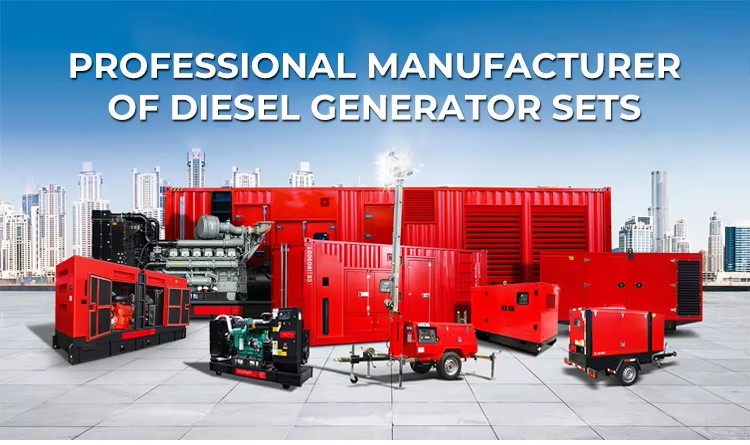
The scope ends at a named terminal, and the terminal has to exist on a drawing rather than in a description. A boundary described as the site connection is a boundary that two parties read differently. A boundary drawn as a terminal box at 3 m from the canopy is one that both parties can measure, and a measurement is the only boundary that survives a dispute.
A 500kVA set at 0.8 pf gives 400kW: 500kVA x 0.8 = 400kW, and the cable that carries that current is the item most often left between two scopes. Ask for the cable length and the terminal position on the same drawing. Tesla Power Equipment supplies the cable to the terminal box and leaves the run beyond it to the installer, and the length is stated in metres rather than in words.
| Item | Typical figure | Note |
|---|---|---|
| Boundary | Terminal box at 3 m | Drawn, not described |
| Cable | Supplied to the box | The run beyond it is the site |
| Earth | One electrode, one bond | Agreed in writing |
| Protection | Setting table with the panel | One step apart where two devices |
Which items sit on the boundary?
The cable, the earth bond, the neutral link, the current transformers and the protection settings all sit on the boundary and each one can fall to either party. The neutral link is the item that gets forgotten, because a set with a switched neutral and a site with a solid neutral do not match. Ask for the earthing arrangement in writing, because the two arrangements are not interchangeable.
The current transformers are the second item, because a set with its own metering and a site with its own metering can end up with two sets of transformers and one meter. Ask which metering the scope includes. A duplicated set of transformers is cheap and a duplicated meter is a dispute about who pays for the electricity, which is a small argument that lasts a long time. Two meters on one set is the kind of problem that only appears at the first invoice.
How is the boundary written down?
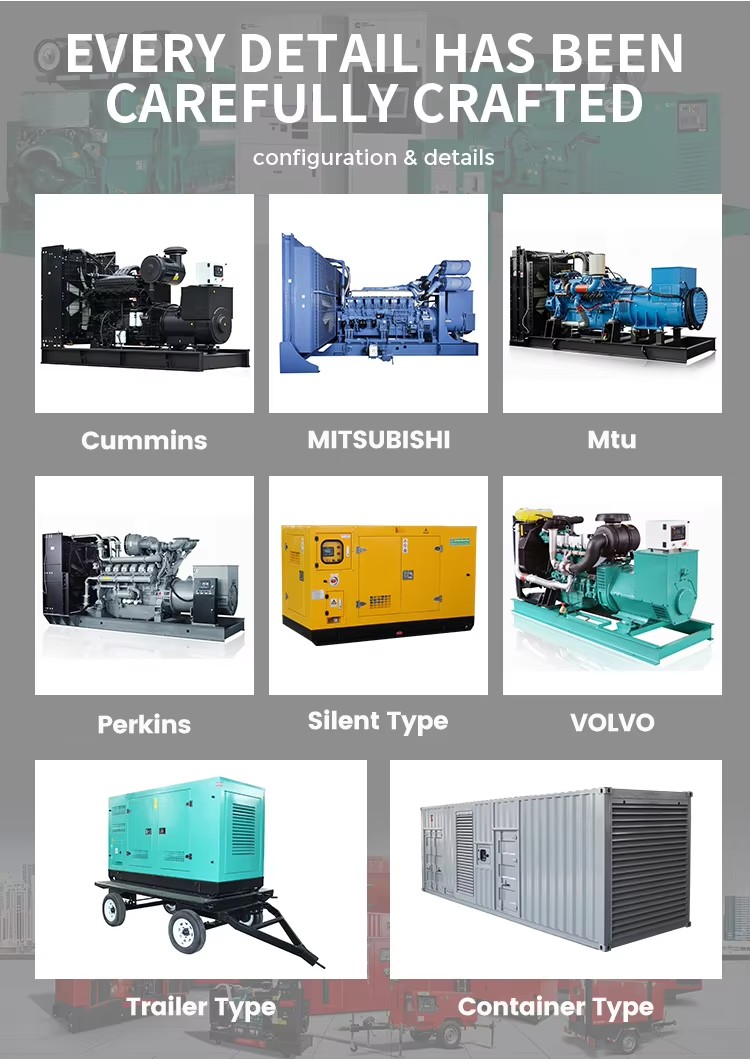
The boundary belongs on a drawing with a line, a legend and a list of what crosses it. A list in the offer document is a list that the site engineer does not read. A drawing with the line on it is a document that the electrician works from, which is the only test that matters, since the electrician does not read the terms. A drawing is also the only document that survives a change of staff on either side.
The drawing also has to name the protection settings at the boundary, because a setting is a number rather than a device. A 400 V feeder at 630 A needs an overload setting that matches the cable rather than the set. Ask for the setting table with the drawing. Yangzhou Tesla Power issues the table with the panel and marks the settings the site is allowed to change.
What happens when two scopes overlap?
An overlap is cheaper than a gap and it is still a problem, because two devices in series with different settings trip in an order nobody predicted. A set breaker and a site breaker set at the same figure will race, and the one that wins is the one with the faster curve. Ask for the discrimination study on a site with both, and the study is a few pages rather than a project.
The answer is usually a setting difference of one step and a time delay of 0.1 s on the site device. That is a design decision rather than a supply one, and it belongs to whoever owns the study. Ask for the study to be named in the offer. A set supplied without it is a set that trips the site breaker on a motor start. Tesla Power issues the study with the panel rather than as a separate report.
What does the site have to provide?
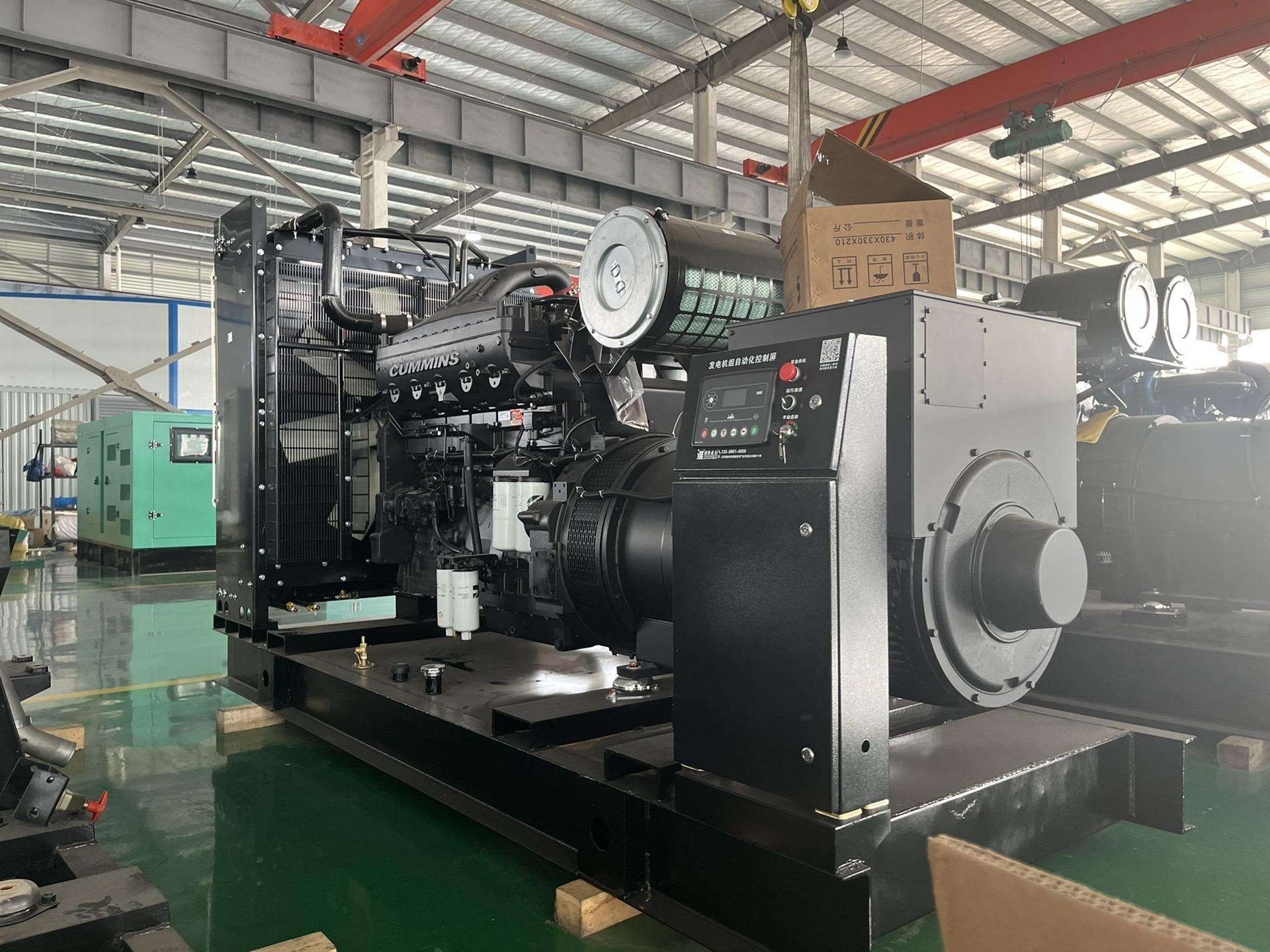
The site provides the plinth, the cable route beyond the terminal box, the earth electrode and the fuel supply where the set does not carry a tank. It also provides the load list and the fault level at the connection point, because the set breaker is chosen from that figure. Ask for the fault level before the panel is built, because the breaker rating follows it.
The site also provides access for the delivery, which on a tight site is the item that delays the commissioning. A set that cannot reach its plinth is a set that sits on the road for a week. Ask for the access route and the crane position on the site plan. Tesla Power asks for the fault level and the access route on one enquiry form, and both answers are needed before a date is offered.
What does the offer need to state?
The offer should give the boundary terminal, the cable length included, the earth arrangement, the metering, the protection settings and the commissioning split. Six items on one line let a buyer check the offer against the site drawing without reading the terms. Ask for the boundary line on a drawing rather than a description, and the line is the first thing a site engineer checks. The six items are short enough to fit on one line of an offer.
The wording on the offer matters too. Chinese genset low voltage suppliers often quote a set to the terminals with no cable, and a genset low voltage scope manufacturers page can show a panel that the factory buys in. Ask for genset low voltage for a package, genset low voltage in a tender and genset for the package as three separate cases, since the middle one is where the two sides usually differ. Tesla Power prints the six items on the boundary drawing.
What does the handover file record?
The file carries the boundary drawing, the cable length, the earth arrangement, the protection settings and the commissioning record. One page covers the scope when those five items sit under the set serial number. Add the conformity assessment for the scope when the installation is part of a permit package and the boundary is inspected by a third party, and the boundary drawing is the sheet they ask for.
Hand the page to the electrician who will connect the set rather than to the buyer who placed the order. the Yangzhou factory describes the bay where the panel is built and tested, the commissioning notes lists the frames that ship with a terminal box, the build range explains how the fault level is applied, the 1000kW container build shows the frame that matches the duty, the ISO 8528-1 duty definitions sets the installation standard the boundary follows, and the NFPA 110 maintenance routine covers the earthing rule behind the link, and the settings table is stapled inside the panel door.
Frequently asked questions about genset low voltage scopes
A gap on the boundary costs a week of site time and a dispute, and the price of the set is small against that. A boundary drawn on a sheet removes the gap. Ask for the drawing before the comparison.
It depends on the boundary, and the answer has to be written rather than assumed. A cable that is included in one offer and excluded in another makes two offers look further apart than they are. Ask for the cable length in the offer line.
It is the calculation that decides which breaker trips first when two are in series. Without it the site finds out during a fault. Ask for the study to be named in the offer where the site has its own breaker.
It needs one earth and one bond, and a second earth is the most common cause of a circulating current. Ask for the arrangement in writing, because the site electrician and the set electrician often assume different answers.
The supplier commissions the set and the site commissions the installation, and the two meet at the boundary. A commissioning record signed by both is the document that ends the argument. Ask for the record format with the offer.
The neutral link and the cable beyond the terminal box, in that order, and both are cheap items on a long job. A set that arrives with a switched neutral and a site with a solid one needs a link that nobody ordered. Tesla Power puts both on the boundary drawing so the omission is visible.