
A genset motor starting dip is the voltage drop a set shows in the first seconds of a motor start, and the steps below measure it before any frame is quoted. Yangzhou Tesla Power reads the dip from alternator reactance and motor starting current, then checks it against site tolerance so a supplier quotation rests on a recorded figure.
- Record the dip at the terminals, not at the motor, because cable impedance hides part of the drop.
- Compare it with the tolerance of the load that stays on the bus, since a contactor and a drive accept different depths.
- Check the alternator subtransient reactance before asking for a larger frame, as reactance decides more than kW does.
- Keep the measurement beside the frames the factory builds so a supplier can quote the alternator that meets it.
What causes a genset motor starting dip?
A motor at standstill behaves as a short circuit on the bus. It draws five to seven times its running current until the rotor turns, and the alternator supplies that current through its own internal impedance. Voltage falls by the product of current and impedance, which is why two frames of the same kW can show dips differing by a third.
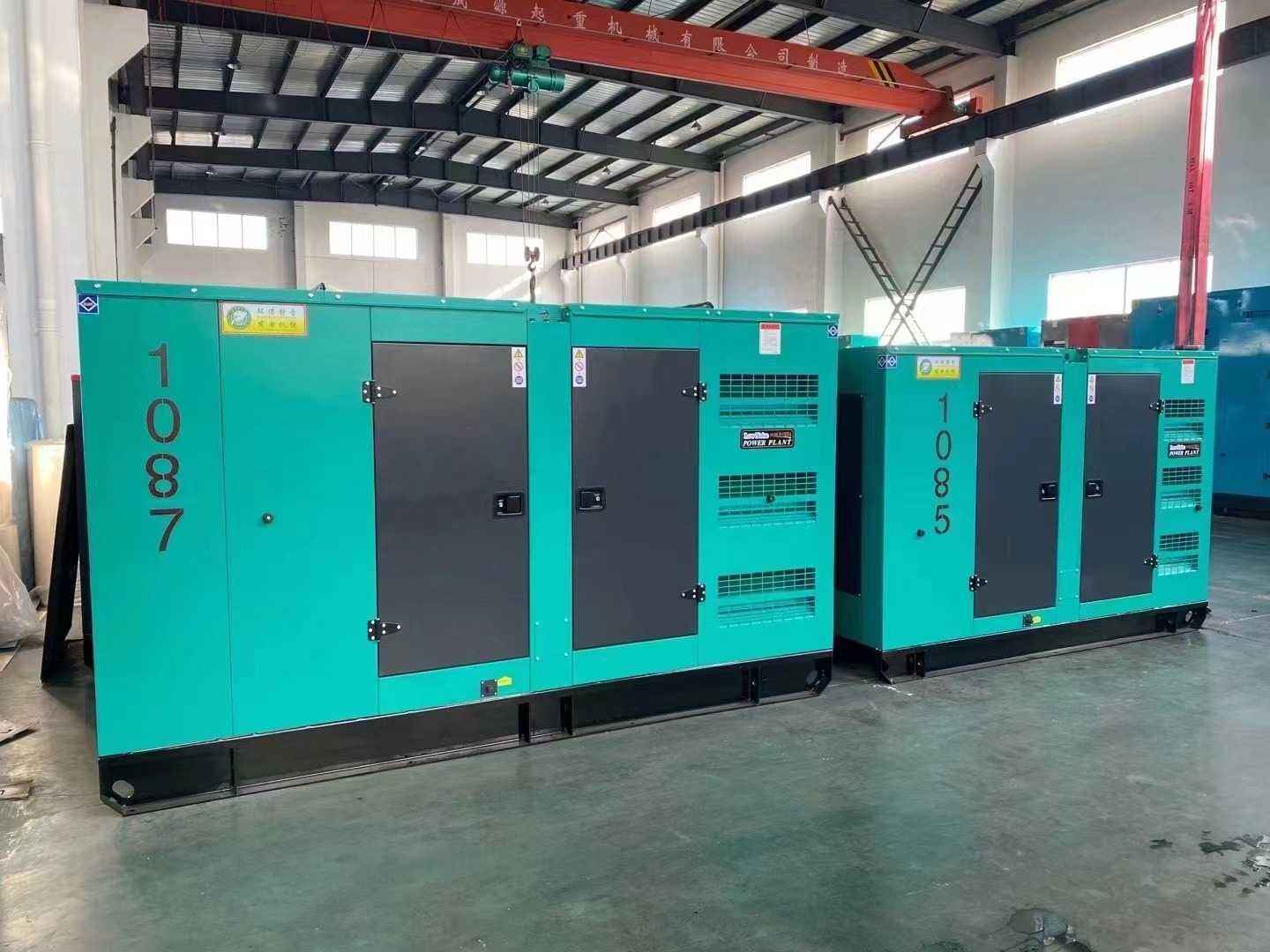
The engine plays a smaller part than buyers expect. A diesel engine takes about a second to accept a step, and voltage recovers on the alternator before the engine has finished responding. Frequency droops for a moment, the voltage dip is the figure a contactor reacts to, and two different parts of the set set them.
How is the dip measured on site?
Use a power quality analyser with a one-cycle resolution, clamped on the bus at the set terminals, and trigger it on the largest motor start. A multimeter shows the recovery value and misses the trough, which is the number that matters. Record the pre-start voltage, the lowest value and the time to recover.
A warm machine flatters the result. The first start after a cold soak is deeper, because the oil is thicker and the motor accelerates more slowly. A 15% dip on the first start and 9% on the third describes a set that is marginal rather than comfortable, and the marginal case is the one worth sending to a supplier.
| Reading | Typical figure | What it tells you |
|---|---|---|
| Pre-start voltage | 400V at the bus | The base the dip is measured from |
| Trough voltage | 340V to 360V | The figure a contactor sees |
| Recovery time | 0.4s to 1.2s | How fast the excitation responds |
| Frequency droop | 1Hz to 3Hz | How hard the engine was hit |
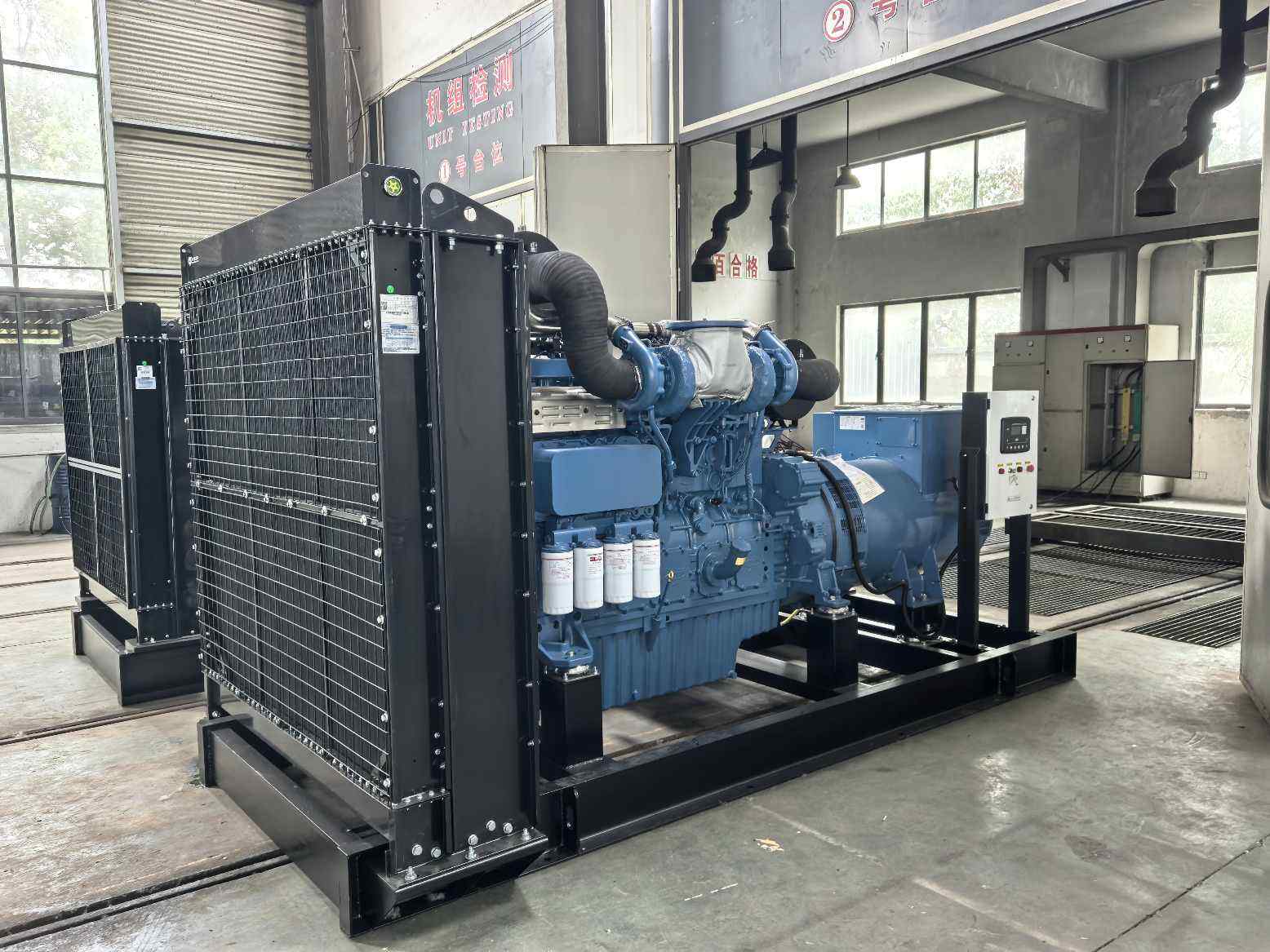
Which figures belong in the starting calculation?
Four figures decide the answer, and a supplier who asks for fewer is guessing. The first is the motor rating in kW and its efficiency, which together give the running current. The second is the starting method, since direct on line, star delta and soft start each multiply that current by a different factor. The third is the alternator subtransient reactance, quoted as a percentage on the data sheet. The fourth is the load already on the bus when the motor starts.
The calculation is a voltage divider, not a rule of thumb. Dip equals the starting demand divided by the alternator rating, multiplied by reactance, and expressed as a fraction. Tesla Power Equipment runs that line for every enquiry naming a motor above 40kW, because the answer separates a 500kVA frame from a 625kVA one on an identical load list. The genset motor starting dip figure then travels on the schedule beside the motor list, which is what makes two offers comparable.
How deep a dip does a 80kW motor cause?
Work the numbers on a frame that appears in most export enquiries. A 80kW motor at 0.8 power factor draws 110kVA while running, and five times that at start, which is 625kVA of apparent demand for about two seconds. That figure equals the alternator feeding it, and the alternator meets the demand by dropping voltage rather than by delivering the current.
The arithmetic is short. Against a 625kVA alternator at 12% subtransient reactance, 625kVA ÷ 625kVA = 1.0 per unit, and 1.0 × 0.12 = 12% dip. Against a 500kVA alternator the same start gives 1.25 × 0.12 = 15%, which sits exactly on the general tolerance with nothing left for a second motor.
- A 500kVA frame at 0.8 power factor carries 400kW, and its alternator shows the deeper dip.
- A 625kVA frame carries 500kW and holds the same start inside 12%.
- A soft starter cuts the starting demand near 330kVA and lets the 500kVA frame pass.
Does a star delta start halve the dip?
It cuts starting current to about one third rather than one half, because the winding sees phase voltage in the first stage. The dip falls by roughly the same proportion, from 12% to about 4% on the frame above, and the motor takes about three times as long to reach full speed. A star delta starter also needs six cables to the motor instead of three, which is a cost the buyer meets on the cable schedule.
The trade is a second step. The transition from star to delta produces a current transient of its own, and on a weak set that transient can be deeper than the original dip. We have seen a star delta starter on an 80kW pump produce a 19% dip at transition after a clean 7% at start, which is worse than the direct on line case it replaced.
When does a dip trip a breaker instead of recovering?
It trips when the dip outlasts the undervoltage release rather than when it goes deep. A contactor coil drops out at about 70% of rated voltage and takes 20ms to open, so a 30% dip lasting 50ms opens every contactor on the bus. The same 30% dip lasting 10ms leaves them closed, and that gap of 40ms explains why two sites report opposite outcomes from the same start.
The second trip is a breaker set for the running load. A motor protective breaker with a magnetic setting at eight times running current reads the starting current as a fault when the setting sits too low, and it opens in the first cycle. Neither trip is a generator fault, and both are read as one by a site with no analyser record to separate them.
What does the alternator data sheet have to state?
Three lines, and a data sheet without them cannot support this calculation. The subtransient reactance in per unit, the short circuit ratio, and the sustained short circuit current at the terminals. A fourth line helps: the dip the manufacturer measured on a known motor start, with the motor kVA stated beside it and the alternator model named.
Reactance varies by more than a factor of two across the market at the same kVA. A 500kVA alternator built at 8% holds a dip about a third shallower than one built at 14%, and the price gap between them is smaller than the gap between two frame sizes. That trade belongs on the comparison sheet, and conformity assessment for the alternator file is where the buyer checks that the reactance on the test record matches the one that was sold.
How does a soft starter change the dip and the frame?
A soft starter ramps voltage over two to twenty seconds and holds current near three times running current instead of six. On the 80kW motor above, starting demand falls from 625kVA to about 330kVA, and the dip on a 625kVA frame falls to roughly 6%. The frame stops deciding the answer; the starter does, and the negotiation moves from the alternator to the switchgear.
The trade sits in start time and in harmonics. A ten second ramp heats the motor more than a two second direct start, and a phase angle controller injects odd harmonics into the bus while it runs. On a site where the generator also supplies sensitive load, those harmonics can disturb more equipment than the dip did, which is why we ask for the load list before recommending one.
What do buyers get wrong about starting dip?
The first error is measuring at the motor terminals. Cable impedance between the set and the motor absorbs part of the drop, so a reading taken at the motor looks better than the bus the rest of the plant shares. A 70mm² cable over 60m adds enough impedance to hide 4% of dip, and the contactors on the bus still see the full figure on the day the pump starts.
The second error is treating the dip as a generator problem alone. A contactor that drops out at 70% is a load problem, and a drive with a ride-through setting is a load solution. Chinese genset suppliers are often asked to solve a dip that a restart delay relay would solve for a fraction of the cost, and the offer then carries a frame nobody needed. A genset for standby duty carries a different frame from one for a steady load. The genset motor starting figure for the site depends on how the largest motor is started.
The third error is quoting a dip figure without the motor. A dip of 15% means nothing unless the motor kVA, the starting method and the load on the bus are named beside it. Tesla Power writes all three on the schedule, so a second genset manufacturer can be compared on the same basis rather than on the same adjective, and a genset in parallel operation can be checked against the same numbers. The reference condition is defined in the ISO 8528-1 rating definitions, which names the tolerance and the test point.
A genset for a large motor therefore arrives as a calculation, not as a frame size. The ISO 8528-5 transient performance classes set the dip and recovery envelopes a set is tested against, and a site that names the class it needs receives offers that can be ranked rather than offers that have to be argued over.
Which records settle a dip argument after handover?
Two records do. The commissioning analyser file, with the first and the third start captured, and the factory test sheet with the reactance of the alternator that was actually fitted. Where the two disagree, either the alternator was swapped or a setting was changed, and one comparison shows which of the two happened. The same frame appears in the 1000kW container build for standby duty, where the plate states the same basis. Tesla Power reads that figure on the site sheet before the plate is printed.
We keep both in the order file. On a water treatment order in Nigeria the site reported a 22% dip at handover, and the commissioning file showed 11% on the same start. The difference was a 120kW motor added after the survey, which took the bus load from 45% to 78% before the start. The record settled it in an hour instead of a week. The same frame appears in the 400kW frame on the Weichai WP13 platform, where the plate states the same basis.
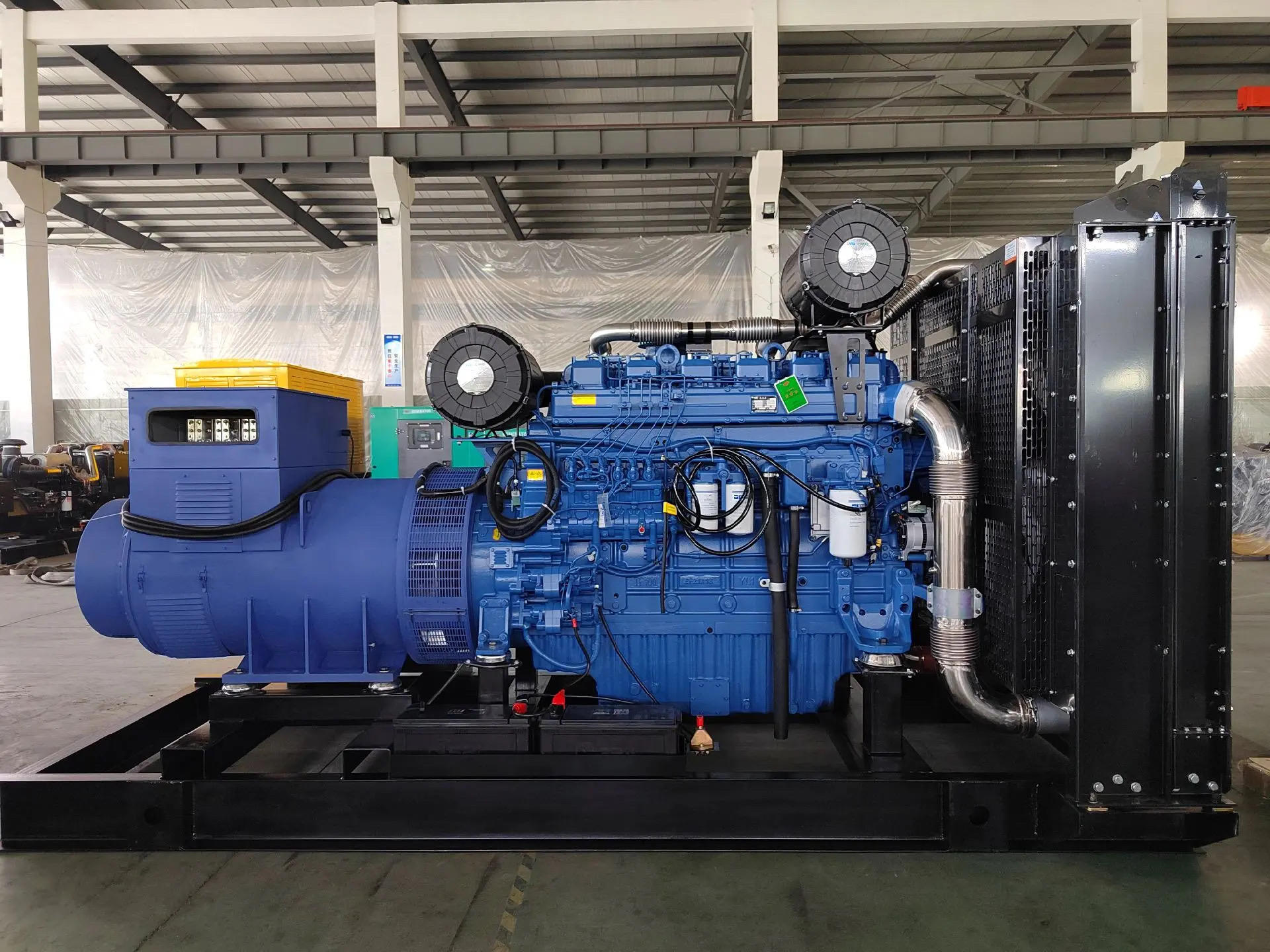
Send the analyser file, the motor list and the site tolerance to our export desk, and the reply names the alternator reactance and the frame that holds the dip. The 500kVA silent set with an ATS is the frame most enquiries start from before the motor list changes the answer. The engineering notes on site planning cover the tolerance each load type accepts. Tesla Power reads that figure on the site sheet before the plate is printed.
Frequently asked questions about genset motor starting dip
Fifteen percent at the terminals suits general plant load, and ten percent suits a hospital or a data hall where a controller may drop out. The figure is a property of the load rather than the set, so the tolerance belongs on the enquiry beside the motor list.
It reduces it in proportion to alternator kVA, provided the reactance stays the same. A larger frame with a high reactance alternator can show a deeper dip than a smaller frame with a low one, so the data sheet decides rather than the frame number. Tesla Power reads that figure on the site sheet before the plate is printed.
It lifts steady voltage and does little for the first cycle, because the capacitor supplies reactive current only after voltage has already fallen. A bank sized for power factor correction is not a starting aid, and it can worsen the transient at the moment it switches in.
Because the engine and the oil are warm, and the motor accelerates faster against a lower friction load. The difference between a 15% first start and a 9% third start is normal, and the first start is the one a frame has to be designed against. Tesla Power reads that figure on the site sheet before the plate is printed.
A short dip does not. Repeated deep dips heat the damper winding and the exciter, and a site that starts a large motor twenty times a shift accumulates that heat. The alternator data sheet states the starting duty its winding is built for.
It does not change the electrical dip directly, and it does reduce the kW the engine delivers, which matters when a motor starts on a set already near its rating. A site at 1500m gives up about 6% of engine output before the start.
Direct on line suits motors under 20% of the frame rating, and a soft starter suits the range above it. On a 1000kVA frame that boundary sits near 160kW, so an 80kW motor needs nothing and a 200kW motor needs a starter. Tesla Power reads that figure on the site sheet before the plate is printed.