
Genset overspeed trip settings decide whether a runaway engine stops or destroys itself, and the trip is the last protection in the chain. Check the specification against the governor, then compare supplier offers before the controller is set. Tesla Power writes the trip point on the card; send the governor data to the technical desk and we confirm it.
- Set the trip above the governor droop range, so a load change does not stop the set.
- Test the trip by simulating the speed signal rather than by over revving the engine.
- Check that the trip closes the fuel rack fully, because a part closed rack still burns fuel.
- Record the trip point at commissioning and repeat the test every year.
What does a genset overspeed trip protect?
It protects the engine from itself, because a diesel with an open fuel rack has no throttle to close and no ignition to cut. If the governor fails or the rack sticks, the engine accelerates until something breaks, and the parts that break are the flywheel, the coupling and sometimes the block. The trip is the only device that stops that sequence. A trip that has been bypassed to stop nuisance shutdowns is a trip that will not work on the day it is needed.
The trip is therefore a safety device rather than a control device, and it acts once rather than continuously. A trip that operates in normal service is a trip that will be bypassed by an operator who is tired of the shutdowns. Tesla Power sets the trip well clear of the working range so that a genuine load change cannot reach it, and writes the figure where an operator can see it.
Where should the trip point sit?
The trip sits above the highest speed the governor allows, which is above the rated speed by the droop and the transient allowance. A typical setting is 110% to 115% of rated speed, so a 1,500 rpm set trips near 1,650 rpm. A setting close to rated speed stops the set on every load rejection and a setting far above it lets the engine reach a destructive speed.
The setting also depends on the governor type, because an electronic governor holds speed tighter than a mechanical one and needs less headroom. A 500kVA set at 0.8 pf delivers 400kW at 1,500 rpm, and a trip at 110% sits at 1,650 rpm: 1,500 x 1.1 = 1,650. Tesla Power sets the trip from the governor curve rather than from a default in the controller menu, because a default written for one governor is wrong for another.
| Item | Figure | Note |
|---|---|---|
| Trip point, electronic governor | 110% of rated speed | Tighter control needs less headroom |
| Trip point, mechanical governor | 115% of rated speed | Droop and transient need more |
| Rack travel to the stop | Full travel | A part closed rack still burns fuel |
| Test interval | Every year | Sooner after any linkage work |
How does the trip cut the fuel?
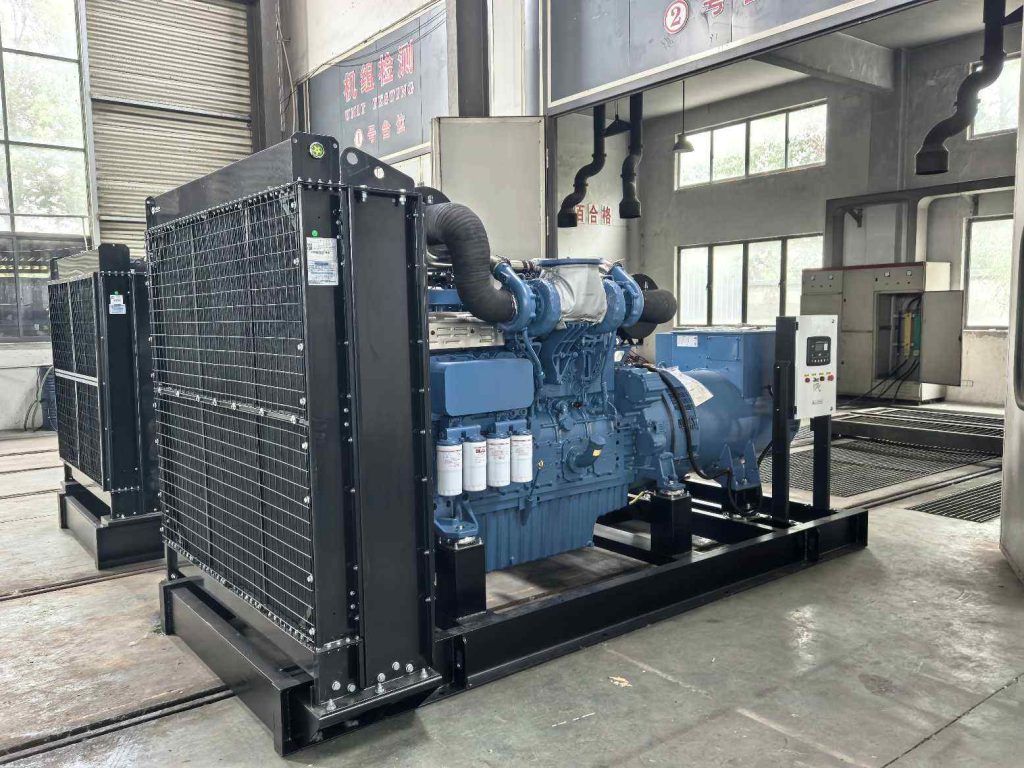
On a mechanical engine the trip operates a solenoid that pulls the fuel rack to the stop, and the engine then has no fuel at all. On an electronic engine the controller cuts the injection pulses, which achieves the same result through the injectors. Both need the rack or the injectors to be free, because a seized rack ignores the trip.
That is why the trip test includes a check that the rack moves freely, and why a set that has stood for years needs the linkage worked before it is trusted. A rack that is stiff with fuel that is 2 years old moves slowly and the engine overspeeds while the solenoid is doing its best. Tesla Power checks the linkage at every annual service and lubricates it with the maker approved product rather than with oil.
Why does load rejection cause overspeed?
A set carrying full load that loses the load in an instant has a governor that takes a moment to react, and the engine accelerates during that moment. A good governor catches the speed before the trip point, and a slow one does not. A site that sheds load regularly needs the transient response checked rather than the trip raised. A set that carries a single large motor is the worst case, because the load steps off in one piece.
The transient is worse on a set with a large block and a small alternator, because the rotating mass is high relative to the load. It is also worse when the breaker opens at a bad moment in the cycle. A trip that operates on load rejection is telling you about the governor rather than about the trip setting, and the answer is to fix the governor. Yangzhou Tesla Power records the transient on the commissioning sheet.
How is the trip tested?
Simulate the speed signal at the controller and watch the fuel rack move to the stop, which proves the electronics and the solenoid without over revving the engine. Then check the rack travel by hand with the engine stopped and confirm it reaches the stop and returns. Both halves of the test matter, because a trip that signals and does not cut fuel is worse than no trip at all.
A mechanical trip on an older engine is tested with the engine running at no load by lifting the test lever, which is a maker specific procedure and should be followed exactly. Record the speed at which the trip operates within 1%, the rack travel and the time to stop. A trip that takes more than a few seconds to stop the engine has a linkage problem. Tesla Power Equipment uses a solenoid with a stroke long enough to reach the stop on every build.
What happens after a trip?
The engine stops, and the cause has to be found before it is restarted, because a second overspeed on a warm engine does more damage than the first. Check the rack linkage, the governor actuator and the fuel system for a stuck rack or a failed seal that let fuel into the intake. A diesel that runs on its own oil has a source of oil that has to be found.
Then check the parts that saw the overspeed: the coupling, the valve train and the flywheel bolts. A set that tripped at 1,650 rpm has been stressed beyond its rating and the coupling element is the first part to show it. Tesla Power asks for the trip record and the coupling check before the set goes back into service.
What should a buyer put on the enquiry?
Send the engine model, the governor type, the rated speed and the load profile. Add whether the site sheds load and whether the set is gas fuelled, because a gas engine needs a different trip arrangement. Those six items decide the setting, and they show whether the offer has named a trip point at all.
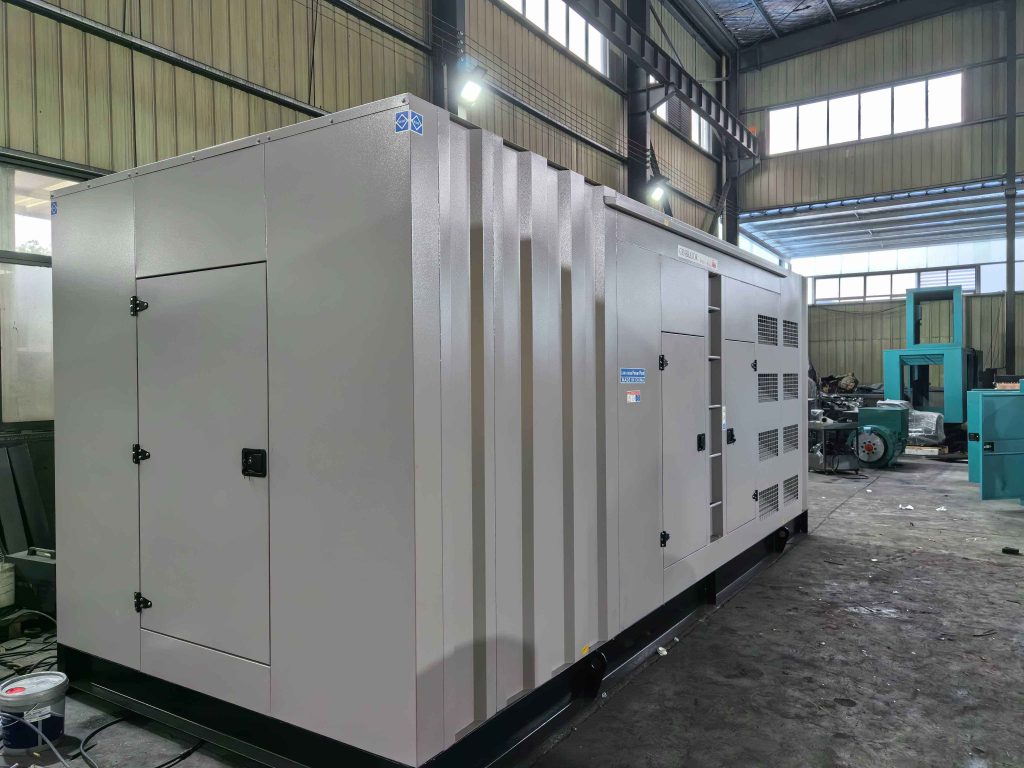
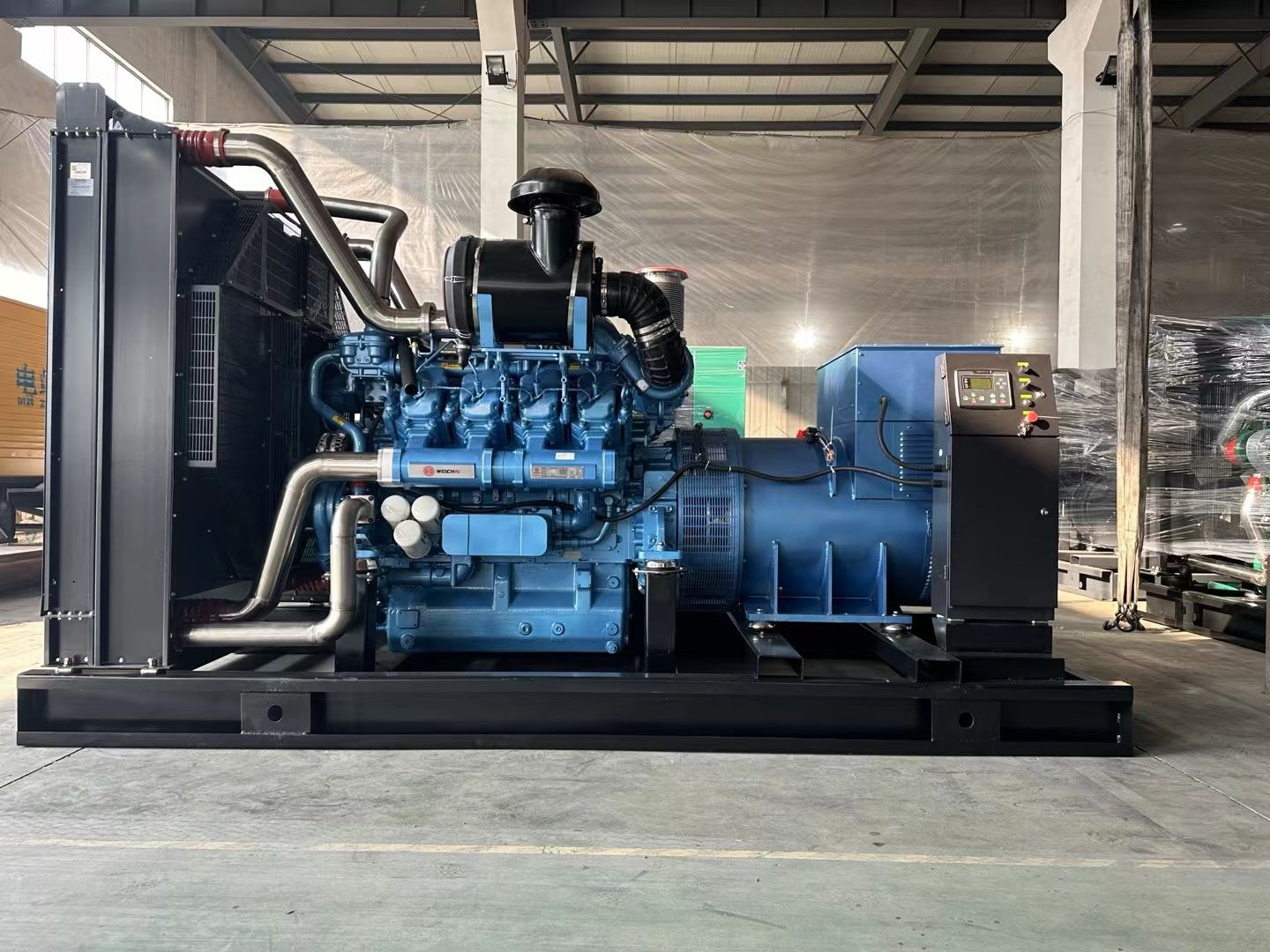
The wording on the offer matters too. Genset overspeed trip manufacturers often quote a controller default with no governor data behind it, and Chinese genset overspeed suppliers sometimes ship a solenoid with too short a stroke to reach the stop. Ask for genset overspeed trip for a gas engine, genset overspeed for a standby set and genset for a data centre as three separate cases. Tesla Power prints the trip point, and the 1000kW container build shows the rack linkage.
What does the handover file record?
The file carries the trip point, the governor type, the rack travel, the measured stopping time and the date of the last test. One page covers the protection when those five items sit under the engine serial number. Add the conformity assessment for the trip setting when the installation is part of a permit package. A trip record without the governor type beside it cannot be compared with the next test.
Hand the page to the operator who runs the annual test rather than to the buyer who placed the order. the Yangzhou factory describes the bed where the trip is proved. the commissioning notes lists the frames that ship with a mechanical trip, the build range explains how the rack linkage is freed without dismantling the pump, the ISO 8528-1 duty definitions sets the rating basis the speed comes from, and the NFPA 110 maintenance routine covers the load steps the set was accepted on.
Frequently asked questions about genset overspeed trip
It should not be, because the test puts the engine through the event it is meant to survive. Simulate the speed signal instead and check the rack travel by hand. A maker specific mechanical test is the exception, and it is done at no load with the procedure in front of you.
The governor is not catching the transient, so the speed passes the trip point before it recovers. Fix the governor response rather than raising the trip. A trip raised to hide a governor fault leaves the engine unprotected at the top of the range.
It needs the same trip plus a gas shutoff valve, because a gas engine can continue to run on residual gas in the line after the fuel valve closes. The valve is a separate device and it needs its own test. Ask for both on a gas build.
A stiff or seized rack linkage, because the solenoid does its travel and the rack does not follow. Check the linkage at every annual service and work it by hand. A linkage that moves freely by hand is a linkage that will follow the solenoid.
Within a few seconds of the trip operating, and the exact figure comes from the maker. A slow stop points to a linkage problem or to fuel still reaching the cylinders. Measure the time with a stopwatch and record it against the previous figure.
It needs a supply that survives the event, which usually means the battery rather than the alternator. A trip that depends on the alternator stops working at the moment the engine overspeeds. Check the supply arrangement on the drawing. Tesla Power wires the trip to the battery side of the isolator.