
Genset peak shaving duty runs a set in parallel with the mains to trim the highest part of the demand curve, and the rules below show how the cycle count and the ramp rate decide the machine. Tesla Power writes that schedule for each order, so the engine hours and the savings land on the same page as the grid protection.
- Count the starts and the run hours per day, because a shaving set earns its keep through repeated light cycles rather than through one long outage.
- State the ramp rate the controller has to follow, since a set that loads at 5% per second follows a different tariff curve from one at 20% per second.
- Check the parallel protection on the 500kVA silent set with the ATS option, where the synchronising relay sits beside the main breaker.
- Write the tariff into the enquiry, because the shape of the peak decides the set far more than its height does.
What does genset peak shaving duty ask of a machine?
It asks a set to start against a live grid, match its frequency and phase, close a breaker and carry a load for a few hours, then shed and stop, and to repeat that every working day. None of the individual events is hard; the repetition is. A standby set might start twice a year, and a shaving set starts twice a day, so the two orders need different engines and different service files.
The load itself is lighter than the frame suggests. A set used for shaving rarely runs above 70% of its rating, because the grid supplies the base and the set only trims the peak. The wear therefore comes from cycles and from the thermal swing between idle and load, not from sustained full power.
How do the cycle count and the tariff shape the choice?
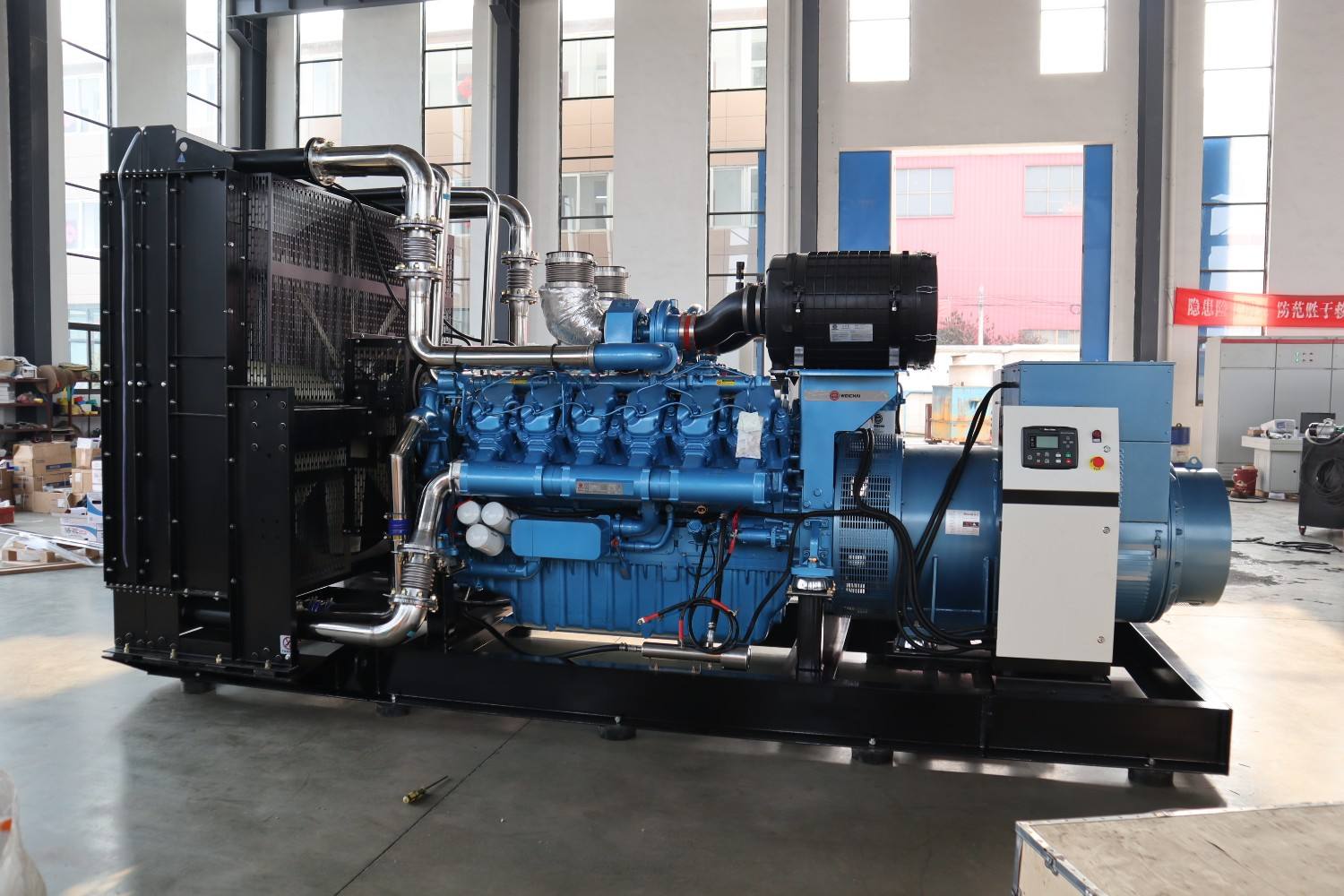
The tariff shape decides how often and how long the set runs. A site with a one hour morning peak and a one hour evening peak runs the set four times a day including the starts and stops. A site with a flat industrial tariff may run it for a single six hour block. The first needs an engine rated for many starts, and the second needs one rated for continuous light load.
The cycle count is the number a buyer forgets to write down. Two starts a day, five days a week, is about 500 starts a year, and 500 starts a year puts a set on a different service interval from a standby machine that starts 12 times. The service file and the warranty both read that number, so it belongs on the enquiry rather than in the fine print.
| Duty pattern | Starts per day | Hours per year | Engine it suits |
|---|---|---|---|
| One morning peak | 2 | About 600 | A standard prime engine |
| Morning and evening peaks | 4 | About 1200 | A prime engine with a short service interval |
| Flat daytime block | 1 | About 2000 | A prime rated engine, lightly loaded |
| Weekend standby only | Under 1 | Under 200 | A standby engine is enough |
Which rating class fits a shaving machine?
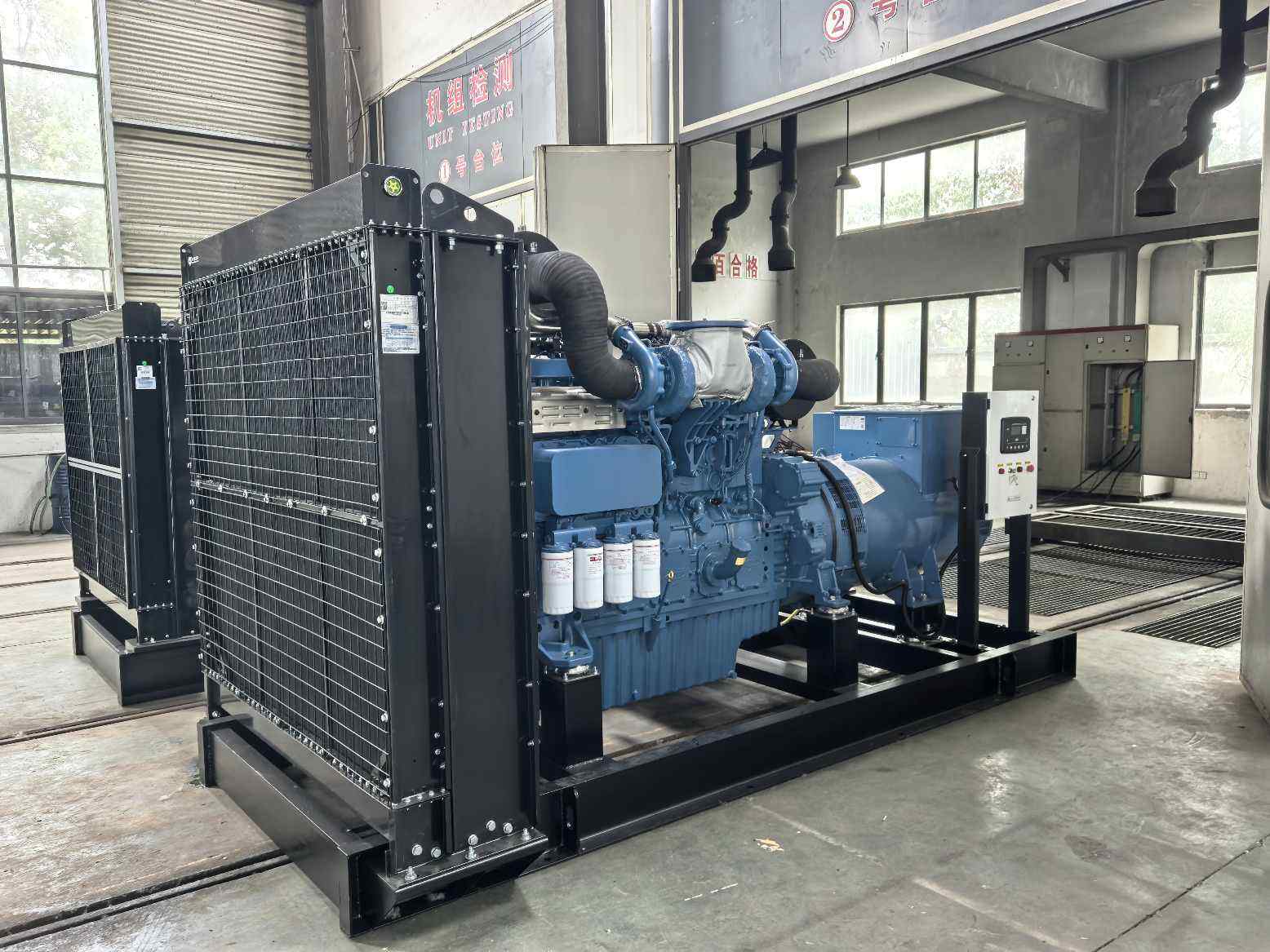
A prime rating fits most shaving sets, because the machine runs with a variable load for an unlimited number of hours a year. A continuous rating fits a flat daytime block, where the set runs at a constant level through the peak. A standby rating does not fit, because a standby machine is not built for hundreds of starts a year and its service file shows it.
The distinction matters on the plate. A set sold as standby and run as a shaving machine reaches its hour cap inside a season and voids the warranty schedule, and the failure mode is not dramatic. It is a gradual loss of compression and an oil analysis that worsens faster than the book expects, which is exactly the kind of wear a warranty claim is refused over.
How fast does a shaving set have to ramp its load?
The ramp rate follows the tariff, not the machine. A set that trims a steep industrial peak needs to add load at 20% of rating per second, and a set that trims a slow morning rise can manage with 5% per second. The controller sets the rate, and the engine meets it, so the question is whether the chosen engine can accept a fast ramp without smoking.
A 625kVA frame at 0.8 power factor carries 500kW, and a 20% per second ramp is 100kW added every second, which is a hard step for a cold engine. A slower 5% ramp is 25kW per second and is gentle. Where the tariff rewards speed, the engine needs a fast governor and a light flywheel, and the offer should name both.
Which grid protections does parallel duty demand?
Three protections do most of the work, and they are not optional on a set that closes onto the mains. The reverse power relay trips the set if it starts motoring against the grid. The vector shift relay trips it if the grid loses a phase and the set is left holding a dead bus. The over and under frequency relays trip it outside the band the grid operator requires, and the settings come from the utility rather than from the supplier.
The protection study is the part of a shaving order that buyers underprice. A set that shaves at the wrong settings can island a section of the network, which is a utility's worst case rather than a nuisance. Tesla Power Equipment asks for the utility's connection conditions before the switchgear is quoted, and the answer changes the relay list.
How does a shaving set behave when the grid fails?
Two paths exist, and the order has to pick one. The first is a seamless transfer, where the set drops its grid connection and picks up the site as a standby machine, which needs a static switch or a fast transfer scheme and costs the most. The second is a black start, where the site goes dark for a few seconds while the set re-establishes the bus and the load is restored in stages.
Most shaving sites take the second path and accept the break, because the point of the set is to save money on the peak rather than to hold the site through an outage. A site that also wants the set as emergency power is a different order, and the two duties should be written as separate lines so the switchgear is priced once for each.
What does light load do to a shaving engine?
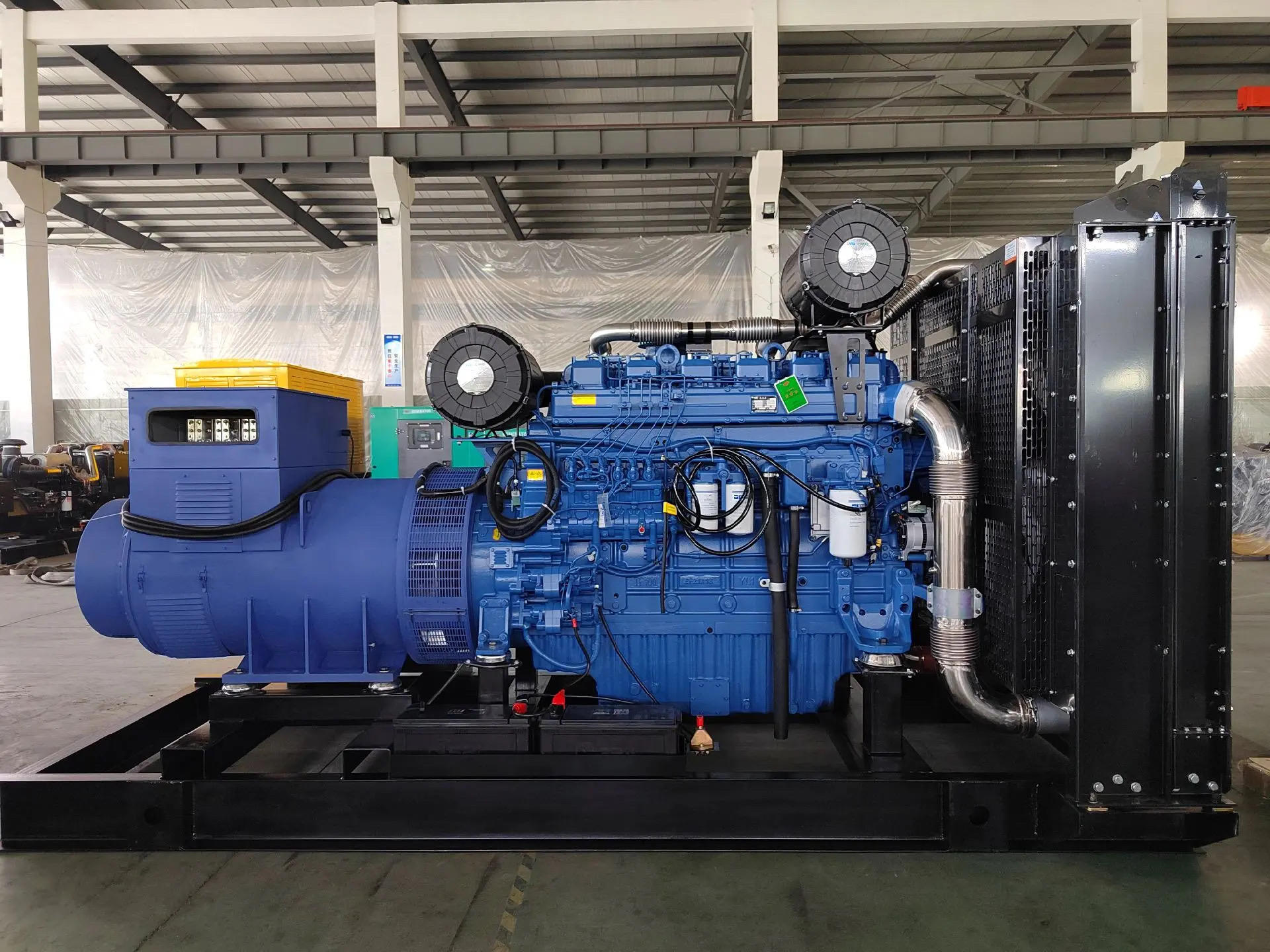
Light load is the quiet killer of a shaving engine. A set that trims only the top 100kW of a 500kW frame runs at 20% for most of its cycle, and a diesel engine at 20% does not reach the cylinder temperature that burns the fuel cleanly. Unburnt fuel and soot build in the exhaust and on the rings, and the machine wears faster at light load than it would at 70%.
The fix is a smaller frame or a load bank exercise, and the choice is economic. A 300kVA frame shaving a 100kW peak runs at 40% and stays healthy, while a 625kVA frame on the same duty needs a weekly loaded run to clear itself. Where the site can afford the exercise, the larger frame works; where it cannot, the smaller frame is the honest answer.
How is the saving calculated and is it worth the set?
The saving is the difference between the tariff paid at the peak and the cost of running the set for that hour. On a site paying a peak charge of 12 cents a kilowatt hour and burning diesel at 22 cents a litre, a set making 3.2kWh per litre costs about 7 cents a kilowatt hour to run. The spread of 5 cents across a 500kW peak for 600 hours a year is a saving worth having.
The arithmetic changes with the service cost. Add an oil change every 250 hours and an overhaul at the cycle the maker states, and the set needs to run enough hours to earn back its own maintenance. A site that shaves for 150 hours a year rarely does, and a site that shaves for 2000 hours usually does. The number belongs in the business case before the order, not after it.
- Calculate the saving per kilowatt hour as the tariff spread minus the fuel cost.
- Add the service cost per hour and the overhaul reserve to the running figure.
- Compare the result with the finance cost of the set before deciding the frame.
Where does the shaving schedule belong in the order?
On the load schedule, as a table of starts per day, hours per year and ramp rate, with the tariff peak shape beside it. The supplier then quotes an engine rated for that duty and a controller set to that ramp, and the offer can be compared with a second one. A quotation that names only the kW has not answered the question the duty asks.
Chinese genset suppliers quote a frame against the peak kW unless the enquiry states the cycles, and the difference between two offers then sits in the service file rather than in the price. The engineering notes on site planning cover the schedule a shaving site should write, and the ISO 8528-1 rating definitions name the classes the two offers should carry.
Which records prove the set shaved rather than just ran?
Three do. The controller log shows the start and stop times and the kilowatts carried in each block, which is the saving in black and white. The utility bill shows the peak the site was charged, and the two together show whether the set trimmed it. The service file shows the hours and the oil samples, which is where the hidden cost of the duty appears.
Keep the three in one file, because a shaving set is judged over a year rather than over a month. Yangzhou Tesla Power writes the schedule onto the offer, and the factory and the test bay runs the ramp test at the quoted rate before the set leaves. The 1000kW container build for standby duty is exercised on the same ramp.
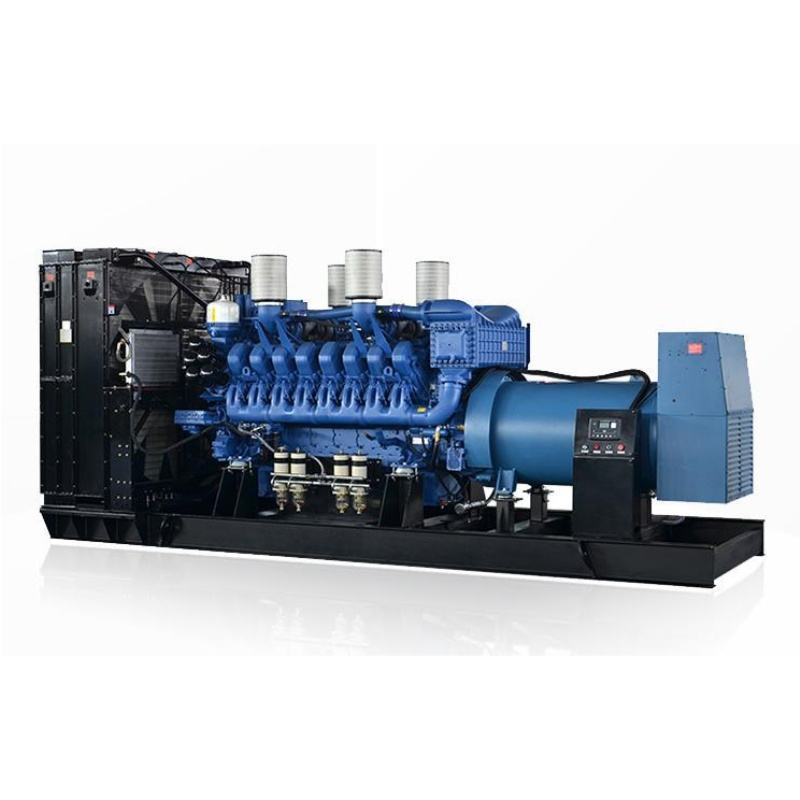
Conformity assessment for the assembly reads the protection settings against the utility conditions, and a gap there stops the connection rather than the shipment. Send the tariff shape and the cycle count to our export desk and the reply carries the engine class and the ramp rate. Tesla Power Equipment also states the service interval the duty implies.
Frequently asked questions about genset peak shaving duty
It is not, in most cases. A standby set is built for a few starts a year, and a shaving set starts hundreds of times. The plate should read prime or continuous, and the service file should match the duty.
Between 600 and 2000 on a typical site, against under 200 for a standby set. The figure follows the tariff shape, and a flat daytime block pushes it toward the top of the range.
Whatever the tariff rewards, and the engine will accept. A fast 20% per second ramp suits a steep peak and needs a fast governor, and a slow 5% per second ramp suits a gentle one and is kinder to a cold engine.
It does, along with vector shift and frequency relays, because a set that closes onto the grid has to be pushed off it cleanly when the grid fails. The settings come from the utility rather than from the supplier.
Because a diesel engine at 20% load does not reach the temperature that burns fuel cleanly, and soot builds in the exhaust. A weekly loaded run clears it, and a smaller frame avoids the problem.
It can, and the two duties should be written separately so the switchgear is priced once for each. The emergency duty adds a black start path that the pure shaving case does not need.
Few state it unless the enquiry asks, and the ones who do quote an engine and a service file against it. A supplier who quotes only the kW leaves the duty open.
From the controller log against the utility bill, kilowatt hour by kilowatt hour, and over a year rather than a month. Tesla Power keeps both in the order file for that reason.