
Genset radiator cap rating sets the boiling point of the coolant and the pressure each hose on the loop must hold. Check the specification against the radiator neck, then compare supplier offers before the order is fixed. Tesla Power stamps the rating on the drawing; send the loop sketch to the technical desk and we confirm it.
- Match the cap rating to the radiator neck the factory fitted, not to a catalogue default.
- Read the stamp on the cap itself before ordering a spare, because caps look alike.
- Test the cap on a pressure bench at every major service and log the release figure.
- Keep one spare cap on the shelf, since a weak cap looks like a failed water pump.
What does a genset radiator cap do?
The cap seals the radiator neck and holds the loop under pressure, and that pressure lifts the boiling point of the coolant well above the atmospheric figure. A loop held at higher pressure runs hotter before it boils, so the radiator and the fan can be sized for the real site ambient. The cap also carries a vacuum valve that lets air back in as the engine cools.
Two figures sit on the cap: the pressure it holds and the vacuum it releases. Both matter, because a cap that holds pressure but cannot release vacuum collapses a bottom hose on cooldown. Tesla Power prints the rating on the radiator drawing, so a replacement is ordered against the build rather than against the engine model. A cheap part decides an expensive failure mode, and the cap sits at the top of that list.
How is the cap rating matched to the loop?
Start from the pressure the radiator and the hoses were built for, then pick the cap that releases just below that figure. A cap rated above the hose rating turns a warm day into a burst hose, because the weakest part of the loop becomes the relief. Neck depth matters as well, since a deep cap on a shallow neck does not seal at all. Measure the neck before ordering the part.
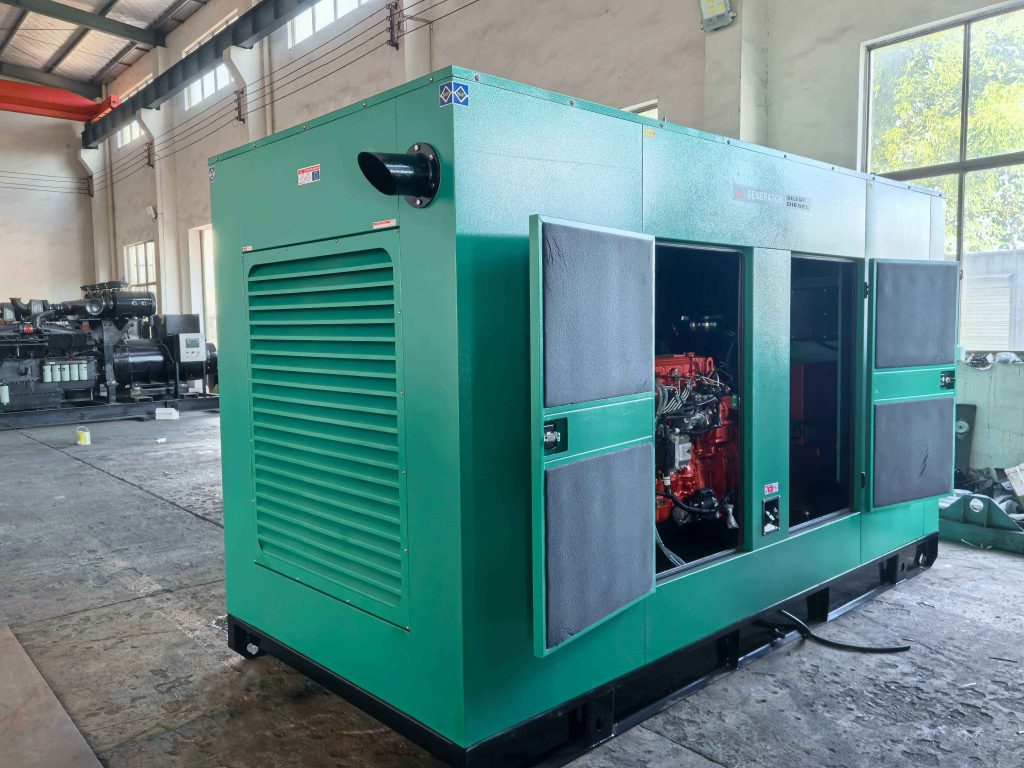
Loop volume changes the answer on a large set. A short run from radiator to engine holds little coolant and reaches the release point quickly, while a long remote run holds more and absorbs the same heat with a smaller rise. Tesla Power reads the loop drawing before it picks a cap, and the 500kVA silent set with ATS changeover shows the neck and the recovery bottle on an export build.
| Loop type | Cap rating | Release point |
|---|---|---|
| Short run, engine mounted radiator | 0.9 bar | 120 °C at sea level |
| Long remote run with header tank | 0.5 bar | 111 °C at sea level |
| High altitude site above 1,500 m | 0.9 bar | 114 °C on site |
| Tropical ambient, glycol fill | 1.2 bar | 134 °C at sea level |
What boiling point does each cap rating give?
At sea level water boils at 100 °C, and each 0.1 bar of pressure adds roughly 1.5 °C to the figure. A 0.5 bar cap therefore holds near 111 °C, a 0.9 bar cap near 120 °C, and a 1.2 bar cap near 126 °C. Those figures assume clean water, so a glycol mix moves every number upward. A dirty loop moves them the other way.
Altitude works the other way. At 1,500 m the atmospheric boiling point falls to about 95 °C, and a cap that was adequate at sea level then releases earlier in the climb. Sites in the Andes or on the Highveld need the loop checked against the local pressure rather than the datasheet figure. Tesla Power asks for the site altitude on the enquiry for that reason, and the answer often changes the radiator rather than the cap.
Why does a weak cap cause an overheat at load?
A cap with a tired spring releases below the figure stamped on it, and the loop then boils at a temperature the radiator was not asked to handle. Steam displaces coolant, the pump loses its prime, and the temperature climbs in a way that looks exactly like a blocked core. The gauge tells the story if you watch it fall after the cap lifts. A blocked core keeps climbing.
The same symptom appears when the cap seal hardens and passes pressure slowly. The loop then runs at part pressure for weeks and boils on the first hot afternoon at full load. Tesla Power Equipment replaces cap and seal together at every service above 500 h, because a seal that has hardened once will harden again. It is a five minute job that removes a whole failure class.
How is a cap tested in the workshop?
Fit the cap to a hand pump with the correct neck adaptor, bring it up slowly and read the pressure at which it releases. A cap stamped 0.9 bar that lifts at 0.6 bar is scrap. Hold it at 80% of the stamp for a minute and watch for a slow drop, which means the seal is passing. Note the release figure rather than a pass mark.
Then test the vacuum side by pulling a slight negative pressure and confirming the valve opens. Yangzhou Tesla Power runs both tests on every cap that leaves the test bay, and the build range explains how the same test is repeated on site with a borrowed pump. A cap that passes the pressure test but fails the vacuum test still collapses a hose, so run both. The bench takes four minutes per cap.
Which cap suits a remote radiator or a tank?
A remote radiator carries the same cap, but the loop now includes a long pipe run and often a header tank, so the cap belongs on the highest point of the system. An expansion tank with its own cap uses a lower rating on the tank and a blanking cap on the radiator, which keeps one release point in the loop. Two live caps in one loop fight each other and one of them weeps. Draw the loop before you choose.
Heat to coolant is worth a figure here. A 500kVA set at 0.8 pf delivers 400kW of shaft power, and about a third of the fuel energy leaves through the jacket and the oil cooler, so the loop carries a heavy load: 500kVA x 0.8 = 400kW. Size the cap for the loop that carries it, not for the set alone.
What should a buyer put on the enquiry?
Send the radiator drawing, the site altitude, the coolant mix and the hose pressure rating. Those four items let a supplier pick a cap without guessing, and they also expose a quotation that has copied a rating from a catalogue. Ask for the release figure in bar rather than a colour code on the cap. A colour code is a local convention, not a specification.
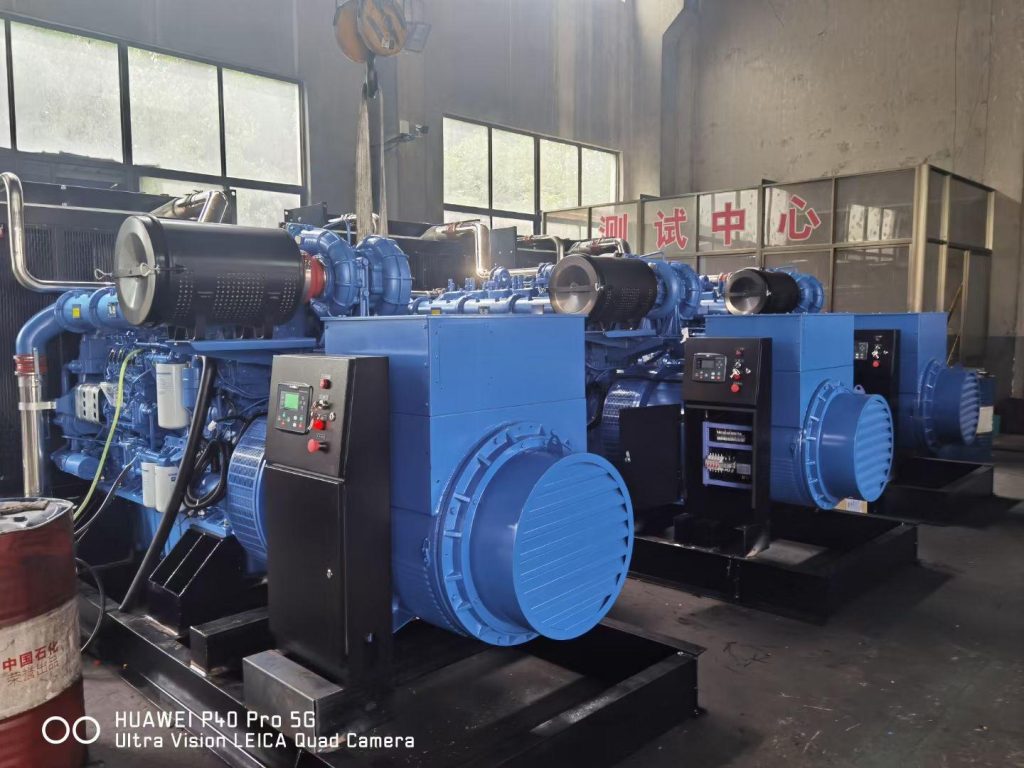
The wording on the offer matters too. Genset radiator cap manufacturers in China often quote a cap by thread size alone, and Chinese genset radiator suppliers sometimes ship a 0.5 bar cap on a loop built for 0.9 bar. Ask for genset radiator cap for the coolant loop, genset radiator for a remote mount and genset for a high altitude site as three separate cases. Tesla Power lists the rating on the drawing, and the 1000kW container build shows the arrangement. Ask for the genset radiator cap documentation for export with the order.
What does the handover file record?
The file carries the cap rating, the neck type, the coolant mix, the release figure from the bench test and the site altitude the loop was checked against. One page covers the system when those five items sit together under the engine serial number, and that page is what a service technician asks for first. Keep it with the coolant schedule rather than in the commercial folder.
Hand that page to the technician who services the set rather than to the buyer who placed the order. The cap page sits beside the coolant schedule in the same folder, and the Yangzhou factory describes the bench where the cap is proved. the commissioning notes lists the frames that ship with a remote radiator option, the ISO 8528-1 duty definitions sets the rating basis the loop was sized against, and the NFPA 110 maintenance routine covers the load steps the set was accepted on.
Frequently asked questions about genset radiator cap
Only up to the rating of the weakest part of the loop, which is usually a hose or the radiator core. A cap above that figure turns the hose into the relief valve. Read the hose rating before you fit a cap with a higher stamp, and write both figures on the loop drawing.
A weak vacuum valve lets the loop pull a partial vacuum on cooldown instead of drawing coolant back from the recovery bottle. The level then sits low and the next start runs the top of the radiator dry. Replace the cap before you start looking for a leak.
A 50% glycol mix raises the boiling point by roughly 8 °C at the same pressure, so the loop has more margin than a water fill. It also lowers heat capacity, which changes how fast the temperature climbs. Keep the cap rating and adjust the coolant mix instead.
Replace it at the same interval as the coolant, which on most export sets means every two years or 4,000 h. A cap that has been off and on twenty times has a compressed spring. Write the change on the engine record so the next technician knows the age.
You can run with the cap loose to the first notch, which lets the loop vent without spraying the operator. Do not run with the neck open, because the coolant boils at the atmospheric figure and the pump cavitates. Get a correct cap fitted before the set returns to standby duty.
A cap that releases early lets steam reach the sensor, and the gauge then swings rather than climbs. A steady high reading points to the radiator or the fan, while a swinging reading points to the cap or the coolant level. Tesla Power adds both checks to the commissioning sheet.