
Genset transformer starting is the surge a set sees when it energises a transformer from a dead bus, and this calculation shows how the surge decides more frames than the transformer rating does. Tesla Power works the inrush case on every order that feeds a step down unit and states the figure beside the alternating current rating in the quotation.
- Read the inrush as a multiple of transformer rating rather than as a load, because 8 to 12 times for 0.1 to 0.3 seconds is a step no governor sees.
- Check the alternator reactance, since the surge is met by impedance rather than by fuel.
- Compare the answer with the 500kVA silent set with the ATS option, where the alternator is chosen for the step as well as the running load.
- Write the energisation sequence into the transfer scheme, because closing the transformer breaker before the set is stable is the usual cause of a trip.
What does genset transformer starting ask of a set?
It asks for a current far above anything the set delivers in normal service, and it asks for about a fifth of a second. A transformer switched onto a live bus draws a magnetising current that can reach ten times its rated current, because the core saturates on the first half cycle before the flux settles. The alternator meets that demand by collapsing its terminal voltage, and the depth of the collapse decides whether the set rides through or trips.
The power factor during the surge is close to zero, because the current is almost pure magnetising current, so the engine is asked for almost no torque while the alternator is asked for everything. The engine plays no part in the first 200ms, because its governor needs about 300ms to move the rack and the inrush is over before the fuel arrives. That is why a set that carries the running load can still fail on energisation.
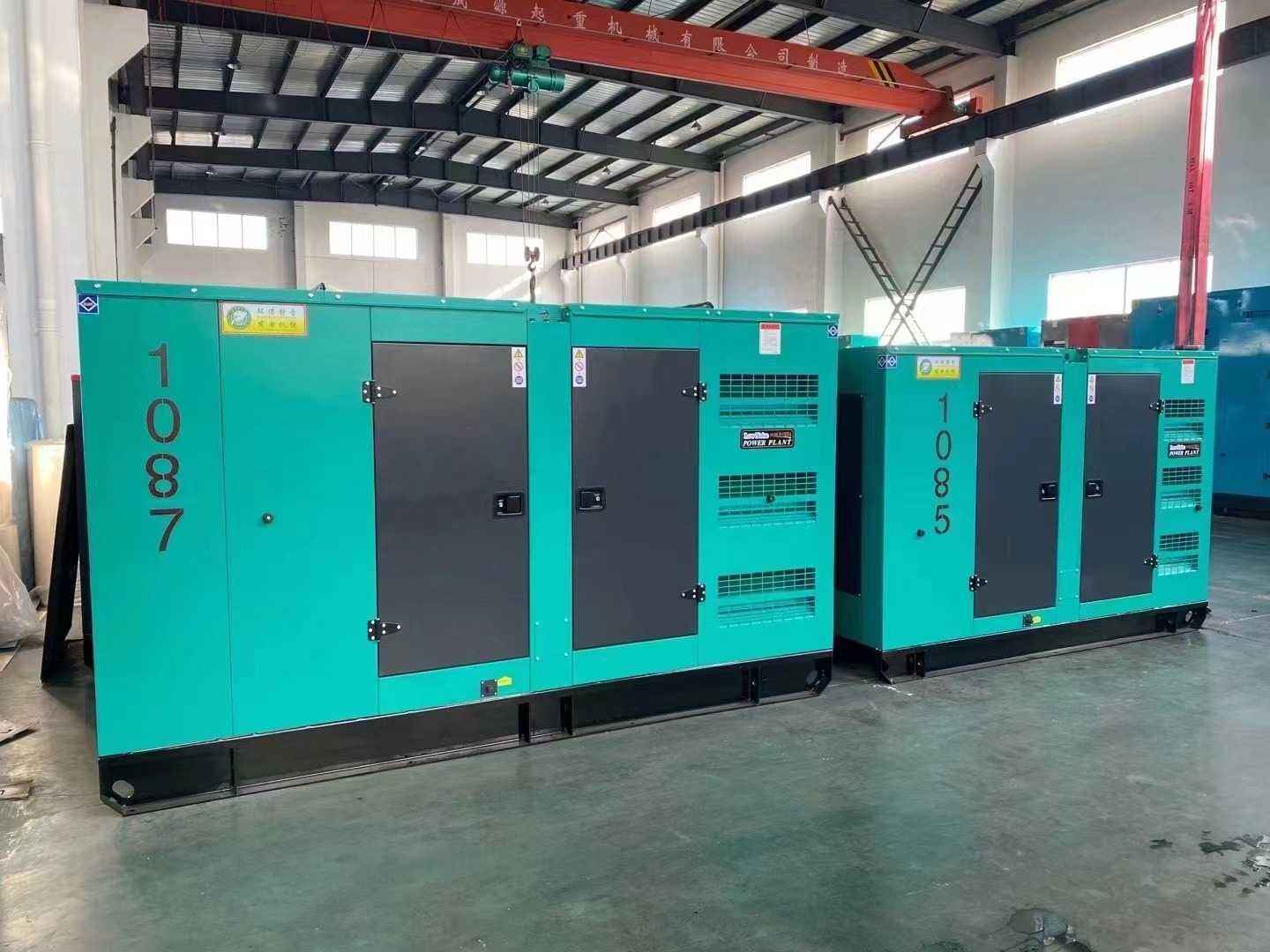
How large is the inrush and how long does it last?
Between eight and twelve times the transformer rated current, decaying over 0.1 to 0.3 seconds, with the worst case on the half cycle where the core saturates hardest. The peak depends on the point on the wave at which the breaker closes, so the same transformer can show 6 times on one close and 12 times on the next.
The duration is set by the transformer rather than the set. Genset transformer starting for a plant room with a 300kVA unit is a 0.2 second case, which is the length that separates a ride through from a trip. A small unit with a low resistance winding decays in 0.1 seconds, and a large unit with a laminated core can hold its surge for 0.3 seconds. A set rated for a 0.1 second step and asked for a 0.3 second one sees the voltage stay down long enough for contactors to drop out, and the drop is the whole failure on an otherwise sound machine.
| Transformer rating | Running current at 400V | Inrush current | How long it holds |
|---|---|---|---|
| 100kVA | 144A | About 1440A | 0.1 second |
| 200kVA | 289A | About 2890A | 0.1 to 0.2 second |
| 300kVA | 433A | About 3900A | 0.2 second |
| 400kVA | 577A | About 5200A | 0.2 to 0.3 second |
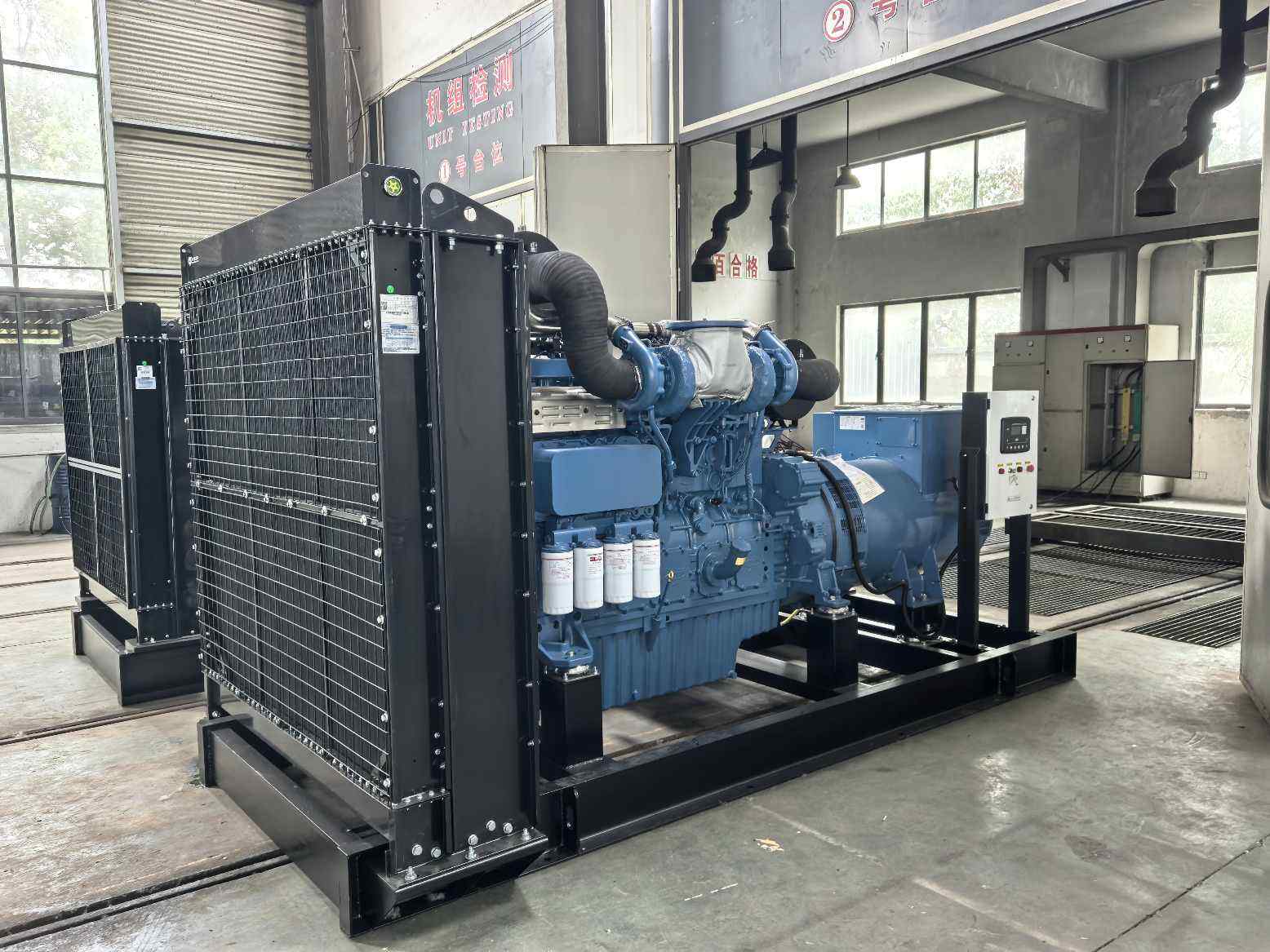
Why can a 550kVA set fail on a 300kVA transformer?
Because the surge is not the transformer rating; it is nine times that figure for a fraction of a second. A 300kVA transformer draws 433A when it runs, and about 3900A on the first half cycle of a close. That is 4.9 times the 794A a 550kVA set delivers, and the alternator supplies the difference through its own impedance.
Work the divider. 3900A ÷ 794A = 4.9 per unit of current, and 4.9 × 0.12 = 0.59 on an alternator at 12% subtransient reactance, so the terminal voltage falls to 41% of rated before the surge decays. That sits well under the 70% at which most contactors drop out, and the set trips on undervoltage rather than on overload.
- A transformer under 200kVA energises comfortably from a 550kVA set in most cases.
- A 300kVA unit sits at the limit, and the answer depends on the reactance figure.
- A 400kVA unit on a 550kVA set needs a controlled close or a larger frame.
Which alternator figure decides whether the set rides through?
The subtransient reactance, quoted as a percentage on the data sheet, and the short circuit ratio beside it. A 550kVA alternator at 8% reactance holds a shallower dip than one at 14% at the same rating, and the gap is enough to change the answer on a 300kVA transformer. The short circuit ratio sets the sustained current the machine delivers while the surge decays.
Two machines of the same kVA and very different reactance are common in the export market, and the price gap between them is smaller than the gap between two frame sizes. That is the trade a buyer should see on the comparison sheet, because a frame changed for reactance costs less than one changed for kVA, and the dip improves without a larger engine.
What does a controlled close do for the surge?
It closes the breaker at the point on the voltage wave where the core flux starts from zero, which cuts the inrush by half or more. A controlled close relay measures the residual flux and picks the target point, and on a 300kVA transformer it can bring a 9 times surge down to 4 times. Tesla Power fits it when the breaker closing time is stable enough to hold the target. The set then rides through on an alternator it already has, and the frame stops being the deciding part of the answer.
The device costs about the same as one frame size on a 550kVA set and less on a 1000kVA machine, and it needs a breaker with a stable closing time to work. On an existing switchboard with a slow breaker the relay cannot hold its target and the surge returns, which is why we ask for the breaker make and model before recommending one.
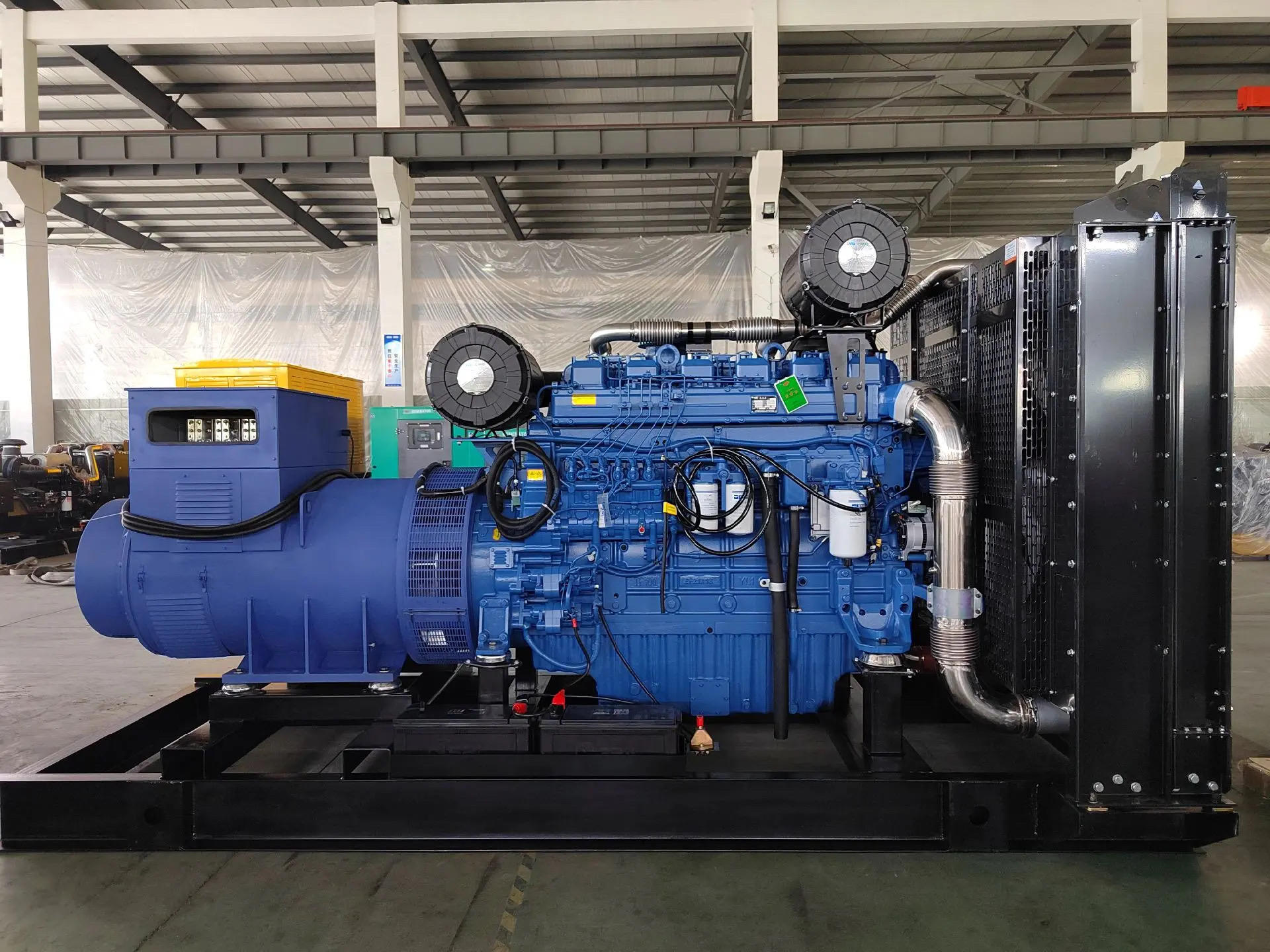
How does the load already on the bus change the answer?
It makes the dip deeper, because the transformer surge is added to a bus that is already loaded. A set at 40% load has 60% of its capacity and most of its excitation margin available, and a set at 75% has very little of either. Tesla Power writes the sequence to keep the transformer close first for that reason. The same transformer that energises cleanly on an unloaded set can trip one that is already carrying the plant.
That is why the sequence matters more than the frame on a site with a transformer. Genset transformer starting for the hospital site is written into the transfer scheme, since the imaging transformer has to close before the plant downstream. Energise the transformer first, on a set with no other load, and close the plant downstream once the bus is stable. Where the sequence cannot be changed, the frame has to be sized for the loaded case, and the offer carries the larger alternator for that reason.
Which measurement proves the surge on site?
A recording at the set terminals, triggered on the transformer breaker close, sampling every half cycle for at least two seconds. The trace should show the pre-close voltage, the trough, the time to recover and the frequency dip that follows. A clamp meter read after the event shows the recovery and hides the trough, which is the figure that decides.
Take the record twice, once on a cold transformer and once after a short outage. Tesla Power takes both on the first visit, because the second close is the one a warm core decides. A warm core holds residual flux, and the second close can be deeper or shallower depending on where the wave sits. The worst of the two is the design case, and a site that records only the first close has half the evidence.
What does the transformer data sheet have to state?
Four lines. The rated kVA, the impedance voltage, the no load current and the core construction. The impedance voltage sets the running voltage drop, the no load current gives a floor for the magnetising demand, and the core construction tells an engineer whether the inrush will decay quickly or hold. A data sheet with only the kVA leaves the surge to be assumed.
The winding connection matters as well. Tesla Power reads the connection diagram beside the rating, because the two decide the case together. Genset transformer starting in a delta primary differs from a star one, and the connection diagram decides which multiple an engineer assumes. A delta wound primary presents a different inrush from a star wound one, and a unit with a tapped primary can show a larger surge on the tap the site happens to use. We ask for the connection diagram with the rating, and the two together decide the case.
Where does the energisation case belong in the order?
On the load schedule, as a separate line from the running load, with the transformer rating, the assumed multiple and the duration. The offer then carries an alternator chosen for both, and the test sheet carries a step that reproduces the surge. A quotation that names only the running load has not addressed the case at all.
Chinese genset suppliers rarely test a transformer close in the bay unless the order asks, and the test is easy to arrange with an inductive bank and a breaker. The engineering notes on site planning cover the sequence a site should write, and the ISO 8528-5 transient limits give the envelopes the record is read against, and the ISO 8528-1 rating definitions fix the reference both offers should name.
What do buyers get wrong about transformer starting?
The first error is sizing the set on the transformer kVA plus a margin, which ignores the multiple entirely. The second is assuming a soft start on the transformer, which does not exist in the way it does for a motor, though a controlled close does the same job. The third is energising the transformer with the plant already on the bus, which turns a manageable surge into a trip.
The fourth is more subtle. A buyer reads the recovery time from a controller log at one second resolution, sees a 300ms event, and concludes there was no dip. The event is real and the resolution hid it, and the next close on a colder morning trips the set with no record to explain it. Most genset manufacturers would ask for the half cycle trace for that reason.
- Record at half cycle resolution, triggered on the breaker close.
- Energise the transformer before the plant, not after it.
- Keep a controlled close in reserve for the case the frame cannot cover.
Which records settle an energisation argument at handover?
Three do. The offer with the transformer case on it, the factory test with an inductive step at the assumed multiple, and the commissioning trace from the first close on site. Where the third is deeper than the second, the difference is the load on the bus or the transformer, and the comparison shows which. The same frame appears in the 400kW frame on the Weichai WP13 platform, where the plate states the same basis.
Keep the transformer data sheet with them, because a unit changed on site invalidates the case. Yangzhou Tesla Power writes the transformer rating and the assumed multiple onto the offer, and the factory and the test bay runs the inductive step on the same bank it uses for motor starts. The 1000kW container build for standby duty carries the case on its schedule.
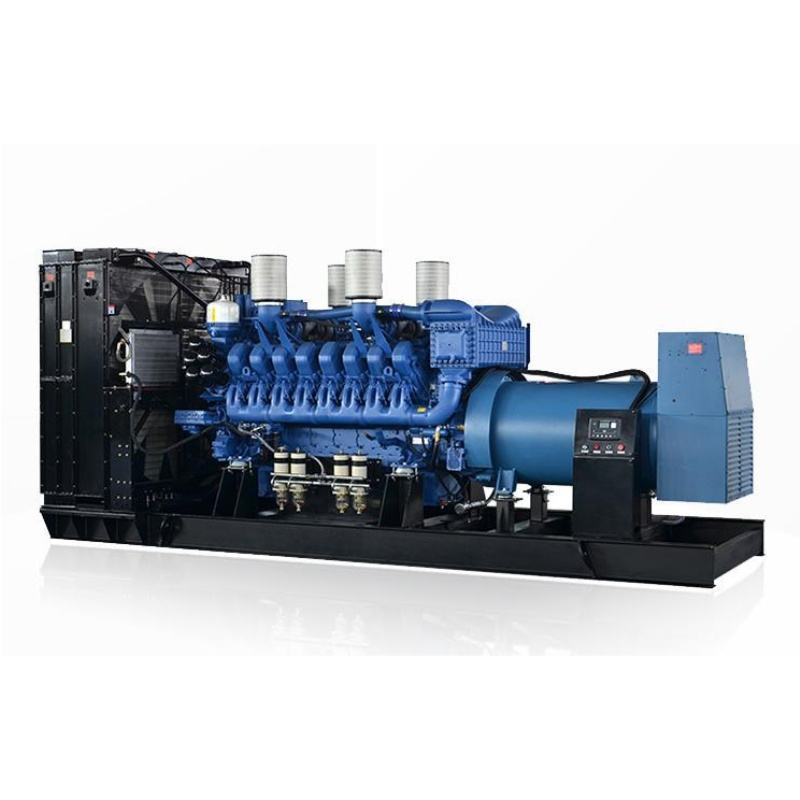
Conformity assessment for the assembly reads the alternator reactance against the transformer case, and a mismatch there is a file problem rather than a site problem, settled before the set ships. Send the transformer data sheet and the load schedule to our export desk and the reply names the alternator and the sequence. Tesla Power Equipment also states the multiple it assumed, so a second supplier can be compared on the same basis.
Frequently asked questions about genset transformer starting
As a working figure, a transformer of about a sixth of the set rating energises without a controlled close. A 550kVA set handles a 100kVA unit comfortably, sits at the limit near 300kVA, and needs help above that.
It can, if the breaker has a magnetic setting low enough to read the surge as a fault. A generator breaker set for the running current with a short time delay rides through a surge the instantaneous element would trip on.
Because the core holds residual flux from the first close, and the point on the wave at which the breaker closes decides the peak. The difference between two closes on the same transformer can be a factor of two.
Not in the way it is fitted to a motor. A controlled close relay does the equivalent job by choosing the closing point, and it works on a breaker with a stable closing time.
It matters less than the core construction for the peak, and more for the running voltage drop. A high impedance unit drops more voltage under load and can hold a surge for longer.
Twenty percent for most plant, and ten percent where a drive or a controller is on the bus. The figure belongs on the enquiry beside the transformer rating. Tesla Power writes it on the schedule.
It behaves the same way and with a smaller surge, because the ratio is near unity and the core is smaller. A 1:1 unit of the same kVA shows a shorter surge than a step down unit.
With an inductive bank switched onto the bus as a single step, sized to the multiple the transformer will draw. The trace is recorded at half cycle resolution and filed with the plate record.