
Diesel generator warranty terms decide who pays when a set fails, so the schedule should name the months, the running-hour cap and the exclusions. Tesla Power writes those three lines into every offer, and the steps for comparing two schedules run from the hour cap to the records you keep after handover, before you request a quotation.
- Read the period as months and as running hours, then take the shorter of the two.
- Match the hour cap to the duty, because a standby site and a prime site reach it at very different dates.
- Check the exclusions against the site: fuel quality, overload and missed service sit in most disputes.
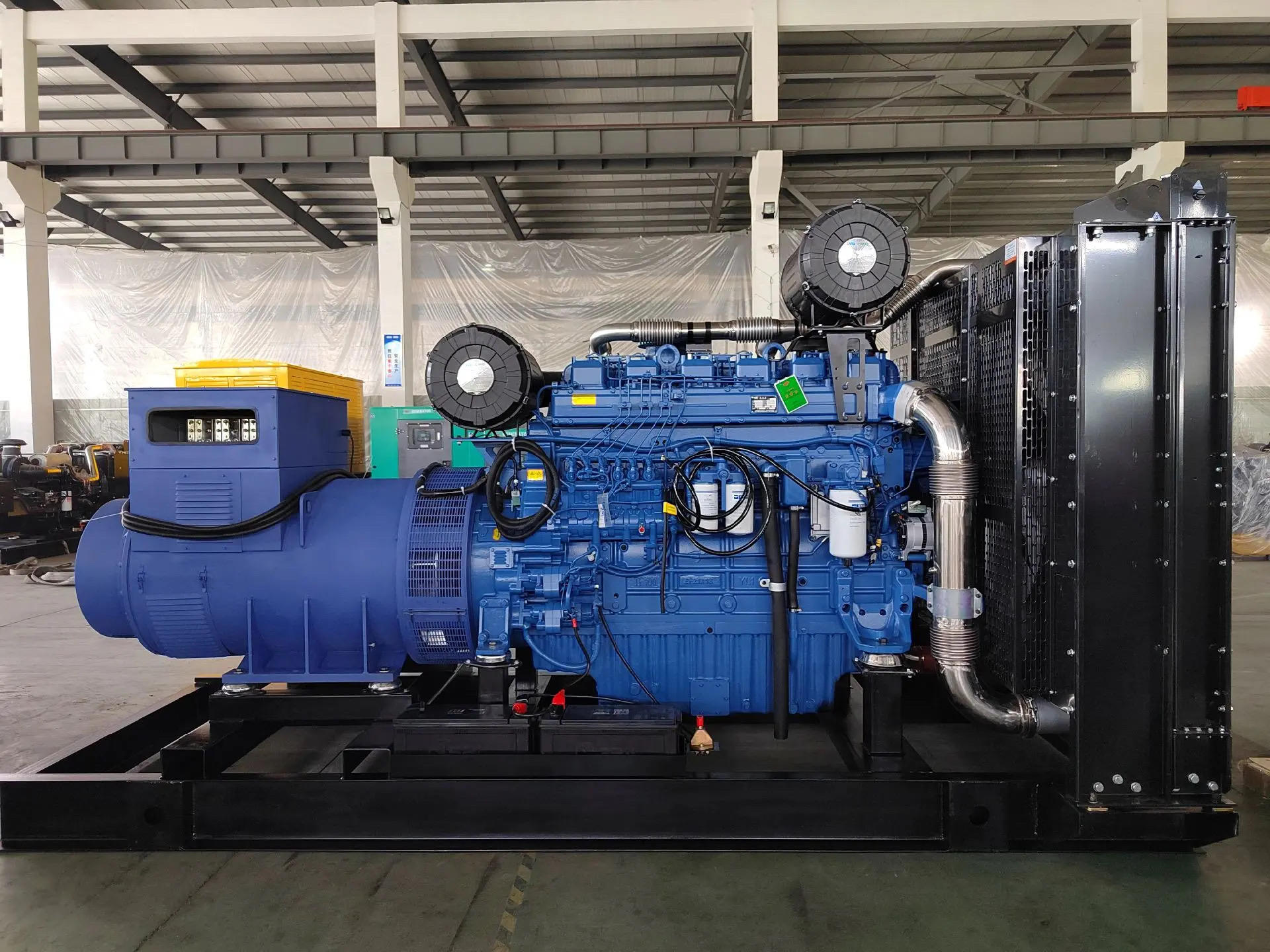
- Ask for the schedule beside the 500kVA assembly with the control panel fitted, so the rating and the cover are read together.
- Keep the unit test sheet, because a claim without it starts at a disadvantage.
What do diesel generator warranty terms actually cover?
The schedule covers a defect in the packaged assembly that appears inside the term. It does not cover wear parts, damage caused at the site, or a failure that follows from running the set outside the rating on its plate. Those three exclusions account for most disputes at the claim stage.
What sits inside the term is narrower than buyers expect. A gasket that weeps at 300 hours is a defect; a gasket that weeps after five years in a container is a condition of storage. The schedule should say which of the two it treats as covered, in words, rather than leaving the answer to the claim.
Does the cover follow the engine or the whole assembly?
It follows the assembly as tested. The engine, the alternator, the control panel and the wiring between them were assessed as one product, so a claim on a control module is a claim on the same file as a claim on the alternator. Parts added at the site sit outside it.
Which period decides the term, months or running hours?
The shorter of the two decides, which is why the hour cap matters more than the calendar on a working set. A schedule written as 24 months or 2,000 hours ends at whichever arrives first, so a set that logs 250 h a month is out of cover inside eight months. The arithmetic is not hidden: 2,000 h / 250 h = 8 months.
Most export schedules are written as 12 or 24 months with a cap of 1,000 to 2,000 running hours, and the cap is the line a buyer should test against the site profile. A standby set that logs 40 hours a year reaches the calendar end first, while a prime power site running 6,000 hours a year passes any cap inside four months. Tesla Power prints both figures on the same line for that reason.
- Calendar term in months, with the start date named.
- Running-hour cap, and whether the meter starts at the factory test.
- Which of the two ends the cover, written as whichever comes first.
Write the start date down as well. A term counted from shipment can lose six weeks to transit and customs, and a term counted from commissioning starts when the site is ready rather than when the set was paid for.
How is the running-hour cap counted?
From the hour meter, which is why the reading at handover belongs in the file. A meter that begins at the factory test has already turned through the load bank run, so ask for the reading at dispatch and the reading at commissioning, then compare the two. A meter replaced in the field needs the change recorded.
What voids a claim in practice?
Three site conditions end cover more often than any other: overload beyond the rating class, fuel that sits in the tank too long, and a service interval the site extends. Each leaves a trace a technician can read, which is why a claim turns on records rather than on argument. A fourth, storage in a damp room, shows as surface corrosion on the alternator windings before the set ever runs.
Overload shows in the exhaust colour and on the injector tips. Fuel that has stood for a year shows in the filter and on the tank walls. A missed oil change shows in the sample, and the sample is the document that decides the case. Photographs, meter readings and the service book carry as much weight as the failure itself, and a site that keeps all four keeps its position when the claim is opened.
- Fuel quality: sulphur, water content and the age of the batch.
- Load profile: hours above the rating and hours below 30% of it.
- Service book: intervals, oil analysis and the technician's name.
The service intervals for an export set are the cheapest part of the file to keep and the part Tesla Power reads first when a claim is opened.
How is a failure proven to be a product fault?
The proof is a sequence, not an opinion. The unit test sheet shows the set met its rating at the factory, and the diesel generator quality records for export travel with it. The commissioning record shows it met the rating at the site, and a US project usually files the NFPA 110 emergency power requirements beside it. The failure report shows what changed between the two, and the oil sample or the strip-down photographs place the cause.
A manufacturer reading that sequence looks for one thing: whether the set was running inside its rating when it failed. A set that failed at 110% of the prime rating is a different case from one that failed at 60%, and a load logger settles the question faster than any discussion about the part.
Send the sequence as one file. The commissioning record is the middle link, and a claim that skips it usually comes back with a question about the load at the moment of failure.
What does a claim file need?
Four items: the serial number, the meter reading at failure, the service history and a description of the load at the time. A fifth item, the failed part itself, is kept rather than discarded, because a strip-down report is written from the part and not from a photograph of it. Tesla Power Equipment asks for all five before a strip-down is booked.
Which clauses differ most between two offers?
The differences sit in four clauses, and each one moves risk from the seller to the buyer or back again. Exclusions, the hour cap, the response time and the spare parts list are the lines to compare side by side, because a longer term with a narrow exclusion can be worth less than a short term with a wide one.
Response time is the clause buyers read last and use first. A schedule that promises a reply in 48 hours but no part inside a month costs a site more than a schedule that answers in a week and ships a part in three days. Ask for the reply and the dispatch figures in writing, then compare them with the site's own tolerance for a stopped set, which is usually measured in hours rather than days.
| Clause | What to compare | Why it decides a claim |
|---|---|---|
| Term | 12 or 24 months, with the start date | Transit and customs can eat six weeks |
| Hour cap | 1,000 or 2,000 running hours | A prime site reaches the cap first |
| Exclusions | Fuel, overload, missed service, storage | Most disputes sit in these four |
| Response | Reply time and part dispatch time | A stopped site counts hours, not days |
| Spares | Which parts ship with the set | A filter on the shelf is a day saved |
Read the table with the rating class beside it. A set sold for standby duty with a 500-hour cap and a set sold for prime duty with a 2,000-hour cap are not offering the same cover, even when both schedules say 24 months, and the same 400kW frame carries a different cap on each duty. Tesla Power writes the cap and the duty class into the same paragraph of the offer for that reason.
How should the schedule treat the rating class?
Cover should follow the rating class rather than the frame size. A diesel generator for standby duty carries a defined annual hour limit under the ISO 8528-1 rating class, and a schedule that ignores it writes cover for hours the rating itself does not allow. The class printed on the plate is the class a claim is read against.
The worked figure is simple. Take a 400kVA set at 0.8 power factor on standby duty: 400kVA × 0.8 = 320kW, so 2,000 hours at that load is 320kW × 2,000 h = 640,000 kWh. A standby site logging 40 hours a year needs fifty years to reach that figure, which makes the hour cap decorative on that duty and the calendar term the only line that bites.
- The rating class on the plate, and the annual hours it allows.
- The hours the site expects in a year, taken from the load profile.
- The cap that results, written into the schedule as a number.
A diesel generator for prime power duty turns the same arithmetic around. One that runs 6,000 hours a year passes a 2,000-hour cap inside four months, so the cap ends cover well before the calendar does. Yangzhou Tesla Power states the class beside the term for that reason: the two figures only mean something together.
What does storage do to a warranty position?
Storage is where a share of export claims begin. A diesel generator in a damp container collects moisture in the windings and loses its fuel to oxidation, and both faults are visible before the first start. The schedule should say what the buyer must do during storage, and for how long the position holds.
The list is short. Turn the engine over on the starter every month without letting it fire, keep the batteries on a maintenance charger, and fill the tank at the end of storage rather than the start. Fuel that has stood for a year belongs in a waste drum, not in the day tank, and a first start on old fuel is the event that turns a storage problem into a claim. A 400kW frame stored under a tarpaulin outdoors needs the same checks as one in a warehouse.
The pre-shipment inspection record is what proves the condition at dispatch, and it is the document a storage dispute is argued from. Photograph the panel, the hour meter and the fuel cap on the day the set lands.
Which spares and response terms belong beside the warranty?
A schedule without a spare parts list leaves the site waiting on a part that may be common or may be unique to the frame. For a diesel generator for export, the list should name the filters, the belts, the water pump seal, the AVR and the control module, and it should say which of them ship inside the container with the set.
- Filters, belts and the coolant hose set for the first 1,000 hours.
- AVR and control module, the two items that stop a set dead.
- Injectors and the fuel lift pump, held at the regional warehouse.
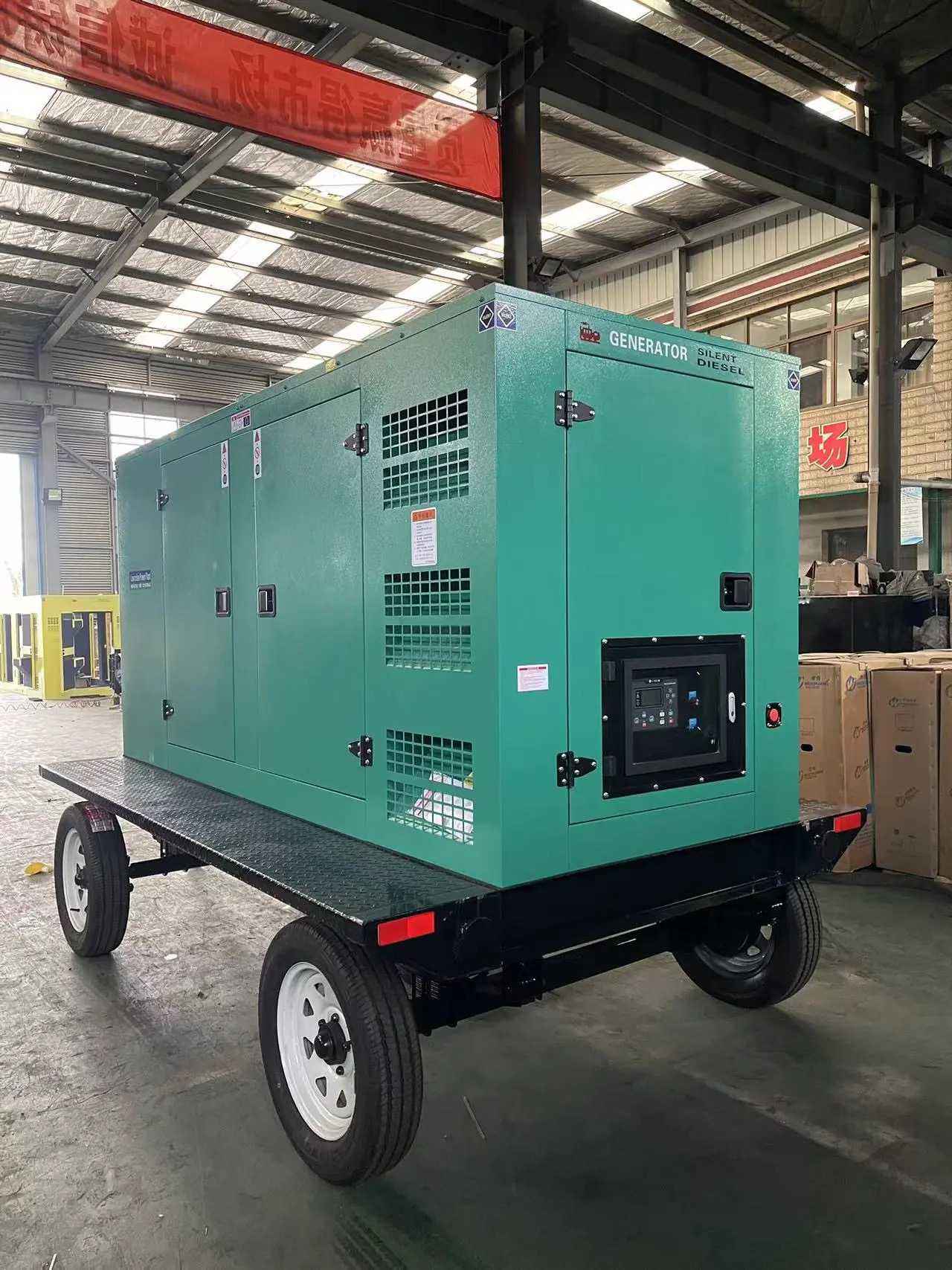
Response terms should name two clocks: the reply and the dispatch. A reply inside one working day is a service standard; a part on a truck inside three days is what the site needs, and the dispatch time is the figure to write down. Tesla Power Equipment lists both on the offer, because a site that knows the dispatch time can plan a hire set while it waits.
The engineering notes on service planning set out the list held for export orders, and the same list is the one to compare against a second offer.
What should the RFQ ask a supplier?
Four questions settle most of it. The duty class, the hours the site expects, the start date of the term and the spares the offer will carry. A supplier who answers all four can be compared with another; a supplier who answers with a term in months alone cannot.
- Duty class and the annual hours the site expects.
- Term in months and the running-hour cap, with the start date named.
- Exclusions, and the documents a claim has to carry.
- Spares list, reply time and part dispatch time.
Chinese diesel generator suppliers often quote a term without the cap, which makes two offers look alike when they are not. Most diesel generator manufacturers will put the cap on the first page on request, and that answer separates two offers faster than the price does. The diesel generator documentation for a claim sits behind those four lines.
Tesla Power answers those four items inside the offer. Send the load profile and the duty class to our export desk before the schedule is written, because the cap depends on both.
Frequently asked questions about diesel generator warranty terms
Only when the exclusion list is narrow. A 24-month term that excludes fuel faults, storage and overload can cost a site more than a 12-month term that covers them, because the failures that happen sit inside those exclusions. Compare the exclusions before the months.
It can, and the schedule should say so. A meter that begins at the factory run has already turned through the load bank test, so a buyer should ask for the reading at dispatch and the reading at commissioning, then subtract the two to see the hours the term has already absorbed.
No. Filters, belts, injector nozzles and batteries are consumables, and a schedule that lists them as covered is writing a service contract rather than a warranty. What the schedule should do is name the interval at which each one is replaced, so the site can price the routine work.
Cover usually depends on storage conditions, and the schedule should state them. Moisture in the windings and oxidised fuel both begin inside the first months, so a set held in a damp container needs the checks the schedule lists, and a first start on old fuel puts the position at risk in most files.
Only with written agreement, because an unauthorised repair usually ends the claim on that assembly. A site that needs a set running over a weekend should ask for the repair to be authorised in advance, with the parts named, rather than fit a pattern part and argue about it afterwards.
The unit test sheet and the service book together, because one shows the condition at dispatch and the other shows what happened after. Tesla Power issues both with the set, and the pair turns a dispute into a technical question. A claim with neither becomes a commercial negotiation, and the site loses a month either way.