
A generator for construction site work must run long shifts, not just emergencies, so the nameplate rating has to be prime power, not standby. Tesla Power's engineering team sizes jobsite sets from 30kVA to 500kVA against the tool list, so a manager can compare a rental against a purchase before the crane arrives.
- Read the load list as running watts, not starting watts, and add the inrush for the largest motor.
- Pick a prime-power rating, not a standby rating, because the set runs most of the day.
- Confirm the emissions tier the jobsite permit requires before you choose the engine.
- Plan the fuel tank and the cable run before the set is dropped on site.
Why does a jobsite generator run on prime power, not standby?
A standby set is built for a few hours a month and a lower thermal margin, while a construction site generator runs eight to ten hours a day under load. Running a standby-rated set at prime duty overheats the windings and shortens the engine life, so the specification has to name prime power for any set that carries the site for a full shift. A 500kVA silent diesel generator set rated for prime duty holds the load through a long day without the thermal derate a standby unit would show.
The duty class also changes the service interval. A prime set needs oil and filter changes on a running-hour clock, not a calendar one, because the hours accumulate fast on a build. Tesla Power logs the same readings on every jobsite offer and builds the load list with the contractor, so the set arrives already matched to the shift rather than guessed from a catalogue figure that suits the factory.
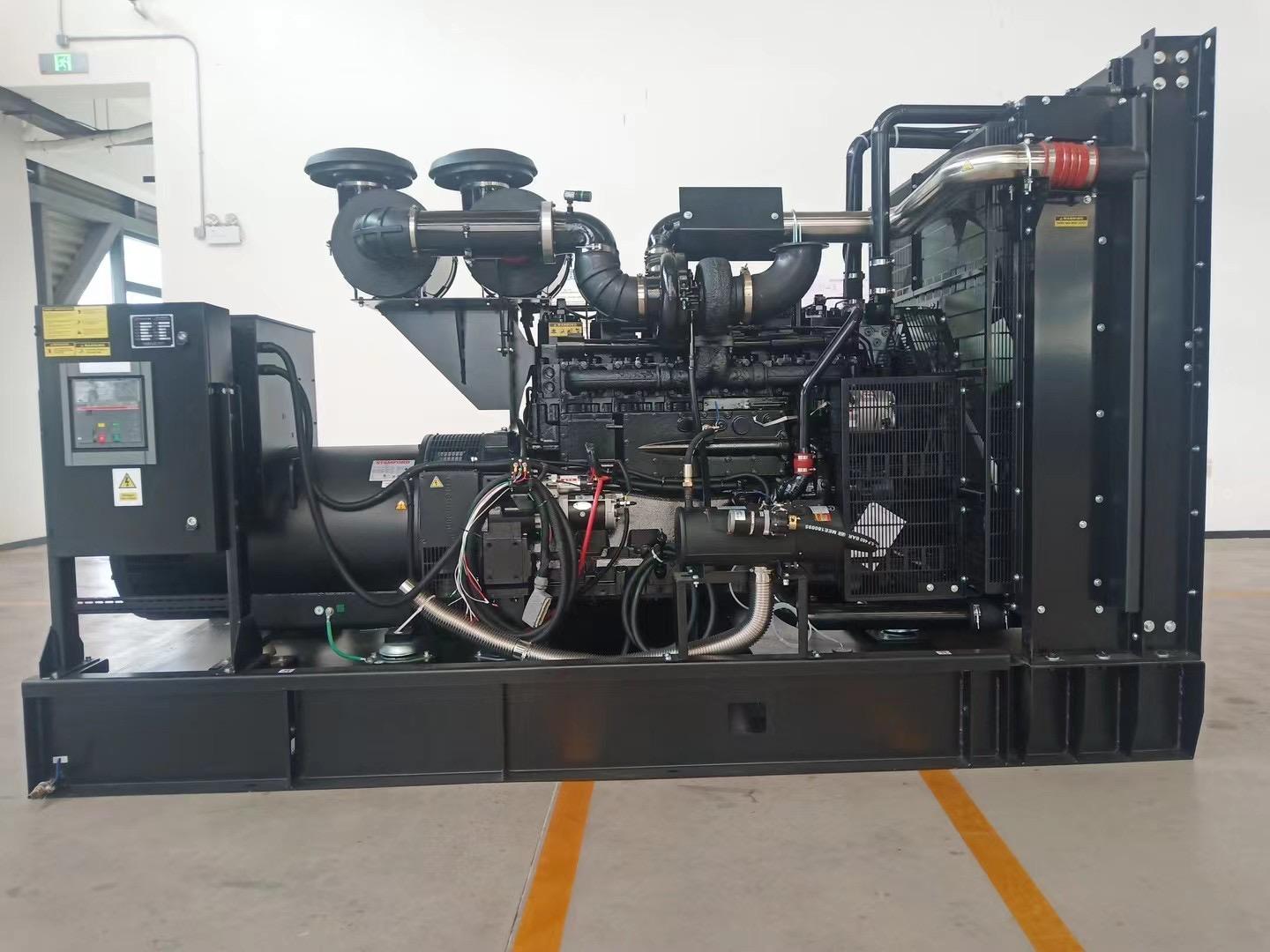
What load list fits a generator for construction site?
Most Chinese generator for construction site manufacturers quote a prime rating, but the load list still decides the size, and it has to be written as running watts per circuit, not a single peak number. A site with a 30kVA welder, a 20kVA mixer, 10kVA of offices and 10kVA of floodlighting pulls about 70kVA continuously, yet the welder's arc strike adds a short inrush the set must absorb. Our diesel generator maintenance checklist lists the readings the operator should log each shift so the set stays on its prime rating.
Resistive loads such as heaters and floodlights add steady load without inrush, while motor loads add both running and starting surge. China generator for construction site suppliers often bundle the enclosure and tank, which helps the site plan but does not change the surge math. Tesla Power builds the load list with the contractor and applies a 1.25 factor to the largest motor, so the set carries the surge and the load at the same time without tripping the breaker.
How do emissions tiers change the engine choice on site?
A generator for construction site for remote builds can run an earlier emissions tier, while a set inside a city permit boundary usually needs Tier 4 final. A Tier 4 final set carries a particulate filter and a reduction catalyst, so it costs more and needs a different exhaust service than a Tier 2 set. The full text of the EPA nonroad Tier 4 page sets the limits a jobsite set must meet where the rule applies.
A set that only runs on a remote mine or a rural road job may fall outside the tightest tier, which lets the buyer choose a simpler engine. The trade-off is noise and smoke, not just paperwork, so most city builds land on Tier 4 final. Tesla Power Equipment quotes both options on one offer so the contractor can see the permit cost against the engine cost before committing to the rental. Custom generator for construction site builders offer the same enclosure choice, and both routes clear the permit.
What does a typical site power plan look like in numbers?
Take a small build with a 30kVA welder, a 20kVA mixer, 10kVA of site offices and 10kVA of floodlighting. The running total is about 70kVA, and the welder's arc strike adds a short surge the set must absorb without tripping. A 100kVA set at 70kVA running load leaves the headroom a second tool needs on a growing build.
| Load | Running kVA | Start surge kVA | Net set size |
|---|---|---|---|
| Welder | 30kVA | 55kVA | 100kVA prime |
| Mixer | 20kVA | 50kVA | |
| Site office | 10kVA | 10kVA | |
| Floodlighting | 10kVA | 10kVA |
An open versus silent set choice sits next to the numbers, because a remote build can use an open frame to save cost. Tesla Power checks the margin on every offer and applies a 1.25 factor to the largest motor, so the set carries the starting surge and the running load at once without a voltage dip. A generator for construction site for the shift should size the tank to the shift, not the day, which is a second planning line the table does not show.
How does the noise limit shape the enclosure choice?
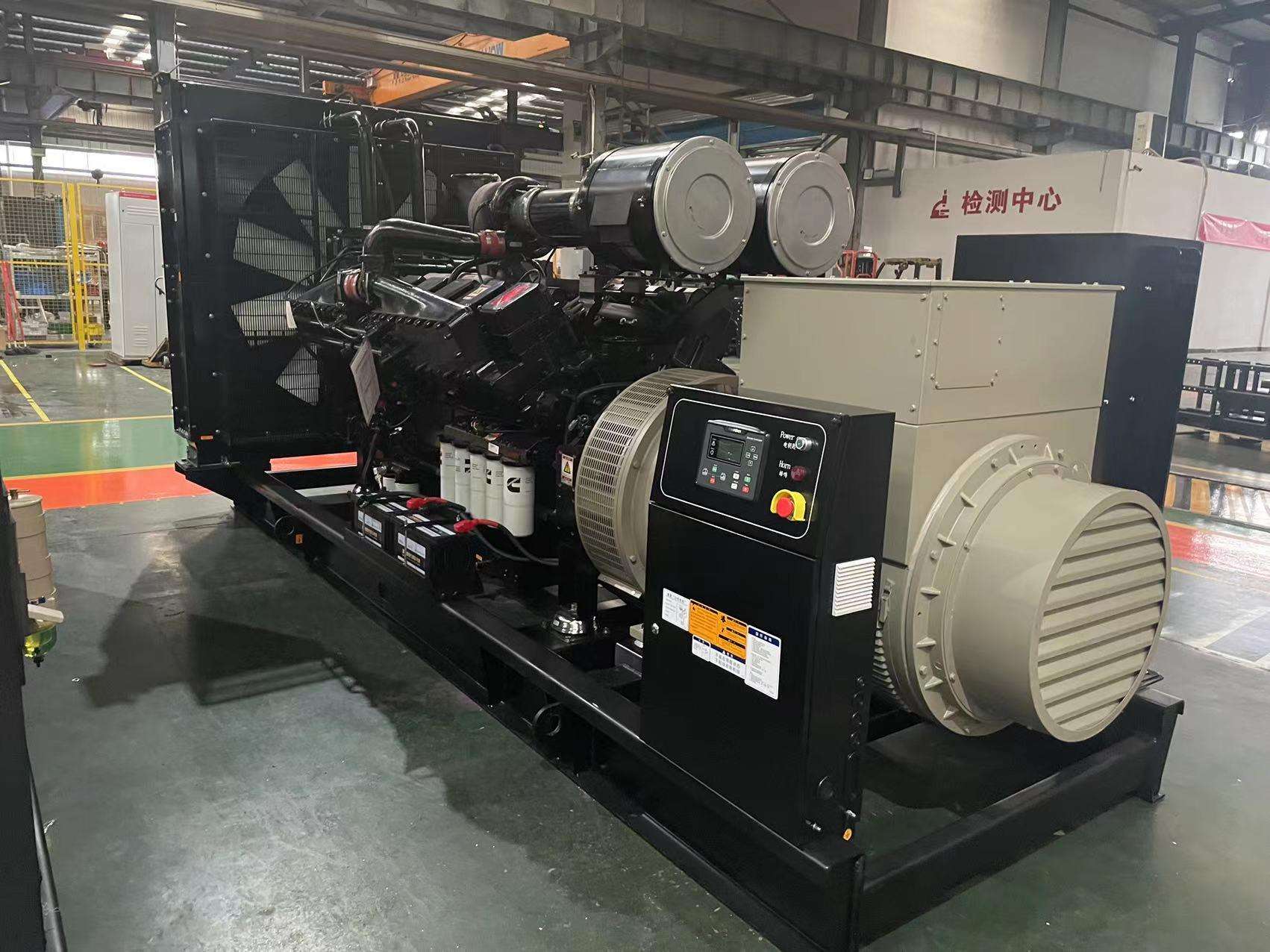
Most city jobsite permits cap a generator for construction site in city permits at 70 to 75 dB(A) at seven metres, and that single number decides between an open frame and a silent enclosure. An open-frame set is cheaper and easier to cool, but it fails the noise limit on a downtown build, so the contractor pays for the enclosure whether the set is bought or rented. A silent diesel generator set meets the limit and avoids a stop-work order that costs more than the box.
The enclosure also traps heat, which pushes the ambient temperature up and adds a small derate on hot days. That is a second reason to size with margin: the silent set loses a little output to its own box, and the load list should absorb that loss before the set is ordered. Yangzhou Tesla Power sizes silent sets with that derate built in, and the prime versus standby note covers the duty class the enclosure assumes on a long shift.
What fuel and cable plan keeps the site running?
A jobsite set burns roughly 0.25 litres of diesel per kVA per hour at half load, so a 100kVA set at 70kVA uses about 17 litres an hour and a 500-litre tank gives a full shift plus reserve. The tank size sets the refuel frequency, and a run-out stops the whole site, so the plan should size the tank to the shift. Our factory build notes cover the base-tank options we offer for jobsite duty, and the refuel should fit the site logistics rather than the other way round.
Tesla Power sizes the cable with the site in mind, and the cable run is the second half of the plan. Long runs drop voltage, and a 100kVA set at 400V loses more than a short run, so the distributor should sit close to the load centre. A 30-metre run at 100kVA needs a heavier gauge than the catalogue suggests, and the cable often rivals the set on a spread-out site. Contact our engineering team for a cable sizing against the site drawing so the voltage stays in band and the permit inspector is satisfied.
Where do ISO 8528-1 and NFPA rules sit on a build?
ISO 8528-1 defines the rating classes a generator for construction site use is sold against, and it is the document the nameplate references when it says prime. The standard separates prime, continuous and standby duties so the buyer knows which number the set will actually hold on a shift. The ISO 8528-1 standard is public, and the data sheet sits next to it in the offer envelope for the site file.
In the US, NFPA 110 governs emergency power for life-safety loads, and while a construction site is not a hospital, the same discipline helps when the set backs up welfare facilities. NFPA 110 sets start time and runtime for those loads, and a jobsite set that meets prime duty usually clears the bar. The generator for construction site documentation for the permit must list the data sheet, the duty class and the emissions tier, and conformity assessment for the jobsite set follows the same file the notified body reads. Our engineering help desk assembles that file, and Tesla Power meets the permit on every jobsite set before the crane lifts it.
Frequently asked questions about site generators
Use a prime rating. A jobsite set runs most of the day, and a standby set built for a few hours a month will overheat and wear early under that duty. The nameplate must state prime power, and the service plan should follow running hours, not the calendar, because the hours build up fast on a live build with continuous tool use.
Size it from the load list as running kVA plus the largest motor start surge, then apply a 1.25 factor. A small build with a welder, mixer, office and lights lands near 100kVA prime, while a large build with cranes and batching plant needs 250kVA or more. So size to the surge, not the average, because the surge trips the breaker first.
On most city sites, yes. A permit cap of 70 to 75 dB(A) at seven metres rules out an open frame, so the silent enclosure is the default. A remote site with no nearby neighbours can use an open set to save cost, but the enclosure also protects the package from dust and weather on a rough build where the set sits for months.
Roughly 0.25 litres of diesel per kVA per hour at half load. A 100kVA set at 70kVA uses about 17 litres an hour, so a 500-litre base tank covers a full shift with reserve. Size the tank to the shift, not the day, because a run-out stops the entire site and costs more than the fuel would have done.
City builds inside the permit boundary usually require Tier 4 final, which adds a particulate filter and a reduction catalyst to the engine. Remote off-grid sites may allow an earlier tier, which is cheaper and simpler to service. Check the local rule before choosing the engine, because the tier drives both the price and the exhaust service plan.
Often yes for small to mid builds, but a single point of failure stops everything if it trips. Larger sites split the load across two sets or a set plus the grid, and they keep the distribution close to the load centre to limit voltage drop on long cable runs. One set is simpler, but plan the cable and the margin before you commit.
Ask for the data sheet, the prime rating, the duty class, the noise figure, the tank size and the emissions tier. Those six documents let you check the arithmetic without a follow-up email, and they travel with the set to site. Tesla Power issues all six on every jobsite offer so the site file is complete before the crane lifts the set.