
Prime vs standby power is the difference between a rating for continuous running and a rating for the occasional outage, and ISO 8528-1 sets both. Tesla Power quotes the duty class beside every figure, so buyers can compare offers against the way their site will actually run the set.
- Read the duty class on the 400kW export set before the number, because one frame carries two ratings.
- Match the class to the site: prime duty for daily running, standby for outage cover.
- Keep the overload allowance in view, since it applies for one hour in twelve.
- Ask the seller to name the standard behind each figure on the offer.
What do prime and standby power mean under ISO 8528-1?
Prime power describes a set that runs as the main supply, with a defined overload allowance for short peaks. Standby power describes a set that runs when the mains fails, and it is published at a higher figure because the hours are few. The difference is not a marketing choice. It is a rating definition with a stated load profile behind it, and the engine maker applies a different thermal margin to each one.
Both ratings sit on one nameplate, so a buyer who reads only the larger number can size a set that cannot carry the site every day. Standby ratings assume limited hours and a load that varies. Prime ratings assume long hours at a steady load, so the published figure is lower. Tesla Power prints both numbers on the offer and names the class each one belongs to.
Which duty classes does ISO 8528-1 define?
The standard names four ratings that matter to a buyer: emergency standby power (ESP), prime power (PRP), continuous power (COP) and data-centre power (DCP). ESP covers the occasional outage and allows a short overload. PRP covers unlimited hours with a variable load. COP covers unlimited hours at a constant load. DCP is written for data halls, where the load steps are large and the hours are long.
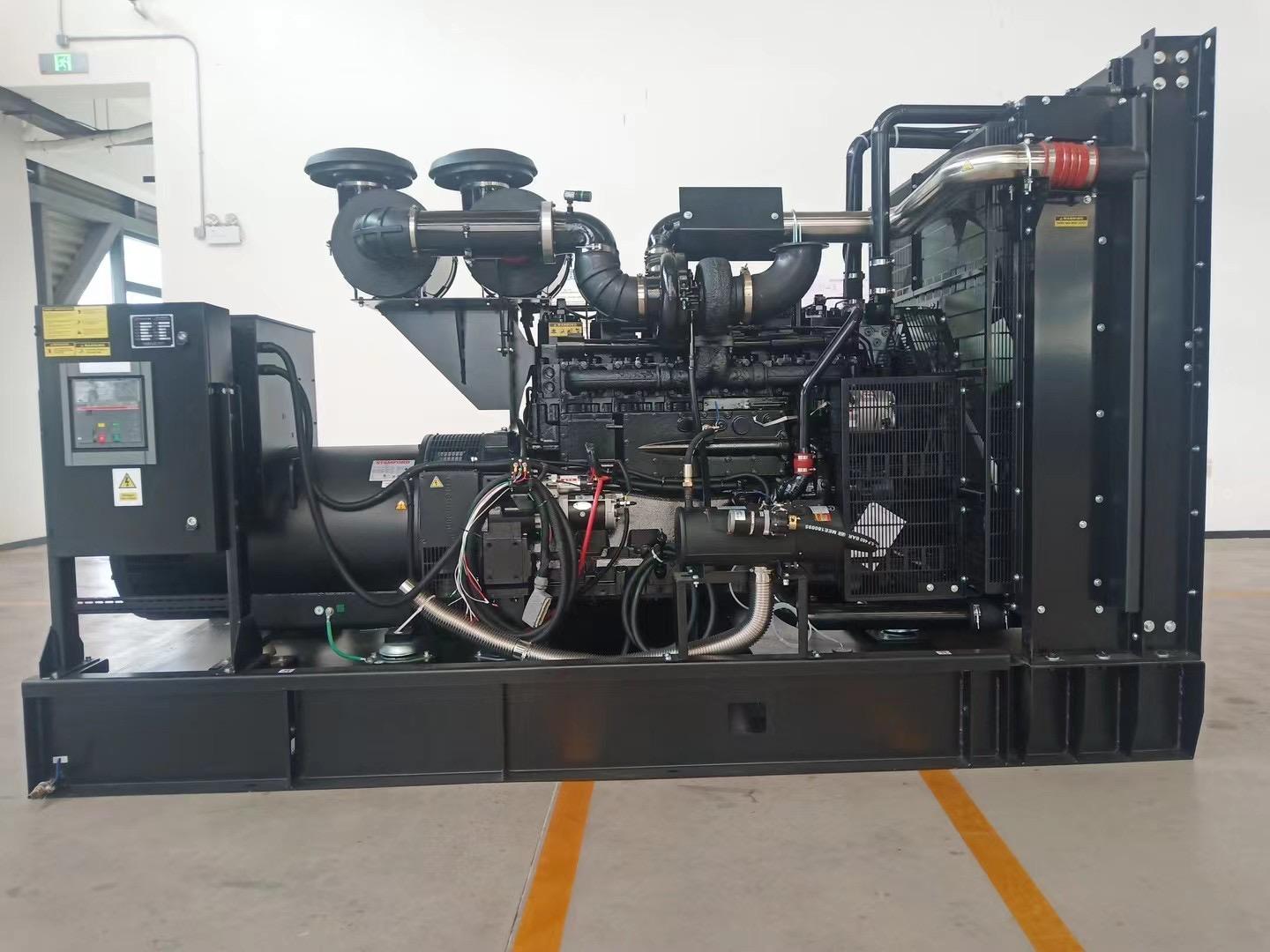
The four classes share one engine and one alternator, so the frame does not change when the class does. What changes is the margin the maker allows for heat, fuel and wear. A set published at 550kVA in ESP may be published at 500kVA in PRP, because prime duty assumes the set runs every day rather than a few hours a month. ISO 8528-1 sets out the definitions, and the data sheet states which class the published number belongs to. Tesla Power keeps both figures in the offer pack, so the class can be checked against a 500kVA frame before the order is placed.
How do the four duty classes compare?
The table below sets each class against the load profile it assumes and the overload it allows. Read it as a guide to which class fits a site, not as a replacement for the engine data sheet.
| Class | Load profile | Overload allowance |
|---|---|---|
| ESP | Outage cover, variable load | Short overload, few hours a year |
| PRP | Unlimited hours, variable load | Limited overload, one hour in twelve |
| COP | Unlimited hours, constant load | No sustained overload |
| DCP | Long hours, large load steps | Set by the data-centre load study |
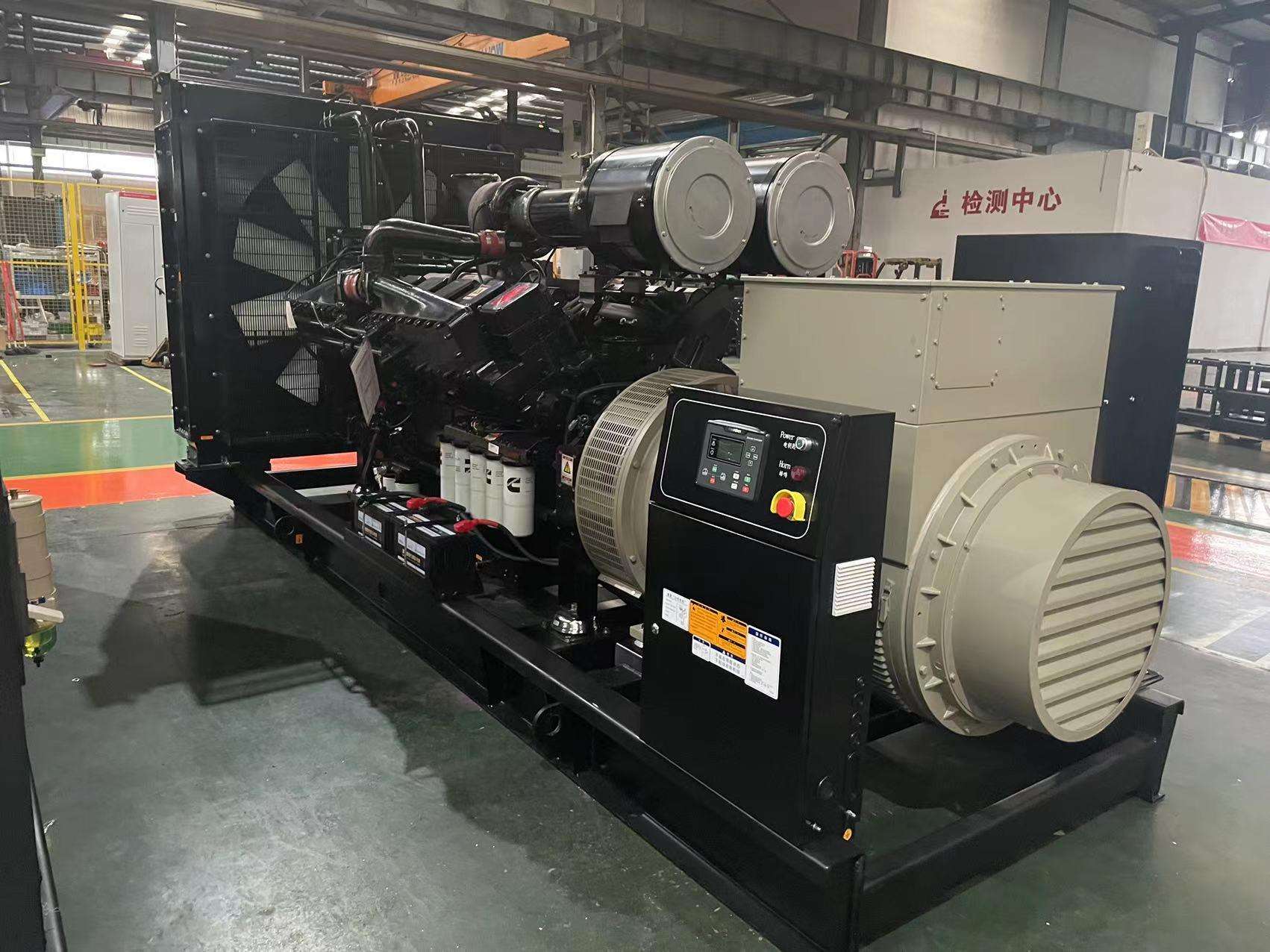
A hospital with a mains supply sits in ESP, because the set runs only when the supply fails. A mine with no grid connection sits in PRP or COP, because the set is the supply. A data hall with long outages may sit in DCP. China prime manufacturers print all four numbers on one data sheet, and the offer should name the one the price is based on.
What does the rating look like in a worked example?
Take one alternator frame sold in three duty classes. As an emergency standby set it is published at 550kVA, which is 440kW at 0.8 power factor. As a prime set the same frame is published at 500kVA = 400kW. As a continuous set it falls to 400kVA = 320kW. The frame has not changed, and neither has the alternator; only the class has.
An engine sold on prime duty for a mine has no grid to fall back on, so the lower figure governs the whole design. A set on prime duty in a remote camp runs every hour of the year, and the fuel contract is built on the same number. A buyer who takes the 550kVA standby figure for a daily-running site will overload the engine on the first long week. Tesla Power works the duty class into the frame selection before the price is fixed.
Why does the duty class change the alternator frame?
The engine carries the heat load, and the duty class sets how much heat the maker is willing to assume. A standby rating allows the engine to run hot for a few hours a year, because the hours are rare and the load is short. A prime rating assumes the same engine runs hot for thousands of hours, so the published figure drops to leave a larger margin. The alternator frame then follows the engine, because the two have to match at the stated power factor.
A larger frame costs more, which is why the duty class has a price attached to it. Ask for both ratings on the same offer and the difference becomes visible. A set sold as standby and run as prime is the most common mistake in export projects, and it shows up as high exhaust temperature long before it shows up as a failure. The altitude derate note shows how site conditions move the same rating again. Tesla Power quotes the two classes side by side so the gap is clear.
Where do buyers misread the duty class?
The first misreading is to treat the standby figure as a spare margin. It is not spare capacity; it is a rating with a time limit behind it. The second is to assume the alternator rating moves with the class. The alternator kVA figure stays close to the same, while the engine kW figure moves most, because the engine is the part that carries the heat. A life-safety system also has to meet NFPA 110 for start time and runtime.
A third misreading is to compare two offers without checking the class on each. One seller may quote ESP and another PRP for the same frame, and the price difference looks like a bargain when it is a different rating. Tesla Power Equipment states the class next to the figure, so the two offers can be compared on the same basis.
How does the duty class change the warranty position?
Most engine makers tie the warranty to the duty class on the order. A set sold as standby and run as a prime supply for a year sits outside the class it was sold in, and a claim can be refused on that basis alone. The fix is simple: buy the class the site needs, and put it in writing on the purchase order. Ask for the prime documentation for export projects, because the duty class sits on that page rather than on the nameplate.
The same discipline applies to the service interval. A prime set running daily needs shorter oil and filter intervals than a standby set that runs a few hours a month. Our engineering help pages list the intervals by class. Yangzhou Tesla Power issues the service schedule with the class printed at the top, so the site team works from the right table.
What should the enquiry state about duty?
State the duty class, the expected running hours, the load profile and the site conditions. Those four items let an engineer pick the right rating without guessing. A site that runs the set daily at a steady load is a COP or PRP site, and the answer changes the frame, the fuel tank size and the service plan.
Ask for the rating definition the seller used, and ask for the source document. Ask whether the figure is ESP, PRP, COP or DCP, and ask for the derate at the site conditions. Chinese prime suppliers often quote the standby figure because it looks larger, so the class has to be named in the reply. Tesla Power asks for the running hours first, then sizes the frame from the load profile.
Frequently asked questions about prime vs standby power
No. The standby figure is a defined rating with a limited number of hours behind it, not extra capacity for daily use. Run a standby set as the main supply and the engine works outside the class it was sold in, which shortens service life and can affect the warranty position on the order.
ESP, because the set covers the mains and the running hours are few. A hospital that generates its own supply for most of the day moves into PRP or DCP, and the rating changes with it. Ask the electrical engineer how many hours the set is expected to run each year, or send the running hours to our export desk before the class is fixed.
The alternator frame usually stays the same across ESP and PRP for a given machine. The published kVA figure moves a little, and the engine rating moves more, because the engine carries the heat. Match the alternator to the engine at the stated power factor, then read the class on the data sheet.
Prime power assumes unlimited hours with a variable load, and the maker applies an overload allowance of one hour in twelve. The set can run continuously, but the published figure already includes the thermal margin for that duty. Check the data sheet for the exact allowance the maker allows on the frame you are buying.
DCP covers data halls with long running hours and large load steps. The class sits between prime and continuous, and it is written around the load profile a data hall actually presents. A set sold as DCP carries a different margin from one sold as ESP, so the two figures are not interchangeable.
You can run it, but the published rating no longer applies. Derate the standby figure to the prime figure before you size the site load, and confirm the change with the seller in writing. How the factory tests each duty class shows where that confirmation sits in the handover file.
They may have quoted different duty classes. One may have used ESP and the other PRP, and the price difference follows the rating rather than the machine. Put both offers on the same class before you compare them, and ask each seller to name the standard behind the number.
The duty class, the rating definition, the running hours and the site conditions. Add the power factor, because the kW figure depends on it. Send those items to Tesla Power with the load profile, and the offer will carry the class, the standard and the derated figures on one page.