
A generator set for port crane duty is specified by the crane motor list, the duty cycle and the quay environment, not by a single power number. This guide sets out the sizing steps, the voltage dip limits and the commissioning record a buyer should check, so you can compare bids on equal terms and request a scoped quote before you place an order. Tesla Power builds open-frame and containerised sets for quay operators, and the same record is used at factory acceptance and again on site. The practical answer is that a crane set must carry the starting current of the largest motor while the alternator holds voltage inside the agreed dip band. Get those three inputs right and the rest of the purchase is straightforward. A fourth input, often overlooked, is the way the crane drive returns energy to the bus during lowering; that reverse flow changes the load the set sees and belongs on the single-line drawing from the start. Buyers who fix all four before they ask for a quote avoid the rework that follows a rating chosen on nameplate totals alone.
- List every crane motor with its running and starting demand.
- Fix the duty cycle and the acceptable voltage dip before you compare offers.
- See our quayside power guide for the site survey form.
- Ask for the load step record, not just a nameplate figure.
Last updated 2026-11-17.
What does a generator set for port crane duty actually power?
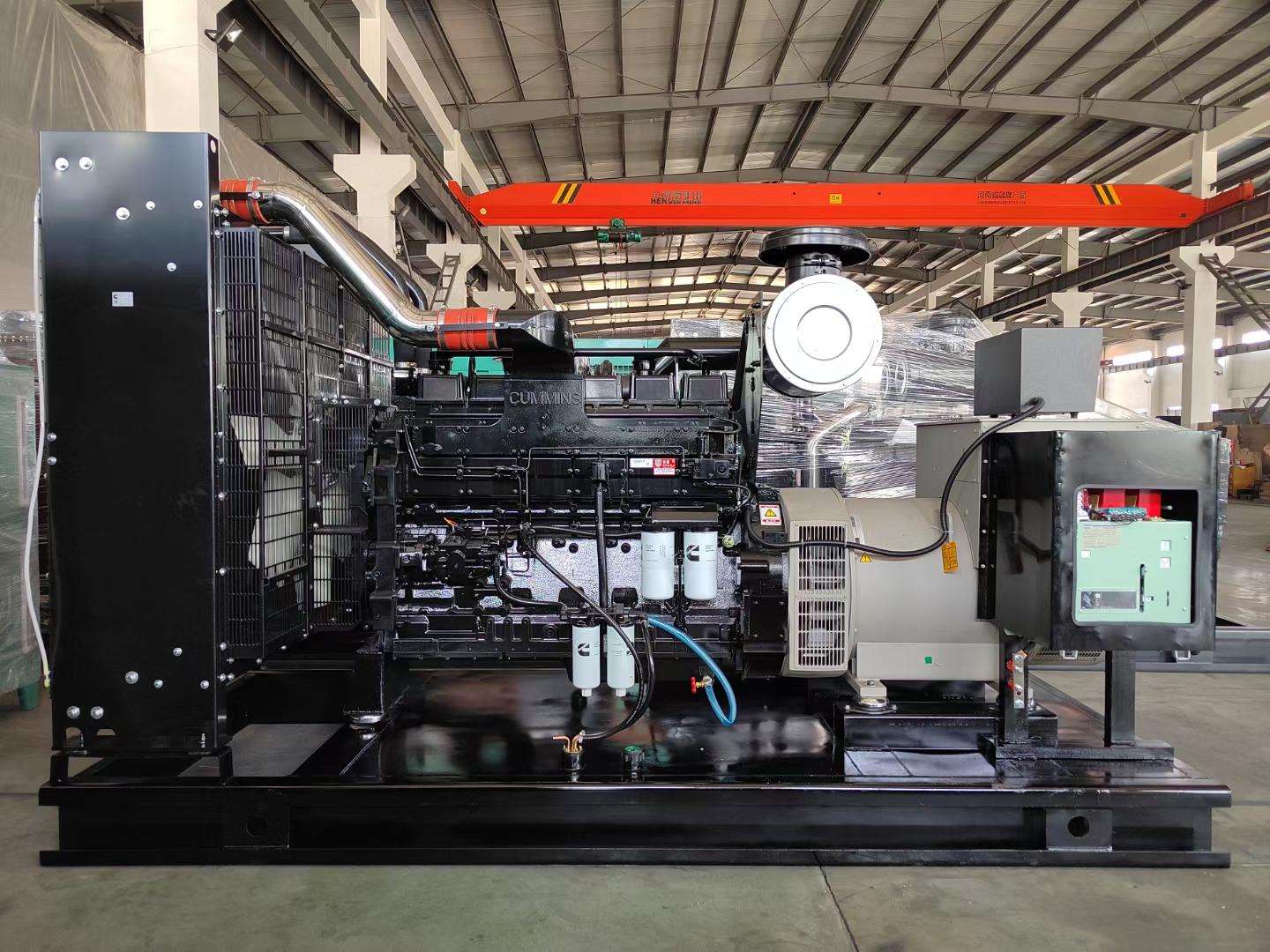
A quay crane is a moving load, not a fixed one. The hoist, trolley and gantry drives each draw a different current at a different moment in the cycle. The hoist motor is the largest single starting step, and its starting current can be several times its running current for a short period. The set must carry that step without the voltage falling below the band the crane drive can tolerate. A set sized only on the sum of the nameplate ratings will often pass a steady-state test and still trip on a real lift. That is why the motor list, with starting method, is the first document a bidder needs.
The quay adds two more loads that are easy to miss. Lit apron areas, reefers and auxiliaries run even when the crane is idle, so they set the base load. A crane returning regenerative energy through its drive can also push power back toward the bus. The alternator and the governor must cope with both directions. Tesla Power Equipment reviews the single-line drawing before the rating is fixed, so these reverse and base flows are not treated as an afterthought.
How do you size the crane load step by step?
Start with the running load and add the largest transient demand. If the crane motors total 250kW running and the largest hoist adds a starting contribution of 120kW, the transient demand is 370kW before you add auxiliaries. A 500kVA alternator at 0.8 pf delivers 500kVA x 0.8 = 400kW of real power, which leaves a small margin over that transient. Work the current as well: at 400 V three phase, 400kW corresponds to about 577 A line current. Check the alternator can supply that current for the duration of the step, not just for a nameplate instant.
Next apply the site condition. A quay in a hot climate derates the engine because the cooling air is already warm, and a site above sea level derates it again. Apply both derating factors to the engine rating before you compare it with the load. The crane duty generator sizing example on our product page uses the same order: load first, then environment, then frame. Skipping the environment step is the most common cause of an undersized set on an export quay.
Why does the duty cycle change the rating?
Duty cycle decides how long the set carries each load step. A crane that lifts for fifteen seconds and idles for forty-five is a machine very different from one that hoists continuously through a shift. The first can use a standby rating with a longer recovery window; the second needs a prime rating and a cooling system sized for sustained heat. A generator for quay duty is often asked to cover both roles, so ask the crane vendor for a load versus time trace and match the rating class to that trace. Tesla Power keeps the trace in the project file so the rating can be defended later.
The same distinction decides the service interval. A set that idles for long periods is at risk of wet stacking, because the engine does not reach a temperature that burns off unburnt fuel. A set that runs near full load all day has the opposite issue: higher oil and filter consumption. The factory build records show how the same frame is configured differently for each pattern. State the expected hours per year in the enquiry so the bidder can pick the right duty class and the right maintenance plan.
What voltage dip is acceptable on a quay?
The acceptable dip is set by the crane drive, not by the generator. Most variable-frequency drives will ride through a short dip, but they trip if the voltage falls below their undervoltage threshold for too long. Agree a figure with the crane vendor, then check it against the alternator subtransient reactance on the data sheet. A lower reactance gives a smaller dip for the same step. The ISO 8528-1 rating definitions for crane sets define the rating terms, but the dip limit itself belongs in the crane specification.
Measure the dip at the alternator terminals and again at the crane panel. A difference between the two points points to cable voltage drop, which a longer quay run makes worse. Record the trace with the load step size marked on it. A dip that recovers quickly is healthy; a slow sag that does not recover points to a governor or fuel restriction. Fig 2 shows where those readings belong on the acceptance sheet.
| Load step | Voltage band | Recorded at |
|---|---|---|
| 25% of rating | Within the drive ride-through band | Alternator terminals |
| 50% of rating | Within the drive ride-through band | Crane distribution panel |
| 100% of rating | Inside the agreed dip limit | Both points |
How do parallel sets cover a crane peak?
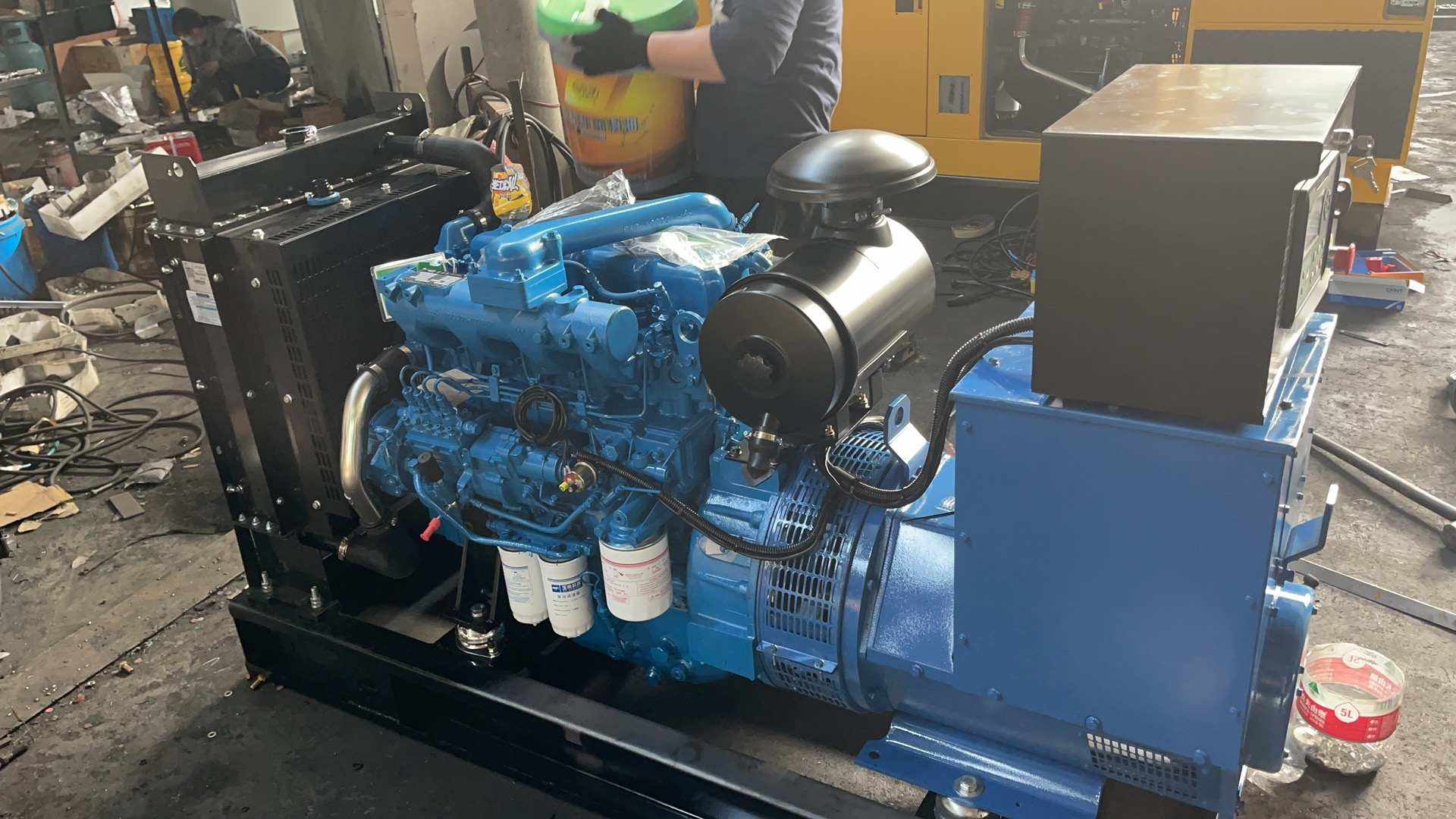
Two smaller sets can cover a crane peak more efficiently than one large set, provided the load sharing is controlled. When the crane is idle, one set carries the auxiliaries at a healthy load factor. When a lift starts, the second set comes online and the two share the step. This avoids the low-load running that damages an oversized engine. Yangzhou Tesla Power configures the controller so the second set starts on a load threshold rather than a fixed timer, which matches the way a quay actually operates.
Parallel operation needs a bus, breakers and protection settings that are coordinated as one system. The tie breaker must interrupt the available fault current, and the reverse power relay must open a set that starts to motor. A generator in port service in a parallel arrangement should be tested with the real switchgear, not a temporary loom. If you need the single-line drawing checked, the port crane power supply options on our site show the usual bus layouts.
What fuel, cooling and enclosure choices suit a quay?
Fuel choice follows the site. Standard diesel suits most quays, but a port with a sulfur limit may require a different grade, and that changes the emission class of the engine. Check the local rule before the engine is ordered. A day tank sized for one shift avoids refuelling during a lift, and the supply line must be sized so the engine does not draw air at high flow. These are layout decisions, and they belong in the same drawing as the cable route.
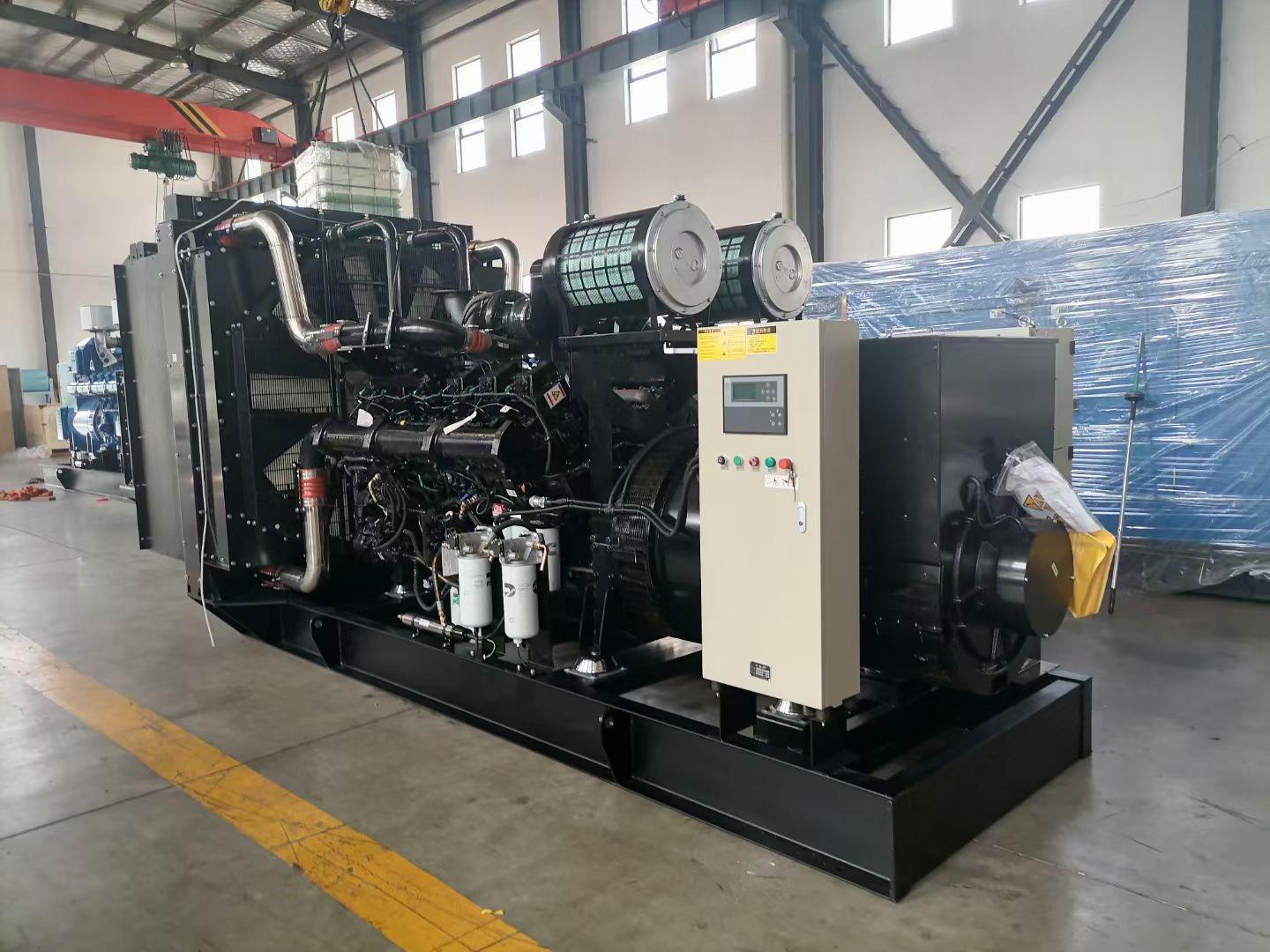
Cooling is harder at the coast because the air is warm and salty. A radiator sized for an inland site will often need a larger core near the water, and the louvre area must pass the heat without letting salt spray reach the windings. A containerised set with a coastal paint system and a sealed alternator is the usual answer. Tesla Power reviews the louvre and exhaust layout before the enclosure is built, since a good enclosure is a thermal design before it is a noise design. See the containerised genset for ports range for the typical build.
What must the commissioning record show?
A commissioning record turns a claim into evidence. It should list the ambient temperature, the fuel grade, the oil grade and the instrument serial numbers beside every reading. Each load step needs a timestamp and the name of the person who took it. A record that shows a failure and its correction is stronger than a clean sheet with no notes. Buyers who judge bids on paper alone miss this, yet it is the document a warranty claim will lean on years later.
Keep the raw analyser files as well as the summary table. A waveform capture settles an argument about a single odd dip more quickly than a written description. Store the files with the set serial number in the name, and keep the folder after staff changes. The load shedding on quay power note explains how the trip settings are chosen, and it shares the same record format. Ask for the template before the test, not after it.
Common mistakes that cost a quay project
Sizing on nameplate sum is the first mistake. It ignores the starting step and the hot-day derate together, and either one can be enough to trip the crane drive. The second mistake is buying on a single power figure without stating the power factor, so a buyer compares a kVA offer with a kW offer and assumes they are the same. The third is treating the enclosure as a cosmetic choice and discovering the louvres cannot pass the heat once the set is installed.
A fourth mistake is leaving the drive regeneration out of the single-line drawing. A crane that returns energy to the bus can raise the DC link on the drive, and the set must either absorb it or the drive must have a chopper. Sorting that out after delivery costs a site visit. Conformity assessment for the EU market is a separate file that names the standards checked; it should be requested alongside the test record, not instead of it. Tesla Power flags all four items at the enquiry stage so they are not lost in a busy project.
Comparing supplier offers before you order
Put every offer on the same basis before you choose. Ask each bidder to state the rating class, the ambient condition it applies to, the alternator reactance, the fuel grade and the test record format. An offer that leaves any of these blank is not cheaper; it is incomplete. A bidder who answers with a data sheet and a load step trace is giving you something you can check. Use the contact our quay power desk form to send the same question list to each bidder, so the answers can be compared line by line.
Then check the commercial terms against the technical answer. Delivery, spares and the service interval all follow from the duty class selected earlier. A lower price on a prime-rated set is not a saving if the site only needs standby duty, and a standby set sold into continuous crane work will not hold its warranty. Put every offer from generator set for port crane manufacturers on the same footing. Ask Chinese generator suppliers for the dip figure in writing, and use a generator for the crane panel as the reference measurement point. Tesla Power quotes both the running and the transient figures on each offer so the comparison stays honest. Protection settings follow NFPA 110 emergency supply test intervals where an emergency supply is involved, and the EPA Tier 4 nonroad engine rules set the emission baseline for the engine.
Frequently asked questions about port crane generator sets
Size above the running load by enough to cover the largest starting step and the hot-day derate together. The exact figure comes from the motor list and the site conditions, so avoid a fixed percentage. Prove it with a load step test.
Yes, if the sets are arranged to share load and the bus can carry the combined step. Parallel sets give better part-load efficiency than one large unit. Check the tie breaker and reverse power relay before you commit.
State the power factor on the enquiry so a kVA rating and a kW rating can be compared directly. Keep the same basis through the offer, the test and the handover, and print it on the record.
Usually yes. Warm coastal air reduces radiator margin and salt spray reaches the louvres. Ask for the coastal paint system and confirm the louvre free area against the engine heat rejection.
Hold each step until coolant and oil temperatures stabilise, then record the voltage and frequency at that point. A short run proves little about a crane that lifts for a full shift. Keep the trace.
Expect the data sheet, the single-line drawing, the test record and the conformity file where required. Ask for all four in the enquiry so a supplier cannot quietly leave one out.
A generator set for port crane duty is defined by the motor list, the duty cycle and the quay conditions. Size for the starting step, prove the voltage dip with a load test, and put every offer on the same basis. Request the record with the quote, and the choice becomes a checkable decision rather than a guess. To review a quay layout against the load list, the Tesla Power team can work from the survey form.