
Generator set load bank capacity is set by the plate figure in kW and the power factor of the site, and a bank that is too small proves nothing about the set. Read how the steps are sized, and Tesla Power will return a quotation with the test schedule attached.
- Size the bank on the plate in kW rather than on the kVA figure, because the step plan the site will ask for is written in kW.
- Add a reactive step when the site load is motors, because a resistive bank cannot reproduce that condition.
- Build the bank in switched blocks, so 25%, 50%, 75% and full rating can be held in turn.
- Ask for the ambient at the test bay, since a hot day moves every reading on the sheet.
What does generator set load bank capacity decide?
It decides whether the test proves the plate or only proves that the set starts. A bank that reaches the full rating can hold the set there until the temperatures settle. A bank that reaches 70% can only show that the set runs, and a set that cannot reach its rating is a set that will fail on a hot day. A generator in a test bay is only as good as the blocks it can close.
The bank also decides the shape of the test. Blocks that can be switched one at a time allow a step plan, and a step plan is what a class is proved with. A single fixed load proves one point on the curve and says nothing about the step the site will apply. The blocks matter as much as the total, and a bank built as one block is a bank that tests one condition.
How is the capacity calculated from the plate?
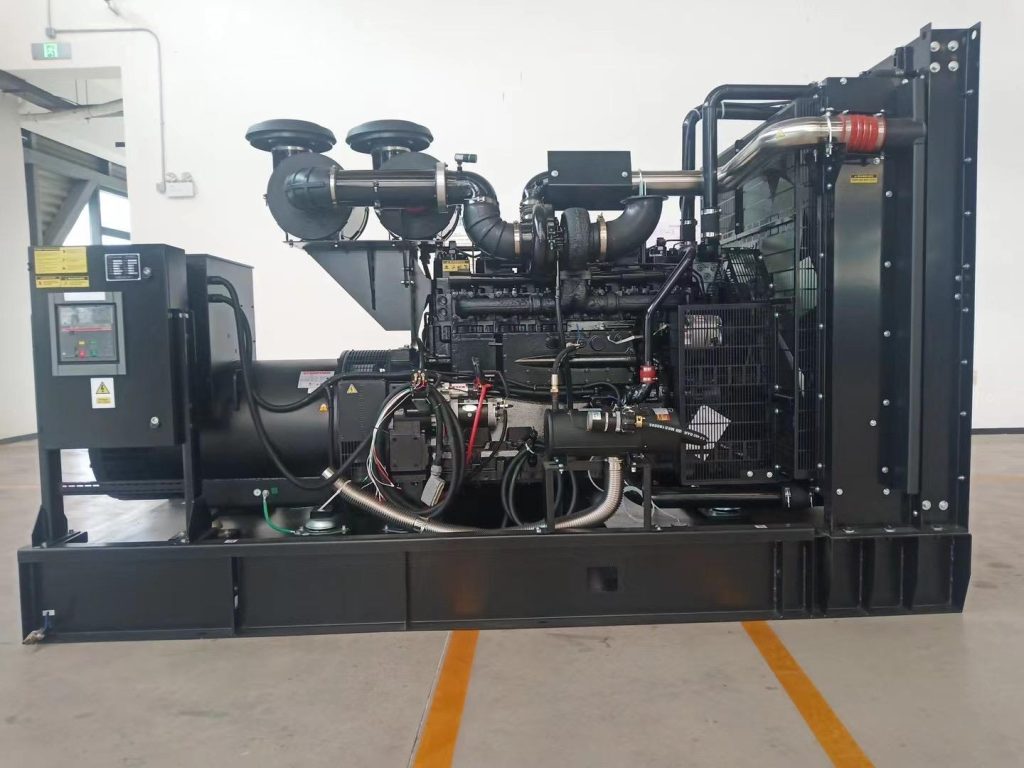
Start with the plate in kW, then check the alternator current at the site voltage. A 400kVA frame at 0.8 power factor is 320kW, and at 400 V it draws 577 A at full load. A resistive bank rated 320kW applies the full figure at unity power factor and draws the same 577 A, so the cable and the breaker follow the current rather than the kW.
The bank total should reach the plate with a little headroom, because a bank built exactly to the figure reads low when the elements age. A 320kW set is usually tested on a bank rated 350kW or more, and the extra blocks are used for the overload step. The ISO 8528-5 test classes name the steps a class requires, and the bank is built to cover the largest of them.
| Bank block | Figure on a 400kVA frame | What the block proves |
|---|---|---|
| 25% block | 80kW | The set picks up a small step cleanly |
| 50% block | 160kW | The governor settles inside the band |
| 75% block | 240kW | The cooling holds at a working load |
| 100% block | 320kW | The plate figure is reachable and steady |
Worked example: a 400kVA frame on a 320kW bank
Take a 400kVA frame at 0.8 power factor and a bank of four blocks. The set runs at 80kW for ten minutes, then 160kW, then 240kW, then 320kW, and each block is held until the coolant and the oil stop moving. The full block is held for 30 minutes, and the fuel burn is read at 320kW rather than at the plate kVA.
The record then carries four points rather than one. A set that holds 320kW for 30 minutes has proved the engine and the radiator together, and a set that climbs after 20 minutes has proved a cooling margin that is too thin. Tesla Power Equipment holds each block until the temperatures settle, because a short hold hides the fault the test exists to find.
Why does a reactive step need more capacity?
Because a reactive bank carries current without carrying much real power, and the alternator has to supply both. A 320kW resistive bank applies 320kW at unity power factor. A reactive step at 0.8 power factor applies 320kW and 240 kVAR together, which is 400kVA of alternator output rather than the 320kW figure alone.
A generator set load bank for a test with motors carries that kVAR block, and that is the whole reason the reactive step exists. A set that holds its voltage on a resistive bank can still sag on a motor start, because the current is out of phase and the alternator reactance drops more volts for the same amperes. A generator for a data hall is usually tested with a reactive step for that reason, and the bank carries the kVAR as a separate block.
- Resistive blocks for the engine and the cooling.
- Reactive blocks for the alternator and the excitation.
- Both applied together for the combined test.
What does NFPA 110 ask for a test?
The standard sets the interval and the load for emergency power systems, and it asks for a load that reaches a share of the plate rather than a no load run. A monthly run at 30% of the plate and an annual run at full load cover most of the requirement. The figure is a floor rather than a target, and a site with a data hall usually tests above it. Tesla Power writes the plan to the higher of the two.
A generator in a hospital bay meets the same standard through a different route, and the test record is what an inspector reads. The NFPA 110 testing chapter names the load, the duration and the record, and a bank that cannot reach the load leaves the site outside the requirement.
How does a step plan prove the class?
The class is proved by the step rather than by the steady point, and the plan has to reach the step the class names. A G2 set proves a 50% step and a G3 set proves a larger one, and the bank applies the step by closing blocks rather than by raising a single load slowly. A bank that ramps cannot prove a step at all.
The plan also has to hold the step long enough for the trace to settle, and the step load acceptance notes set out the same sequence. A step applied for two seconds shows the dip and hides the recovery, and the recovery is the figure a drive on the bus cares about. Tesla Power records both the dip and the recovery for each block, and the plan is written before the set reaches the bay.
Which records belong in the test file?
Generator documentation for a test bay runs to five records, and they turn a test into evidence. The bank rating and the block sizes, the ambient at the bay, the fuel temperature, the trace for each block and the name of the person who signed are the five. A file without the ambient cannot be compared with the site, and one without the trace cannot be checked at all.
The instrument calibration belongs beside them, because a reading from an uncalibrated analyser is an opinion, and the breaker sizing notes give the current the bank has to carry. Most generator manufacturers keep the file with the serial number, and Chinese generator suppliers often send a summary sheet without the traces. Tesla Power keeps the raw files, so a question about one reading is answered from the trace rather than from the summary.
What goes wrong when the bank is undersized?
The set passes the test and fails on site, because the test stopped short of the figure that matters. A bank that stops at 70% of the plate proves the set runs at 70%, and the site runs it at 100% in the first hot week. The gap appears as a temperature alarm rather than as a fault, and the alarm arrives after the set is installed.
The second failure is a bank built as one block, which applies the full load as a single step. A set with a small air margin trips on that step, and the trip is read as a fault in the set rather than as a test that applied the load too quickly. Build the bank in blocks and write the plan before the test, then read the plate against the last block rather than against the first. Tesla Power writes that plan before the set reaches the bay.
How is the bank chosen for an export order?
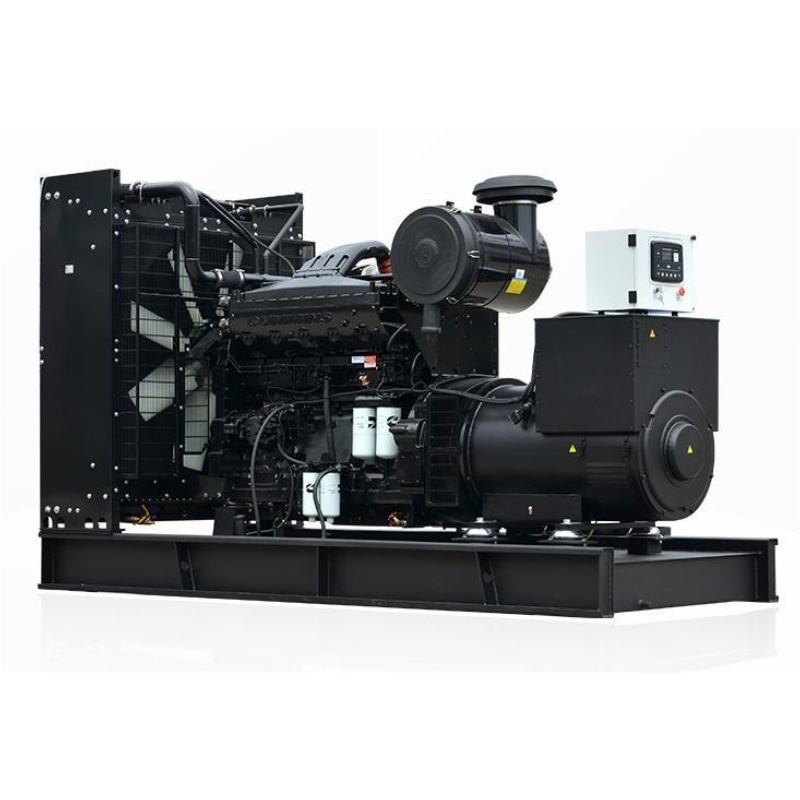
Generator set load bank capacity for an export order is chosen from the largest frame, not from the smallest, because a bank that covers the largest covers the rest. An order with several sizes is tested on one bank with enough blocks, and each set is run to its own plate rather than to the bank maximum. The block plan is written per frame rather than per order.
A bank that is too large is safer than one that is too small, because the spare blocks are simply not closed. The range of frames we build lists the plate each bank has to reach. The cost sits in the switchgear rather than in the elements, so the difference between a 320kW and a 350kW bank is small. Tesla Power sizes the bank on the largest frame in the order and writes the plan for each set.
Frequently asked questions about generator set load bank capacity
It can be used that way and it proves less. A bank at 70% of the plate proves the set runs at 70%, and the remaining 30% stays untested. A site that buys on a test record should ask what share of the plate the record reached.
Long enough for the coolant and the oil to stop moving, which is usually ten minutes at part load and 30 minutes at full load. A short hold reads well and hides the fault the test exists to find, so the record should state the hold time.
It matters for the alternator and not for the engine. A resistive bank proves the engine and the cooling, and a reactive bank proves the alternator and the excitation. A site with motors needs both, and a site with heaters needs only the first.
Only when it can be applied in controlled blocks. A building load that cannot be switched proves one condition, and it usually cannot reach the plate. A bank is used because it can be stepped and held, not because it is more accurate.
About 500kW of resistive capacity at 0.8 power factor, built in blocks of 80kW. The reactive block is added on top when the site load is motors, and the cable and the breaker follow the current at the site voltage rather than the kW figure.
It changes the figure the set can hold, not the bank. A set rated at 25 °C loses roughly 3% for every 10 °C above that, so a test in a hot bay reads low against the plate. Record the ambient beside the reading.
Write the plate in kW, the site power factor and the ambient at the bay on one page, and send it to our export desk. Yangzhou Tesla Power returns the bank schedule and the block plan with the quotation. The generator set load bank capacity CE marking requirements sit in the technical file rather than on the plate, and conformity assessment for the assembly follows the same route as for the standard frame, so one file covers the test as well.