
Diesel generator fuel consumption per kWh is the figure that turns a nameplate rating into a real running cost. The method below explains how to read the litres per kWh at part load, compare diesel generator manufacturers and request a scoped quote from a China diesel generator supplier. Tesla Power's engineering team prints this number on every commissioning report.
- Read the fuel curve from the engine data sheet at 30%, 50%, 80% and 100% of rated load.
- Multiply each load point by its running hours to get the daily fuel total.
- Compare the litres per kWh against the load factor before you freeze the rating.
What does diesel generator fuel consumption per kWh actually mean?
Fuel consumption per kWh is the volume of diesel a set burns to deliver one kilowatt hour of electrical energy. A set that burns 96 litres an hour at 400kW delivers 400kWh in that hour, so the figure is 96L divided by 400kWh equals 0.240L per kWh. The number falls as the load rises toward the rated point and climbs again at light load, because the engine still spins and pumps fuel when it delivers little power. Our application notes walk through the conversion with a worked example you can quote from.
The figure matters more than the peak rating for most buyers. A standby set that runs a few hours a year barely touches its fuel budget, but a prime power set that runs continuously lives or dies by its litres per kWh. Tesla Power Equipment quotes both the rated fuel rate and the part-load rate, because the second number is what the site actually pays for over the life of the machine.
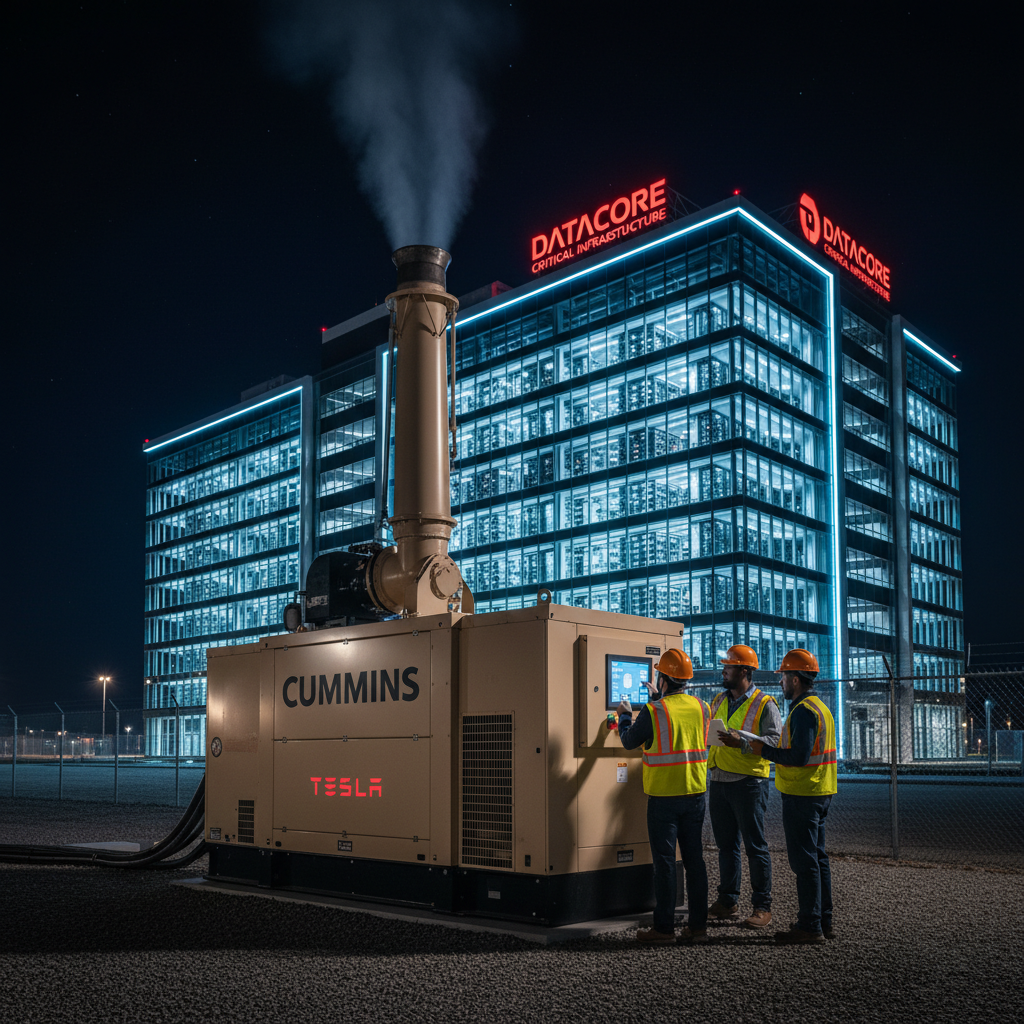
How do you read the fuel curve from the set?
Open the engine maker's fuel sheet and read the brake-specific fuel consumption at four points: 30%, 50%, 80% and 100% of rated load. The sheet lists grams of fuel per kWh; divide by the diesel density to get litres. A diesel generator range from a China diesel generator supplier usually ships with this curve on the data sheet, so you can turn it into a litres per kWh table during the enquiry.
Do not trust a single full load number. The part-load points are where the savings hide. A 400kW set may burn 0.240L/kWh at full load but closer to 0.28L/kWh at 30% load, and that gap compounds across thousands of running hours. Ask the engineering team for the full curve before you compare two offers, because a lower full-load rate can still cost more per kWh overall. Diesel manufacturers who publish the full part-load curve make the comparison honest, and China diesel suppliers who hide it cost the buyer later.
Diesel generator fuel consumption per kWh at part load
The table below is an indicative curve for a 400kW (500kVA) set at 0.8 power factor, taken from a typical engine data sheet. The litres per kWh is lowest near 80% load and rises at both ends, which is why a set sized too large for its duty runs expensive. Tesla Power sizes the frame so the site sits near the sweet spot rather than idling at 30%. See a smaller diesel generator set as a worked frame example.
| Load point | Power | Fuel L/h | Litres per kWh |
|---|---|---|---|
| 30% load | 120kW | 33L/h | 0.275 |
| 50% load | 200kW | 50L/h | 0.250 |
| 80% load | 320kW | 70L/h | 0.219 |
| 100% load | 400kW | 96L/h | 0.240 |
The 80% row is the cheapest place to run, at 0.219L/kWh, and the 30% row is the dearest at 0.275L/kWh. The difference looks small per hour but it is a 25% penalty on every light-load hour. A buyer who only reads the 100% figure misses the part-load story entirely, and that is where diesel generator manufacturers compete on the curve, not the nameplate.
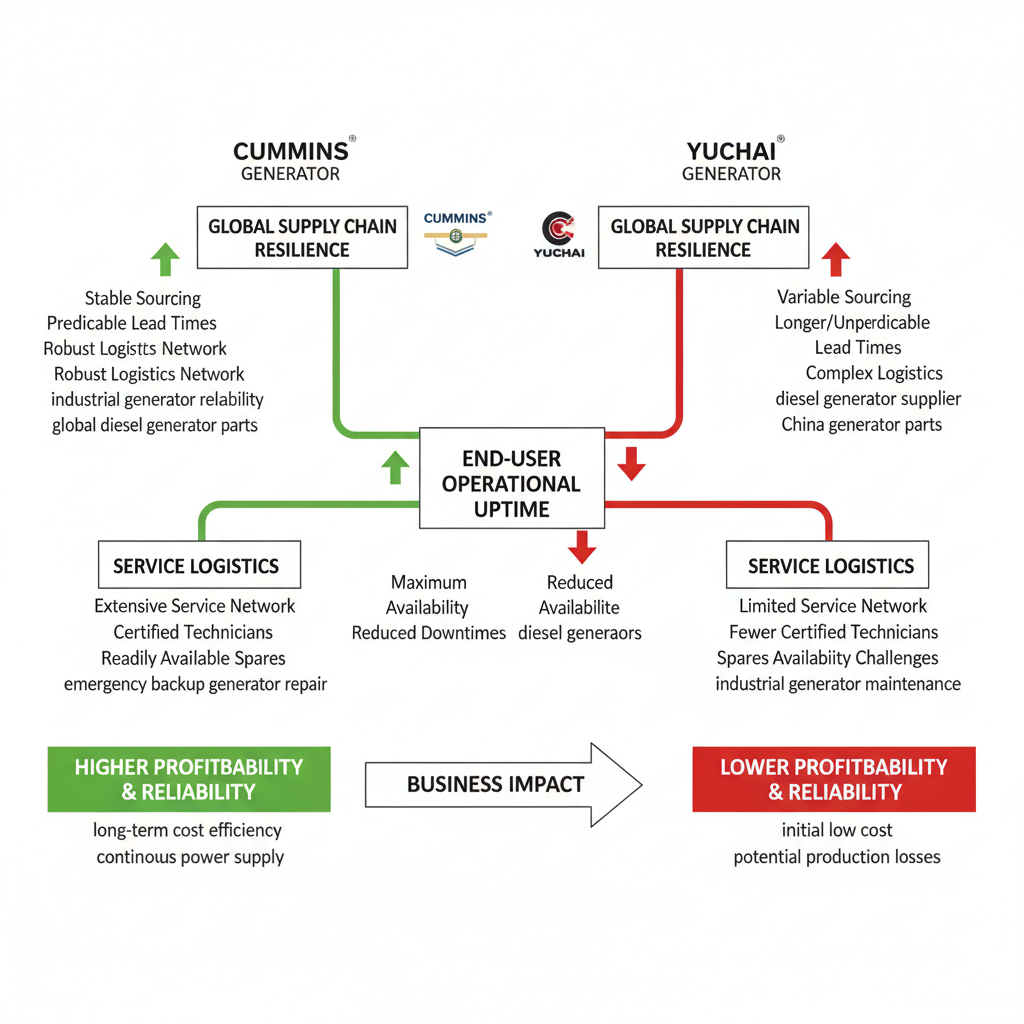
Why does load factor change the litres per kWh?
Load factor is the share of the day the set actually works, and it decides where on the curve the machine lives. A high load factor keeps the set near 80% load, where the litres per kWh is lowest. A low load factor parks it at 30% for most hours, where the figure is highest. The diesel generator fuel consumption per kWh for standby power rarely sits at full load, so read the curve against the interval log instead of the nameplate.
China diesel generator suppliers often quote a flattering full-load rate, but the site rarely sits there. Read the curve against your interval log instead. A set sized from the real load factor burns fewer litres per kWh across the year than a bigger set with a better nameplate rate. Yangzhou Tesla Power sizes from the load study so the average duty lands near the curve's low point, not far below it.
How does altitude change the fuel consumption?
Thin air at altitude lowers the power the engine can develop, so the set must work harder to deliver the same electrical load, and that raises the litres per kWh. A set rated 400kW at sea level may deliver only about 85% of that output at 1500m, so the same site load sits at a higher fraction of the reduced rating. The correction is published in ISO 8528-1 rating definitions as part of the rating definitions, and the engine maker's derate curve sets the exact number for each site.
Cold starts and long cable runs add their own small penalties, so read the altitude before you freeze the rating. A set that is correctly sized at sea level can be a heavy drinker on a mountain site, and the fuel budget is where that shows up first. Diesel generator fuel consumption in tropical climates rises for the same reason, because high ambient temperature and thin air combine to cut the available output. Tesla Power Equipment prints the altitude and temperature limit for every frame in the handover pack so the site team can confirm the true available load and the true fuel figure together.
Which numbers go into the worked example?
Take a 400kW standby set with a 250kW load for 6 hours and a 150kW load for 12 hours each day, then idle. The delivered energy is 250kW multiplied by 6h plus 150kW multiplied by 12h equals 1500kWh plus 1800kWh equals 3300kWh. The potential energy is 400kW multiplied by 24h equals 9600kWh. Load factor equals 3300kWh divided by 9600kWh equals 0.344. At a blended 0.25L/kWh the day costs about 3300kWh multiplied by 0.25L/kWh equals 825L of diesel.
The 0.344 result means the set works about a third as hard as it could across the day. For a standby frame that is healthy, because it leaves headroom for the outage peak while still exercising the engine on test. Diesel generator fuel consumption for data centres follows the same logic, because the load factor of a data centre sits high for most of the day and the fuel budget is read against that duty. A buyer who sends the interval log gets a set sized for the real duty, often with a smaller frame and a lower fuel bill.
What the figure means for the quotation?
The litres per kWh reframes the enquiry from how big to how much will it cost to run. A buyer who sends only a peak gets a set sized for the worst minute. A buyer who sends the interval log gets a set sized for the real duty, often with a smaller frame and a lower fuel bill. Diesel generator fuel consumption for export projects also needs the part-load curve, because the buyer's duty cycle sets the real figure rather than the nameplate rate.
Hospital and data centre buyers usually need the NFPA 110 emergency power rules, which set how fast the set must pick up load after a failure. Those rules are published by NFPA 110 emergency power standard and they interact with the fuel budget because the pickup test is a full-load event. Tesla Power writes the NFPA 110 pickup time into the quote so the buyer can confirm the set meets the site licence and can estimate the fuel draw of the test before signing.
Site safety and documentation
The fuel figure is only as good as the log behind it, so treat the meter data as a record, not a guess. Store the interval file with the project number and the set serial, and keep the load bank test trace beside it. A warranty claim years later leans on that pair of documents, and a missing log is the most common reason a claim stalls. Generator quality records for ISO 8528-1 standard add a second file, because the certification body expects the test evidence in a defined order.
Conformity assessment for the EU market is a separate file again, and it names the standards the set was checked against before it left the factory. Diesel generator documentation for export buyers adds a third file, because the buyer's market sets what the notified body expects to see. Tesla Power keeps the three files in one folder per project so an auditor can open one archive and see the load study, the test and the conformity evidence in order. The CE marking requirements for a diesel generator list exactly which documents the notified body expects, and the folder is built to match that list so the fuel claim and the compliance claim stay consistent with each other.
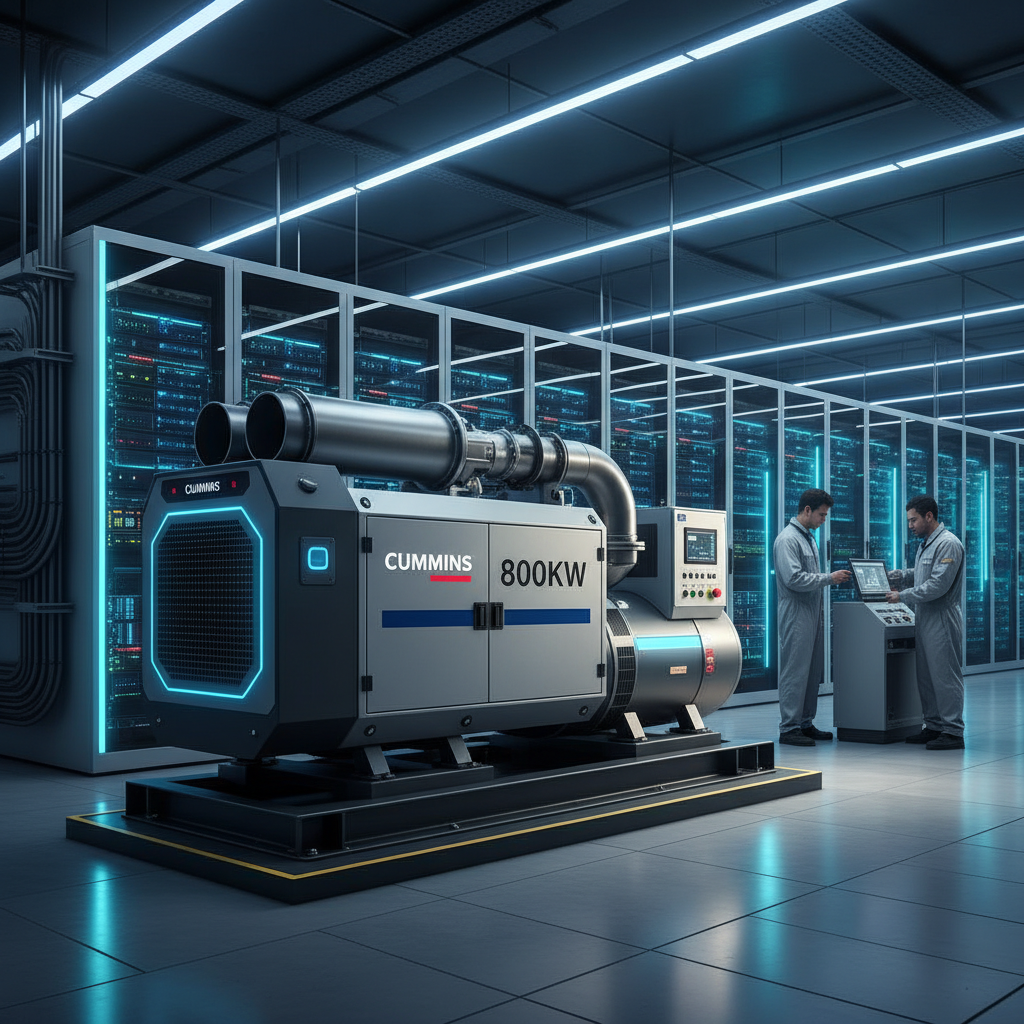
Frequently asked questions about generator fuel use
A modern diesel generator burns roughly 0.20 to 0.28 litres per kWh across its load range, with the lowest point near 80% load. The exact figure depends on the engine, the alternator and the tuning, so read the maker's fuel curve rather than a single rounded number. A 400kW set at full load typically lands near 0.24L/kWh, while light-load hours drift toward 0.28L/kWh.
Not per kWh. A larger set at the same electrical load sits lower on its curve, where the litres per kWh is higher, so it can burn more fuel per unit of energy than a smaller set correctly sized for the duty. Size to the load factor, not the peak alone. An oversized frame turns every real hour into an expensive light-load hour on the left of the curve.
Power factor links kW to kVA. A 400kW set at 0.8 power factor is 500kVA, and a motor-heavy load pulls current out of phase so the engine works harder per kWh delivered. State the power factor in the enquiry so the kW and kVA figures stay consistent and the fuel curve is read at the right point. A purely resistive load lets the set sit closer to its best litres per kWh.
Use it as one point, not the whole story. The full-load rate is the headline, but most sets spend their life at part load, where the litres per kWh is higher. Ask for the 30%, 50% and 80% points as well, then weight them by your running hours. A set with a great full-load rate and a poor part-load rate will cost more across the year than the nameplate suggests.
Yes. Thin air lowers the power the engine develops, so the same electrical load sits at a higher fraction of the reduced rating and the litres per kWh rises. The correction is published in ISO 8528-1 and varies by engine, so read the derate curve for the site altitude. A sea-level quote that ignores a mountain site will understate the real fuel draw by a meaningful margin.
Recheck it whenever the load changes. A new production line, a chiller upgrade or a shift change moves the load shape, and the old litres per kWh no longer applies. A quick re-run of the interval log each time the facility expands keeps the rating right and the fuel budget accurate. Tesla Power re-issues the worksheet on every major site change so the record stays current and the quote stays honest.
A staged load bank run records fuel use at each step, which is the closest you get to measuring the curve on site. Compare the recorded litres per kWh against the data sheet, because a drift points to worn injectors or a fouled air path. A periodic load bank step held at rated load also burns off deposits that light running leaves behind, so the fuel figure stays where the maker predicted.
A set that burns its fuel cleanly and within the rated curve is also the set that passes its emissions test on the first try. Spec the litres per kWh early, confirm it against the load factor, and the running cost stops being a surprise. Tesla Power quotes the figure openly so the buyer can model the lifetime fuel spend before the order is placed. Contact our engineering desk for a scoped quote built from your own interval log, and read our generator load factor notes before you freeze the rating.