
Generator load factor calculation converts a site's daily load profile into a real kVA requirement before any set is ordered. The method below explains the steps to read the profile, apply the diversity factor and request a scoped quote from a China generator supplier. Tesla Power's engineering team uses the same worksheet on every export project. Load factor compares the energy a set delivers with the energy it could deliver at full rating. The single-line diagram and the panel schedules are the starting point. A low load factor is normal on standby duty, and the sizing is built around it from the start. Light loading pushes fuel per kWh up sharply. Air temperature and altitude cut what the engine can develop, so the effective rating falls while load factor holds. A standby set rated 400kW at 0.8 power factor is 500kVA, and that is the figure the worksheet starts from.
- List every connected load with its running kW and the hours it operates each day.
- Apply the diversity factor so intermittent loads do not simply add up.
- Convert the averaged load to kVA at the site power factor, then verify with the alternator curve.
What is generator load factor and why does it matter?
A load factor is the ratio of energy a set actually delivers to the energy it could deliver at full rating. Contact our engineering desk for the worksheet we use on export projects, then read on for the steps. A 400kW diesel generator that runs at 400kW for one hour and sits idle for 23 hours has a daily load factor near 0.04. The same 400kW set serving a steady 200kW load for 24 hours runs at a load factor of 0.50. The number tells you how hard the machine works, and that decides the rating you should buy.
Two sites with the same peak demand can need very different sets. One site peaks at 350kW for ten minutes and idles the rest of the day. Another holds 250kW for most of the shift. The first needs a set sized for the peak, the second a set sized for the sustained load. Generator load factor calculation is how you tell the difference instead of guessing. Tesla Power Equipment sizes both kinds from the same worksheet and quotes the kVA and kW figure together, and most generator manufacturers ask for the interval log before they quote.
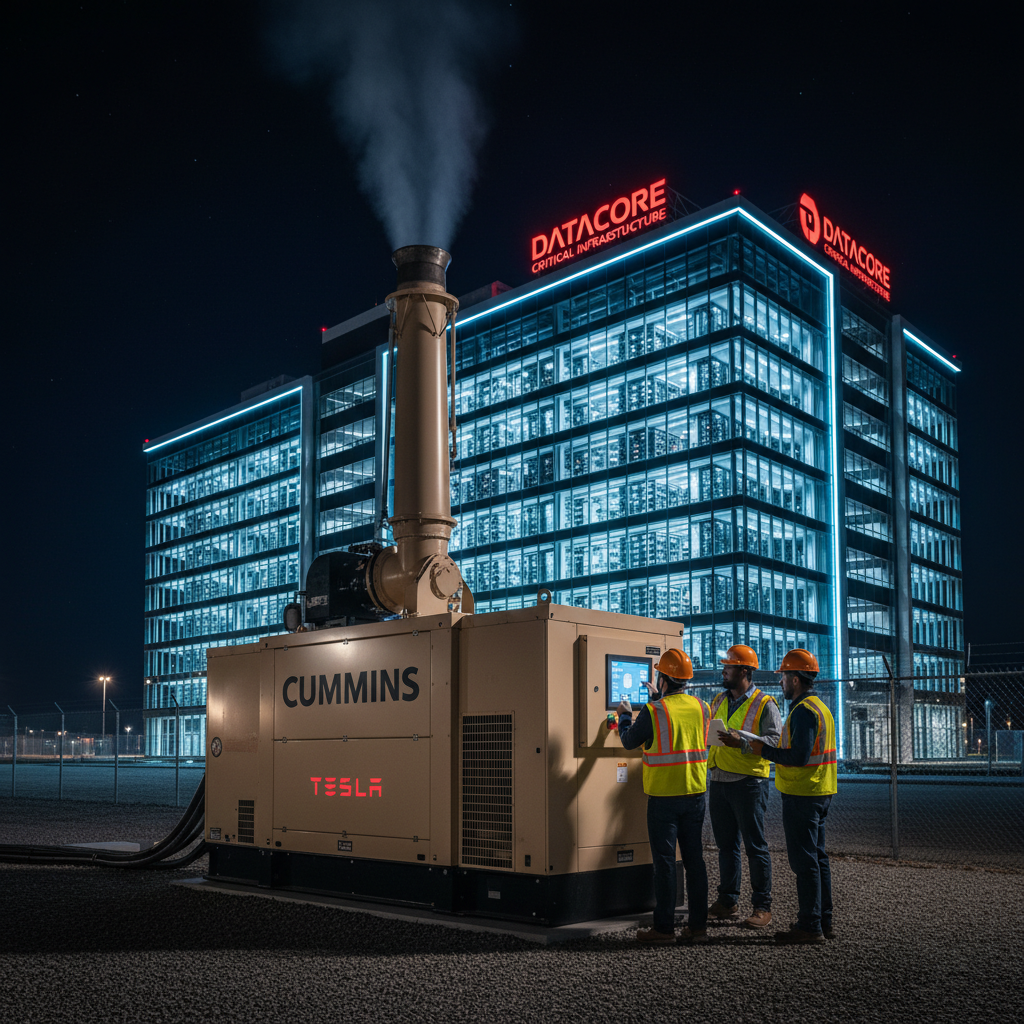
How do you read the load profile from the site?
Start with the single-line diagram and the panel schedules. Every connected load has a nameplate in kW and a duty cycle in hours per day. A ventilation fan may draw 20kW for 20 hours. A process compressor may draw 200kW for 6 hours. Write each one down with its running time, because the time column is what the calculation needs most.
Do not trust the peak from one site visit. Loads cycle, and a single snapshot misses the evening ramp or the weekend low. Ask the facilities team for a week of interval data from the main meter. A 15-minute interval log over seven days shows the true shape, and that shape is the input to the generator load factor calculation. Yangzhou Tesla Power asks for this log before quoting any set above 500kVA, because the log settles arguments that a nameplate cannot.
Generator load factor calculation in three steps
Step one is energy. Multiply each load's kW by its running hours and add the results to get daily kWh. Step two is potential. Multiply the set's rated kW by 24 hours to get the energy it could deliver in a day. Step three is the ratio. Divide the delivered energy by the potential energy and you have the load factor. The number is dimensionless, so it reads the same whether the set is 120kW or 2000kW.
The ratio then drives the rating choice. A high load factor means the set runs near its nameplate for long stretches, so you buy close to the averaged load. A low load factor means long idle periods, so you buy for the peak but accept that the machine spends its life lightly loaded. Tesla Power quotes both the prime and standby rating so the buyer can see the gap before committing capital.
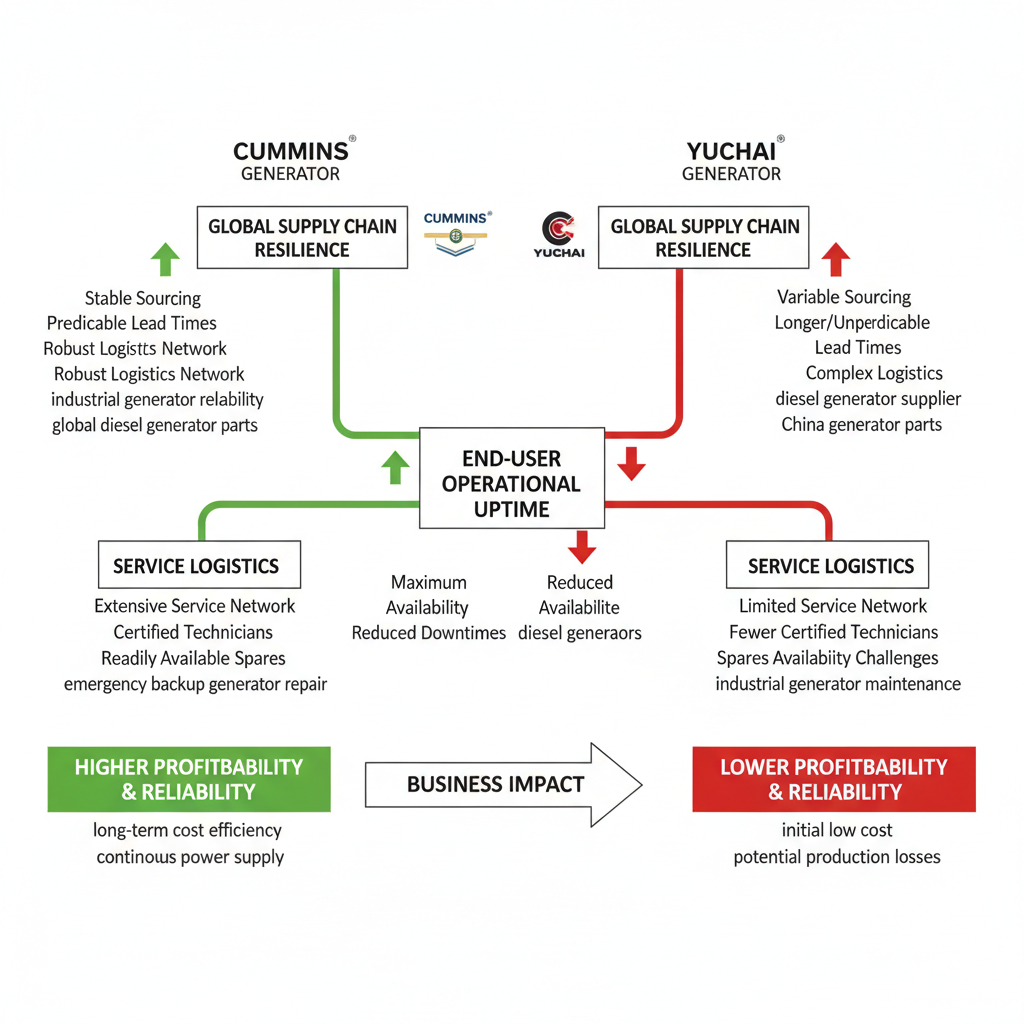
What load factor do standby sets actually see?
Most standby sets see a low load factor by design. They sit idle for weeks, then carry the full site for a few hours during an outage. A hospital set rated 500kVA may run 50 hours a year, which gives a load factor well under 0.01. That low figure is normal, and it is why standby duty allows a higher average load than prime duty for the same frame. A generator for standby power at a hospital runs rarely, while a generator for data centers often carries load during every grid event, so its load factor sits higher.
The trap is the monthly test. A 30-minute no-load run each month adds almost no energy, so the test alone does not raise the load factor. A proper load bank step, held at 0.8 power factor for the full rated load, is what proves the set can deliver. Our 1250kVA standby set ships with a test plan that builds the load in steps so the record shows the curve, not just a pass mark. The same loaded run keeps the exhaust free of the deposit described in the wet stacking notes.
Load factor and fuel consumption
A set at a low load factor still burns fuel during its rare runs, but the fuel per kWh rises sharply when the machine is lightly loaded. A 400kW set at 0.8 power factor burns roughly 78L/h at full load, which is about 0.24L/kWh. At 25% load the same set may burn 28L/h, which is about 0.45L/kWh. The lightly loaded hour costs nearly twice as much per unit of energy.
This is why the generator load factor calculation feeds the fuel budget, not just the rating. A buyer who only sizes for the peak may order a 500kVA set that runs at 20% load during every test, and the fuel log will show it. Tesla Power's commissioning report prints litres per kWh at each step so the facilities team can see the penalty and decide whether a smaller, harder-worked set would have been cheaper.
Why a low load factor still needs a real rating
A lightly loaded set is not a small set. The peak still arrives during the outage, and the frame must carry it without tripping. Size down only when the load study proves the peak is genuinely lower, not because the average is low. A 250kW average on a 350kW peak still needs the 350kW frame, and the load factor simply tells you how often that frame works hard.
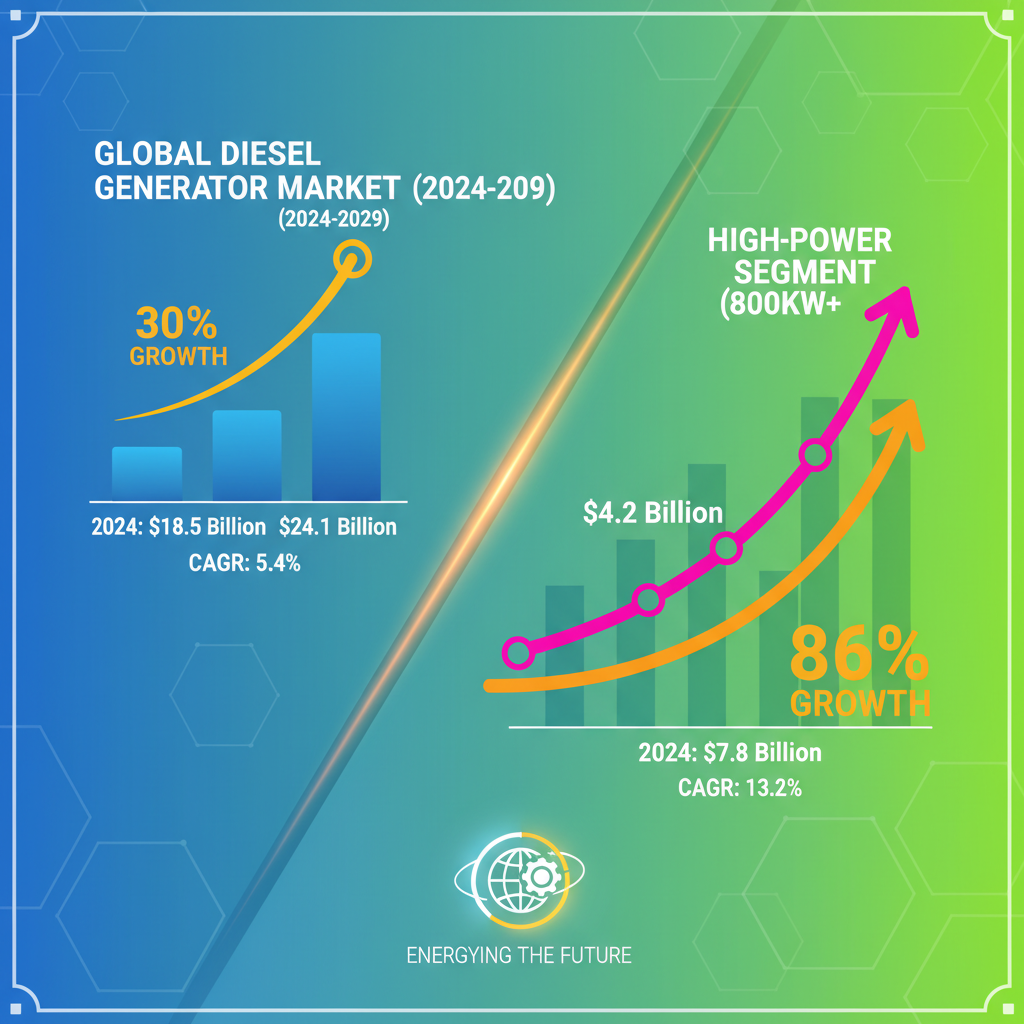
How does altitude change the load factor?
Altitude and air temperature lower the power the engine can develop, so the effective rating drops even when the load factor stays the same. A set rated 400kW at sea level may deliver only about 340kW at 1500m, a derate near 15%. The site load does not change, so the same load now sits at a higher fraction of the reduced rating. A generator in mining sites meets the same altitude rule, with dust and heat raising the effective load on the frame.
The correction is published in the ISO 8528-1 rating framework as part of the rating definitions, and the engine maker's derate curve sets the exact number for each site. Read the altitude before you freeze the rating, because a set that is correctly sized at sea level can be undersized on a mountain site. Tesla Power publishes the altitude limit for every frame in the handover pack so the site team can confirm the true available load.
Which numbers go into the worked example?
Take a standby set rated 400kW at 0.8 power factor, which is 500kVA. The site draws 280kW for 6 hours and 160kW for 12 hours each day, then idles. The delivered energy is 280kW x 6h + 160kW x 12h = 1680kWh + 1920kWh = 3600kWh. The potential energy is 400kW x 24h = 9600kWh. The load factor is 3600kWh / 9600kWh = 0.375.
| Load block | Power | Hours per day | Energy |
|---|---|---|---|
| Day shift | 280kW | 6h | 1680kWh |
| Night baseline | 160kW | 12h | 1920kWh |
| Idle | idle | 6h | 0 |
| Rated potential | 400kW | 24h | 9600kWh |
The 0.375 result means the set works about 37.5% as hard as it could across the day. For a standby frame that is a healthy figure, because it leaves headroom for the outage peak while still exercising the engine on test. The diversity factor matters here: if both blocks ran at once the peak would be 440kW, above the 400kW rating, so the calculation confirms the loads are staggered and the set is correctly sized. See our product range for sets built to each rating.
What does the calculation mean for the quotation?
The load factor reframes the enquiry from "how big" to "how hard". A buyer who sends only a peak gets a set sized for the worst minute. A buyer who sends the interval log gets a set sized for the real duty, often with a smaller frame and a lower price. The generator load factor calculation is the bridge between the two, and it belongs in the enquiry rather than the afterthought.
Hospital and data centre buyers usually need the rules in the NFPA 110 emergency power rules, which set how fast the set must pick up load after a failure. Those rules are published by NFPA and they interact with the load factor because the pickup test is a full-load event. Tesla Power Equipment writes the pickup time required by those rules into the quote, so the buyer can confirm the set meets the site licence before signing.
Site safety and documentation
The calculation is only as good as the log behind it, so treat the meter data as a record, not a guess. Store the interval file with the project number and the set serial, and keep the load bank test trace beside it. A warranty claim years later leans on that pair of documents, and a missing log is the most common reason a claim stalls. See our help and advice library for the document checklist we use on every handover.
Conformity assessment for the EU market is a separate file again, and it names the standards the set was checked against before it left the factory. Tesla Power keeps the three files in one folder per project so an auditor can open one archive and see the load study, the test and the conformity evidence in order. The generator CE marking requirements list exactly which documents the notified body expects, and the folder is built to match that list. The EPA emissions file is a second record, because the engine tier sets what fuel and tuning the set may use on site. Read the full rules at EPA emissions before the set ships.
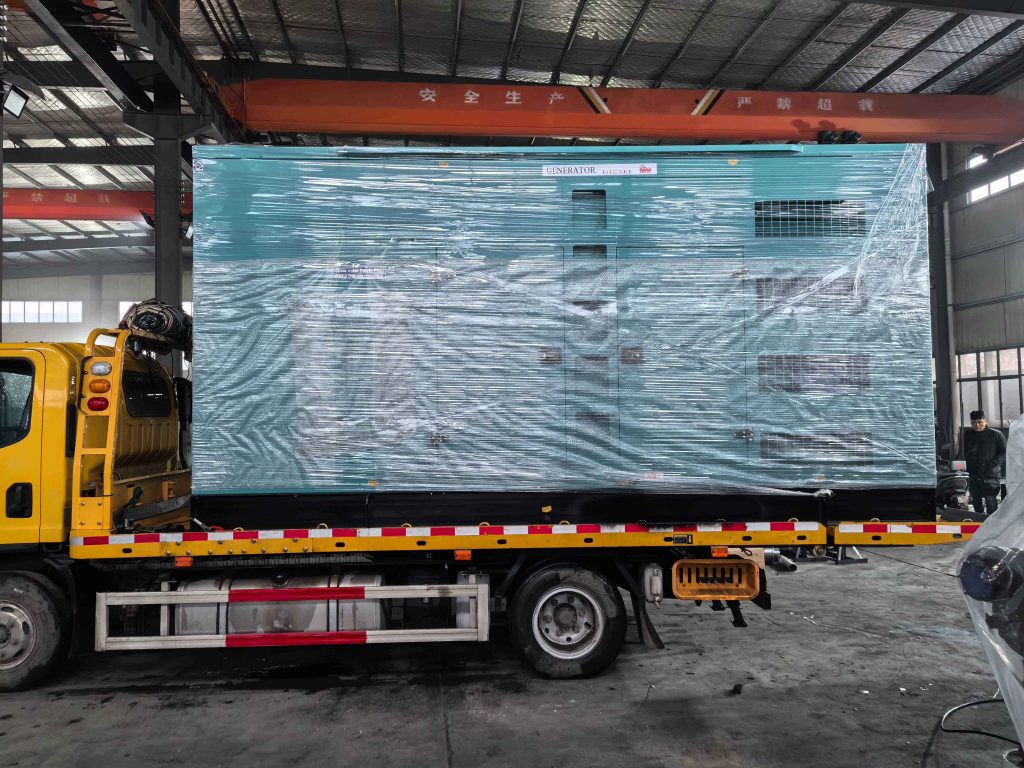
Frequently asked questions about generator load factor
A standby set commonly lands between 0.01 and 0.10 because it runs only during outages and tests. A figure in that band is normal and does not mean the set is oversized. The rating is set by the outage peak, not by the daily average, so a low load factor simply reflects the duty the set was bought for.
Only if the peak is also lower. The load factor describes how steadily the set works, while the peak describes the worst minute. A high average on a tall peak still needs the tall frame. Buy down only when the load study proves both the average and the peak have fallen, not when the average alone looks low.
Power factor links kW to kVA. A 400kW set at 0.8 power factor is 500kVA. If the site load is mostly resistive the practical limit nears the full kVA, but a motor-heavy load pulls current out of phase and the alternator holds the voltage. State the power factor in the enquiry so the kVA and kW figures stay consistent.
Use the rating that matches the duty. Prime duty runs the set for long hours and allows a defined overload, so the load factor is high and the set works hard. Standby duty runs rarely and allows a higher average load for short periods. Mixing the two changes the permitted load factor, so pick the duty first and calculate against that rating.
Long light running can cause wet stacking and carboned injectors, because the exhaust rarely reaches full temperature. A monthly no-load jog does not fix this. A periodic load bank step held at rated load burns off the deposits, which is why the test plan matters as much as the rating. Wet stacking symptoms show up as white smoke and falling power.
For a 120kW set on a single building the panel schedule may be enough, because the load list is short and stable. Above 250kW, or wherever the load mixes motors, compressors and HVAC, the interval log is worth the ask. It catches the evening ramp that a nameplate list hides, and it keeps the generator load factor calculation honest. Compare the duty with our prime and standby rating guide before you commit.
Repeat it whenever the site changes. A new production line, a chiller upgrade or a shift change moves the load shape, and the old factor no longer applies. A quick re-run each time the facility expands keeps the rating right and the fuel budget accurate. Tesla Power re-issues the worksheet on every major site change so the record stays current.