
Diesel generator wet stacking is the carbon and fuel build-up that forms in the exhaust path when a standby set runs below the load its builder recommends. This guide explains the load threshold, the visible signs, and the checks to request with a quotation before you order. Tesla Power asks for the duty paragraph with every low-load enquiry.
- Standby sets that hold under 30% of rated load for long stretches build the deposit fastest.
- Wet black runs at the exhaust elbow and staining inside the stack are the field signs.
- Turbocharger and valve deposits follow, then the exhaust temperature climbs at the same load.
- RFQ check: send the actual load percentage and the weekly run hours with the enquiry.
What is diesel generator wet stacking?
Wet stacking is the accumulation of unburnt fuel, carbon and acidic condensate in the exhaust manifold, turbocharger and stack. The engine burns only part of the fuel it is given at low load, and the remainder leaves as droplets that cool on the metal surfaces. Those droplets carry soot with them, and the soot bakes into a hard tarry layer. The layer thickens every time the set runs light.
The name comes from the wet oily film an engineer finds inside the exhaust elbow after a few hundred light-load hours. A standby set is the usual victim, because a hospital or an office block draws its set for a few hours a month at a fraction of rating. A diesel for prime power duty reaches full load in a mine camp and stays clean. Diesel generator wet stacking is therefore a duty problem before it is an engine problem.
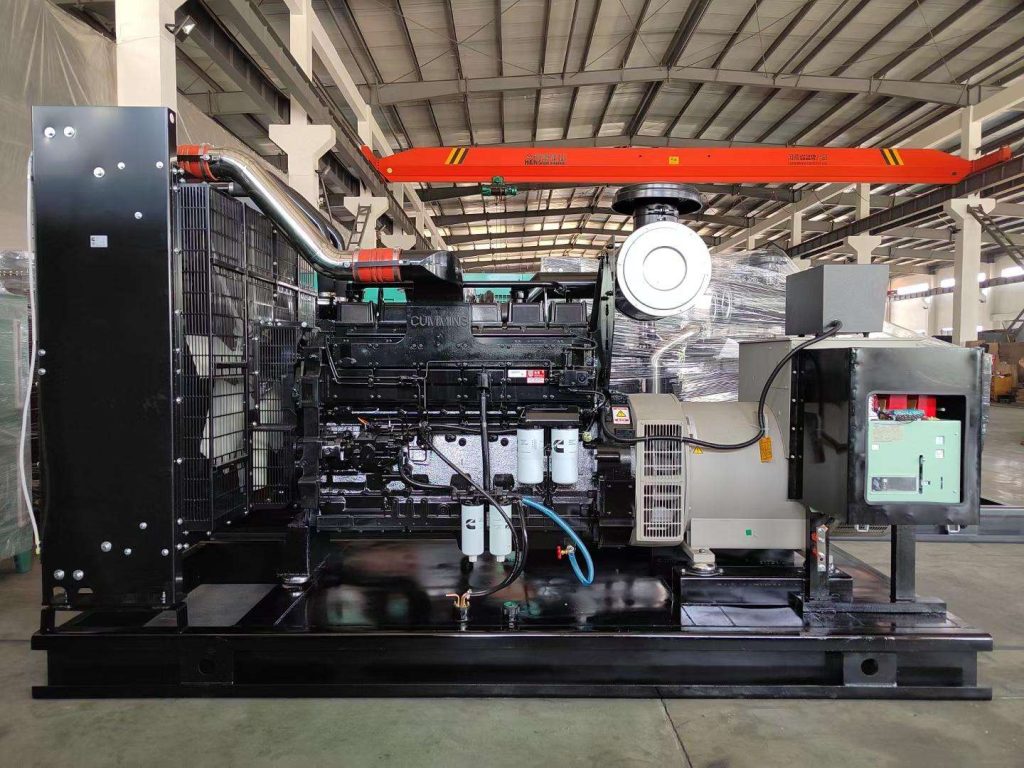
Which load level causes diesel generator wet stacking?
Deposits form once the set runs below the minimum load the engine builder states on the data sheet. That floor is written as a percentage of the standby rating, and it sits near 30% for most four-stroke diesels. At that point the exhaust temperature barely clears the acid dew point, so moisture and acid stay in the pipe instead of leaving it. Above the floor the exhaust runs hot enough to burn new deposit away as it forms.
Work the duty out before quoting any repair. A 500kVA standby set rated at 0.8 power factor delivers 400kW of real power, because 500kVA x 0.8 = 400kW. A site drawing 80kW at the panel runs that set at 80 divided by 400 = 20% of rating, which sits under the floor. Tesla Power builds the duty table into every standby enquiry, so fix the duty first and the repair second.
What does wet stacking look like at the exhaust?
The clearest field sign is a wet black tarry run at the exhaust elbow and inside the first metre of stack. On a canopy build the same deposit shows as an oil-wet seam around the silencer flange. The exhaust bore narrows as the layer grows, back pressure climbs, and the set reads hotter at the same load. Black liquid dripping onto the pad is late-stage evidence, not the first sign to notice.
Earlier signs sit inside the control panel. The exhaust temperature reading at a fixed load creeps up across weeks, and the fuel burned per hour at that same load drifts upward with it. Neither number moves on a healthy engine, so the trend across the weekly test run is the measurement to keep. We ask for four consecutive test-run records before we agree a set is stacking, and the engineering desk notes list what each record should show.
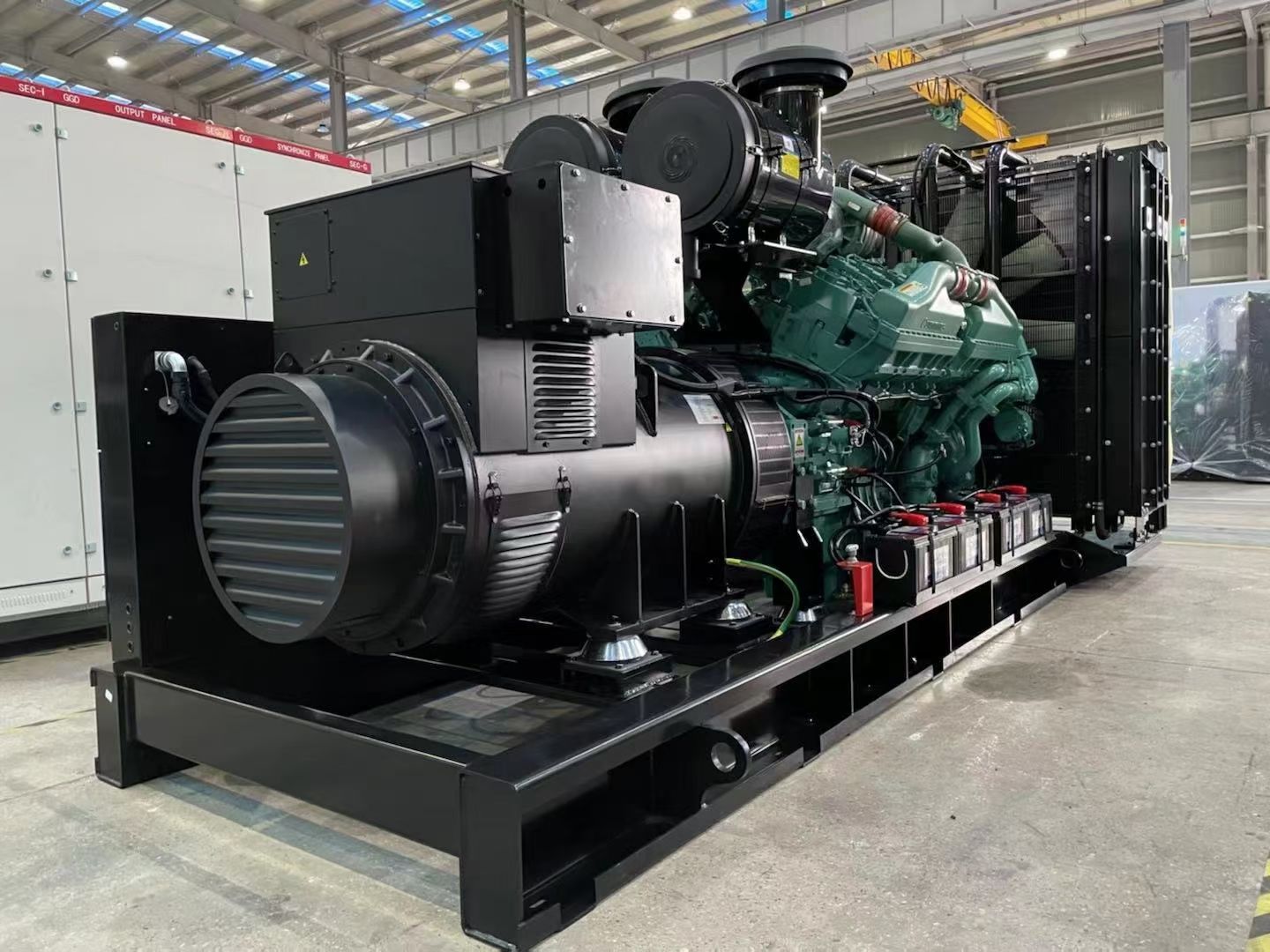
How does wet stacking damage the engine?
The deposit blocks the exhaust path and the turbocharger first. A narrowed turbine housing raises back pressure, the engine works harder to push the gas out, and the charge air temperature climbs with it. Piston rings suffer next, because unburnt fuel washes the oil film off the bore, compression falls and blow-by rises. Once the rings lose their seal the set starts to burn its own oil.
Valves and the exhaust manifold follow the same path. Carbon builds on the valve seat until the valve stops sealing, which shows up as a hard-start complaint on a cold morning. The data sheet states the minimum load and the maximum permitted back pressure, and both belong in the handover pack. Tesla Power Equipment prints the minimum load figure on every standby data sheet it issues, because the number settles later arguments.
What does ISO 8528-1 say about low-load running?
ISO 8528-1 defines the rating classes a diesel generator set is sold against, and the class decides the permitted load window. A standby rating assumes the set runs at or near full load, for a limited number of hours per year. A prime rating assumes continuous duty with a permitted average load factor across each 24-hour period. A diesel generator for standby power carries that minimum load with the rating.
The standard does not fix one minimum load percentage for every engine, so the builder's data sheet governs that floor. Diesel generator manufacturers state that floor as a percentage of the standby rating, and the figure moves with the frame size. The the ISO 8528-1 rating classes page lists the definitions, and NFPA 110 requirements set a monthly test cadence with a minimum load for that test run. Tesla Power builds to the class named on the order, and the Yangzhou build facility page lists the test cells behind that claim.
How do you clear a set that has wet stacked?
Clearing the deposit is mechanical work rather than a chemical shortcut. Drop the exhaust elbow and the stack, scrape the tarry layer out, and inspect the turbocharger turbine for blade damage before anything goes back on. A worn turbo rebuild belongs on the same work order, because refitting a tired turbo to a freshly cleaned elbow buys a few weeks only. Torque every flange to the maker figure and renew the gaskets while the pipe is open.
A chemical soak has a place as the first step, not the fix. The solvent softens the surface layer so scraping is safe, and it does not touch the hard carbon sitting deeper in the stack. Conformity assessment for the export file gathers the minimum load, the test-run cadence, and the rating class into one pack. We treat the cleaning step as the start of the job. Tesla Power schedules that run with the handover.
| Response | What it fixes | What it leaves behind |
|---|---|---|
| Scrape and refit the elbow | Removes the deposit and restores the bore | Back pressure the engine has already logged |
| Chemical soak treatment | Softens the surface layer before scraping | Hard carbon deeper in the stack |
| Monthly loaded test run | Keeps the exhaust hot enough to prevent build-up | Nothing, because it is the prevention |
The third row is the row that matters most, because a loaded test run every month keeps the exhaust temperature above the dew point long enough to burn new deposit away. A site can start that row this week. Why wait for the failure report?
When does a load bank make sense on a low-load site?
A resistive load bank is the answer when the site load cannot reach the minimum the builder states. The bank lands on the alternator terminals, the site load stays on the set, and switched steps raise the total until the set carries its rated output for a fixed period. That run burns the deposit off and proves the set still delivers full output, and it settles the argument about fuel use at full load. The load bank testing steps show how the record is kept.
A 100kVA standby set is the common candidate in an office block, because the true standing load is a few kilowatts. Two or three loaded runs per year hold that set clean, and each run needs a cable route, a place to dump the heat, and a person on the emergency stop. Tesla Power Equipment quotes the loaded test work as its own line, so the site sees what the plan costs.
What belongs on the RFQ for a low-load site?
The enquiry for a low-load site has to state the duty, not just the kVA. Give the actual standing load in kW, the profile of the weekly test run, and the hours per year the set is expected to carry that load. Ask the supplier to name the rating class, the minimum load the engine builder permits, and the monthly test load the site should schedule. The standby canopy range prints the minimum load on each data sheet, and that one paragraph separates a set that runs clean from a set that stacks within a year.
Send the paragraph to the export standby range and ask for the standby data sheet with the minimum load on it. Where the site cannot reach that floor, ask for the loaded test run to be quoted as part of the handover instead of left to the maintenance budget, and send the site load profile to our engineers so the answer comes back against the real figures. Tesla Power reviews every low-load enquiry against the duty paragraph first, then against the price list.
Which records prove a set runs clean?
The record is the weekly test-run sheet, and it needs four columns: date, load carried, exhaust temperature, and fuel burned per hour. A clean set repeats the same temperature and fuel figures at the same load week after week. A set that is stacking shows both figures climbing together while the load stays flat. Three weeks of flat readings is enough to call a set clean.
Keep the sheets with the engine serial number and the rating class named on the order. Four weeks of records give a baseline, and the next four weeks either confirm it or expose the drift. The same sheet shows whether the exercise interval is doing its job. The trend line is the evidence a service discussion leans on, and a missing sheet is the most common reason that discussion stalls.
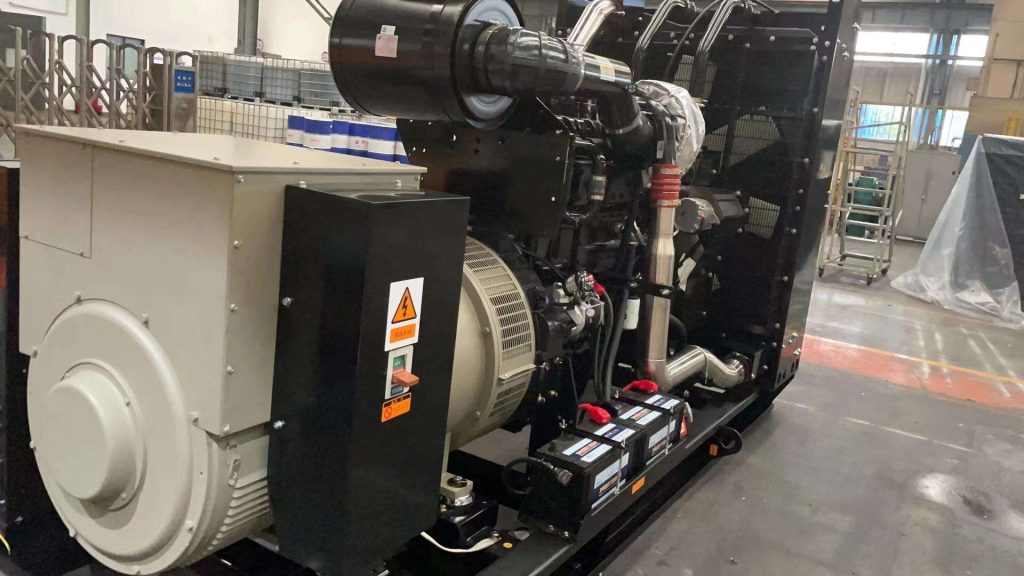
Frequently asked questions about diesel generator wet stacking
Only when the deposit is still a thin layer inside the elbow. Once the carbon has hardened deeper in the stack, the pipe has to come apart so the layer can be scraped out and the turbo inspected. A soak treatment alone leaves the hard carbon in place, and the back pressure keeps climbing. Opening the exhaust is the only step that restores the original bore.
Aim for at least 30% of the nameplate rating, or the exhaust temperature the engine builder states, whichever the maker's instruction names first. That is the same load the monthly test cadence in NFPA 110 expects a diesel set to reach. Chinese diesel generator suppliers answer the same question with a data sheet rather than a catalogue page, and the figure is the one to plan the run around.
It can, because the maker's terms usually tie the warranty to operating inside the data sheet limits. Running a standby set below its minimum load for thousands of hours falls outside that window. Ask for the terms in writing before any claim starts, and keep the test-run records that show the load the set actually carried.
Two or three loaded runs a year hold most light-duty standby sets clean, provided each run lasts long enough to bring the exhaust to temperature. A site that runs the set weekly for exercise still needs those loaded runs, because a light exercise run deposits more than it burns away. The exact count follows the duty, not a fixed rule.
No. Black smoke under load points to a restricted air path or an overfuelling condition, and it clears when the cause is fixed. Wet stacking deposits build at low load and stay in the pipe as a tarry film. The two can sit on the same engine, so record which symptom the site reports before ordering parts.
It can, if the bank's steps push the set past its rated output or the cables are undersized for the current. Used inside the rating with the maker's cable schedule, the bank is a controlled load like any other. A diesel generator in the plant room gets its bank cable route surveyed before the run. Check the bank rating against the set nameplate, and keep one person on the emergency stop for the whole run.
The maker's figure for the loaded condition is the reference, not a universal number. A clean set settles at a stable temperature for a fixed load, and the reading repeats from one test run to the next. A reading that climbs week over week at the same load is the signal that deposit is building, whatever the absolute figure is.
The quote depends on the bank size, the cable route from the bank to the terminals, and the engineer hours the run takes on site. A small standby set on a short cable route is a different job from a large set in a remote plant room. Ask for the line as a separate item with the bank rating named, so the figure can be compared against the next quotation and benchmarked against a second supplier's offer.