
The answer is simple: a generator set for dry dock is sized from the loads that stay on the quay, not from the total installed power in the yard, and Tesla Power sizes every dock order from that list. This guide shows how buyers measure the load and what to request from a supplier before ordering. It walks the dock job list a repair berth actually carries, from lighting on the dock bottom and welding sets through compressed air and bilge pumps, and explains why a yard connected total tells the reader very little. It sets out the two ways to measure the figure, the site walk against the vessel schedule and a metered run on the dock ring main, and names the three readings that decide the rating, the transient class and the duty class. It covers the salt air and quay ambient that cut the plate figure, the enclosure grade a marine site needs, the rating class that suits temporary power, and the fuel autonomy a six week hull repair demands. It closes with the four parts of a comparable quotation and the three documents that prove the set was tested. Send the load list and the room envelope with the enquiry, and the reply comes back priced on the measured figure.
- List every load that stays connected on the quay, because a yard total includes equipment that does not run during a dock job.
- Add the largest motor start on the slipway separately, since a crane or a pump decides the transient class rather than the running total.
- Correct the figure for salt air, quay ambient and any altitude on the yard before the number is written on the offer.
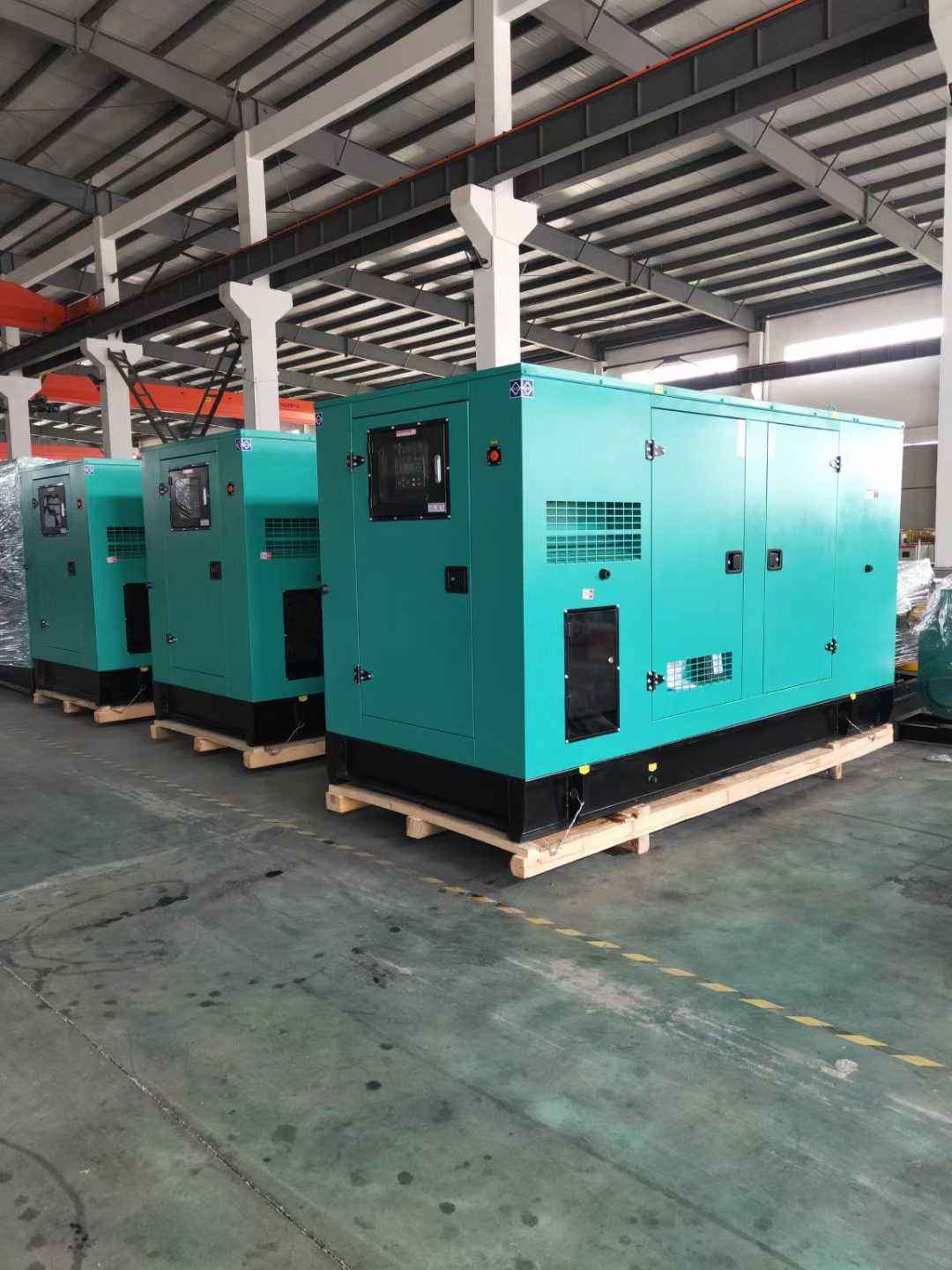
- Send that list with the trailer and container frames built for dock duty, so the quotation rests on the measured load rather than on a catalogue figure.
What does a generator set for dry dock actually power?
A generator for dry dock work runs on a short list that changes with the vessel in the basin. The list holds lighting for the dock bottom and the staging area, welding and cutting sets, compressed air for hull cleaning, a power hatch fan, and small pumps for bilge and ballast work.
It does not hold the yard crusher, the slipway winch house or the paint shop fans, because those stay on the yard grid. That distinction is the whole sizing argument. A yard connected total of several hundred kilowatts tells the reader very little, because only part of it is available while a hull is out of the water.
The dock job list for a coastal repair berth commonly lands between 120kW and 400kW, depending on the crane size and how many welding sets run in one bay. A measured load list is what a supplier can price, and a yard total is not. Chinese generator suppliers quote from the total first and correct it later, which is where two offers on the same berth stop being comparable. A generator for a repair berth is priced on the bay schedule, not on the yard substation.
How is the load at a dock measured before the order?
Two methods work, and the cheaper one is a site walk with the yard planner. Ask for the dock job schedule for the vessel class that arrives most often, then read the connected list off it. The schedule shows how many welding sets run in one bay at a time, and how long each bay is lit during a shift.
Where a schedule is not available, a metered run settles the argument. Clamp the outgoing feeders on the dock ring main for one shift and record the reading every fifteen minutes. The three figures that matter are the highest fifteen minute average, the highest single minute, and the total hours per week above two thirds of the running total. Tesla Power asks for the recording or the schedule, because either one closes the gap a yard total leaves.
- The highest fifteen minute average sets the running rating and the size of the fuel tank.
- The highest single minute figure sets the transient class and the engine oversizing margin.
- Long hours above two thirds of the rating move the duty class from standby toward prime.
Which loads decide the frame at a ship repair yard?
The deciding loads are not the largest ones. A welding set draws a lot of power, but it has a soft start and a poor power factor, so it inflates the kVA demand without creating a hard step. The hard steps come from motors: a bilge pump, a dock fan started against a damper, and the slipway winch when the vessel is pulled onto the blocks.
The second decider is the crane. A harbour crane with a shore supply carries its own starting allowance, because the yard would otherwise run it from the dock generator and hold a set large enough for the heaviest lift. Most yards keep the crane on the yard supply, and that one decision often saves a frame size on the order.
The third decider is the auxiliary set that a berth seldom lists. The tool crib, the office and the small pump house usually run on a separate compact unit, and a yard that keeps them apart protects the small set from salt and from the dock job peaks. A generator set factory that offers both sizes lets the buyer order the split without two suppliers. Tesla Power Equipment builds the small frame range for that reason.
How does salt air change the enclosure choice?
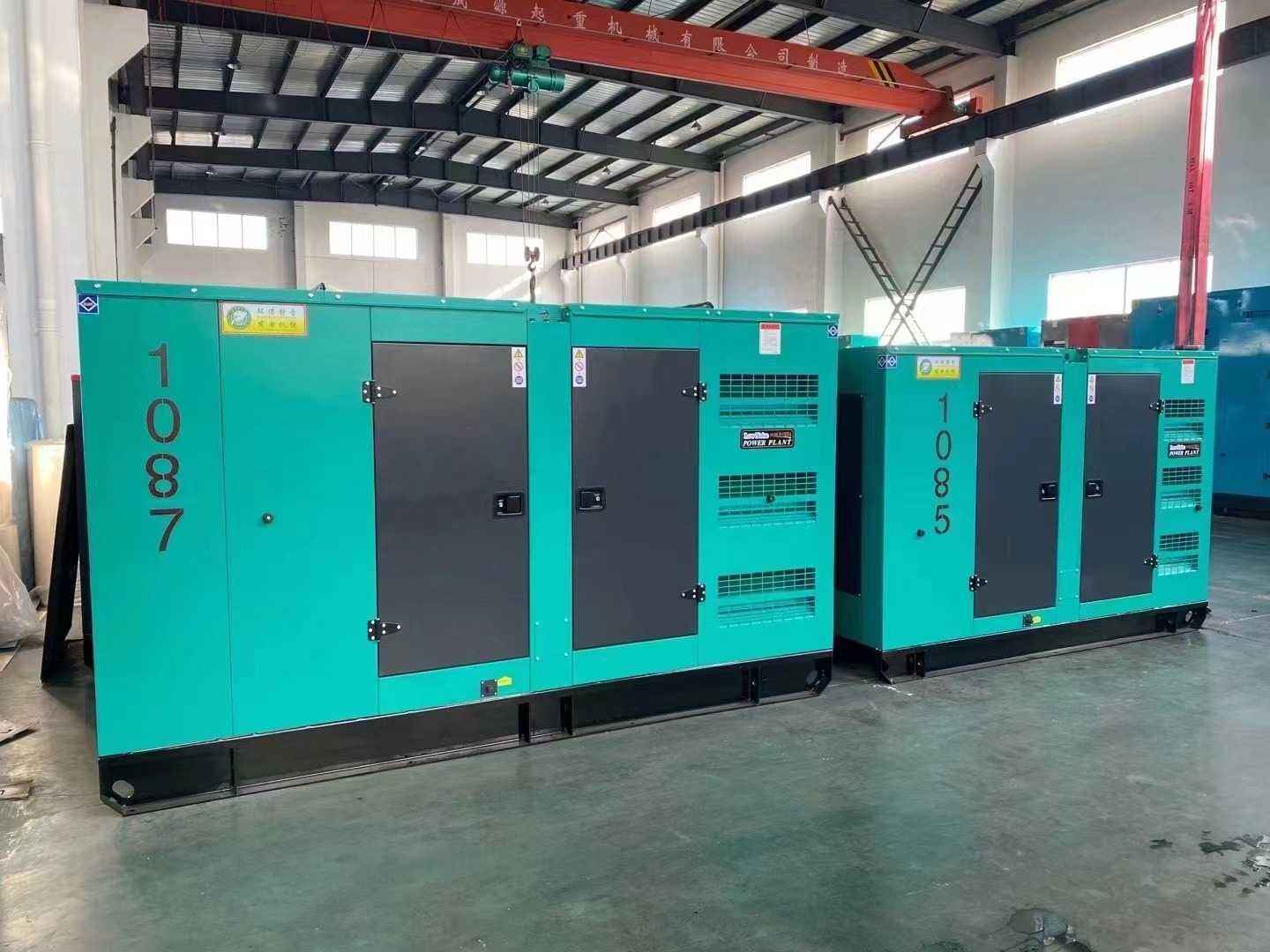
Salt air decides the enclosure faster than the frame does. A dock set stands on an apron where the air carries salt and diesel soot, and the enclosure becomes the part that fails first. An open frame with a painted canopy survives an ordinary season, while a set left without a roof tends to find water in the alternator.
- Check the paint system against the salt spray class named on the offer.
- Confirm the alternator sealing and the terminal box gasket before the crate closes.
- Fix the washdown interval in the service schedule, because salt sits on the louvres between jobs.
The second effect of a marine site is the ambient. Quay temperatures in summer push the intake air well above the 40 ℃ reference condition, and a set working in that air carries less than the plate figure. A corrected rating is what the offer has to carry, because the plate figure describes a bench condition rather than the quay in August. Tesla Power states the correction on the offer sheet rather than in a covering letter.
Worked through on the 400kVA frame, the arithmetic is short. The set delivers 400kVA × 0.8 = 320kW at the reference power factor of 0.8, and 320kW × 4 hours = 1,280 kWh of energy in one shift. Against a 50 ℃ quay intake the usable figure falls by roughly 20%, so the yard plans on about 250kW rather than on the nameplate. For the smaller loads, the compact open frame in the small set range answers the tool crib and the office on the same order.
| Site factor at the quay | What it changes | Figure to put on the offer |
|---|---|---|
| Salt laden air | Corrosion on the alternator and the terminals | Enclosure grade and the washdown interval |
| Summer quay ambient | Loss of output at the intake | Corrected rating beside the plate figure |
| Standing water on the apron | Water in the alternator and the control box | Canopy height and the cable entry |
| Diesel fume near the shed | Soot on the radiator core | Cleaning interval in the service schedule |
What rating class suits temporary dock power?
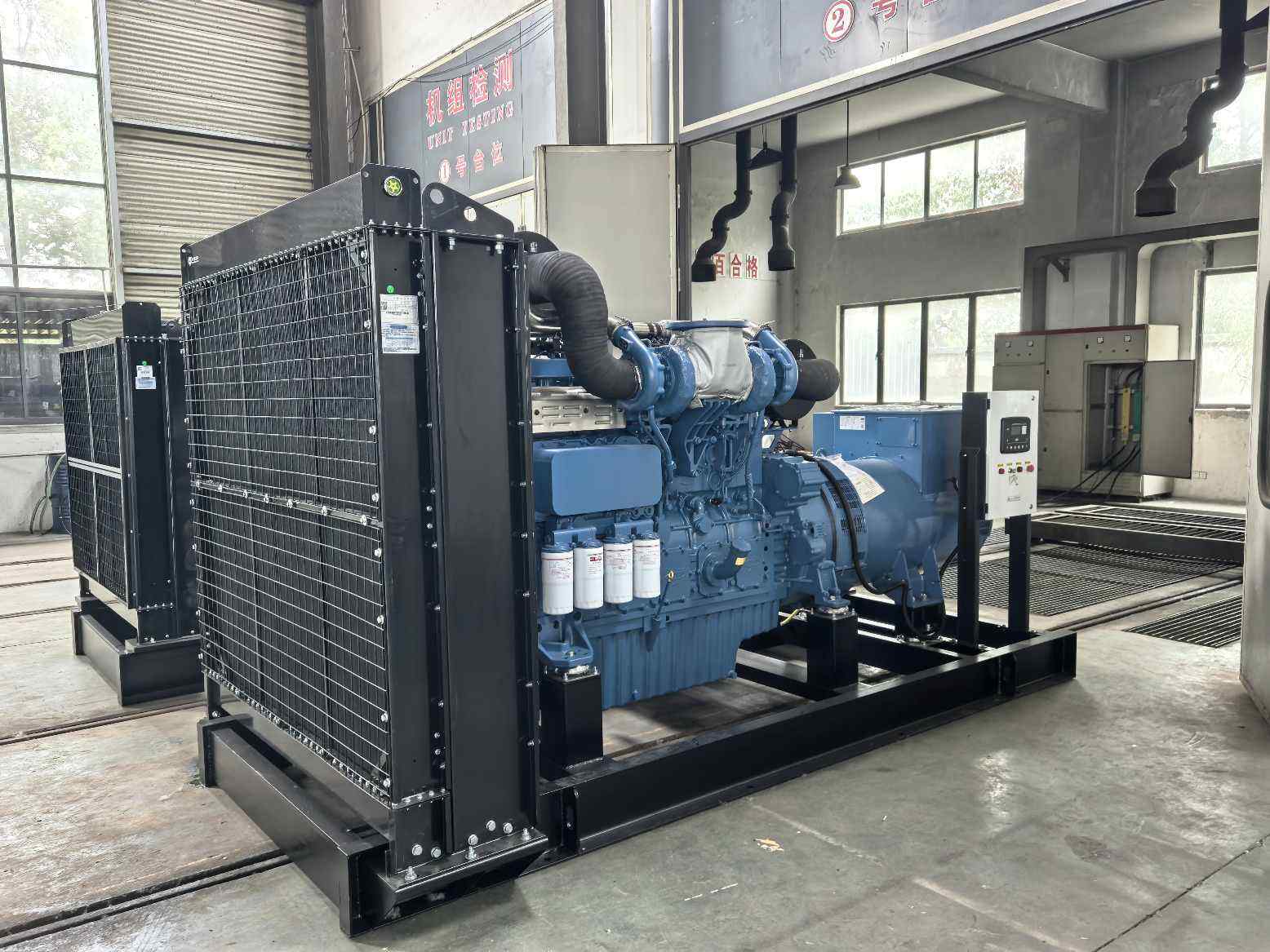
Temporary dock power sits between standby and prime in practice, although the plate has to name one. A dock job runs hard for a few weeks and then the set leaves the yard, so the annual hours are low and the loading during a job is high. Most shipyards order a set marked for continuous running at a reduced figure rather than a set marked for standby, because a standby plate invites a reading of the output that the engine cannot sustain.
The alternative is a standby plate with a stated annual hour limit and a larger frame to cover the same peak. That arrangement suits a yard that keeps one set for emergency quay lighting only. The two routes produce different prices for the same peak figure, and the difference comes entirely from the class printed beside the rating.
Ask which class the quotation names, and ask what the annual hour limit is. A supplier who answers both gives the buyer a set that can be insured and maintained on a defined basis. The note on factory backup generator sizing covers the same class question from the plant side of the market. Tesla Power states the class and the hour limit on the offer sheet.
How long should a dock set stay on load?
The run length follows the vessel, not the shift. A short inspection job of two or three days needs a tank sized for the working day plus a reserve, while a full hull repair that runs for six weeks needs the set refuelled from a yard bowser or a tank on the apron. The deciding figure is the hours per day the set is expected to run.
For a set working a full shift with a lighting load and four welding bays, a day tank with a reserve of one eighth of the daily burn is the usual starting point. The reserve matters more at a dock, because the yard bowser may be busy with a crane move at the wrong moment and the set cannot wait on the apron.
The service interval follows from the same number. A set that runs long shifts near salt air wants shorter oil and filter changes than a set that runs a few hours a week. The article on fuel contamination in export shipments covers the fuel side of that working pattern. A generator set for a dock lighting load that sits idle for weeks needs the same discipline as one that runs daily on a busy berth.
How should a buyer compare two dock quotations?
Compare the basis before the price, and the basis has four parts on a dock order: the running rating, the class, the ambient correction and the enclosure grade. Two offers on the same job should state the same four. Where one offer states a figure with no basis, the comparison stops there, because a higher number on a lower basis is not a larger machine.
The the ISO 8528-5 transient performance classes set out the class definitions that both offers have to name, and the IEC standards catalogue lists the electrical standards behind the data sheet. Neither document tells you which dock the set serves, so the site data still comes with the enquiry.
Ask each supplier for the same six lines: rating, class, ambient basis, enclosure grade, tank figure and the test certificate that travels with the machine. A reply with all six can be compared with a second reply. A reply with only a price and a rating cannot be compared, and most generator manufacturers quote on exactly those two lines unless the buyer asks for more.
Which documents prove the dock set was tested?
Three documents carry the proof, and they arrive in the shipping file. The factory test record shows the machine running at its rated figure with the ambient noted beside it. The nameplate photograph confirms the class, the frequency and the power factor against the data sheet. The packing list ties the serial number to the crate, which matters when a dock set moves between berths.
We ask for all three on every dock order, and our own test bay records the ambient at the same moment as the load, because a figure without the air temperature beside it cannot be read a year later. That habit came from a coastal yard where the set ran eight degrees above the reference condition for most of the summer. Our engineering desk reviews the file before it is packed.
For a generator set for an export order, the paperwork has to cover three separate claims. The generator CE marking requirements decide which declaration goes into the crate, the generator set documentation for dock projects decides what the yard keeps on site, and the customs file decides what the inspector sees at the port. The note on weatherproof generator enclosures shows how the enclosure grade appears in that file. Tesla Power assembles all three before the crate is closed.
What do site engineers check on delivery day?
The delivery check has four steps and takes about an hour. First, compare the nameplate against the quotation line by line. Second, verify the fuel level and the coolant level, then start the machine and watch the readings settle. Third, run the set against a load bank or the site load for a short period and check the frequency, the voltage and the oil pressure. Fourth, record the hour meter and the fuel quantity on the delivery note.
Two details catch most delivery problems. The fuel in a new tank is often only the shipping fill, so a set that arrives low on fuel should not be run hard before the yard refuelling arrives. And a set that has stood on the apron in salt air for three weeks in transit wants the alternator checked for moisture before the first load. A generator in a shipyard yard is also checked for the crane clearance on the apron.
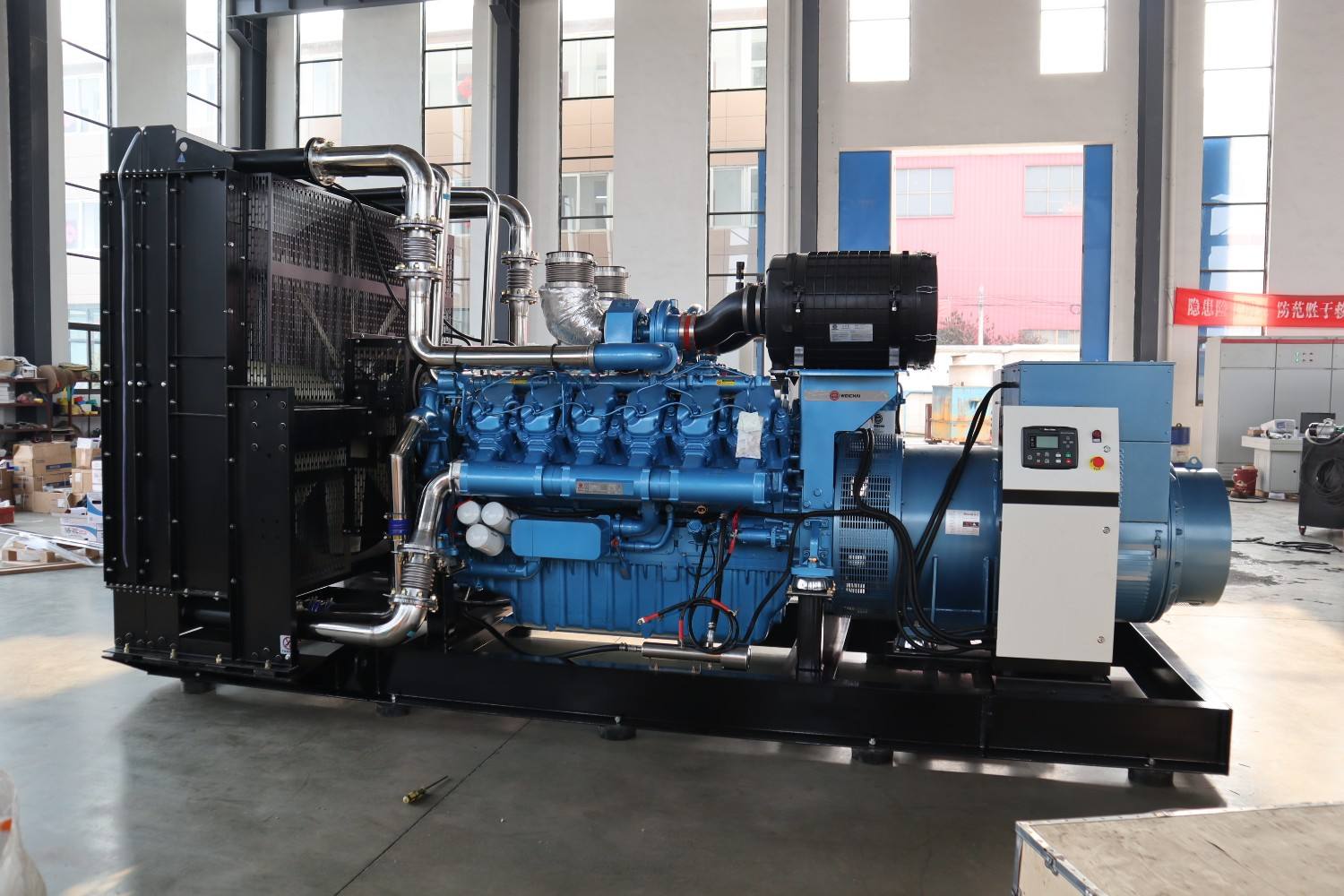
Ask the supplier to name a contact for the first year of service, and ask whether that contact reads the same files the factory keeps. A yard that replaces its site crew every season needs a service history that survives the handover, and the controller log is the part that survives it. The guide to generator room design covers the fixed installation side of the same question, and the access rules apply to a set standing in the open.
Frequently asked questions about generator set for dry dock
A dock set runs the working shift of the yard, which is commonly ten to twelve hours on a full repair and much less on an inspection. The figure matters more than the daily total, because a set that runs twelve hours every day for six weeks collects a duty record that a one week survey cannot show. Ask the yard for the planned duration before the tank is sized.
Most dock sets are bought for continuous running at a reduced figure, because the load sits between forty and eighty percent of the rating for long shifts. A standby plate with an annual hour limit suits a yard that keeps the set for quay lighting only. The class changes the price and the service interval, and it is printed beside the rating.
It depends on how the crane is fed. A crane running from the yard grid costs the generator nothing beyond the lighting and welding load. A crane running from the dock set adds its starting current to the largest step on the site, and a harbour crane with a heavy lift can force a frame several sizes larger than the job needs.
It needs a better one than an inland yard, and the difference shows in three places: the paint system, the alternator sealing and the ventilation louvres. An open frame with a canopy works on a quay, provided the canopy is coated for a marine atmosphere and the set is washed down on a fixed interval. The washdown interval belongs in the service schedule for the set.
One working day plus a reserve is the normal starting point, and the reserve covers the hours when the yard bowser is busy. A job that runs for six weeks should be refuelled from a tank on the apron rather than from the shipping tank, because the shipping fill is a shipping fill. Tesla Power records the tank figure and the reserve rule on the offer sheet.
It can, and two berths usually share the yard grid for lighting anyway. The cable run from a single set to a second berth is long, and voltage drop over that distance belongs in the calculation before the set is ordered. Two smaller sets on each apron often cost less once the cable, the switchgear and the transport are counted.
A factory test record with the ambient noted beside the rating, a nameplate photograph, the enclosure and paint specification, and the controller log with the delivery readings. Ask for the files in the order that the set is shipped rather than afterwards, and ask which company reads them when the yard changes its service contractor. The answer comes from Yangzhou Tesla Power in writing.