
Factory backup generator sizing sets the kVA a plant needs from its real load list. The steps below turn that list into a defensible rating so you can compare standby generator sets and request a scoped quote. Tesla Power's engineering team uses the same load-based method on export projects.
- Start from the connected load list with each item's running kW and motor starting code.
- Apply a demand factor, then convert the result from kW to kVA at the site power factor.
- Add margin for the largest motor start and planned expansion before you request a quote.
What does factory backup generator sizing actually decide?
Factory backup generator sizing decides two separate numbers: the real power the set must deliver and the apparent power (kVA) the alternator must carry. A plant that runs motors, ovens and lighting together needs both figures stated, because an undersized alternator trips on starting current even when the engine has spare horsepower. The rating is a contract with the utility and the process line.
Get the number wrong and the compressor will not start on transfer, or the voltage will sag every time the oven switches on. A disciplined engineer treats the load list as the only valid input and refuses to size from a single nameplate. A written rating also gives the insurer and the local authority a figure they can check against the commissioning record. The rating also sets the spare-part list and the service interval for the whole plant.
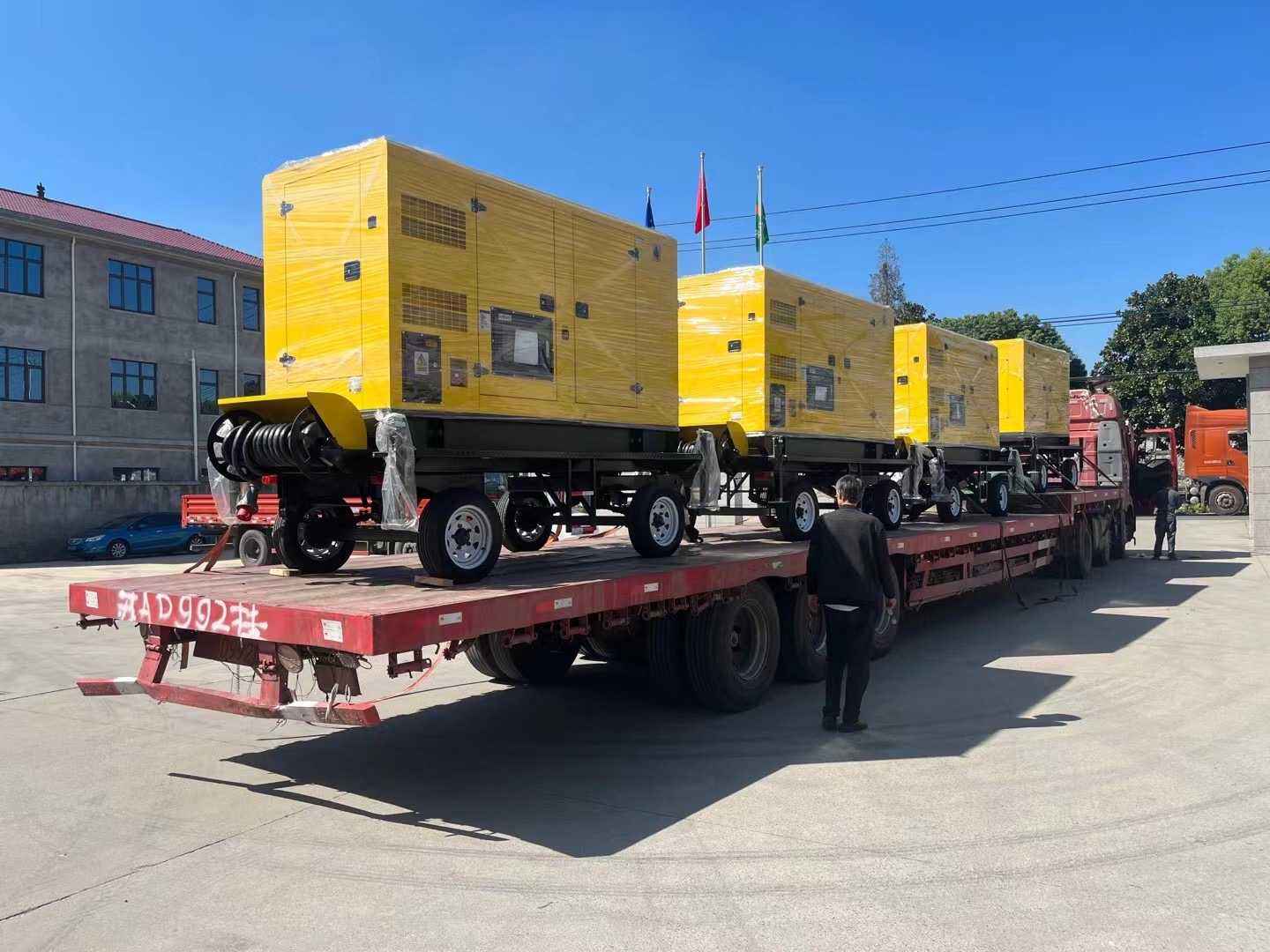
How do you build the factory load list?
The load list is the raw material of the whole calculation. Walk the plant with the maintenance lead and write down every fixed load with its running kilowatt value and its motor starting code. Do not guess: a 250kW air compressor and a 200kW CNC centre look similar on paper but start very differently. China factory backup generator supplier quotes ask for this list first, so build it before you approach any maker.
Group the loads by duty: continuous, intermittent and standby. A pump that runs ten minutes an hour does not size the set the way a process line does. Record the power factor of each major load where the data sheet states it, because mixed power factors change the kVA you finally need. The method that factory backup generator manufacturers publish still guides the estimate, but the site list wins for your plant.
| Plant load | Running kW | Starting code | Start impact |
|---|---|---|---|
| Air compressor | 250kW | High | High inrush |
| CNC machine centre | 200kW | Medium | Moderate |
| Process heating | 150kW | Low | Low |
| HVAC plant | 120kW | Medium | Moderate |
| Lighting and auxiliaries | 80kW | Low | Low |
The table above sums to 800kW of connected load. The starting code column drives the transient check later, not the continuous rating, so keep it separate from the running total. A clear list also lets factory backup generator OEM manufacturer partners quote against the same numbers instead of their own assumptions.
Why does demand factor change the kVA number?
Yangzhou Tesla Power sizes from the demand factor because a plant does not run every load at once. The connected total is 800kW, but the realistic simultaneous load is lower, often around 80 percent once diversity between shifts and processes is counted. Applying a 0.8 demand factor brings the working load to 640kW, which is the figure the alternator must actually serve.
Skip the demand factor and you pay for a 800kVA set when a 688kVA frame would do. The factor is not a guess: it comes from the plant's own run logs or a standard diversity table for the industry. Factory backup generator sizing for the textile mill uses a tighter factor than a continuous process plant, because weaving stops and starts in shifts while a refinery runs flat.
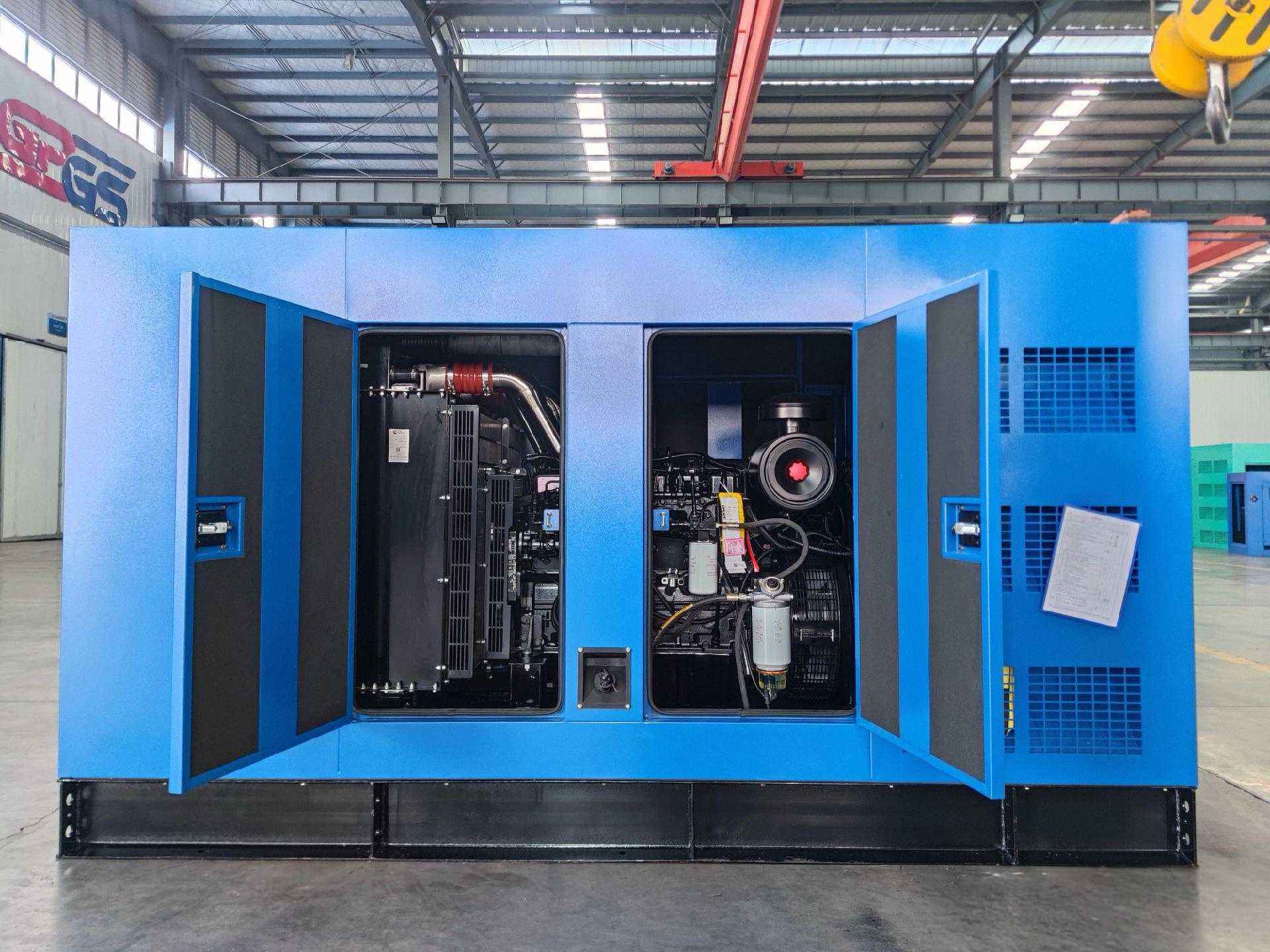
How do you convert kW to kVA at 0.8 power factor?
The conversion is the step most buyers get wrong. Real power in kW and apparent power in kVA differ by the power factor, the ratio of useful power to total current drawn. At the 0.8 power factor common on industrial sites, divide the kW by 0.8 to reach kVA. Our 640kW working load becomes 800kVA, which is the alternator rating you specify.
Tesla Power states the power factor in every enquiry, because a set sized from kW alone understates the alternator. A site at 0.9 power factor needs less apparent power for the same kW, while a rectifier-heavy site at 0.7 needs more. Factory backup generator sizing for a food plant often lands near 0.85 because of variable-speed drives, so confirm the figure before you freeze the rating. The rating classes are defined by the ISO 8528-1 standard, so quote the class your process needs. Send our engineering desk your load list for a scoped quote that states both figures.
What starting current does the largest motor add?
The largest motor sets the voltage dip at transfer, not the continuous rating. A 250kW motor can draw six times its running current for a few seconds, and the alternator must hold voltage through that transient. The subtransient reactance printed on the data sheet sets how far the voltage dips, so ask for it in writing before you place the order.
Tesla Power quotes the voltage dip at full motor start as part of the rating, because a set that holds kVA but sags below the drive trip point is still a failure. Size the alternator with margin for that one starting event, then verify it with a load bank test on site. Factory backup generator sizing in the mining camp faces the same rule, where crushers and haul trucks draw the heaviest starts. The set still fails if the margin is omitted.
Which site conditions force a derate?
Two site conditions shrink the usable rating before you order. Above 1000m altitude the engine loses air density and output drops about 1 percent for every 100m climbed. Above 40°C ambient the coolant margin falls and the set must run de-rated, again roughly 1 percent per degree up to the maker limit.
| Condition | Derating | Reference |
|---|---|---|
| Altitude above 1000m | about 1% per 100m | per ISO 3046 |
| Ambient above 40°C | about 1% per °C | per the data sheet |
| High humidity | consult maker limit | per the data sheet |
Read the site altitude and summer temperature before you accept any rating, then subtract the derate from the 800kVA frame to see the real delivered power. Tesla Power publishes the derate curve in the handover pack so the buyer can check it against the local condition. Factory backup generator sizing for the data centre usually skips this step at grade level, but a roof-mounted set in a hot climate still needs it. See our help and advice pages for the room design checklist.
Factory backup generator sizing for a food plant
A chilled-food plant was sized from the list above. The connected load was 800kW, the demand factor 0.8, giving a working load of 640kW. At the site power factor of 0.8 the apparent load is 800kVA, so the 800kVA frame fits with no margin to spare.
The worked line is short and checkable: 800kW connected load × 0.8 demand factor = 640kW. 640kW ÷ 0.8 power factor = 800kVA, so the 800kVA frame is selected. Add a 1250kVA frame if a second production line is planned, because the derate and the future line together outgrow 800kVA. Factory backup generator sizing for a food plant therefore lands on 1250kVA once expansion is in the contract. The same load list also drives the ATS size and the cable rating, so one calculation feeds the whole installation.
How do you lay out the generator room?
The room layout protects the rating you just calculated. Place the set on a concrete plinth with clearance for radiator discharge and a straight intake path, because recirculated hot air is the quiet derater on every site. Keep the control panel accessible and the exhaust away from intakes and occupied spaces.
Size the room for maintenance, not just for the set footprint. A 1000kVA or 1250kVA frame needs crane access for the alternator and a clear path to the ATS. The layout engineer draws the clearance from the derate curve so the room matches the local temperature, and Tesla Power asks the buyer to sign off before concrete is poured. Why risk a set that cannot start the compressor because the door will not open?
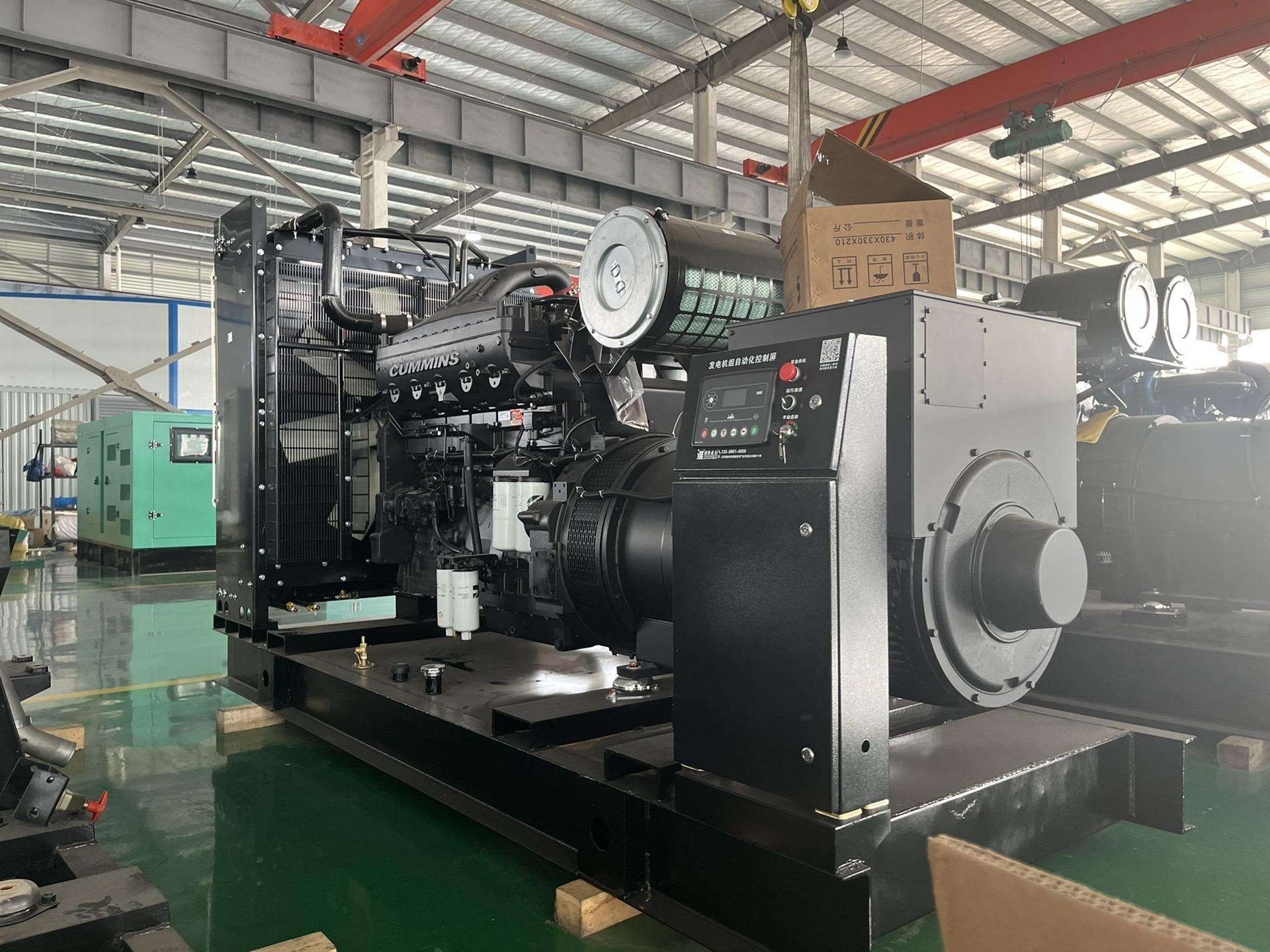
What documents prove the rating is correct?
The rating is only as good as the paper behind it. The commissioning file should hold the load list, the calculation, the derate check and the load bank record, each signed on the day. The project folder keeps these records for five years so a third party can audit the number without our help.
For export, the file also needs conformity documents. The conformity assessment for the EU market builds on the same load list and the derate record, so the file does double duty for CE marking and export. Ask the supplier for both before you pay the balance, because retrofitting compliance after delivery is slower than building it in. The transfer rules follow the NFPA 110 emergency power rules, and the emissions limit follows the EU NRMM Regulation (EU) 2016/1628.
Frequently asked questions about factory backup generator sizing
kW is the real power that does useful work, while kVA is the total current the alternator carries including the reactive part. At 0.8 power factor, divide kW by 0.8 to get kVA. A set sized only in kW can still trip on starting current because the alternator sees the full kVA, so state both figures in the enquiry.
Add 10 to 25 percent above the calculated kVA for future load and the derate. A 800kVA working figure becomes a 1000kVA or 1250kVA frame once expansion and altitude are counted. The margin is not waste; it keeps the set out of overload when a second production line starts years later, and it absorbs the summer temperature derate.
Size from the demand load, which is the connected total after the demand factor. The connected load overstates the set because a plant rarely runs every machine at once. Use the run logs or an industry diversity table to set the factor, then convert that working load from kW to kVA at the site power factor. The connected list still matters for the starting-current check.
At altitude the air is thinner, so the engine draws less oxygen per stroke and makes less power. Above 1000m the drop is about 1 percent for every 100m climbed, per ISO 3046. A set rated 800kVA at sea level may deliver closer to 688kVA on a high site, so read the altitude before you accept the nameplate rating as delivered power.
The largest motor's starting code matters most, because it sets the voltage dip at transfer. A high-code 250kW motor can draw six times its running current for a few seconds, and the alternator must hold voltage through that. Ask the maker for the subtransient reactance, then verify the dip with a site load bank test before you sign acceptance.
Recheck the rating whenever the plant adds a major load or moves site. A new production line or a roof-mounted set in a hot climate changes both the demand and the derate. Tesla Power recommends rechecking at each expansion and keeping the updated calculation in the commissioning file so the insurer and the authority have a current figure. When the room moves, read our generator room ventilation guide because airflow sets the real derate.
A set can serve both, but the rating and the maintenance interval differ by duty. Standby sets run a few hours a year and size from the whole connected load, while prime sets run continuously and need a larger frame for the heat. State the duty in the enquiry, because a standby-rated set pushed to prime duty will fail early. The calculation method stays the same; only the margin and the run hours change. Read our power ratings guide for the standby and prime definitions.
Ask the supplier to verify the final number against your load list before you pay. A qualified China factory backup generator supplier will return the calculation, the derate check and the load bank plan together — Tesla Power Equipment does the same on export projects, with the signed record in the handover pack. Compare two or three offers on the same list, and confirm the alternator subtransient reactance, because that figure decides whether your largest motor will start. See our latest project news for sets sized the same way.