
Genset total cost of ownership is the full price of running a diesel set across its service life, and Tesla Power states the fuel, service and finance figures on every export quotation. Buyers who skip the running cost and quote only the list price miss the largest supplier line on the order.
- Read the 400kW export set before the number, because the frame carries more than one rating.
- Put fuel, service and finance on one page so the comparison stays honest.
- Ask the seller to name the duty class behind every figure on the offer.
- Keep the running hours in view, since they move the fuel line more than the list price does.
What does genset total cost of ownership include?
Genset total cost of ownership is the list price plus everything the set costs to own and run: fuel, oil, filters, coolant, scheduled service, spare parts, overhaul, finance and the labour to keep it running. It also covers the cost of downtime when the set fails and the cost of the shelter, cables and transfer switch around it. A low list price can hide a high running cost, so the two have to be read together on the same sheet.
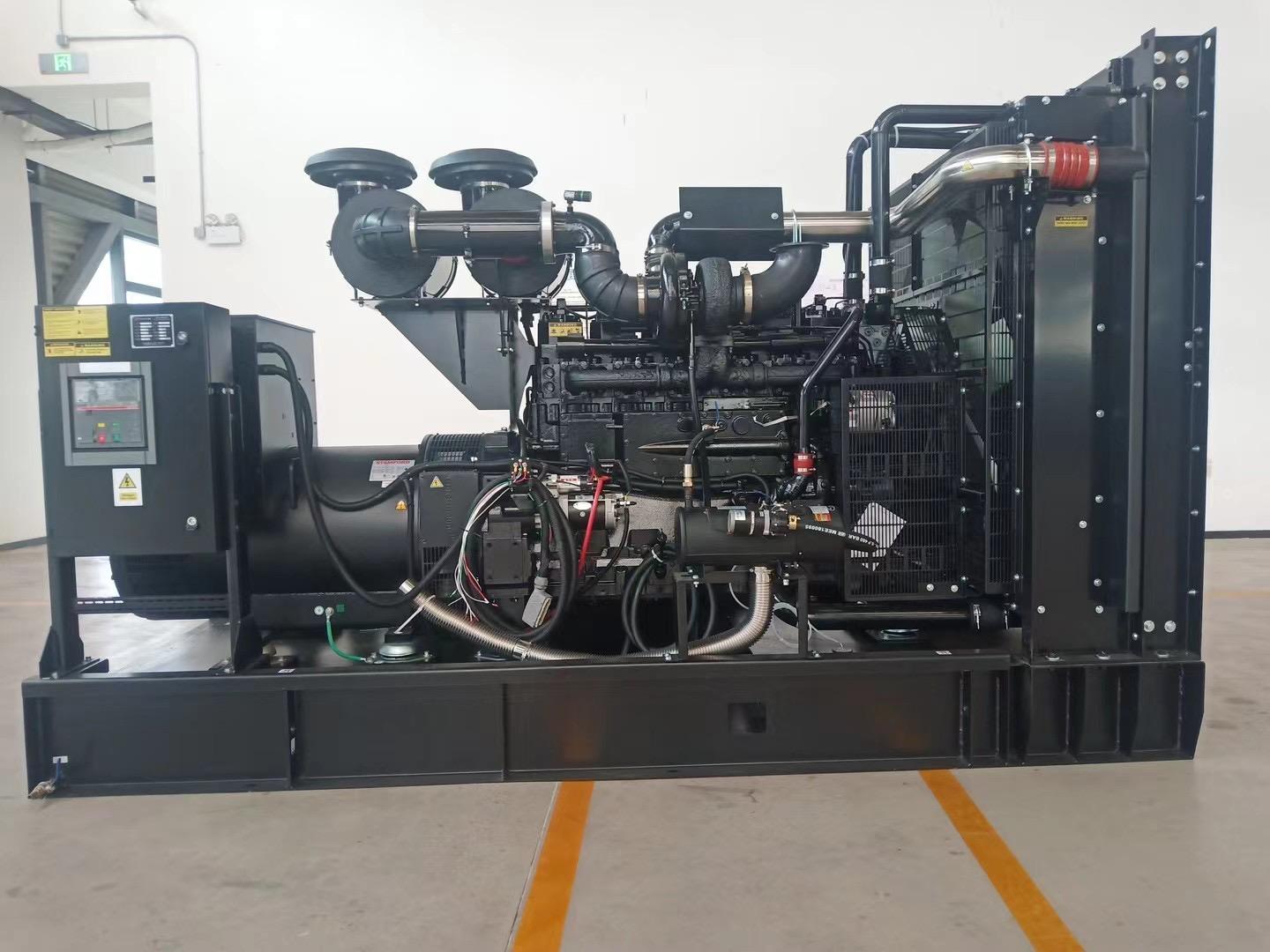
Tesla Power separates the capital line from the running line on the same quotation, so a buyer can see where the money goes over five or ten years. The duty class moves both lines, because a prime-rated set services more often than a standby-rated one. Compare the two lines side by side before the frame is fixed, and the cheaper set is not the cheaper ownership in every case.
Which running cost lines change the total most?
Fuel is usually the largest line for a set that runs daily. A 500kVA set at 0.8 power factor is 400kW, and at a site load of 320kW it burns a measurable volume of diesel every hour it runs. Service is the second line: oil, filters, coolant and the labour to fit them, on an interval set by the duty class. Finance is the third, and it scales with the list price rather than the running hours.
| Cost line | Share of TCO (daily run) | What sets it |
|---|---|---|
| Fuel | 45 to 60 percent | Running hours and site load |
| Service | 15 to 25 percent | Duty class and interval |
| List price | 12 to 20 percent | Frame and alternator |
| Finance and parts | 8 to 15 percent | Term and local stock |
The table above ranks the lines by how much they move the total for a daily-running site. Fuel and service dominate, while the list price is a smaller share than most buyers expect. China genset manufacturers quote all of these lines on one sheet, so the comparison stays on the same basis. A buyer who reads only the list price compares the wrong number, and a genset for a hospital site has to count the diesel line before the frame is chosen. A genset for a data centre adds cooling and step-load lines that a small site rarely budgets, so the comparison has to reach past the nameplate.
What does the worked example show for two frames?
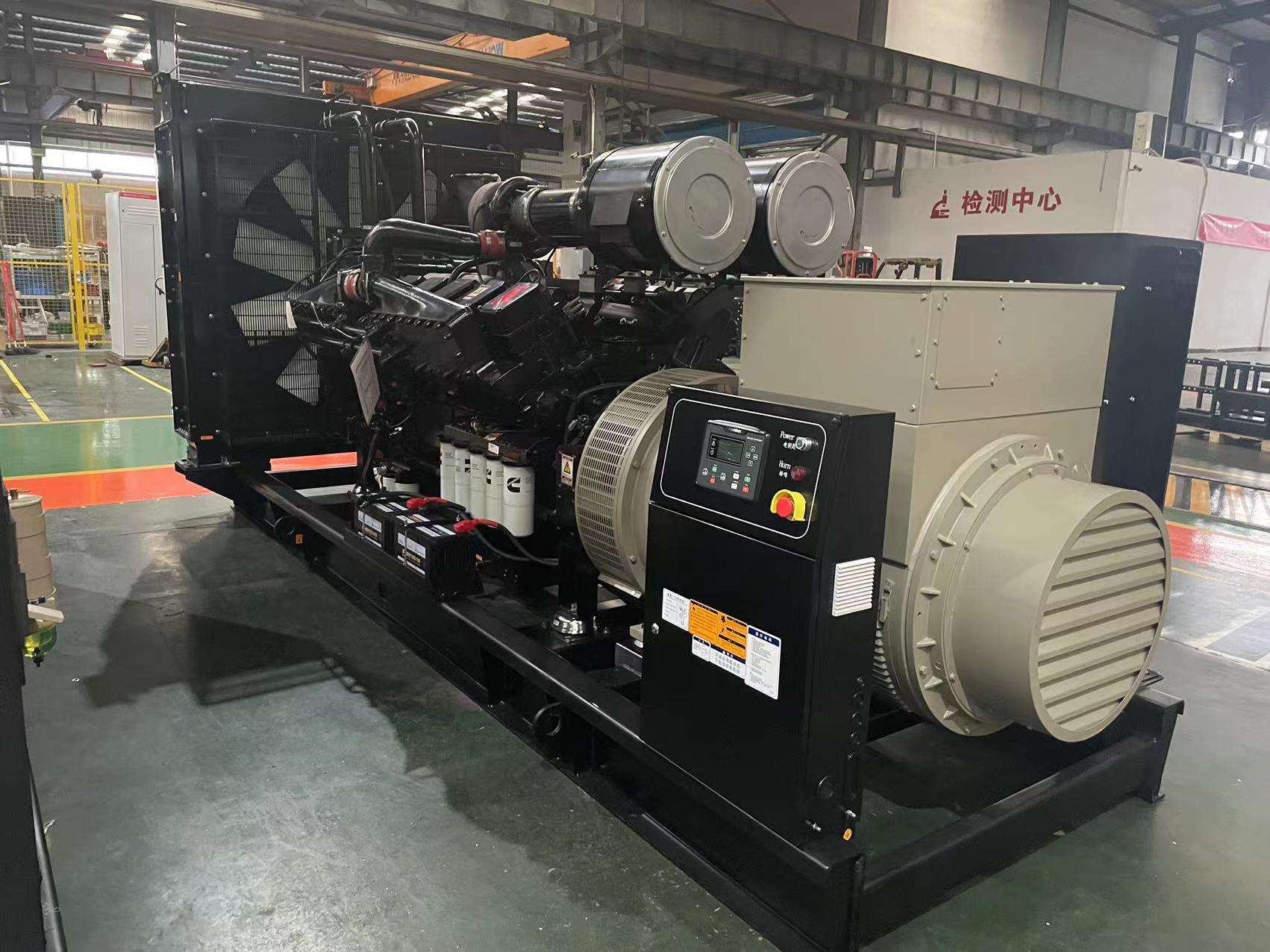
Take one 500kVA set at 0.8 power factor = 400kW and one 1000kVA set = 800kW. At a site load of 320kW the smaller set runs at 80 percent load and the larger at 40 percent, so both burn diesel but the larger carries spare capacity. Running 2,000 hours a year at 0.25 USD per kWh the 400kW load costs 160,000 USD in fuel. The 800kW set at the same load costs the same fuel, because the load is what burns.
The difference appears when the load grows. If the site later needs 640kW, the 500kVA frame is overloaded while the 1000kVA frame still has margin, and the fuel line on the larger set is only 1.2x. A buyer who sizes only on today's load can pay more in a second set than the spare capacity would have cost. Tesla Power works the running hours into the frame choice before the price is fixed, and the same genset for mining carries a heavier service line than the same set on a standby site.
How does the duty class move the service line?
The duty class sets how often the set is serviced, because a prime-rated set runs every day while a standby-rated set runs a few hours a month. A daily-running set needs shorter oil and filter intervals, so its service line over five years is several times the standby set's. The alternator and engine are the same frame, but the maintenance clock is not, and the power factor stays fixed at the rating the maker published.
Most engine makers tie the warranty to the duty class on the order, so a set sold as standby and run as prime can fall outside cover. The answer is to buy the class the site needs and put it in writing on the purchase order. Our engineering help pages list the intervals by class, and Yangzhou Tesla Power issues the service schedule with the class printed at the top so the site team works from the right table.
Where do buyers misread the total cost?
The first misreading is to treat the list price as the cost. It is the smallest line for a daily-running site, and the fuel line overtakes it within the first year. The second is to assume two offers at the same list price carry the same running cost, when one may be prime-rated and the other standby-rated. The third is to ignore finance, which scales with list price and can add a fifth to the total over a term.
A life-safety system also has to meet NFPA 110 requirements for start time and runtime, and that standard adds a compliance line most price lists omit. The altitude derate note shows how site conditions move the same rating again, and the derate changes the fuel line with it. Tesla Power quotes the duty class and the derate on one page so the two offers compare on the same basis, and a genset in Africa adds the freight and duty lines that a local buyer rarely sees.
What should the enquiry state about cost?
State the running hours, the load profile, the fuel price you pay locally, and the service interval the site can keep. Those four items let an engineer price the running cost without guessing, and they turn a list-price question into a total-cost answer. A site that runs daily at a steady load is a prime case, and the service line changes with it.
Ask for the rating definition the seller used and the source document behind it, and ask whether the figure is prime or standby. Chinese genset suppliers often quote the standby figure because it looks larger, so the class has to be named in the reply. Tesla Power Equipment states the class next to the figure, so the two offers can be compared on the same footing before the order is placed.
How do standards affect the quoted cost?
The rating behind the number is not optional, and the the ISO 8528-1 rating classes set what prime, standby, continuous and data-centre power each mean. A set sold on one class and run on another burns more fuel and services more often than the quotation assumed. Emission rules add a line too: EPA emissions tiers can require a different engine or aftertreatment in some markets, and that moves both list price and service.
Put the standard and the tier on the quotation so the comparison stays honest across borders. A buyer who imports a set without checking the local tier can face a retrofit cost that no price list showed. Tesla Power asks for the running hours and the local rules first, then sizes the frame and prices the full ownership on one sheet. The genset documentation for export sits with the data sheet, and the genset quality records for audit cover the service line the list price leaves out.
Frequently asked questions about genset total cost of ownership
No. For a daily-running site the list price is often the smallest line, and fuel plus service overtake it within the first year. Read the quotation as a five-year total, not a sticker, and the cheaper frame may cost more to own.
Fuel is usually the largest for a set that runs every day, followed by scheduled service. The list price is a smaller share than most buyers expect, so comparing only list prices misses the lines that matter.
Yes. A prime-rated set services more often than a standby-rated one, so its service line over five years is several times larger. The frame is the same; the maintenance clock is not, and the warranty follows the class.
The fuel line scales with running hours and site load, not with the list price. A set that runs 2,000 hours a year burns far more than one that covers a few outages, and that gap widens the longer the contract runs.
Finance scales with the list price and the term, and over a multi-year term it can add a meaningful share to the total. A lower list price with a longer term is not the lower total in every case, so read the two together.
They may quote different duty classes or different emission tiers. One may be prime-rated and the other standby-rated for the same frame, and the running cost follows the rating rather than the machine. Name the class before you compare.
The duty class, the rating definition, the running hours, the local fuel price and the emission tier. Add the power factor, because the kW figure depends on it, and send the load profile so the offer carries the class and the full cost on one page.
Send the running hours, load profile, local fuel price and service plan to Tesla Power with the site conditions, and the offer will carry the duty class, the derate and the five-year ownership on one sheet rather than a single list price. Contact our export desk with the load profile, or read the factory profile before the order is placed.