
Genset type approval decides whether the rated output on a plate may be sold into a given market, and the check is a document exercise. This guide lists the records to request with a quotation, the plate fields to compare, and the changes that void an approval.
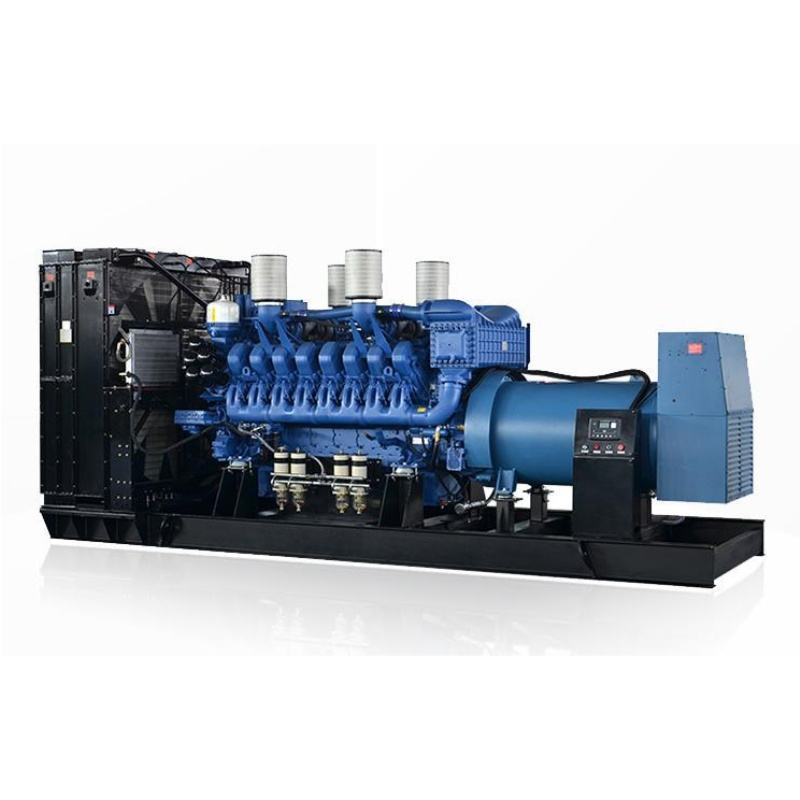
- Take the approval number from the certificate, not from a dealer sheet. Our product range shows where Tesla Power fixes the plate on each build.
- Match the approved rating to the plate figure, because a set re-rated after approval leaves the approved band.
- Ask for the engine family designation, since an approval attaches to a family and not to one serial number.
- Check the market, because an approval issued for one customs territory carries no weight in another.
What does a genset type approval certificate cover?
A genset type approval certificate covers a type, not a single unit. It names the engine family, the ratings approved inside that family, the test cycle used to measure them, the issuing authority and the certificate number. Any set built to that type may then be placed on that market without a fresh emission test on each unit. The approval therefore sits upstream of the order, not beside it.
The certificate itself is short. The schedule behind it carries the substance, because the schedule lists the approved output at each rating class and the conditions behind each figure. A certificate quoted without its schedule proves very little. Ask for the page that qualifies the number, and read the rating class before the power figure, since one engine is often approved at more than one level.
Which parts of the set does the approval list by number?
The approval lists the engine by family and type number, and it lists the exhaust after-treatment device as a separate line. The alternator, the canopy and the controller sit outside an emission type approval, so a canopy change or a controller swap does not disturb the file. The engine and its exhaust path do.
Read the schedule as a chain. The engine type number links to the certificate, the certificate links to the approved ratings, and the ratings link to the plate fixed on the set. A break at any link turns the paperwork into a claim instead of a record. An inspector at the port follows exactly that chain, paper in hand. Tesla Power prints the engine type on the plate schedule for that reason.
How is the approved rating converted to kVA and current?
Convert the approved figure and the plate follows. An approval states active power in kW at a declared power factor, while a plate carries apparent power in kVA, so the two numbers are linked rather than equal. Divide the approved kW by the power factor to recover kVA, then divide by root three times the line voltage to reach current.
Take an approval at 400kW on a 0.8 power factor basis. The arithmetic runs 400kW ÷ 0.8 = 500kVA, and at 400 V the line current is 500kVA ÷ (1.732 × 400 V) = 722 A per phase. Those three figures belong together on the plate, in the schedule and in the cable calculation.
Numbers that disagree are a warning, not a rounding error. A plate reading 550kVA beside a schedule approved at 400kW implies a power factor near 0.73, which no rating class on the site uses. Ask which figure moved, then ask for the revised schedule before the order is placed. Tesla Power quotes the pair so the buyer can run that sum without an engineer. The ISO 8528-1 rated output definitions set out the rating classes those two figures are declared against.
Which records does a buyer request with a quotation?
Ask for six items and the comparison becomes mechanical: the certificate copy, the approved schedule, the engine family designation, the test report reference, the declaration reference, and the plate layout drawing. The genset type approval for an import file rests on that set, and a supplier who sends the number alone is asking you to trust a figure you cannot check.
| Record | Who issues it | What it settles |
|---|---|---|
| Approval certificate | The market authority | The type was examined for that territory |
| Approved schedule | The authority, with the engine maker | The rating the certificate actually covers |
| Engine family sheet | The engine maker | Which type number the set was built to |
| Declaration of conformity | The manufacturer | The unit meets the rules that apply to it |
| Plate layout drawing | The assembly plant | The printed rating matches the schedule |
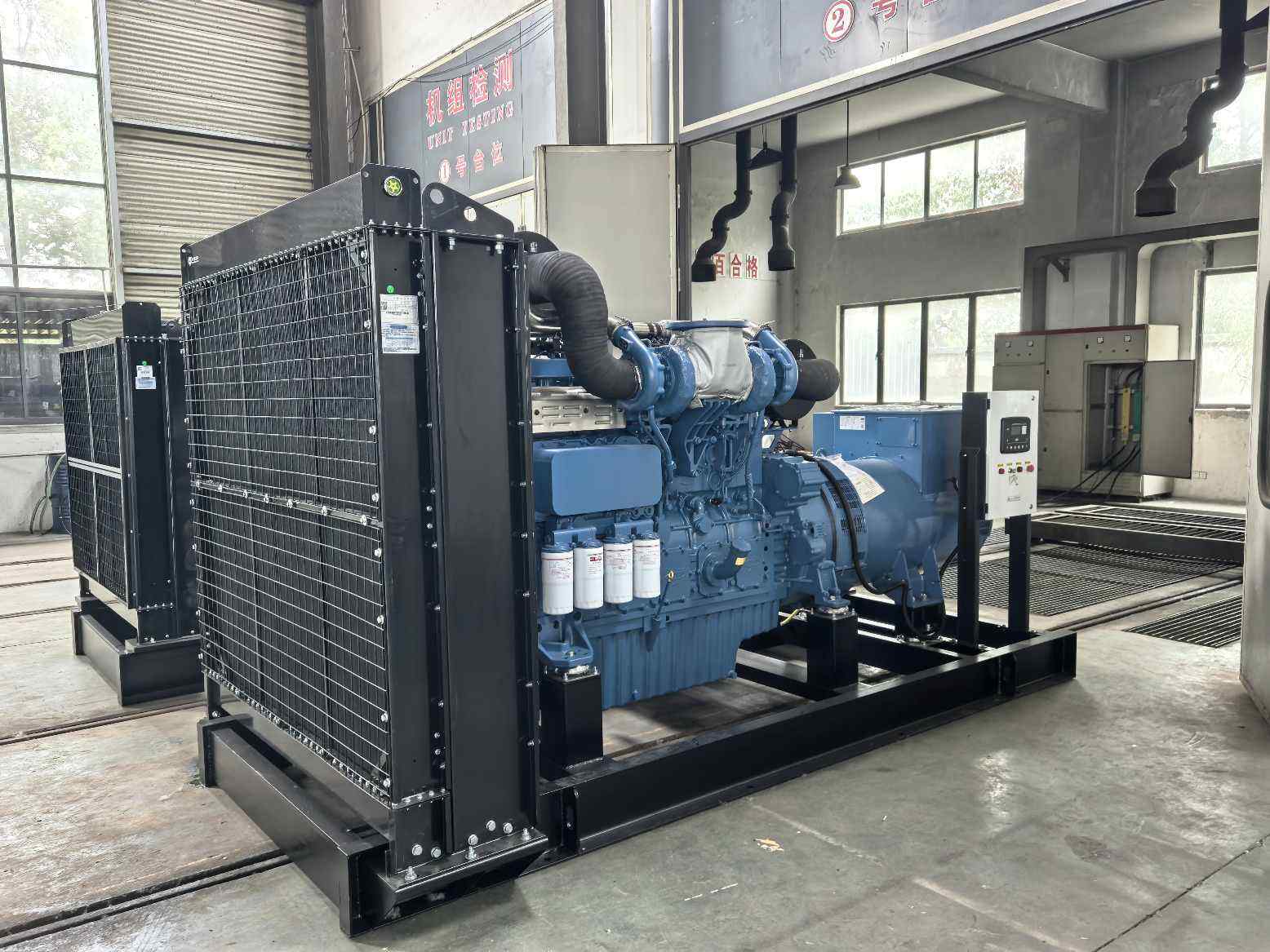
Chinese genset suppliers answer that request at very different speeds, and a slow answer is information in itself. A plant that holds an approval keeps the schedule within reach, because the document is used on every order. A plant that forwards a scanned page from an old folder usually holds nothing current. Send the six items to the export sales desk with the destination market and the site load, and the reply names the rating the file can actually support.
Why does a re-rated engine lose its approval?
A re-rating moves the engine out of the band the authority tested, so the approval no longer describes the machine. Approval attaches to a declared output at a declared speed and fuel, and the schedule lists those limits. Raise the output by resetting the pump or the calibration and the set leaves the approved type, even though the hardware looks the same from outside. Yangzhou Tesla Power checks that limit before it accepts a rating change on an existing build.
The practical test is simple. Compare the plate figure with the highest figure on the schedule. If the plate reads higher, the set is outside its approval until a new one is granted. If the plate reads lower, the set sits inside the approved type, and the unused margin is spare capacity rather than a violation. Photograph both pages on the day of delivery, since a later argument is settled by paper and not by memory. The conformity file note covers the pages that belong beside the schedule in the same folder.
What changes on a set require a fresh approval?
Five changes push a set outside its approval: a higher rating, a different after-treatment device, a different fuel specification, a new injection calibration, and a change of engine family. Cosmetic work, a canopy colour, a controller brand or a larger base tank does not touch an emission approval. Confirm each item against the schedule rather than against a brochure.
Treat the list as a question for the supplier, not as a rule you apply alone. Ask which items appear on the schedule and which sit outside it, and write the answer into the order file. A genset for standby duty often keeps the same schedule for a decade, while a prime power build is re-rated far more often, so the answer depends on the duty. Most genset manufacturers will answer it in one line, and the reply is worth keeping with the quotation. Tesla Power records the answer beside the rating on the offer so the two cannot drift apart.
How does an approval differ from a declaration of conformity?
Type approval is granted by an authority before the product is placed on the market, while a declaration of conformity is issued by the manufacturer under its own responsibility. The two documents answer different questions. The approval says the type was examined; the declaration says this unit meets the requirements that apply to it.
A set can carry both, and a European delivery usually needs both. Machinery rules are declared by the builder, and emission rules for non-road engines are approved by an authority under Regulation (EU) 2016/1628. The machinery regulation note sets out the declaration side, and Tesla Power Equipment keeps the two files apart so neither is quoted in place of the other. A declaration offered without an approval leaves the emission question open. Store them in one folder under two headings, because a customs officer asks for the first and a registration office asks for the second.
Which plate fields are checked against the approval?
Four plate fields are checked against the schedule: the rated output in kW with its power factor, the rated speed, the engine family or type number, and the approval number where the market requires it. A fifth field, the year of manufacture, sets which version of the rule applies to the engine. A plate that carries the power but not the class is the common failure, because the class is what the schedule actually lists.
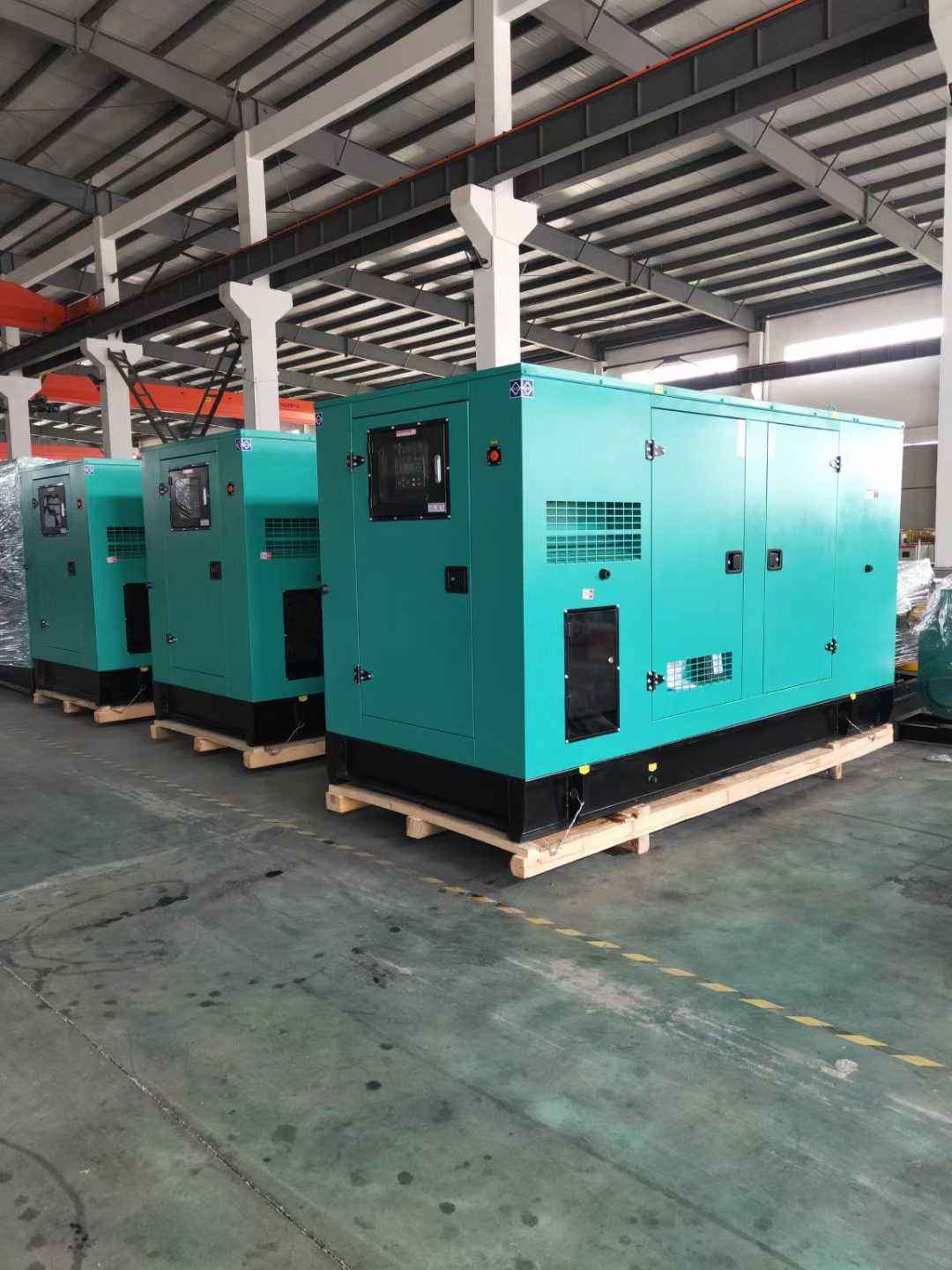
Photograph the plate at handover and file the image with the certificate. The pair answers most questions a year later, and the serial number on the plate links the two documents without a search through old email. Keep the plate legible as well, since a repaint that fills the stamped figures turns a checked rating into an unreadable one. The silent 500kVA build shows the plate layout used on a standard frame. Tesla Power keeps that image in the handover folder under the set serial number.
What does the approval file contain at shipment?
The file travels with the set as a paper and a digital copy: certificate, approved schedule, engine test report reference, declaration of conformity, and the plate photograph. Add the engine serial list when more than one set ships on the same order. A genset factory in China that issues this pack at loading saves the buyer a week of correspondence later.
Keep one copy inside the canopy and one with the shipping documents. Genset type approval documentation for a shipment is checked at the port against the plate, so the two copies have to match the machine and each other. A genset in a container build carries a second copy inside the door, where it survives the weather and a repaint. Staple the schedule to the certificate, because a loose schedule is the page that goes missing, and put the origin certificate in the same wallet before the container is sealed. The technical file holds the drawings and test sheets behind those papers.
Frequently asked questions about genset type approval
No. CE marking is the manufacturer's declaration that the product meets the directives that apply to it, supported by a technical file. Type approval is an examination of a type by an authority, and it exists in markets and product classes where a self-declared route is not accepted. A set can need both, and one does not replace the other.
Validity is set by the rule under which the approval was granted, and several regimes require a renewal or a transition to a later stage on a fixed date. Read the certificate for the stage it was granted under, then check the date the market applies. An approval that lapsed before shipment is worth no more than a brochure.
It covers the ratings listed on the schedule and nothing beyond them. A family often holds several approved outputs at different speeds, and each one is a separate line. A rating that appears in a price list but not on the schedule has no approval behind it, whatever the offer says.
The set leaves its approved type at the moment the declared output rises above the schedule figure. A new approval or a return to the approved setting is then required before the set can be sold or registered in that market. Record the change in the file, because the plate and the certificate will otherwise disagree.
Several do, and the rule usually states the format and the position of the marking. Where the market does not ask for it, the number still belongs in the file so an inspector can match the plate to the schedule. Ask the supplier to confirm the requirement for the destination rather than for the region.
No. An approval is issued by an authority, or by a body acting for it, and the certificate names that body. A dealer can hold a copy and quote the number, and that is all. A document typed on dealer letterhead carries no standing with customs or with a registration office.
It follows the type, so it applies to every set built to that type, in every shipment, for as long as the approval stands. The shipment carries the copies and the plate carries the number. That is why a buyer checks the engine type number first and the certificate second. Tesla Power keeps both on file for each order.